

Imagine a steaming bowl where flaky, slightly sweet pink salmon meets fragrant long-grain rice, softened carrots, and browned onions — a simple, homey dish that tastes like both the sea and a grandmother’s kitchen. Pink salmon pilaf is one of those recipes that feels familiar the moment you try it, even if you’ve never heard the name. It’s comforting, practical, and full of personality: bright salmon flakes woven through tender rice, flecks of spice, and a soft sheen from simmered vegetables and stock. Read on and you’ll learn where this pairing comes from, why it works so well, how nutritious it is, and how to make a perfect batch yourself.
- Where this dish likely began and how geography shaped it
- A short history of how fish and pilaf met on the table
- Interesting twists that shaped the recipe
- Little-known facts that make pink salmon pilaf more intriguing
- What’s in a bowl: nutritional value explained without fuss
- Where people enjoy this dish and how preferences vary around the world
- The best step-by-step recipe for pink salmon pilaf
- Ingredients
- Method
- Tips for success
- Final notes
Where this dish likely began and how geography shaped it
Pilaf, in its many regional forms, traces back to Central Asia and the Middle East. The technique is simple: sauté rice or grains in fat, then simmer them in broth until each grain is separate and flavored. Pink salmon on the other hand lives in the cold North Pacific and has been a staple for coastal communities from Alaska to the Russian Far East. Pink salmon pilaf is best understood as a meaningful adaptation — cooks in places where both rice and salmon were available combined the pilaf approach with local fish. In short, the method comes from the heartlands of pilaf while the ingredient, pink salmon, ties the dish to northern coasts and the traditions of seafaring and canning.
A short history of how fish and pilaf met on the table
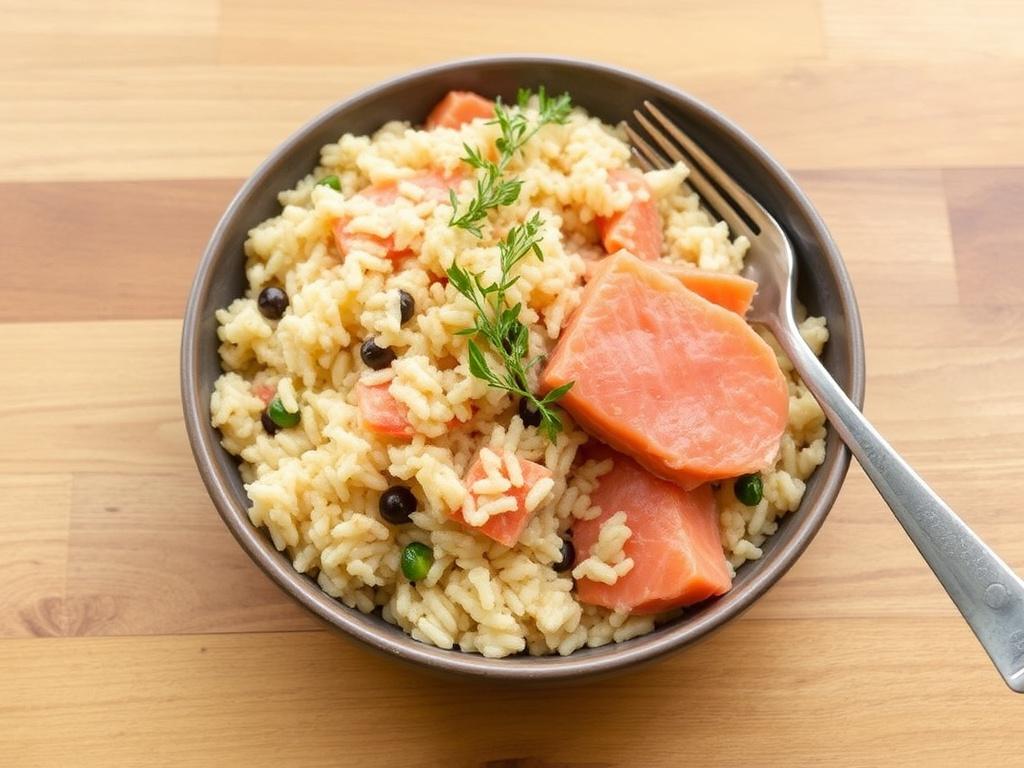
Pilaf is ancient; its name and variations spread along trade routes. As rice cultivation and trade moved eastward and northward, households improvised. In coastal regions, fish often stood in for lamb or chicken. Pink salmon, being abundant and easy to preserve, became a natural choice. Over time, families developed versions that used fresh or canned salmon, spices available locally, and whatever vegetables were on hand. The dish never became a formal national specialty in most places, but it kept showing up in home kitchens where practicality and flavor mattered more than fancy presentation.
Interesting twists that shaped the recipe
- Use of canned pink salmon made the dish accessible year-round, especially in remote communities.
- Simple aromatics — onion, carrot, sometimes garlic or bell pepper — give the pilaf a warmly savory backbone.
- Occasional additions like raisins or toasted seeds appear where sweeter or nuttier textures are preferred.
Little-known facts that make pink salmon pilaf more intriguing
Pink salmon is the smallest of the Pacific salmon species, and that matters because its delicate, slightly sweet flesh breaks into attractive flakes, rather than large steaks. The fish is often sold canned, smoked, or frozen; each form changes the pilaf’s profile. Canned pink salmon lends salt and richness; smoked salmon adds a deeper, more complex note. Because the fish cooks quickly, it can be folded into pilaf at the end of the simmer, ensuring moist, flaky pieces rather than dry chunks.
What’s in a bowl: nutritional value explained without fuss
Pink salmon pilaf is a practical, balanced meal. The dish combines lean protein from the salmon with carbohydrates from rice and vitamins and fiber from added vegetables. Pink salmon supplies omega-3 fatty acids, vitamin B12, vitamin D, and selenium. Rice contributes energy and a satisfying texture; using brown rice or a mixed-grain blend increases fiber and micronutrients. If you want to manage calories or fat, opt for fresh or canned-in-water salmon and moderate the oil used for sautéing. Adding greens or extra vegetables boosts vitamins and keeps the plate colorful.
Where people enjoy this dish and how preferences vary around the world
Pink salmon pilaf sits at the crossroads of culinary cultures. In Russia’s Far East and in parts of Alaska, versions with local spices and canned salmon are common in home cooking. In Central Asian households, fish pilafs pop up where rivers or coastal trade provided fresh seafood. In Western kitchens, cooks sometimes remix the idea: use smoked pink salmon with saffron rice, or fold in capers and lemon for a Mediterranean twist. The core idea adapts easily, which is why you’ll find variations rather than a single canonical recipe.
The best step-by-step recipe for pink salmon pilaf
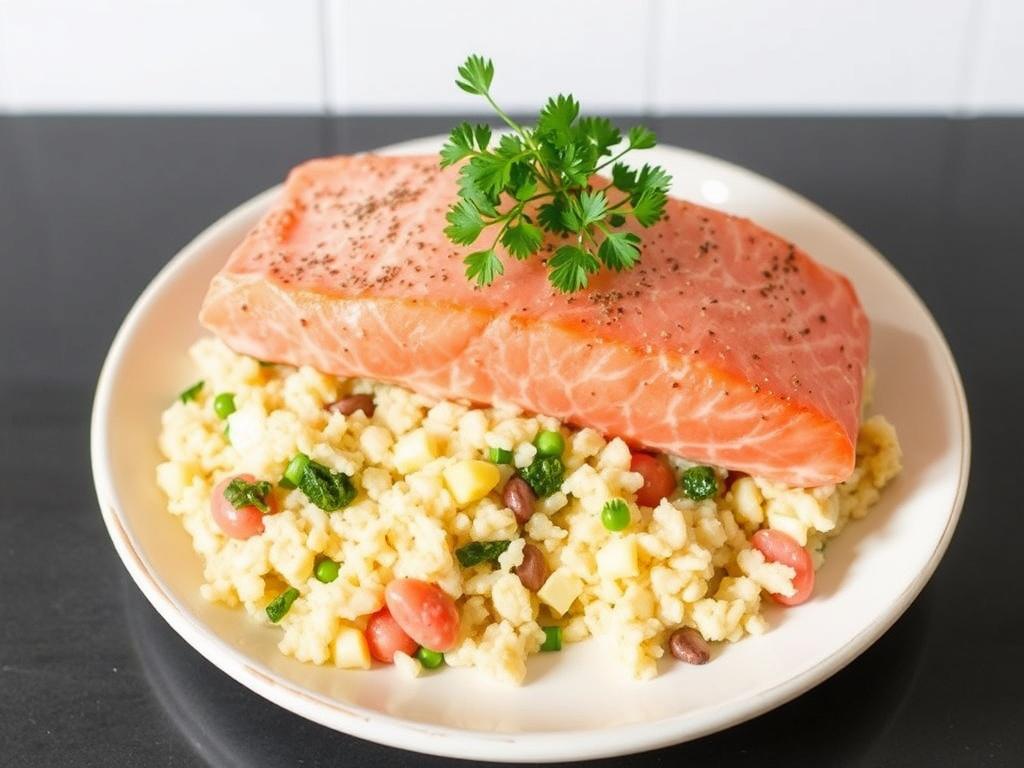
This version works with fresh or canned pink salmon and serves four. It’s written for the home cook who likes clear stages and reliable timing.
Ingredients
| Ingredient | Amount |
|---|---|
| Long-grain rice (or basmati) | 1.5 cups (rinsed) |
| Water or light stock | 2.5 cups |
| Pink salmon (fresh fillet or canned, drained) | 350–400 g fresh or 2 cans |
| Onion, finely chopped | 1 medium |
| Carrot, julienned or grated | 1 large |
| Garlic, minced | 1 clove (optional) |
| Vegetable or olive oil | 2–3 tbsp |
| Salt and black pepper | to taste |
| Ground cumin or coriander | 1 tsp (optional) |
| Fresh herbs (dill, parsley) and lemon wedges | to finish |
Method
- Heat oil in a heavy pan over medium heat. Add chopped onion; cook until soft and starting to color, about 6–8 minutes.
- Add carrot and garlic. Cook 3–4 minutes until the carrot softens but still has some bite. Stir in cumin or coriander if using.
- Add rinsed rice and stir for 1–2 minutes so each grain gets coated with oil and picks up flavor.
- Pour in warm stock or water, season lightly with salt, and bring to a gentle boil. Reduce heat to low, cover, and simmer for 15 minutes (check package times for your rice type).
- While rice cooks, prepare the salmon. If fresh, season and pan-sear for 3–4 minutes per side until just cooked; flake. If canned, drain and remove large bones, then flake gently.
- After the rice has simmered, remove the lid, scatter the flaked salmon evenly on top, re-cover, and let rest off heat for 5–7 minutes. This finishes cooking the fish gently and lets flavors meld.
- Fluff the pilaf with a fork, mix in chopped herbs, adjust seasoning, and serve with lemon wedges for brightness.
Tips for success
- Rinse rice until the water runs clear to keep grains separate.
- If using canned salmon, taste first—cans vary in saltiness, so adjust seasoning carefully.
- Don’t over-stir after adding the fish; you want delicate flakes, not a mashed texture.
Final notes
Pink salmon pilaf is a tidy example of how simple ingredients and a reliable technique create something greater than their parts. It’s convenient, adaptable, and forgiving. Whether you make it with fresh fillets or pull a can from the pantry on a weeknight, the dish rewards attention to basic steps: good sautéing, proper rice-to-liquid ratio, and gentle handling of the fish. Try it once, then make the dish your own with herbs, spices, or a splash of citrus.


