
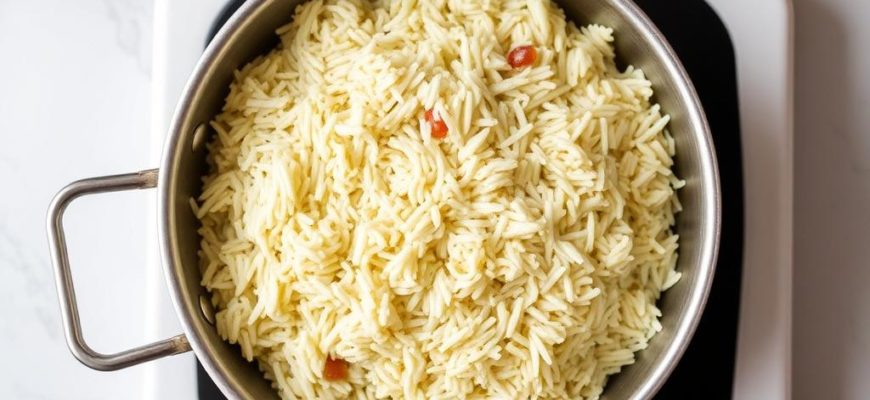
There’s something almost cinematic about a single pan sizzling on the stove while rice blooms and aromas rise, drawing everyone to the kitchen. Pilaf cooked in a pan is the kind of dish that feels humble and generous at once: modest ingredients, a few good moves, and a crowd-pleasing result. If you’ve ever wondered how to get perfectly separated grains, a rich depth of flavor, and a dish that travels easily from weeknight dinner to festive table, read on — this piece will walk you through history, tips, and a reliable recipe so you can make pan pilaf that actually tastes like home-cooked magic.
- Where Pan Pilaf Comes From and Why It’s So Logical
- The Story Behind Pan Pilaf and Its Many Faces
- Interesting Facts about Pan Pilaf You Might Enjoy
- Practical Nutritional Value of Pan Pilaf
- How Pan Pilaf Travels Around the World and Appeals to Different Palates
- The Best Step-by-Step Cooking Recipe for Pan Pilaf
- Ingredients
- Method
- Tips for Success
Where Pan Pilaf Comes From and Why It’s So Logical
Pilaf cooked in a pan traces its roots to the broad culinary world where rice meets broth and aromatics: Central Asia, the Middle East, South Asia, and parts of the Mediterranean. Each region adapted the idea to local staples — lamb, beef, chicken, vegetables, and spices. What ties them together is the technique: toasting the rice briefly, layering flavors, then allowing gentle steam to finish the grains. Cooking it in a pan, rather than a deep pot or oven dish, makes the method accessible. A single skillet fits most kitchens, promotes even heat, and lets you brown meat and toast rice in the same vessel. That economy of motion explains why pilaf cooked in a pan spread so easily through markets and households.
The Story Behind Pan Pilaf and Its Many Faces
Historically, pilaf evolved from simple rice-and-meat one-pot meals enjoyed by nomads and settled communities alike. The word pilaf, and its variants, traveled through Persian, Turkish, and Arabic languages, carrying the idea of rice cooked with flavorful liquids. Over centuries, cooks introduced new ingredients: carrots and onions in Central Asian plov, saffron in Iranian pilaf, or raisins and nuts in Levantine versions. Pilaf cooked in a pan became popular where kitchens were small or where quick, portable meals were needed. The method fits modern life: it’s quick to prepare, forgiving, and easy to tweak for dietary preferences.
Interesting Facts about Pan Pilaf You Might Enjoy
- Pilaf cooked in a pan is often confused with pilau, pulao, or plov, but those differences are mostly regional names rather than strict recipe rules.
- Toasting the rice first does more than add flavor; it helps the grains stay separate by sealing the starches slightly.
- Many traditional cooks insist on using long-grain rice for pan pilaf because it yields fluffier, less sticky results.
- Leftovers reheat very well. Cold pilaf can be transformed into fried rice with a little oil and an egg.
Practical Nutritional Value of Pan Pilaf
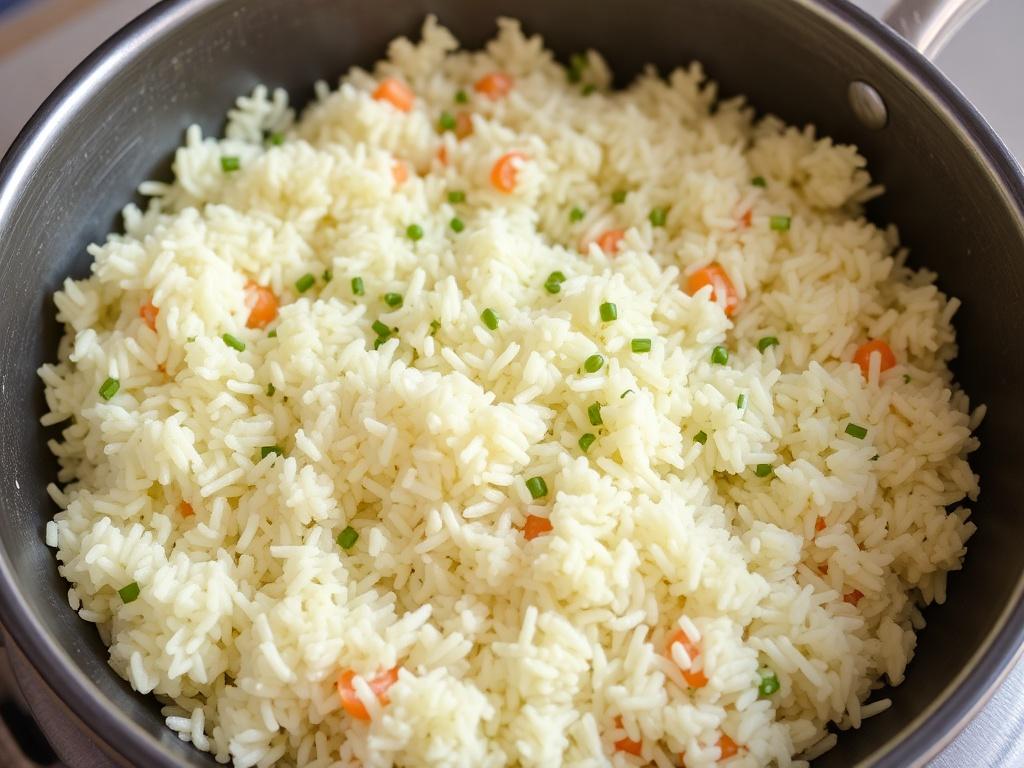
The nutritional profile depends on the ingredients you choose. At its base, pilaf cooked in a pan combines carbohydrates from rice, protein from meat or legumes, and fats from oil or butter. Vegetables add fiber and vitamins. Here’s a typical breakdown for a single serving of chicken-and-vegetable pan pilaf:
| Component | Approximate Amount |
|---|---|
| Calories | 400–550 kcal |
| Protein | 20–30 g |
| Carbohydrates | 45–60 g |
| Fat | 10–20 g |
| Fiber | 2–5 g |
To make pan pilaf lighter, use lean protein, more vegetables, and moderate oil. For higher calorie, richer versions, add butter, nuts, and dried fruit.
How Pan Pilaf Travels Around the World and Appeals to Different Palates
Pilaf cooked in a pan is surprisingly international. In Central Asia, hearty plov versions include lamb and carrots. In Iran, fragrant rice pilaf often features saffron and barberries. South Asian pulao tends to use whole spices like cardamom and cloves. The Mediterranean versions may incorporate tomatoes, peppers, and herbs. Because the method adapts so easily, you’ll see pan pilaf at street stalls, family tables, and holiday feasts across continents. That versatility explains its enduring popularity: you can tweak the protein, swap rice for bulgur or quinoa, and still have a satisfying dish.
The Best Step-by-Step Cooking Recipe for Pan Pilaf
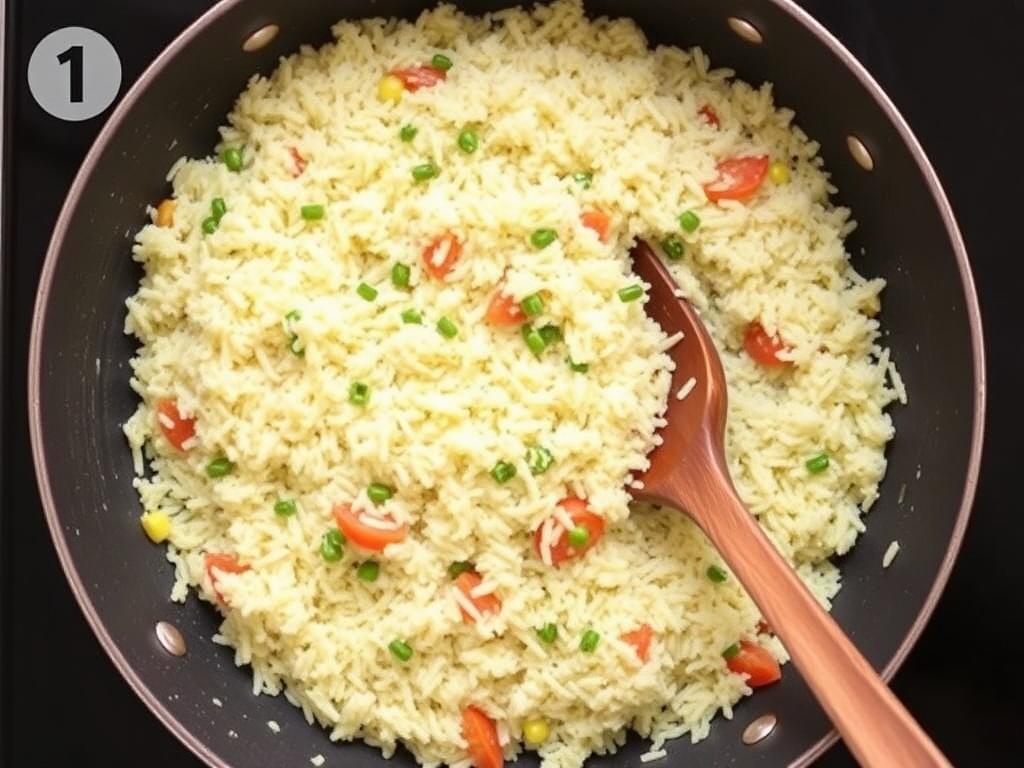
This is a reliable, one-pan recipe for about 4 servings. It focuses on technique so you get even, separate grains and balanced flavor every time.
Ingredients
- 2 cups long-grain rice, rinsed until water runs clear
- 400 g (about 1 lb) boneless chicken thighs or beef, cut into bite-sized pieces
- 1 large onion, finely chopped
- 2 carrots, julienned or grated
- 3 cloves garlic, minced
- 4 cups chicken or vegetable broth, hot
- 3 tbsp neutral oil or butter
- 1 tsp ground cumin, 1/2 tsp ground coriander, salt and pepper to taste
- Optional: handful of raisins or chopped nuts, fresh herbs for garnish
Method
- Heat the pan over medium-high heat. Add oil and brown the meat in batches. Remove and set aside.
- Lower heat to medium. Add onion and cook until translucent. Toss in carrots and garlic, cook 2–3 minutes.
- Stir in spices briefly so they bloom in the oil. Add the rice and toast gently for 2–3 minutes until some grains look glossy.
- Return the meat to the pan. Pour the hot broth evenly, sprinkle salt, and bring to a brisk simmer.
- Reduce heat to low, cover tightly, and let cook without stirring for 15–20 minutes until liquid is absorbed and rice is tender.
- Turn off heat and let sit covered for 10 minutes. Fluff with a fork, fold in optional extras, and garnish.
Tips for Success
- Rinse rice thoroughly to remove surface starch for separate grains.
- Use a lid that seals well or weigh down a kitchen towel between pan and lid for better steam retention.
- If final texture is too firm, add a few tablespoons of hot water, cover, and steam for a few more minutes.
Pilaf cooked in a pan rewards attention to simple steps: toast, layer, steam. Once you master the core method, you can riff endlessly — swap proteins, try different grains, add seasonal vegetables — and still come back to a satisfying, one-pan meal that brings people together.


