

There’s something oddly comforting about a bowl of soup that surprises you with every spoonful. Soup Solyanka does exactly that – it’s tangy, savory, a bit smoky, and utterly soul-warming. If you’ve never heard of it before, you’re in for a treat. Imagine a soup that brings together meat, pickles, olives, and lemon all in one pot, creating a harmony of flavors that dance on your tongue. Curious yet? Let’s unravel the story, secrets, and deliciousness behind Soup Solyanka and why it continues to captivate palates far beyond its homeland.
- Getting to Know Soup Solyanka: What It Really Is
- The Story Behind Soup Solyanka: Tracing Its Origin
- Where Did Soup Solyanka First Make Its Mark
- Fun Tidbits: Interesting Facts About Soup Solyanka
- Nutritional Value of Soup Solyanka: What’s in the Bowl?
- How Soup Solyanka Captured the World: Popularity Across Borders
- The Best of Solyanka: Three Recipes Worth Trying
- Perfect Pairings: What to Eat with Soup Solyanka
Getting to Know Soup Solyanka: What It Really Is

Soup Solyanka is not just any ordinary soup; it’s a hearty Russian stew-like dish that embraces a bold and interesting flavor profile. Traditionally, it’s made with a rich meat broth infused with smoked meats, sausages, or fish, depending on the variety. What sets it apart is the unique blend of ingredients like pickled cucumbers, olives, and lemon slices that lend a sour and slightly briny kick. Imagine biting into a juicy piece of sausage, then catching that burst of tang from pickles – this contrast is what makes Solyanka so memorable. It’s usually topped with sour cream and fresh herbs, adding creaminess and freshness to balance out the strong flavors.
If you look closer, you’ll find that Solyanka comes in three main types: meat, fish, and mushroom versions. Each one brings its own character, but all share that distinct sour tang that defines the dish. It’s a perfect example of how Russian cuisine finds its magic in balancing bold, unexpected tastes.
The Story Behind Soup Solyanka: Tracing Its Origin
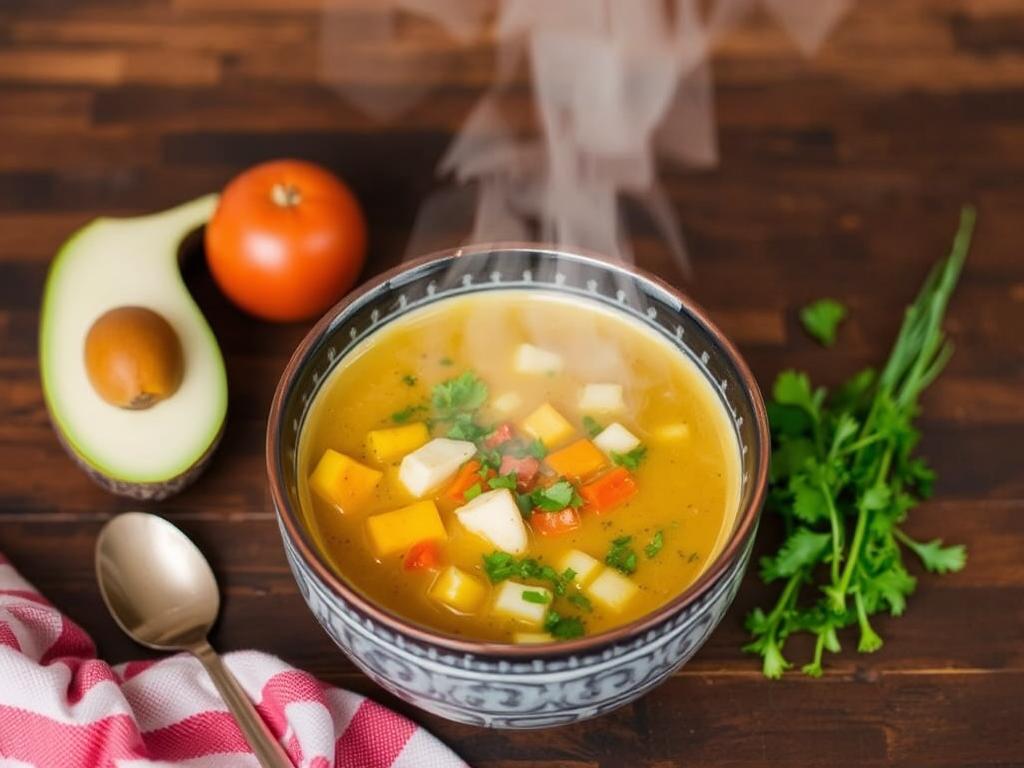
Unlike many dishes with clear documented origins, Soup Solyanka’s roots are woven through the cultural fabric of Russia and neighboring countries. What’s clear is that it emerged as a way to use leftover meats and preserved ingredients effectively, a common theme in traditional peasant cooking. This likely explains the soulful, almost “everything-in-the-kitchen-sink” makeup of the soup, marrying diverse flavors into one cohesive bowl.
Some say that Solyanka first gained popularity in the late 18th or early 19th century in Russia, evolving through the years as cooks added ingredients to suit what was on hand. Its ability to be both frugal and luxurious made it a favorite family meal.
Where Did Soup Solyanka First Make Its Mark
While it’s often associated with Russian cuisine, Solyanka has had a presence across Eastern Europe and the former Soviet states. It’s believed to have emerged in the rich culinary melting pot of Moscow, where diverse cultures brought their own preserved foods and spices. From there, it spread across the region, adapting with local flavors – be it more fish for coastal areas or extra mushrooms in the forests.
In many ways, Solyanka reflects the way people historically preserved food: pickling vegetables, smoking meats, and layering flavors to ensure nothing went to waste. It’s a window into how everyday ingredients can transform into something extraordinary.
Fun Tidbits: Interesting Facts About Soup Solyanka
Here’s where things get juicy. Did you know that:
- Solanka’s name comes from the Russian word “sol’,” meaning salt, highlighting its tangy, salty nature.
- It was a popular dish at Soviet-era restaurants, often served alongside vodka to help with the drink’s strong burn.
- The inclusion of lemon in the soup is more than just flavor – it helps brighten and cut through the heaviness of the meats.
- There are even vegetarian versions that rely heavily on mushrooms and pickles, proving the dish’s versatility.
For those seeking an authentic experience, Solyanka is traditionally eaten hot, often enjoyed during colder months for its warming qualities.
Nutritional Value of Soup Solyanka: What’s in the Bowl?
Given all its rich ingredients, Solyanka packs a solid nutritional punch. The meat or fish provides protein, while pickled cucumbers and olives offer vitamins and minerals along with beneficial probiotics due to fermentation. Let’s break it down:
| Nutrient | Typical Source in Solyanka | Benefit |
|---|---|---|
| Protein | Meats, sausages, fish | Muscle repair, satiety |
| Vitamin C | Lemon slices, pickled cucumbers | Immune support, antioxidant |
| Probiotics | Pickled cucumbers | Digestive health |
| Healthy Fats | Olives | Heart health, anti-inflammatory |
Of course, because it often includes smoked sausages and sour cream, it can be high in salt and fat, so moderation is key. Still, as a comfort food, it’s a well-rounded dish that satiates hunger with flavorful nutrients.
How Soup Solyanka Captured the World: Popularity Across Borders
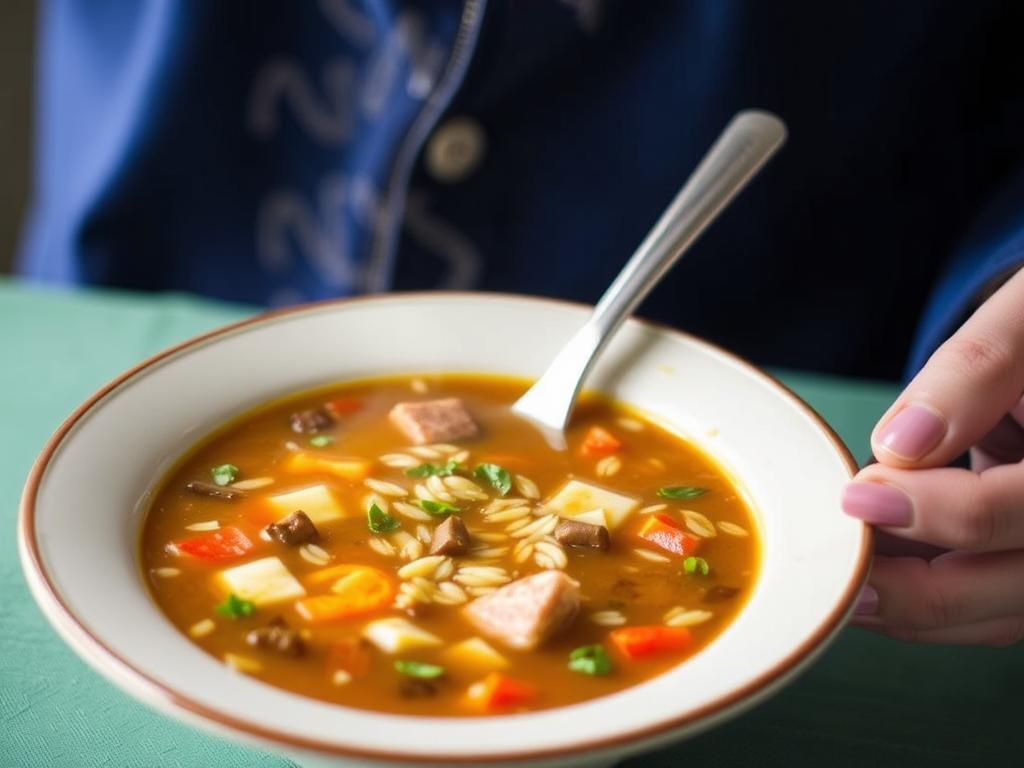
Though deeply Russian at heart, Solyanka has made its way into kitchens well beyond Eastern Europe. In countries like Ukraine, Belarus, and the Baltic states, it’s common on menus, often with local twists. Even in places such as Germany and Poland, where Russian food has its enthusiasts, Solyanka enjoys a loyal following.
Interestingly, in the West, it’s a hidden gem among Eastern European restaurants, favored by those who seek authentic, hearty soups. Its harmony of salty, sour, and smoky flavors feels refreshing and comforting unlike any other soup.
The Best of Solyanka: Three Recipes Worth Trying
Ready to dive in? Here are three classic ways to make Soup Solyanka at home:
- Meat Solyanka: A mix of beef, smoked sausages, pickled cucumbers, green olives, tomato paste, and lemon. Simmered slowly to marry all flavors with sour cream on top.
- Fish Solyanka: Uses smoked or salted fish like herring or salmon, combined with pickled cucumbers, capers, and lemon for that tang.
- Mushroom Solyanka: Vegetarian, filled with assorted mushrooms, pickled cucumbers, and herbs, offering a lighter but equally satisfying version.
Each version invites small tweaks to suit your taste – more lemon if you prefer zest, extra meat for a heartier soup, or extra herbs for freshness.
Perfect Pairings: What to Eat with Soup Solyanka
If Soup Solyanka is the star, then its supporting cast is just as important. Traditionally, it pairs beautifully with dense rye bread, perfect for soaking up every drop of the flavorful broth. Pickled vegetables on the side can complement the soup’s sour notes wonderfully.
If you want to make it a meal, serving it with a light salad or boiled potatoes balances richness with simplicity. And for drinks? A shot of chilled vodka pays homage to Solyanka’s cultural roots, though a tart black tea works just as well if you prefer something milder.
—
Soup Solyanka is more than a soup. It’s a bold mix of history, flavor, and comfort all in one bowl. Whether you’re exploring Russian cuisine for the first time or looking for a new winter favorite, this tangy, smoky, and hearty dish is worth every spoonful. Give it a try, and you might find it becomes your go-to on chilly days.


