
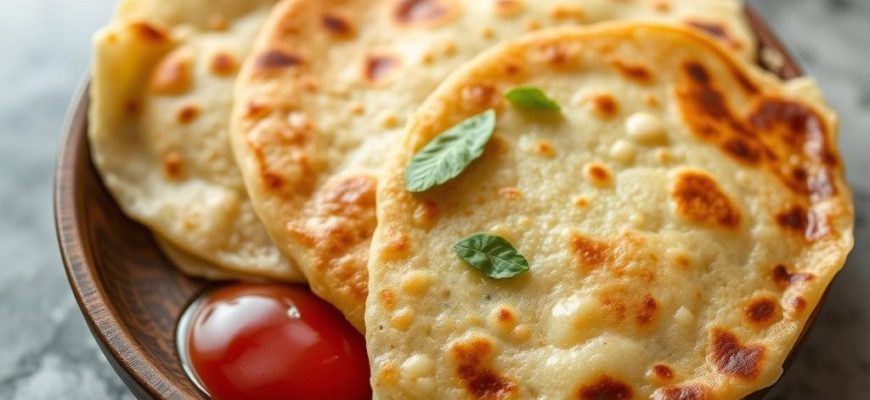
I still remember the first time I tore into a hot, flaky disc of Roti prata pancakes (Southeast Asian) — steam rising, butter glistening, and a mild spice haze in the air. It felt like discovering a small, delicious secret: something simple, hand-rolled and yet capable of surprising you with texture and flavor in every bite. If you like food that’s both humble and endlessly adaptable, stick around — there’s more to these layered pancakes than you think, and I’ll walk you through history, how to make them at home, what to eat them with, and a few recipes that will turn your kitchen into a neighborhood hawker stall.
Roti prata pancakes (Southeast Asian) are thin, pan-fried flatbreads known for their crisp outer layers and soft, chewy inside. Imagine sheets of dough stretched, folded and spun until they become delightfully flaky — that’s the textural signature. In Singapore and Malaysia, they’re a street-food staple sold at dawn and late into the night, folded, rolled or torn to dip into savory curries or sweetened with sugar or condensed milk. They sit somewhere between a pancake and a laminated bread, with a personality shaped by both technique and the company they keep on the plate.
- How Roti Prata Pancakes Came to Be
- Where Roti Prata First Appeared in Southeast Asia
- Interesting Facts You Might Not Know
- Nutritional Snapshot of Roti Prata Pancakes
- How Popularity Varies Across Countries
- Three Recipes Worth Trying at Home
- Classic Plain Roti Prata
- Egg and Onion Prata (Protein Boost)
- Sweet Banana Prata
- What to Eat with Roti Prata Pancakes
How Roti Prata Pancakes Came to Be
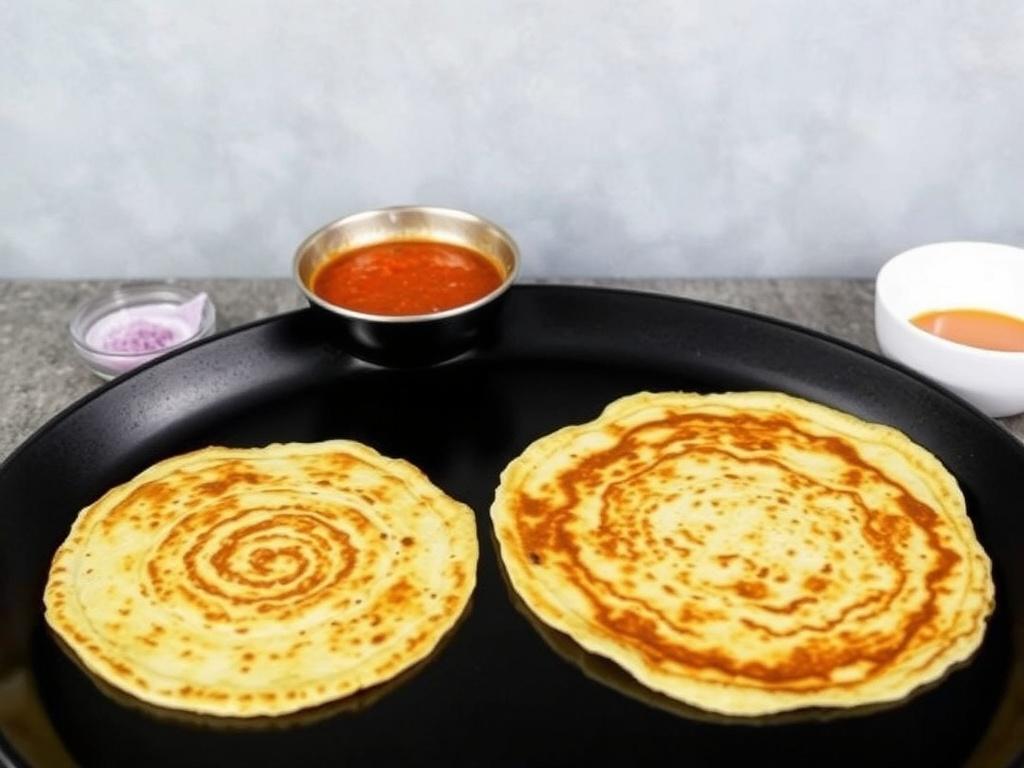
The story traces back to South Indian parotta and the traveling cooks who brought their dough skills across the Indian Ocean. In Southeast Asia, the technique adapted to local ingredients and tastes. Over time, the dish evolved from the layered South Indian parotta into what locals call roti prata in Singapore and roti canai in Malaysia. Street vendors — especially the Mamak stalls run by Tamil-Muslim communities — perfected the rapid, theatrical spinning and folding needed to make prata quickly and with impressive texture. The result: a portable, forgiving flatbread that paired effortlessly with curries and quickly became a comfort food for many communities.
Where Roti Prata First Appeared in Southeast Asia
Historically, the technique came from the Tamil-speaking regions of India. Its first major Southeast Asian footholds were in Penang and Kuala Lumpur in Malaysia, and later in Singapore’s hawker centers. The migration and settlement patterns of Indian communities meant the dish found hospitable places in port cities where cross-cultural eating was the norm. Soon, local tastes and names emerged — roti canai in Malaysia, roti prata in Singapore, and regional variations in Indonesia and beyond.
Interesting Facts You Might Not Know
- Roti prata pancakes (Southeast Asian) are often made with a dough rested overnight to relax the gluten, which helps achieve stretchiness without tearing.
- In competitions and hawker lore, vendors are judged not only by taste but by speed and the fluidity of their dough flips.
- Prata has become comfort food for late-night crowds — many stalls operate 24/7 and people often eat prata after a night out or during early morning shifts.
- Different fillings and styles exist: egg, cheese, onions, and banana are common; there’s also a folded, crispy “tissue” prata variant that’s paper-thin.
Nutritional Snapshot of Roti Prata Pancakes
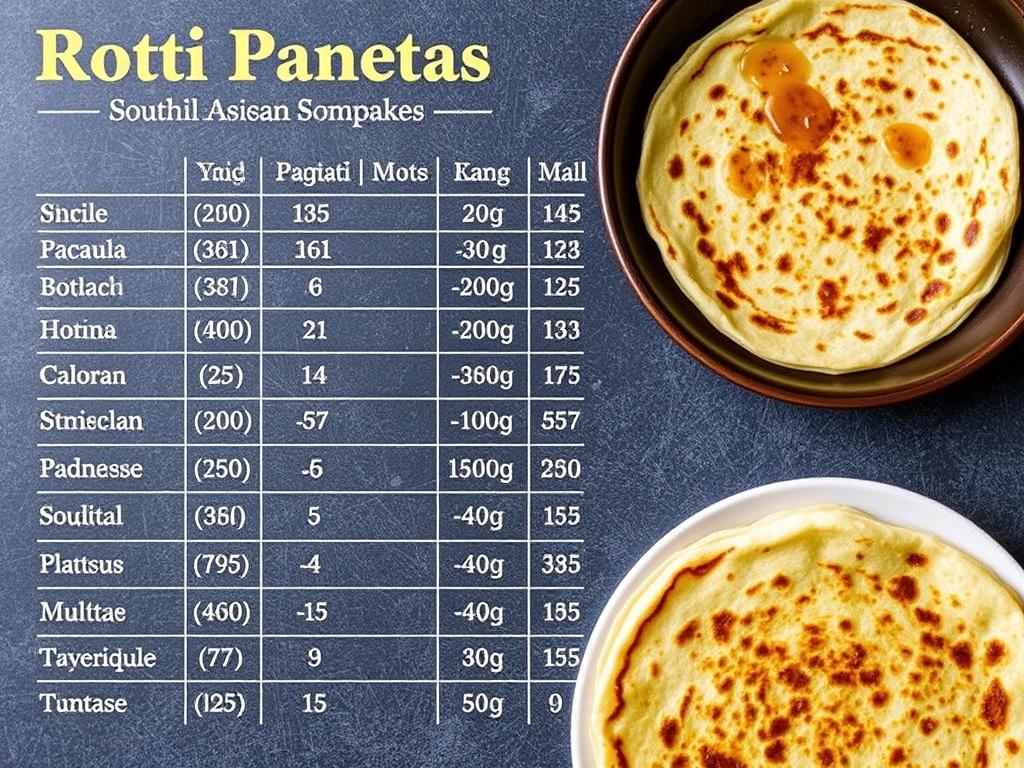
Nutritional content varies widely by size, fat used and fillings. Below is a rough guide for a plain, medium-sized roti prata (about 120 g). Consider these approximate values, not precise lab measurements.
| Component | Approximate per serving (120 g) |
|---|---|
| Calories | 350–420 kcal |
| Carbohydrates | 35–45 g |
| Protein | 6–8 g |
| Fat | 18–26 g (depending on oil/butter) |
| Sodium | 300–450 mg |
If you add eggs, cheese, or sweet toppings like condensed milk, the calories and fat increase notably. For a lighter version, try pan-frying with minimal oil or making smaller, thinner pieces.
How Popularity Varies Across Countries
Roti prata pancakes (Southeast Asian) are most iconic in Singapore and Malaysia, where they’re woven into daily life. In Indonesia, similar flatbreads appear in regional street food scenes. You’ll find them in Brunei, southern Thailand near Malay communities, and in diaspora neighborhoods across the globe — London, Melbourne, and Toronto have eateries serving prata to nostalgic expat crowds. In each place, the local palate tweaks the accompaniments: richer curry bases in Malaysia, sweeter options in Singapore, and varied fillings abroad to suit local tastes.
Three Recipes Worth Trying at Home
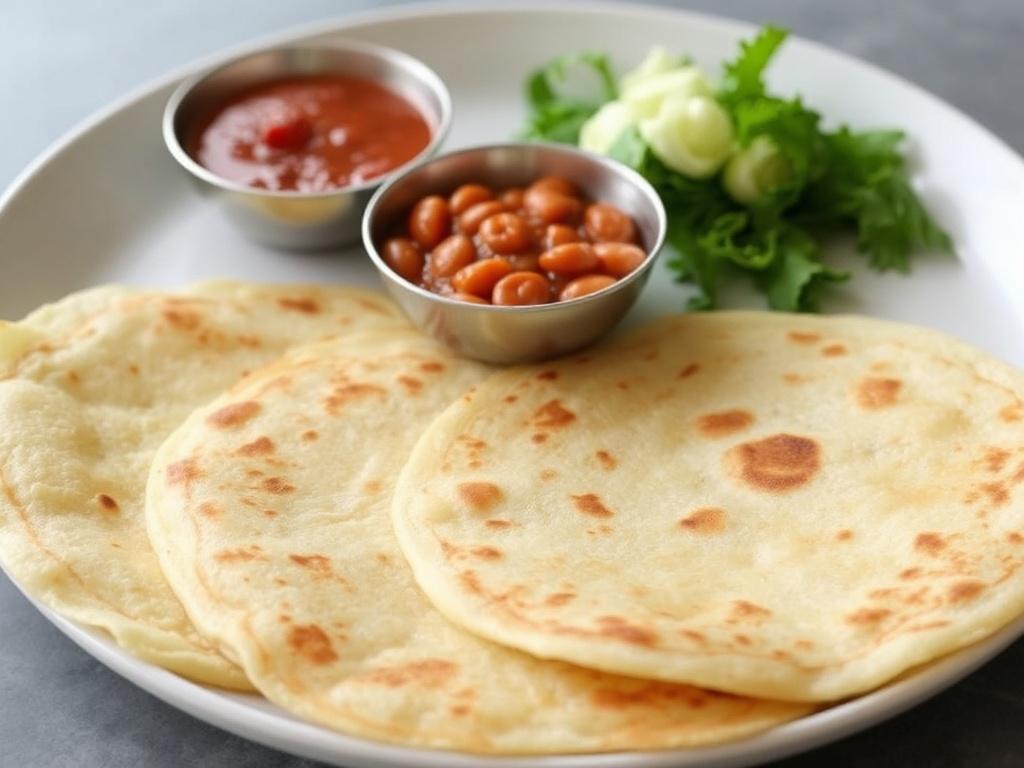
Classic Plain Roti Prata
- Ingredients: 2 cups all-purpose flour, 1 tsp salt, 1 tbsp sugar, 1 tbsp oil, 3/4 cup water (adjust), additional oil for frying.
- Method: Mix flour, salt, sugar, oil and water to form a soft dough. Rest 2–4 hours or overnight. Divide, oil the surface, then stretch each ball into a paper-thin sheet. Fold into layers (like an envelope), coil into a round, flatten slightly and pan-fry in oil until golden and crisp.
Egg and Onion Prata (Protein Boost)
- Ingredients: Classic dough plus 1 beaten egg per prata and 1–2 tbsp finely chopped onion.
- Method: Spread the stretched dough, pour the beaten egg and sprinkle onions, fold closed and fry. The egg cooks into the layers, giving a savory bite.
Sweet Banana Prata
- Ingredients: Classic dough, 1 ripe banana per prata sliced thin, butter or margarine, condensed milk or sugar for serving.
- Method: Place banana slices on the stretched dough, fold and fry until golden. Serve with a drizzle of condensed milk or a sprinkle of sugar.
What to Eat with Roti Prata Pancakes
Pairing is where prata really shines — it’s a carrier for flavor. Here are classic and creative options:
- Curries: dhal (lentil curry), fish curry, chicken curry — warm, spicy gravies are the standard match.
- Condiments: sambal (chili paste), pickled vegetables, and chutneys add brightness.
- Sweet: sugar, honey, palm sugar syrup, or condensed milk for dessert-style prata.
- Fusions: turn prata into a wrap with grilled meats and salad, or serve alongside a fragrant coconut soup for contrast.
Roti prata pancakes (Southeast Asian) are deceptively simple: a handful of ingredients and a practiced hand transform flour into something flaky, tender and endlessly adaptable. Try a basic version first to get the stretch and fold right, then experiment with fillings and pairings. You might end up making them on a weekday morning or at midnight — either way, you’ll understand why so many people fall for this humble, layered delight.


