
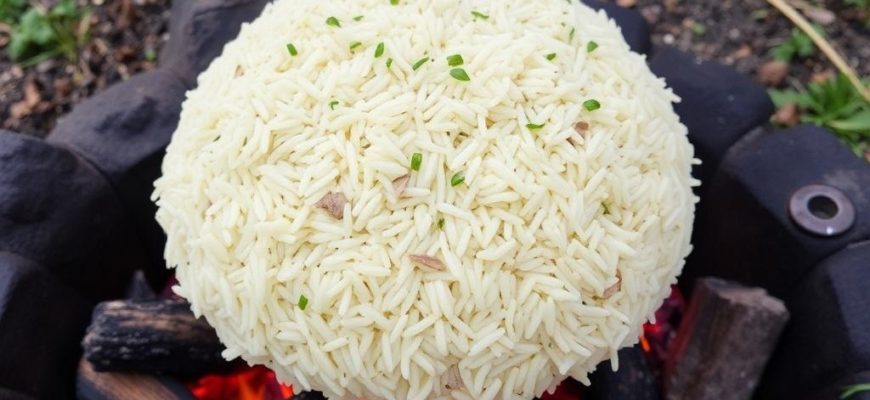
Close your eyes and picture a heavy black cauldron hanging above crackling wood. Steam rises, perfuming the air with caramelized onions, warm cumin, and roasted meat juices. That smell pulls people from wherever they are; it signals a meal made with time and care. Pilaf cooked over a fire is more than food — it is a ritual that gathers hands, stories, and heat around a single pot. If you like cooking outside, love bold, layered flavors, or want to understand how a simple mix of rice, fat, and aromatics becomes a feast, read on. I’ll walk you through where this tradition started, what makes it special, and exactly how to make a perfect fire-cooked pilaf step by step so you can taste that deep smoky note yourself.
- Where the Tradition Began: The Country of Origin for Pilaf Cooked Over a Fire
- A Short, Tangible History of Pilaf Cooked Over a Fire
- Little Wonders: Interesting Facts About Pilaf Cooked Over a Fire
- What’s Inside the Pot: Nutritional Value of Pilaf Cooked Over a Fire
- How Different Countries Embrace Pilaf Cooked Over a Fire
- The Best Step-by-Step Cooking Recipe for Pilaf Cooked Over a Fire
- Equipment and fire setup
- Ingredients (serves 6–8)
- Steps
- Tips and troubleshooting
- Final Thoughts
Where the Tradition Began: The Country of Origin for Pilaf Cooked Over a Fire
Pilaf cooked over a fire doesn’t belong to one country alone. Its roots spread across Central Asia, the Middle East, and into parts of South Asia and the Caucasus. If you had to point to a cradle, Central Asia and specifically the Uzbek and Afghan plains would be strong contenders. There, the cauldron or kazan is iconic — low-tech, sturdy, and ideal for cooking over open flames. Nomads and settled communities alike favored this method because it works with whatever wood and cookware are available, and it produces a hearty, transportable meal. Over centuries the technique migrated along trade routes, blending local ingredients and customs and giving the world many regional versions of fire-cooked pilaf.
A Short, Tangible History of Pilaf Cooked Over a Fire
Pilaf’s history is practical and human. Early cooks needed ways to transform coarse grains and tough meats into something nourishing. Cooking rice with fat and meat in a single pot made sense; add spices and you have a dish that travels well and feeds many. As caravans moved along the Silk Road, techniques crossed borders. The medieval world mentions pilaf-like dishes in Persian and Arabic sources. In Central Asia, the kazan and the method of layering meat, carrots, and rice, then sealing and slow-cooking over coals, became a distinct pattern. Later, armies and festive gatherings cemented pilaf’s reputation as a celebratory communal dish. The essential idea stayed constant: build a fire, manage the heat, and let the pot do the work.
Little Wonders: Interesting Facts About Pilaf Cooked Over a Fire
- One pot, many names: plov, pilau, pulao, pilaf — the same core idea takes different forms across languages and regions.
- Wood matters: fruitwoods like apple or cherry add a subtle sweet smoke, while oak gives a robust, savory backbone.
- Layering is technique: meat and vegetables are often fried first to build fond, then rice cooks in the rendered fat for greater depth.
- It’s social food: in many places, pilaf is cooked in huge cauldrons for weddings and celebrations, with designated people in charge of fire and stirring.
- Rest matters: letting pilaf sit, covered, after cooking lets steam finish the job and keeps grains separate rather than mushy.
What’s Inside the Pot: Nutritional Value of Pilaf Cooked Over a Fire
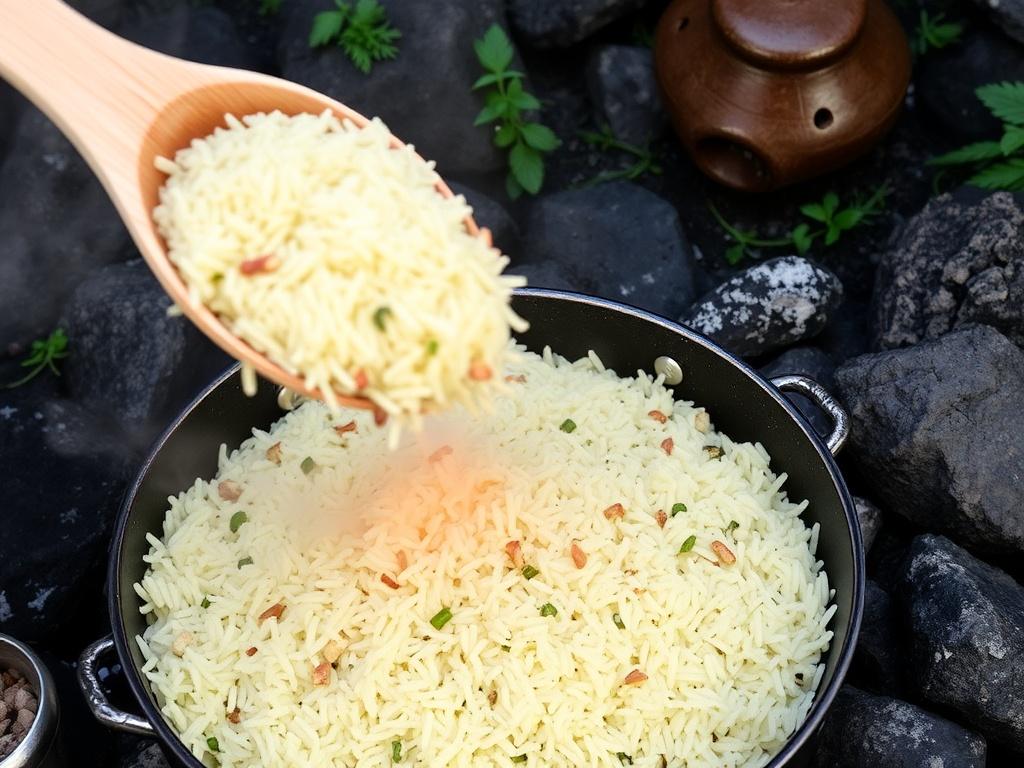
Nutrition varies widely depending on meat type, oil amount, and rice. A typical serving of meat-and-rice pilaf (about 350–400 g) provides solid energy and satiety. Below is a rough breakdown for a common lamb pilaf portion.
| Nutrient | Approx. per serving (350 g) |
|---|---|
| Calories | 650–800 kcal |
| Protein | 25–35 g |
| Fat | 30–45 g (depending on cut and oil) |
| Carbohydrates | 70–90 g |
| Fiber | 2–4 g |
| Sodium | Varies with salt; 600–1000 mg typical |
To make pilaf lighter, choose leaner meat, use less oil, or add more vegetables. To boost nutrition, mix in brown rice or add legumes, but be aware these alter cooking times and moisture needs.
How Different Countries Embrace Pilaf Cooked Over a Fire
Regional tastes shape the dish. In Uzbekistan, plov is carrot-forward and often made with lamb and cumin. Afghan qabili palaw uses sweet raisins and carrots with cardamom and is slightly sweet-savory. In Iran, pilaf techniques merge with rice layering and saffron; in the Levant and Turkey, pilafs often include bulgur or orzo and are stove-based but occasionally made over coals for a smoky edge. The Balkans and Caucasus have versions with local spices and meats. Wherever it appears, pilaf cooked over a fire carries local signatures — spice, cut of meat, and the choice of rice — while following a shared logic of fat, rice, steam, and smoke.
The Best Step-by-Step Cooking Recipe for Pilaf Cooked Over a Fire
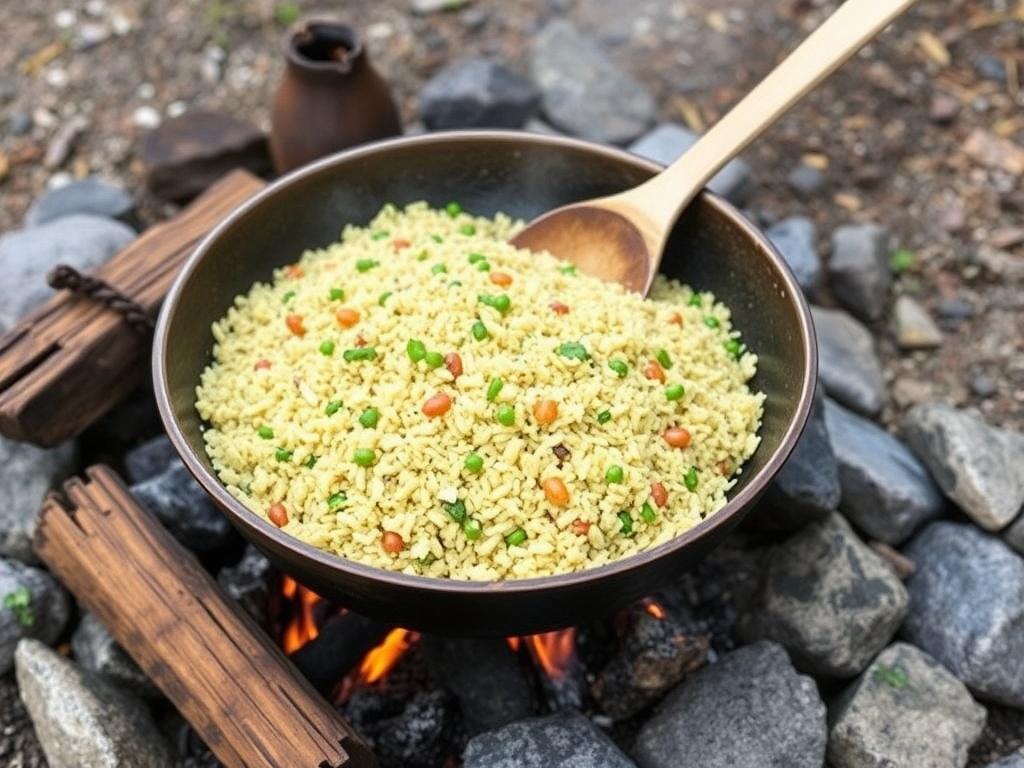
Equipment and fire setup
- Heavy cast-iron cauldron or kazan, 6–10 liters for groups
- Sturdy tripod or ring to hang/sit the pot above coals
- Seasoned shovel or long-handled spoon for stirring
- Wood: mix hardwood and some fruitwood for aroma
- Charcoal or embers: build a medium-hot bed of coals; you want steady heat rather than open flame under the pot
Ingredients (serves 6–8)
- 1.5 kg lamb shoulder, cut into 3–4 cm pieces (or beef/chicken)
- 1 kg long-grain rice, rinsed until water runs clear
- 700 g onions, thinly sliced
- 700 g carrots, julienned or coarse grated
- 120–200 ml vegetable oil or lamb fat
- 2–3 tbsp salt, adjust to taste
- 2–3 tsp ground cumin, 1 tsp black pepper, optional whole coriander seeds
- Water, about 1.5 times the rice volume after layering
Steps
- Build your fire and wait until coals form. You want even, glowing embers and a low steady heat.
- Heat oil in the cauldron. Brown the meat in batches to develop color. Remove and set aside.
- In the same fat, fry the onions slowly until golden and sweet. Add carrots, fry until they soften and take on color. Return meat to the pot, mix with spices.
- Spread the rice in an even layer over the meat and vegetables. Gently press it down, but do not mix. Pour water carefully — it should cover rice by about 1–2 cm. Sprinkle salt across the rice.
- Bring to a rolling boil briefly, then reduce heat by moving coals away from under the pot and around the sides to create more ambient heat. Cover tightly with a lid; if available, place a flat sheet or hot coals on the lid to seal the pot.
- Cook for 20–30 minutes until rice is nearly done. Lower heat further and steam for another 15–20 minutes. Turn off heat and let rest, covered, for 10–15 minutes.
- To serve, gently mix from the bottom so rice picks up the meat and carrot layers, or spoon meat onto a serving platter and mound rice separately, depending on local custom.
Tips and troubleshooting
- If rice is undercooked but water is gone, add 50–100 ml hot water, re-cover, and steam more.
- Too mushy rice means too much water or stirring; keep calm and resist mixing the rice while cooking.
- Want more smoke? Add small chunks of soaked fruitwood on the coals during the final steam.
- No cauldron? Use a heavy Dutch oven on a grill; the technique remains the same.
Final Thoughts
Pilaf cooked over a fire is honest cooking: it asks only for good ingredients, patient heat control, and respect for timing. It rewards with deep flavors that rarely show up in a rushed stovetop pot. Give it a try on a cool evening with friends, and you’ll see why this ancient method still gathers people around the flame.


