

If you’ve ever wandered into a South Indian kitchen or spotted those golden, paper-thin pancakes in a bustling street food market, you know they’re more than just breakfast. South Indian dosa pancakes are a culinary marvel—crispy edges, soft insides, and a flavor that’s perfectly balanced between tangy and savory. But what exactly makes dosa so iconic? How did it come to be a staple not just in India, but around the world? Let’s dive into the world of these savory crepes, explore their rich history, and maybe even inspire you to whip up a batch yourself.
- What South Indian Dosa Pancakes Are All About
- Breaking Down the Ingredients
- The Story Behind South Indian Dosa Pancakes
- The Evolution of Dosa Through Time
- The Birthplace of South Indian Dosa Pancakes
- Regional Variations Worth Knowing
- Fascinating Tidbits About South Indian Dosa Pancakes
- Did You Know
- The Nutrition Behind South Indian Dosa Pancakes
- Dosa Across Borders: Its Popularity in Different Countries
- Global Adaptations
- Three Top Recipes to Master South Indian Dosa Pancakes at Home
- 1. Classic Plain Dosa Recipe
- 2. Masala Dosa with Potato Filling
- 3. Quick Rava Dosa
- What Goes Perfectly with South Indian Dosa Pancakes
What South Indian Dosa Pancakes Are All About

At first glance, dosa might remind you of crepes or thin pancakes. But it’s much more than that. South Indian dosa pancakes are made from a fermented batter of rice and urad dal (black gram lentils), which gives them a slightly sour kick and makes the texture crisp when cooked right. Traditionally, the batter is spread thin on a hot griddle, cooked until golden brown, and often served rolled or folded. Each bite offers a perfect contrast of crunch on the outside and softness within. It’s this texture, combined with the unique flavor of fermentation, that sets dosa apart from any pancake you’ve ever tried before.
Breaking Down the Ingredients
- Rice: Usually parboiled rice or a mix of regular and parboiled rice for the perfect consistency.
- Urad Dal: This black gram lentil adds protein and causes the batter to ferment and rise slightly.
- Fenugreek Seeds: Added to aid fermentation and lend a subtle aroma.
- Water and Salt: Essential for batter consistency and taste.
Nothing fancy, but the magic is in how these simple components come together.
The Story Behind South Indian Dosa Pancakes
Dosa isn’t just food; it’s a story passed down through generations. Historical records show mentions of dosa dating back over a thousand years in South Indian literature, particularly in Tamil Sangam texts. While the exact origin is debated, most agree that dosa emerged as a convenient, nourishing, and portable meal for farmers and travelers in the southern regions of India.
The Evolution of Dosa Through Time
Initially, dosa was probably a thick, rustic preparation, closer to a griddle cake. Over centuries, techniques improved, including fermentation and thinning the batter, bringing dosa closer to the delicate, crispy dish we know today.
| Period | Notable Changes |
|---|---|
| Ancient Times | Thick, coarse batter made from millets and rice, likely non-fermented |
| Medieval Period | Introduction of lentils and fermentation, thinner dosas emerging |
| Modern Era | Widespread popularity beyond South India, various regional styles develop |
The Birthplace of South Indian Dosa Pancakes
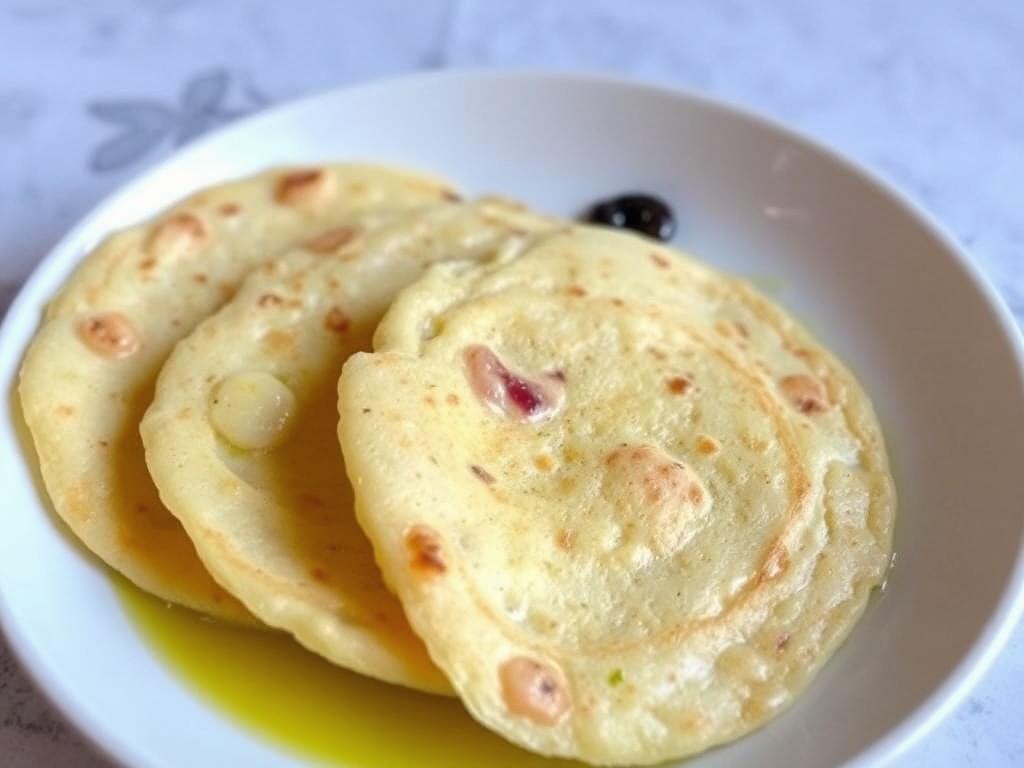
No surprise here—South India is the heartland of the dosa tradition. States like Tamil Nadu, Karnataka, Kerala, and Andhra Pradesh claim their own variations. Among these, Tamil Nadu often gets credit for popularizing the thin, crisp dosa widely recognized today. Street vendors and small eateries perfected the art, turning it into a beloved staple.
Regional Variations Worth Knowing
- Plain Dosa: The classic thin, crisp pancake.
- Masala Dosa: Filled with spiced potato mix.
- Rava Dosa: Made from semolina batter, crispier and quicker to make.
- Neer Dosa: A watery rice batter dosa, soft and lace-like, popular in coastal Karnataka.
Each tells a story of its region, climate, and preferences.
Fascinating Tidbits About South Indian Dosa Pancakes
Here’s something you might not expect: dosa batter is a time-tested example of natural fermentation. The process introduces beneficial bacteria, which not only add flavor but make dosa easier to digest. Also, dosa has health benefits beyond just being tasty. It suits a variety of diets, from vegetarian to gluten-free. And despite its humble roots, dosa has found its way into high-end restaurants worldwide.
Did You Know
- Dosa is sometimes called the South Indian “pizza” because of how beloved and versatile it is.
- The fermentation can take anywhere from 8 to 24 hours depending on temperature and humidity.
- Street vendors in cities like Chennai can serve hundreds of dosas in a single day.
The Nutrition Behind South Indian Dosa Pancakes
Dosa is more than comfort food; it packs a balanced nutritional profile. Thanks to the rice and lentils, it’s rich in carbohydrates and protein. Fermentation boosts the bioavailability of nutrients, making it digestible and even beneficial for gut health.
| Nutrient | Amount (per 100g) | Benefit |
|---|---|---|
| Calories | 120-150 kcal | Energy source |
| Carbohydrates | 25-30 g | Fuel for body and brain |
| Protein | 3-4 g | Muscle repair and maintenance |
| Fiber | 1-2 g | Digestive health |
Plus, it’s low in fat if cooked traditionally, making it a wholesome meal choice.
Dosa Across Borders: Its Popularity in Different Countries
South Indian dosa pancakes aren’t confined to Indian homes or South Asia. Thanks to migration and global fascination with Indian cuisine, dosas now grace menus worldwide—from London to New York, Singapore to Sydney. Indian restaurants have adapted them with fillings and sides tailored to local tastes, while maintaining their signature crisp. Festivals celebrating Indian food often feature dosa stalls drawing crowds eager to experience authentic South Indian flavors.
Global Adaptations
- USA: Served with fusion chutneys and sometimes stuffed with unconventional fillings.
- UK: A favorite among the Indian diaspora, with many South Indian eateries thriving.
- Singapore and Malaysia: Dosas are a breakfast staple, often paired with local sambars and dips.
Despite variations, the soul of dosa remains intact everywhere.
Three Top Recipes to Master South Indian Dosa Pancakes at Home
Want to try making dosa yourself? Here’s a quick look at three popular recipes that cover everything from the traditional plain dosa to masala-filled delights.
1. Classic Plain Dosa Recipe
- Soak 3 parts rice and 1 part urad dal with a pinch of fenugreek seeds for 6-8 hours.
- Grind to a smooth batter, add salt, and ferment overnight.
- Heat a non-stick pan, spread batter thin in a circular motion, drizzle oil, cook until crisp.
2. Masala Dosa with Potato Filling
- Prepare plain dosa batter as above.
- Cook boiled potatoes with mustard seeds, curry leaves, onions, turmeric, and green chillies.
- Spread cooked potatoes on dosa, roll, and serve with chutney and sambar.
3. Quick Rava Dosa
- Mix semolina, rice flour, all-purpose flour, spices, and water to a thin batter.
- Pour batter unevenly on a hot pan; it will form a lace-like texture.
- Cook on both sides until crispy.
Each recipe brings out dosa’s different textures and flavors, perfect for beginners and seasoned cooks alike.
What Goes Perfectly with South Indian Dosa Pancakes
Dosa loves company, especially the tangy and spicy chutneys and hearty sambar that always seem to be on the side. Coconut chutney, made with fresh grated coconut, green chilies, and tempered with mustard seeds and curry leaves, creates a cooling counterbalance. Sambar, a lentil and vegetable stew spiced with tamarind, adds warmth and depth.
Other accompaniments include:
- Tomato chutney
- Peanut chutney
- Ginger chutney
- Potato masala
Together, they turn a simple dosa pancake into a feast, satisfying layers of cravings.
—
So, if you’re curious about South Indian dosa pancakes, know that each bite connects you to centuries of culture and culinary evolution. Next time you enjoy a dosa, savor its story and diversity—there’s a bit of history, science, and love crisped right into that golden pancake.


