

There’s something almost magical about pancakes, and when you dive into the realm of Breton pancakes, that magic takes on a unique flavor all its own. These thin, delicate pancakes from Brittany, France, are not your everyday stack drenched in syrup; they’re a culinary tradition with layers of history, rich tastes, and fascinating stories waiting to be uncovered. Whether you’ve stumbled upon them in a cozy French crêperie or are simply curious about what makes them so special, you’re about to embark on a flavorful journey that goes beyond breakfast basics. Let’s peel back the curtain and explore what defines Breton pancakes, where they originate, their cultural significance, and how to create them yourself in your kitchen.
- What It Is: Breton Pancakes Unveiled
- The Story Behind It: A Brief History of Breton Pancakes
- Where Breton Pancakes First Appeared
- Interesting Facts About Breton Pancakes
- Nutritional Value of Breton Pancakes
- Popularity Across Borders: Breton Pancakes Around the World
- 3 Best Recipes for Cooking Breton Pancakes at Home
- Classic Buckwheat Breton Pancakes
- Breton Pancakes with Egg and Cheese
- Sweet Breton Pancakes Variation
- What to Eat with Breton Pancakes
What It Is: Breton Pancakes Unveiled

Breton pancakes, often called “galettes” in their native region, are thin pancakes made primarily from buckwheat flour. Unlike the sweeter crêpes familiar to many, these are usually savory, with a slightly nutty taste and a texture that’s tender but holds up well to fillings. Buckwheat gives them a deep, earthy flavor and a darker hue that sets them apart from other pancakes. They’re typically larger and thinner than American pancakes, almost like a delicate, edible canvas perfect for holding savory ingredients like ham, cheese, eggs, or mushrooms. What’s fascinating is how minimalistic they are in ingredients—buckwheat flour, water, salt—but the result feels so rich and satisfying.
The Story Behind It: A Brief History of Breton Pancakes
To understand Breton pancakes fully, you’ve got to peek into the history of Brittany, the rugged northwest region of France where these pancakes have been a staple for centuries. Locally grown buckwheat became the star ingredient in the 12th century, largely because it thrived in the poor, acidic soil where wheat struggled. The locals developed these pancakes as a practical and filling meal—easy to make, versatile, and inexpensive. Over the centuries, they evolved from everyday peasant food to a cherished regional specialty, often enjoyed during festivals, family gatherings, and even on a regular weekday. This culinary heritage is deeply intertwined with the Breton identity and reflects the region’s strong sense of tradition and pride.
Where Breton Pancakes First Appeared
Breton pancakes originated in Brittany, France. The region’s unique climate and soil conditions favored buckwheat cultivation, making it a staple grain for centuries. While crêpes—the thinner, sweeter cousins—also have roots here, the galettes truly took shape as a distinct dish thanks to local innovations in cooking and ingredients. Initially, Breton pancakes were prepared on large cast iron plates over open fires, often in communal settings. This method gave them their characteristic lacy edges and subtle crispiness. Today, they are a beloved symbol of Brittany and can be found everywhere from street markets to fine dining establishments across France.
Interesting Facts About Breton Pancakes
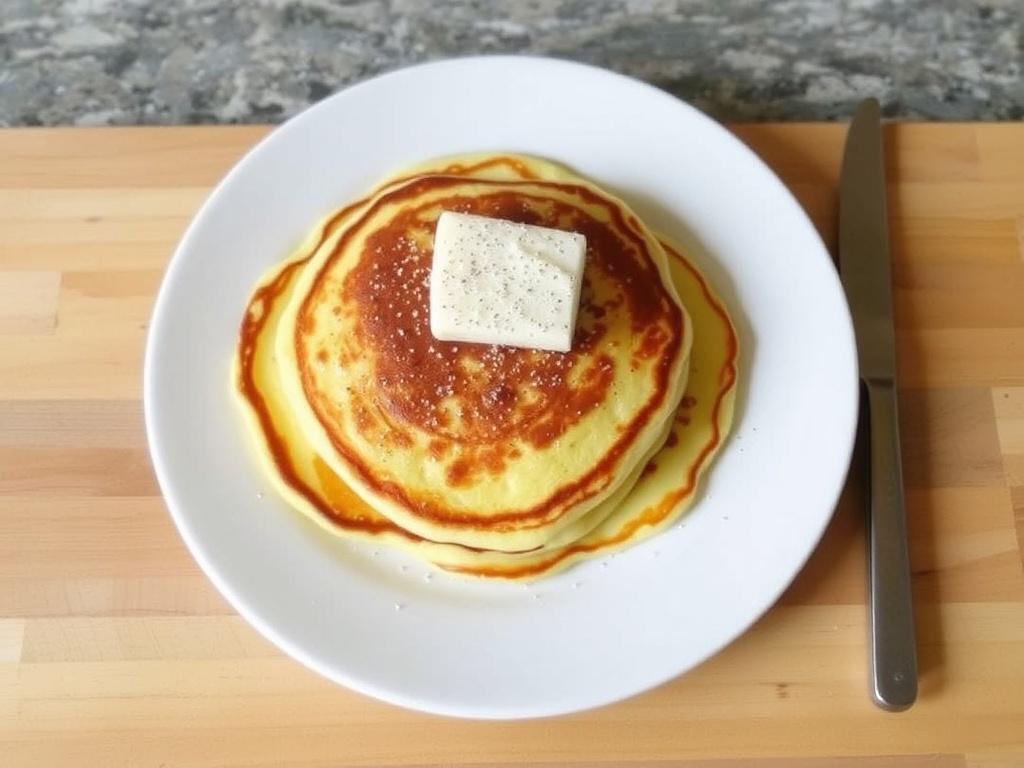
– Traditional Breton pancakes are made with 100% buckwheat flour, which is gluten-free, making them an interesting choice for those with gluten sensitivities.
– The word “galette” is used in many French regions for flat cakes, but in Brittany, it specifically refers to this buckwheat pancake.
– There’s even a legend that Breton pancakes were inspired by the local farmers’ need for a quick yet filling meal during harvest.
– The standard shape is a perfect circle, and some Breton pancakes are flipped multiple times to ensure an even, thin consistency.
– Often, a raw egg is cracked atop the pancake while cooking, allowing the heat to gently poach the egg inside, adding richness.
Nutritional Value of Breton Pancakes
Breton pancakes offer more than just delicious tastes; from a nutritional standpoint, they’re quite interesting. Buckwheat flour provides a good amount of protein and fiber and is naturally gluten-free, which appeals to people with certain dietary restrictions. Here’s a snapshot of what a typical portion might offer:
| Nutrient | Approximate Amount Per Pancake (100g) |
|---|---|
| Calories | 110-130 kcal |
| Protein | 4-5 grams |
| Carbohydrates | 20-25 grams |
| Dietary Fiber | 3-4 grams |
| Fat | 1-2 grams |
| Gluten | None |
This composition makes Breton pancakes a balanced option—energy-packed but not overly heavy, with nutrients that support digestion and sustained energy. Of course, the fillings you choose will influence the overall nutrition, but the pancakes themselves provide a solid foundation.
Popularity Across Borders: Breton Pancakes Around the World
While Breton pancakes are a cornerstone of regional French cuisine, their appeal has spread far beyond Brittany’s borders. Today, you’ll find crêperies and galette specialists in cities across Europe, the United States, Canada, and even parts of Asia. Each place adds its spin, but purists still seek out the traditional buckwheat versions. In the UK, for example, the rise of artisan food culture has ushered in more demand for authentic Breton pancakes. In the US, they have a dedicated fanbase in gourmet breakfast spots. What’s common everywhere is the respect for tradition combined with a creative spirit—chefs experimenting with fillings like smoked salmon, wild mushrooms, or even exotic cheeses while maintaining the original integrity of the pancake.
3 Best Recipes for Cooking Breton Pancakes at Home
Making Breton pancakes isn’t as intimidating as it sounds. With just a few ingredients and some practice, you can bring a bit of Brittany into your kitchen. Here are three tried-and-true recipes to get you started:
Classic Buckwheat Breton Pancakes
- 100g buckwheat flour
- 300ml water
- Pinch of salt
- Butter for frying
Mix the flour and salt, gradually add water to avoid lumps. Rest the batter for about an hour. Heat a non-stick pan, brush with butter, pour a thin layer of batter, cook until edges lift and flip. Fill with ham and cheese for an authentic experience.
Breton Pancakes with Egg and Cheese
- Classic buckwheat batter (as above)
- 1 egg
- Grated cheese (Gruyère or Emmental works great)
- Butter
Pour batter, then crack an egg carefully into the center while the pancake cooks. Sprinkle cheese before folding the edges to form a square. The warm egg and melted cheese meld beautifully with the nutty pancake.
Sweet Breton Pancakes Variation
- Mix buckwheat and some wheat flour (50/50) to lighten flavor slightly
- Add a tablespoon of sugar to the batter
- Serve with honey, berries, or caramelized apple slices
This recipe blurs the savory and sweet lines, perfect if you want a twist on tradition without losing the pancake’s integrity.
What to Eat with Breton Pancakes
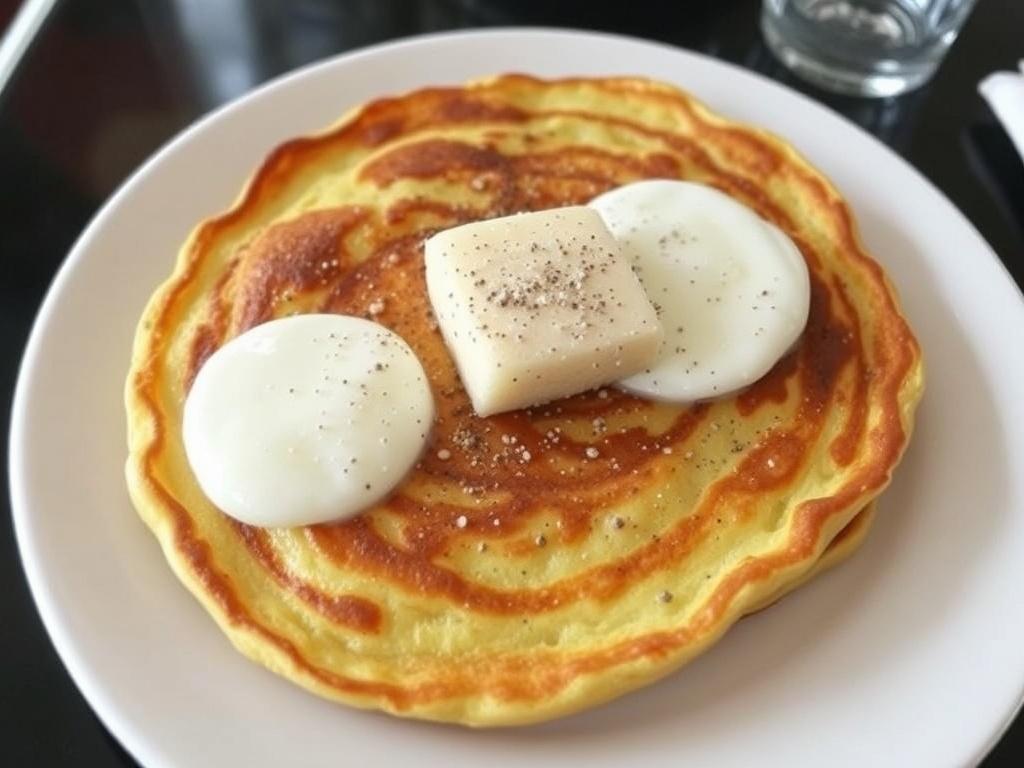
The beauty of Breton pancakes lies in their adaptability. Traditionally, savory fillings dominate, with popular options like ham, cheese, eggs, smoked salmon, sautéed mushrooms, spinach, and even ratatouille. But don’t shy away from adding a dollop of crème fraîche or some whole-grain mustard to elevate the flavors. On the sweeter side, though less typical for galettes, fruits such as apples, berries, and a drizzle of honey or maple syrup can work surprisingly well, especially if the batter is slightly tweaked.
An authentic Breton meal is often accompanied by local cider, a crisp and refreshing drink that cuts through the richness and ties the experience together. In your kitchen, pairing with a lightly sparkling apple juice or a herbal tea delivers a similar vibe.
—
Breton pancakes are more than just food; they’re a window into Brittany’s culture and the French way of celebrating simple, quality ingredients. Next time you think of pancakes, consider giving the Breton style a go—you might just discover a new favorite that brings both history and happiness to your table.


