
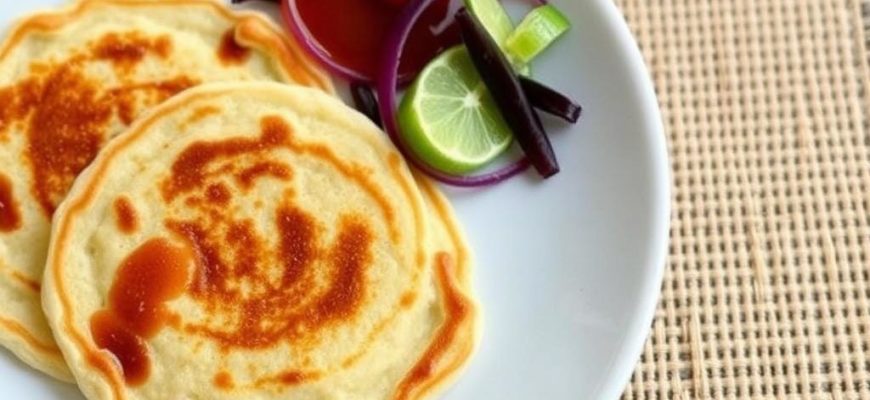
Roti Jala — imagine a pancake so delicate it looks like lace, but sturdy enough to scoop up a bowl of curry. It flutters in your hands, threaded with holes that catch sauces and spices, and somehow it turns a simple meal into something charmingly theatrical. If you’ve never seen or tasted this Southeast Asian classic, you’re in for a treat: this article will walk you through what roti jala is, where it came from, why people love it across borders, how nutritious it is, and three fail-safe recipes you can try at home. Ready to lace your plate?
- What it is Roti jala pancakes (Southeast Asian)
- History Roti jala pancakes (Southeast Asian)
- Where it first appeared Roti jala pancakes (Southeast Asian)
- Interesting facts about Roti jala pancakes (Southeast Asian)
- Nutritional value Roti jala pancakes (Southeast Asian)
- Popularity in different countries Roti jala pancakes (Southeast Asian)
- 3 best recipes for cooking Roti jala pancakes (Southeast Asian)
- 1. Classic Roti Jala (Malay style)
- 2. Eggless Vegan Roti Jala
- 3. Sweet Pandan Roti Jala (dessert twist)
- What to eat with Roti jala pancakes (Southeast Asian)
What it is Roti jala pancakes (Southeast Asian)
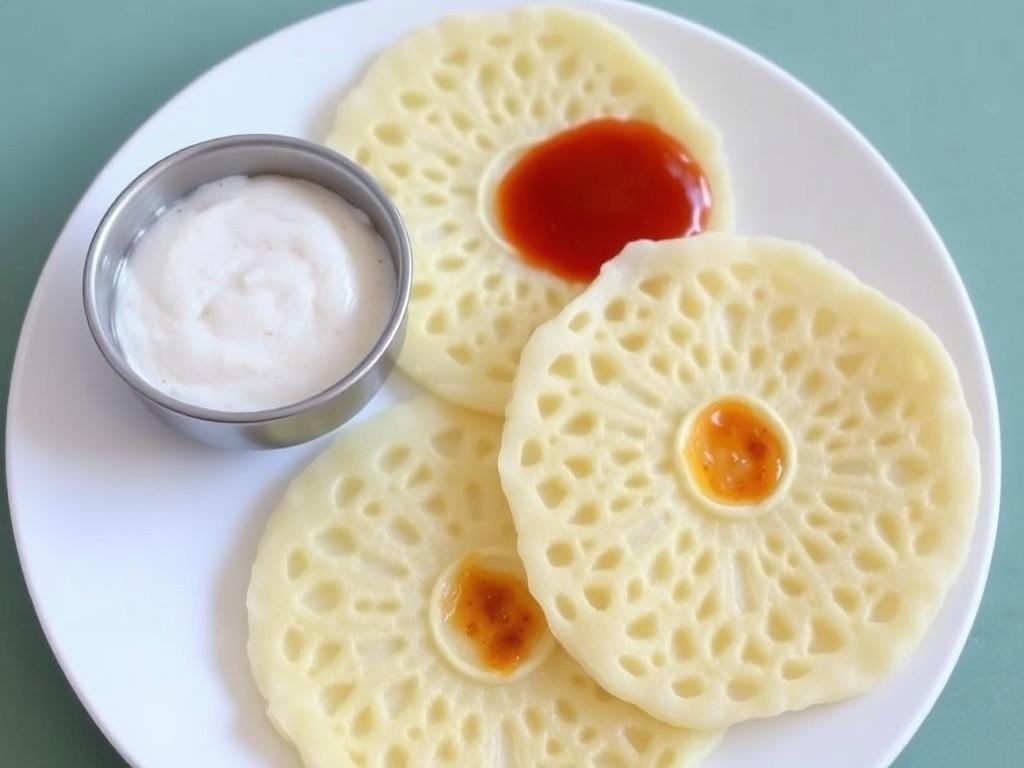
Roti jala literally means “net bread” — a thin, lacy pancake made from a batter of flour, eggs, and coconut milk or water. The batter is poured in a steady, looping stream through a special mould or a perforated cup, creating a net-like sheet that cooks quickly on a hot skillet. Once set, the sheet is rolled or folded, then served warm. Texture is soft but slightly chewy; the holes trap sauces, so roti jala is almost always paired with curries or richly sauced dishes. It’s more delicate than a roti canai and more decorative than a plain crepe.
History Roti jala pancakes (Southeast Asian)
Roti jala shows the blending of culinary influences across Southeast Asia. It’s commonly associated with Malay and Indonesian kitchens and became a household staple where coconut milk and rice or wheat flour were abundant. The technique of making batter nets may have roots in traditional street food practices where quick, visual appeal mattered. Over time, roti jala moved from market stalls to family tables and festive occasions, prized for both its look and its ability to stretch a meal — a few sheets will feed several people when paired with a hearty curry.
Where it first appeared Roti jala pancakes (Southeast Asian)
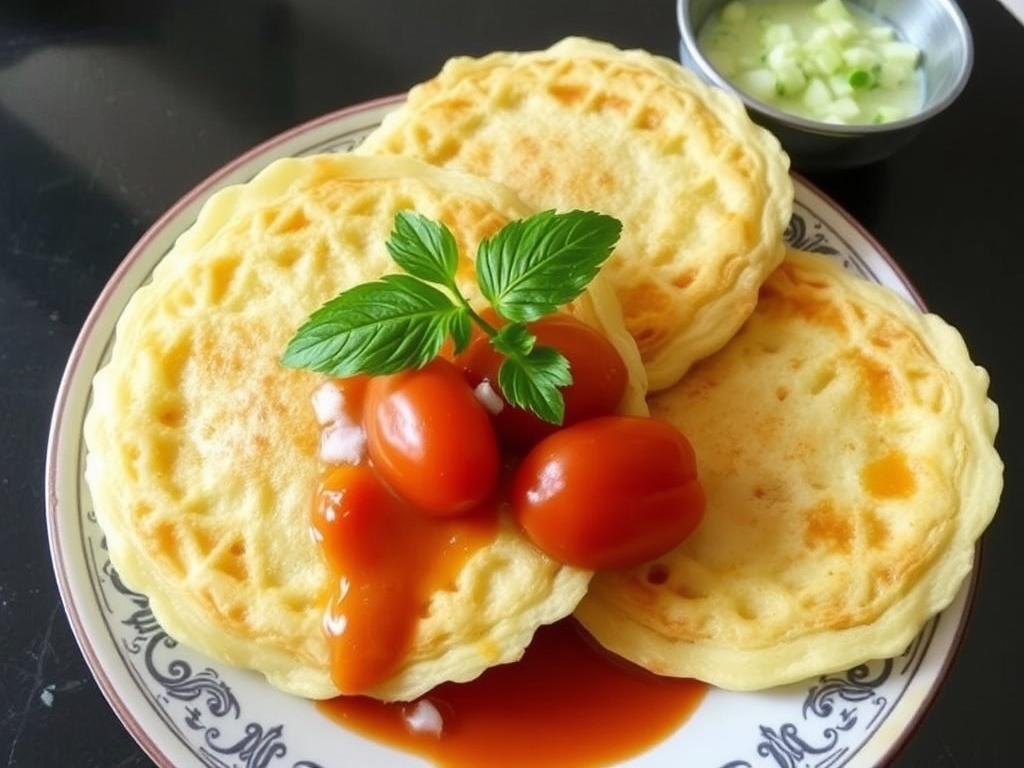
While pinpointing one village or market is tricky, roti jala is most closely linked to the Malay Peninsula — present-day Malaysia — and parts of Indonesia. From there it spread to Singapore, southern Thailand, and the Malay communities in other countries. Variations appear across islands and regions, with small changes in batter, thickness, or the use of coconut milk versus water. The dish’s popularity in Muslim festive traditions, especially during Hari Raya (Eid), helped cement its regional presence.
Interesting facts about Roti jala pancakes (Southeast Asian)
- Tools matter: a roti jala mould looks like a cup with multiple spouts, but people improvise using squeeze bottles or perforated ladles.
- Appearance vs function: the lacy pattern isn’t just for looks — those holes capture curry, so every bite is saucy and flavorful.
- Varied sweetness: some versions include turmeric for color and mild flavor; sweet roti jala, made with pandan or coconut sugar, exists too.
- Fast to cook: once the batter hits the pan, each sheet takes less than a minute to form and set.
Nutritional value Roti jala pancakes (Southeast Asian)
Below is a general breakdown for one medium roti jala (about 40–50 g). Values vary by recipe, especially with coconut milk and oil used.
| Nutrient | Per roti jala (approx.) |
|---|---|
| Calories | 80–120 kcal |
| Carbohydrates | 12–18 g |
| Protein | 2–4 g |
| Fat | 2–6 g (higher with coconut milk) |
| Fiber | 0.5–1 g |
Notes: Using whole wheat flour increases fiber and protein. Swapping coconut milk for low-fat milk reduces saturated fat. When served with a curry, the meal’s calories and fat rise, so portion and pairing matter.
Popularity in different countries Roti jala pancakes (Southeast Asian)
Roti jala is beloved in Malaysia and Indonesia, popping up at hawker stalls, home kitchens, and festive buffets. In Singapore it’s a familiar Malay snack. In southern Thailand you’ll find similar lacy pancakes adapted to local spices. Outside Southeast Asia, roti jala appears in diaspora communities and at specialty restaurants that showcase Malay or Indonesian cuisine. Its visual appeal makes it a hit on social media and food festivals, and home cooks like it because a little batter goes a long way.
3 best recipes for cooking Roti jala pancakes (Southeast Asian)
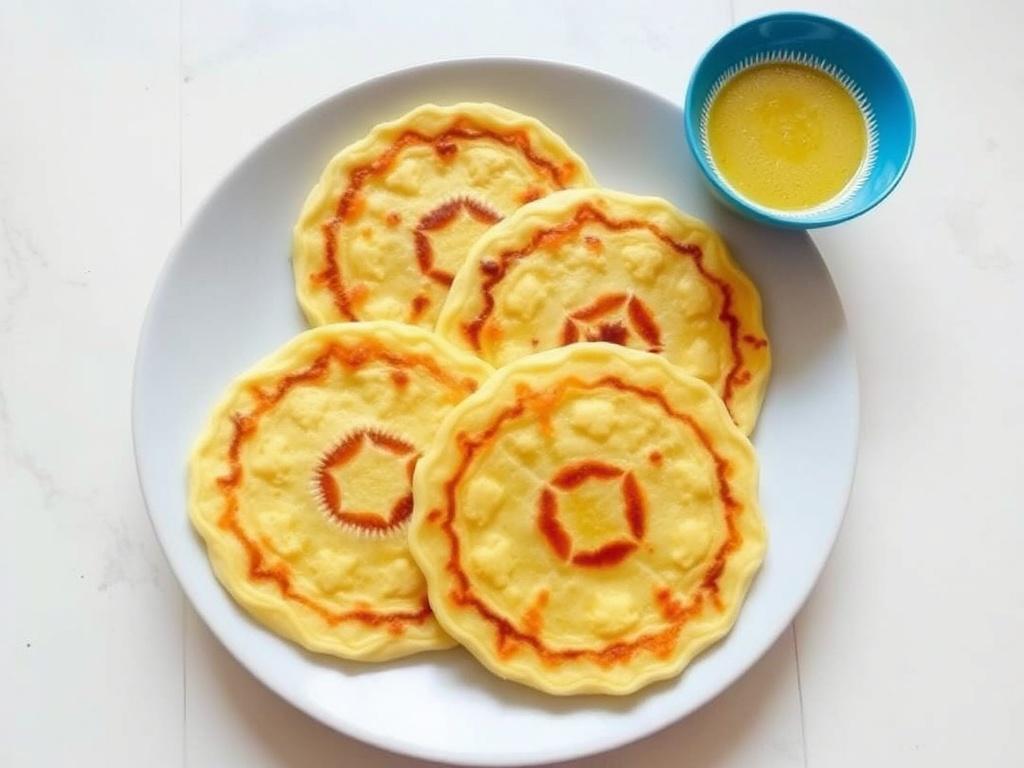
1. Classic Roti Jala (Malay style)
- Ingredients: 200 g all-purpose flour, 2 eggs, 300 ml coconut milk (or mix with water), 1/2 tsp salt, 1/2 tsp turmeric (optional), oil for pan.
- Method: Whisk flour, eggs, and coconut milk to a smooth, thin batter. Strain if needed. Fill a roti jala mould or squeeze bottle. Heat a nonstick pan, grease lightly, then drizzle batter in circular patterns until a lace sheet forms. Cook 30–45 seconds, flip briefly, remove. Fold or roll and serve with curry.
2. Eggless Vegan Roti Jala
- Ingredients: 200 g flour (can mix with chickpea flour for protein), 350 ml coconut milk or plant milk, 1 tbsp oil, 1/2 tsp salt.
- Method: Mix until smooth and slightly thinner than pancake batter. Let rest 10–15 minutes. Use mould to create lacy sheets on a hot oiled skillet. Cook quickly; oil pan between batches to prevent sticking. Great with dhal or vegetable curry.
3. Sweet Pandan Roti Jala (dessert twist)
- Ingredients: 200 g flour, 2 eggs, 250 ml coconut milk, 2 tbsp pandan juice (or pandan extract), 1–2 tbsp sugar, pinch of salt.
- Method: Combine ingredients into a smooth batter. Make lacy sheets as before but keep them thin. Serve rolled with sweetened coconut, palm sugar syrup, or a drizzle of condensed milk.
What to eat with Roti jala pancakes (Southeast Asian)
Roti jala shines with saucy companions. Classic pairings:
- Chicken curry (rendang-style or mild curry)
- Beef or lamb curries with rich gravy
- Spicy prawn or fish curry
- Vegetable or dhal curry for a vegetarian option
- For dessert versions, coconut jam, palm sugar syrup, or sweet coconut cream
Tips: Serve roti jala warm and slightly tacky for best sauce absorption. If stacking sheets, place a damp cloth over them to keep them pliable.
Concluding note: Roti jala is simple to master and generous on charm. A little practice with the pouring technique pays off quickly. Make a batch, ladle out a fragrant curry, and you’ll see why this lacy pancake has held its spot on Southeast Asian plates for generations.


