
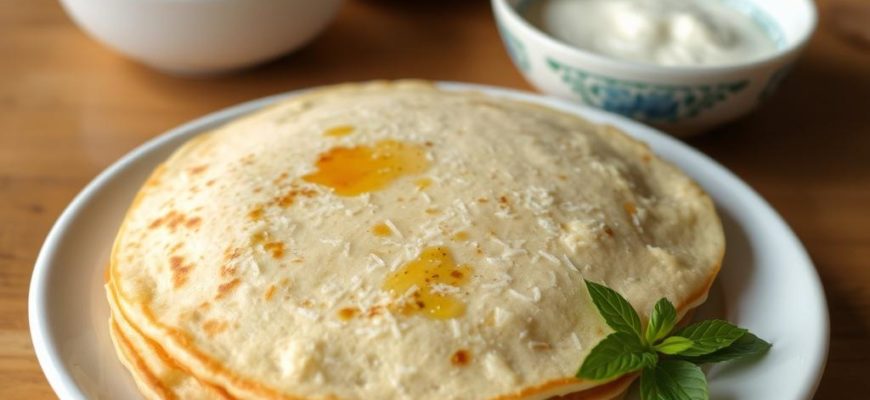
Imagine strolling through a bustling Thai street market just as the sun begins to set. The air is filled with the interplay of fragrant spices and sugar, and there’s a tiny, sizzling cart capturing your attention with its colorful, crispy delights. These aren’t your everyday pancakes. Crafted with precision and bursting with unique flavors, Thai Khanom Buang pancakes invite you to taste a piece of Thailand’s culinary heritage. If you’re curious about what makes these crispy, sweet-and-savory treats so special, keep reading — you’re in for a tasty journey that goes beyond ordinary pancakes.
- Unwrapping the Essence of Thai Khanom Buang Pancakes
- The Story Behind Thai Khanom Buang Pancakes
- The Origins: Where Thai Khanom Buang Pancakes First Appeared
- Little-Known Gems: Interesting Facts About Thai Khanom Buang Pancakes
- The Nutritional Aspects of Thai Khanom Buang Pancakes
- Global Reach: Popularity of Thai Khanom Buang Pancakes Abroad
- Three Best Recipes to Make Thai Khanom Buang Pancakes at Home
- Classic Sweet Khanom Buang
- Savory Shrimp and Coconut Filling
- Vegetarian Version with Sweet Coconut and Corn
- Perfect Pairings: What to Eat with Thai Khanom Buang Pancakes
Unwrapping the Essence of Thai Khanom Buang Pancakes
Thai Khanom Buang pancakes are thin, crispy crepes that come folded or rolled, often filled with either sweet or savory fillings. Picture a delicate shell that crackles lightly under your bite, revealing a combination of either sweet coconut cream and golden threads of egg yolk (foi thong) or savory fillings like shredded coconut with minced shrimp. The contrast between the crunchy exterior and soft, often sticky, filling creates a delightful mouthfeel that’s part dessert, part street snack, and entirely addictive. Unlike the fluffy pancakes many are familiar with, Khanom Buang boasts a texture that’s surprising and refreshing.
The Story Behind Thai Khanom Buang Pancakes
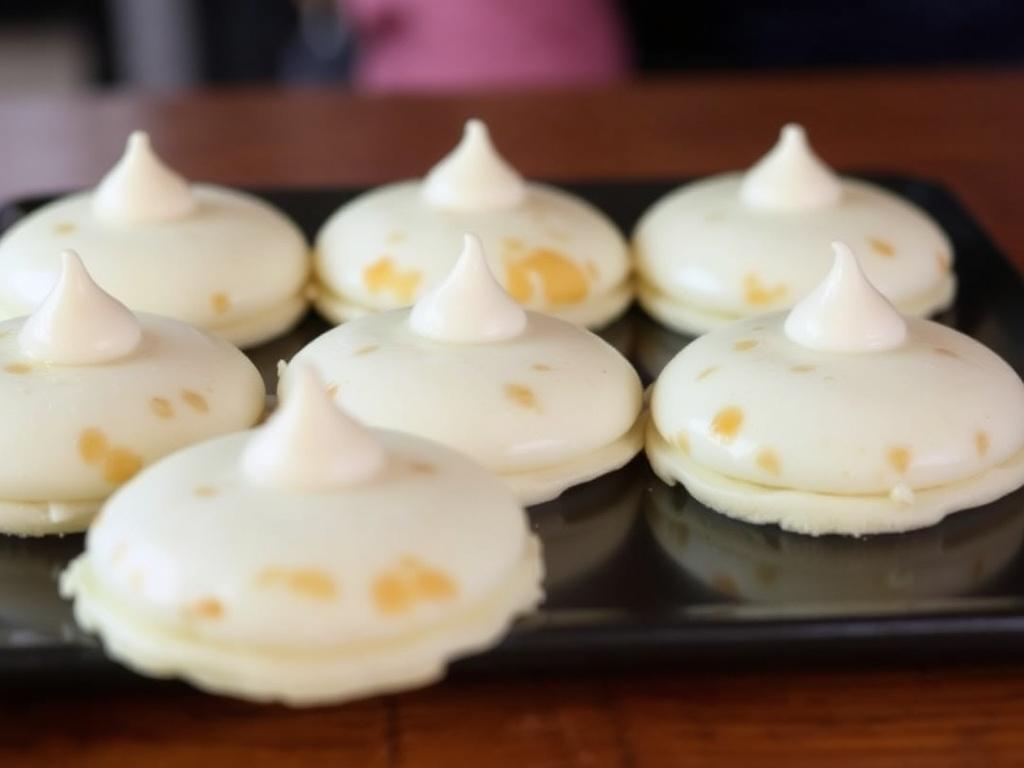
Tracing back centuries, Thai Khanom Buang pancakes have a history that intertwines with the cultural influences in the region. These treats are believed to have been influenced by French crepes introduced during diplomatic and trade exchanges, yet they have evolved into something uniquely Thai. Traditionally sold by street vendors, Khanom Buang carried an aura of festival food, enjoyed during celebrations and temple fairs. Their design — thin, folded pancakes with bright, eye-catching fillings — made them stand out in the busy, aromatic streets of old Siam.
The Origins: Where Thai Khanom Buang Pancakes First Appeared
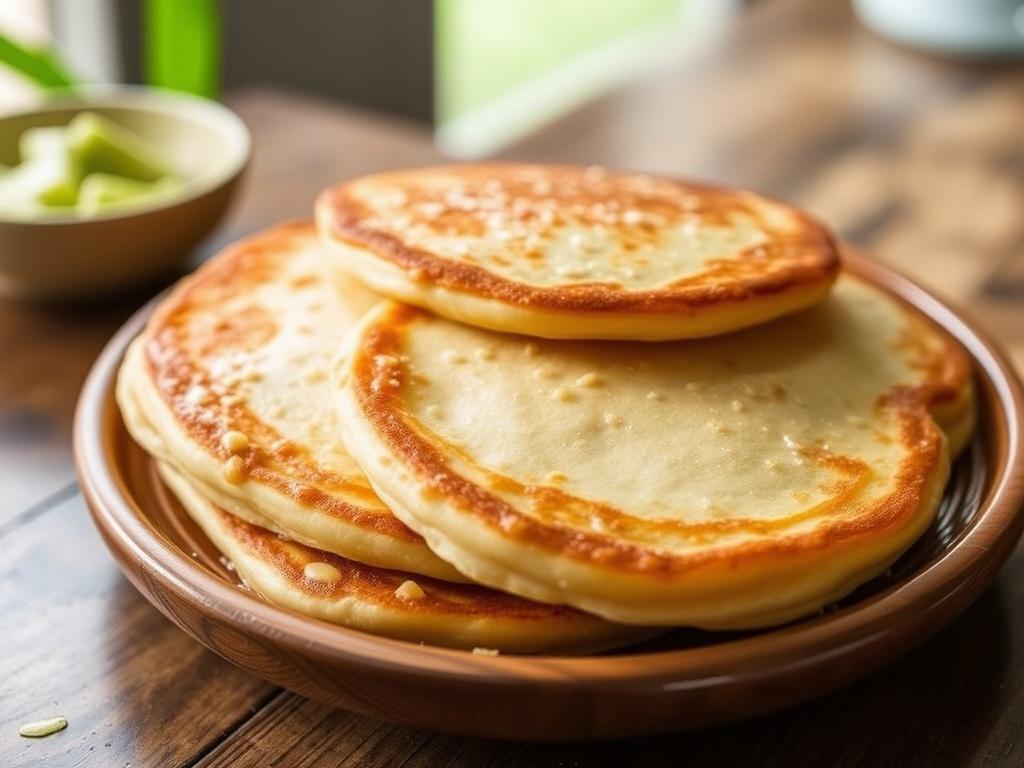
Though Thai street food is a melting pot of influences, Khanom Buang is said to have its roots firmly planted in central Thailand, especially Bangkok’s historic areas. Markets like Pak Khlong Talad still feature vendors specializing in this snack, making it a staple that locals and visitors alike seek out. Over time, Khanom Buang spread from these cultural hubs to other parts of the country, each region adding its own twist and twist to fillings or preparation techniques. It’s fascinating how regional tastes have shaped what now feels like a national treasure.
Little-Known Gems: Interesting Facts About Thai Khanom Buang Pancakes
There are plenty of tidbits that make Khanom Buang even more intriguing:
- The golden threads often found in sweet Khanom Buang are called “foi thong,” made from egg yolks and sugar, symbolizing longevity and good fortune in Thai culture.
- The pancake batter contains rice flour mixed with coconut cream, which is why it fries up crisp and slightly fragrant.
- Khanom Buang vendors often use a squeeze bottle to skillfully spread the batter on a hot griddle, creating that signature thin shell.
- Its history connects to ancient desserts, showing the Thai love of combining texture and taste in innovative ways.
These layers of meaning and craftsmanship make each bite a story on its own.
The Nutritional Aspects of Thai Khanom Buang Pancakes
At first glance, these crispy treats might seem indulgent, but their nutritional profile tells a more nuanced story. Made from rice flour, coconut cream, and eggs, Khanom Buang offers a modest amount of carbohydrates and fats. The coconut cream adds healthy fats like medium-chain triglycerides (MCTs), which can be easier to digest compared to other fats, while the egg yolks provide protein.
Here’s a quick glance at an estimated nutritional breakdown for one pancake (standard serving):
| Component | Amount |
|---|---|
| Calories | 90-120 kcal |
| Carbohydrates | 10-15 g |
| Fat | 6-8 g |
| Protein | 2-3 g |
| Sugar | 4-6 g |
Of course, the exact values change depending on fillings, especially sweet ones that may add sugars. Still, compared to heavier desserts, Khanom Buang feels light and satisfying.
Global Reach: Popularity of Thai Khanom Buang Pancakes Abroad

While firmly a street food favorite in Thailand, Khanom Buang has been making waves internationally thanks to Thai restaurants and food festivals worldwide. Cities like Los Angeles, London, and Sydney with vibrant Thai communities showcase Khanom Buang as part of their dessert menus or street food events. Its unique texture and visually appealing presentation catch interest quickly, especially among foodies eager to try authentic regional recipes beyond Pad Thai or Tom Yum soup.
Social media also fuels their fame—beautiful photos of golden pancakes with bright orange threads and snowy coconut topping inspire adventurous home cooks and chefs alike to experiment. This spreading love keeps Khanom Buang in the spotlight and raises awareness of Thai culinary diversity.
Three Best Recipes to Make Thai Khanom Buang Pancakes at Home
Cooking Khanom Buang at home might seem tricky but, with some guidance, you can recreate its charm in your kitchen.
Classic Sweet Khanom Buang
- Mix rice flour with coconut cream and a pinch of salt.
- Heat a non-stick pan and pour a thin layer quickly, forming a crispy base.
- Top with whipped coconut cream and sprinkle with golden foi thong (egg yolk threads).
- Fold gently and serve warm.
Savory Shrimp and Coconut Filling
- Prepare the pancake shell as above.
- Sauté shredded coconut with chopped shrimp, garlic, and a pinch of chili flakes.
- Spoon the savory mixture onto the shell, fold, and enjoy.
Vegetarian Version with Sweet Coconut and Corn
- Use the standard batter.
- Spread sweetened coconut cream and scatter fresh or cooked corn kernels.
- Fold the pancake and savor the unexpected sweetness balanced by corn’s texture.
Perfect Pairings: What to Eat with Thai Khanom Buang Pancakes
While Khanom Buang can shine alone, pairing them thoughtfully enhances the experience. Traditional Thai iced tea or a cup of hot jasmine tea match beautifully, cutting through sweetness with a bit of bitterness. For a savory twist, try fresh cucumber slices or a lightly spiced dipping sauce on the side. If you want to lean into dessert territory, fresh tropical fruits — think mango or pineapple — offer juicy contrast.
This snack’s balance between sweet and savory means you have room to experiment. After all, the joy lies in discovery, just like Thai cuisine itself.
—
So next time you’re tempted to explore Thai treats beyond the usual fare, give Khanom Buang a shot. Its crisp shells, handcrafted fillings, and centuries-old charm will surprise you in the best way. Cooking it yourself can even feel like joining a centuries-old tradition, one golden bite at a time.


