
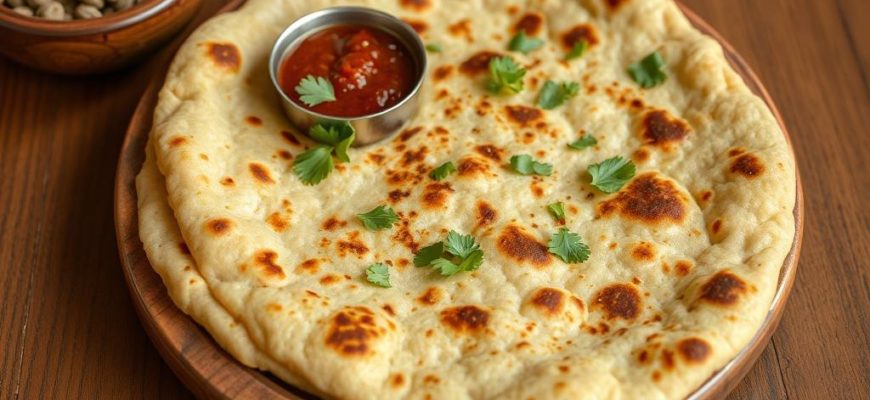
I’ve got a confession: the moment I first saw Pashti Indian flatbread on a market stall photo, I wanted to peel back its layers and taste the story inside. It looks simple — flour, water, heat — but then you glimpse the crisp edges, the soft middle, the little bubbles like tiny promises, and suddenly you want to know everything: where it comes from, how people make it at home, what to pair it with, and whether you can pull it off on your stovetop tonight. If you love honest, unfussy bread that fits any meal, Pashti Indian flatbread deserves a place on your weekly roster.
- What Pashti Indian flatbread really is
- Typical ingredients and basic technique
- Where Pashti Indian flatbread likely first appeared
- The backstory and history of Pashti Indian flatbread
- Interesting facts about Pashti Indian flatbread
- Nutritional value of Pashti Indian flatbread
- Popularity of Pashti Indian flatbread around the world
- Three best recipes for cooking Pashti Indian flatbread
- Recipe 1 — Basic Pashti (plain, quick)
- Recipe 2 — Stuffed potato Pashti (aloo-stuffed)
- Recipe 3 — Layered ghee Pashti (flaky style)
- What to eat with Pashti Indian flatbread
What Pashti Indian flatbread really is
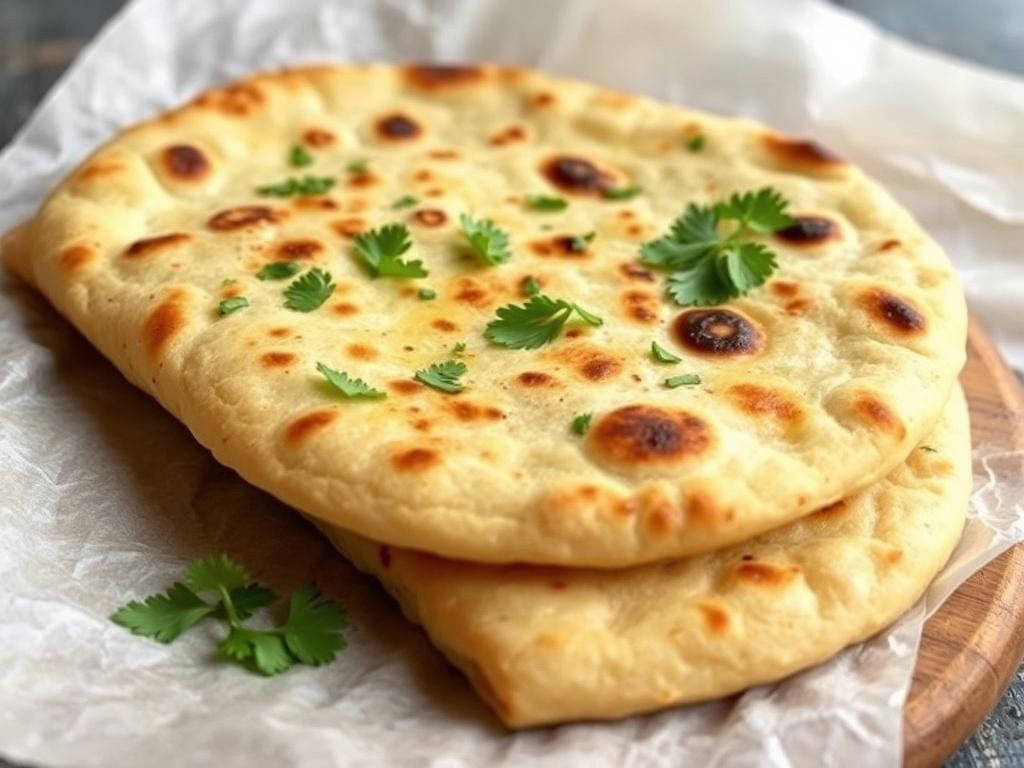
Pashti Indian flatbread is a simple, unleavened bread made from a handful of pantry staples. Imagine a roti’s approachable texture combined with the flaky charm of a paratha — that’s the feel. Dough is usually wheat-based, sometimes mixed with a little semolina or all-purpose flour for contrast, and cooked on a hot griddle until it develops golden patches and an inviting chew. It’s not fussy, which is its biggest appeal: quick to make, easy to vary, and able to soak up sauces or cradle fillings with equal grace.
Typical ingredients and basic technique
- Flour: whole wheat (atta) or a blend with all-purpose flour
- Water: warm to bring the dough together
- Salt: just a pinch to season
- Fat (optional): oil, ghee, or butter to enrich and help with layering
The technique is straightforward: mix flour and salt, add water gradually to form a soft dough, rest briefly, portion into balls, roll or pat flat, and cook on a hot tawa or skillet. For layered Pashti, oil or ghee is spread, the dough folded and rolled to create thin strata that separate on cooking.
Where Pashti Indian flatbread likely first appeared
Pinpointing a single birthplace for Pashti is tricky because it belongs to a broad family of Indian flatbreads that evolved across households rather than in a single kitchen. Many such breads grew out of rural, everyday cooking where grain, water, fire and a heavy skillet were constants. Pashti’s closest cousins are roti, phulka, and paratha, so it likely arose in regions where wheat is a staple and pan-cooking is common. Think of it as a regional home-style creation rather than a formal, traceable invention.
The backstory and history of Pashti Indian flatbread
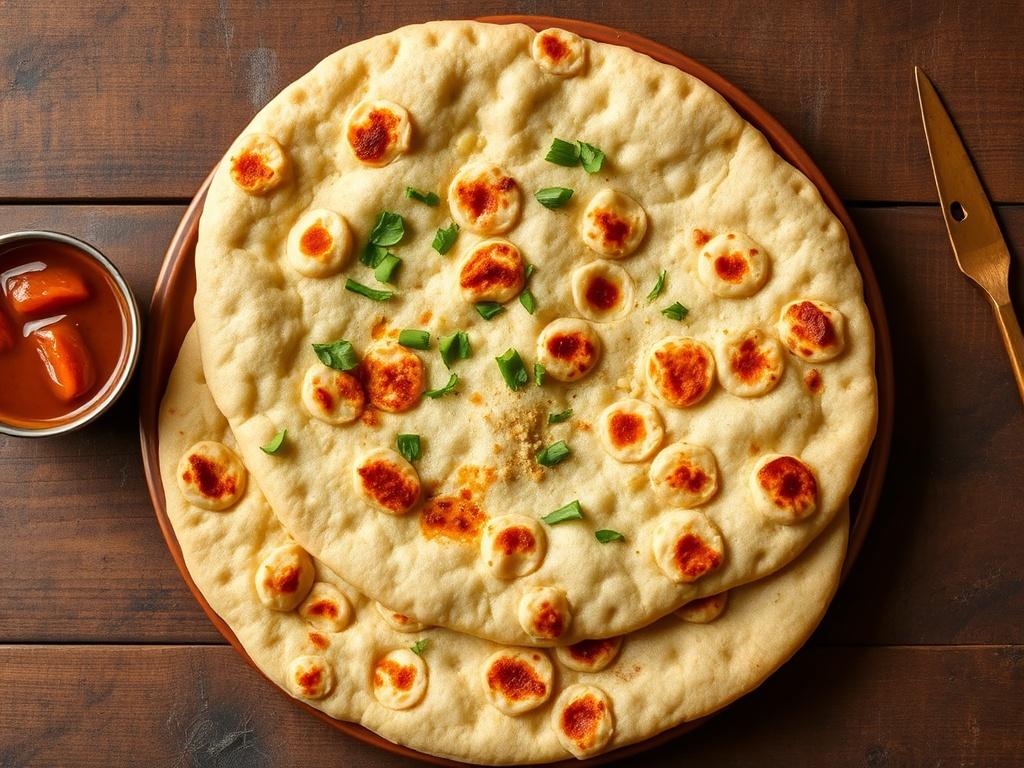
There isn’t a glossy origin tale with dates and a single inventor. What we do know about breads like Pashti is that they tell a social history: simple doughs fed families, traveled with migrations, adapted to local flours and fats, and turned up at breakfast tables and festival spreads alike. Over generations, small tweaks — adding ghee, stuffing spiced potatoes, or rolling extra-thin — created dozens of recognizable variations. Pashti’s story is communal; it evolves every time someone presses dough into a skillet and shares the result.
Interesting facts about Pashti Indian flatbread
- Versatility: Pashti can be plain, layered, stuffed, or pan-fried — the same dough, many personalities.
- Speed: a basic Pashti can be on the table in 30 minutes, which is why it’s cherished for weekday meals.
- Texture play: by changing flour ratios or folding in fat, you can shift it from tender to flaky.
- Portable: cooled Pashti stores well and makes a great lunchbox item when wrapped in paper.
Nutritional value of Pashti Indian flatbread
Exact numbers vary by recipe and size, but a typical 60–70 g plain whole-wheat Pashti contains roughly:
| Component | Approximate amount |
|---|---|
| Calories | 160–200 kcal |
| Carbohydrates | 28–35 g |
| Protein | 4–6 g |
| Fat | 2–6 g (higher if ghee/oil used) |
| Fiber | 2–4 g (higher with whole wheat) |
If you stuff it with potatoes or fry it in oil, calories and fat go up. For a lighter option, use whole-wheat flour and minimal oil, and pair Pashti with protein-rich dal or yogurt.
Popularity of Pashti Indian flatbread around the world
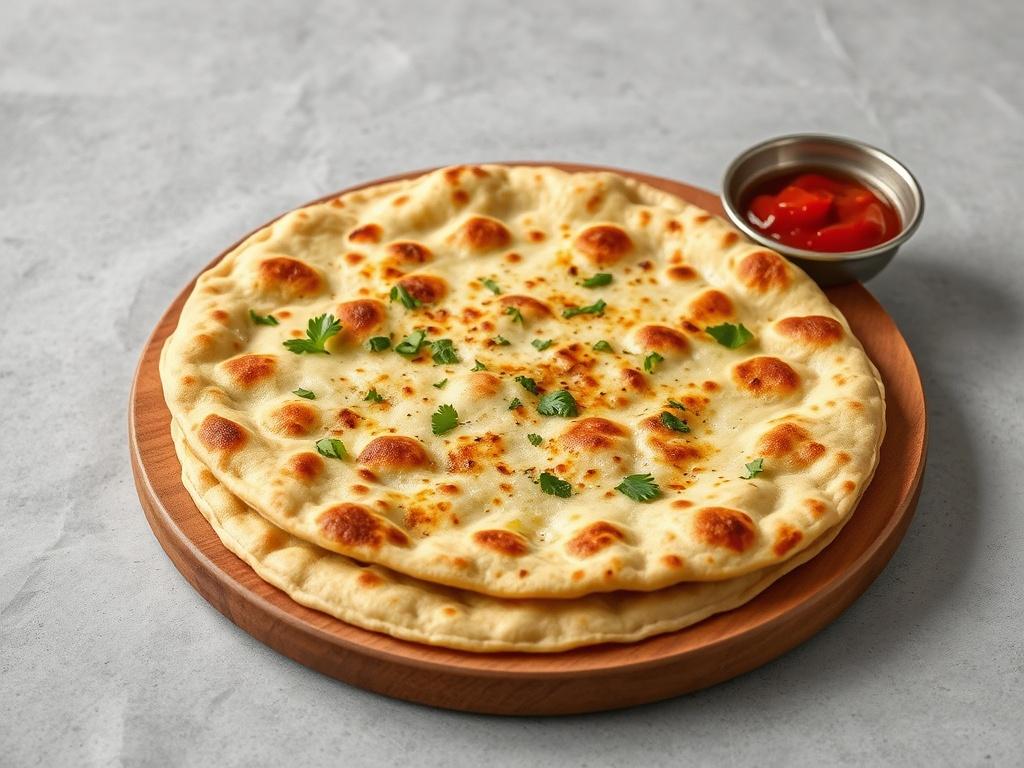
While not as internationally famous as naan or paratha, Pashti and similar household flatbreads travel with the diaspora. In Indian restaurants outside India you’ll find plenty of roti and paratha options; Pashti shows up more commonly in home-cooking circles and regional eateries. In the UK, US, Middle East and Southeast Asia, people who grew up with flatbreads keep making them — and newcomers discover them via food markets, fusion cafés, and cooking blogs. The reason it spreads is simple: Pashti is adaptable, easy, and satisfying.
Three best recipes for cooking Pashti Indian flatbread
Recipe 1 — Basic Pashti (plain, quick)
- Ingredients: 2 cups whole-wheat flour, ¾ cup warm water (adjust), ½ tsp salt, 1 tbsp oil (optional)
- Method: Mix flour and salt; add water gradually to form a soft dough. Rest 15 minutes. Divide into 8 balls, roll to 15 cm circles, cook on medium-high skillet 1–2 minutes each side until golden. Brush with ghee if you like.
Recipe 2 — Stuffed potato Pashti (aloo-stuffed)
- Ingredients: Basic dough plus filling of mashed potatoes, cumin, chopped cilantro, chopped green chili, salt, and a pinch of garam masala.
- Method: Roll small discs, place 1–2 tbsp filling, fold and seal, gently roll out to flatten without bursting, cook on skillet with a little oil until crisp and golden.
Recipe 3 — Layered ghee Pashti (flaky style)
- Method: Roll dough thin, brush with ghee, fold like a fan or roll into a log and coil, flatten and roll again into a circle. Cook on hot pan; layers separate into flaky ribbons.
What to eat with Pashti Indian flatbread
Pashti loves company. Try it with:
- Dal (lentil curry) for a comforting, protein-rich bowl
- Vegetable curries — potato, cauliflower, or spinach-based gravies
- Plain yogurt or raita to cut spice and add creaminess
- Pickles and chutneys for bright, punchy flavors
- Grilled meats or kebabs for a heartier plate
It also makes a great wrap: spread chutney, add salad greens and roasted veg, roll and eat on the go.
If you’ve never made a Pashti before, start with the basic recipe, play with textures, and keep track of what you like: a crisper edge, a softer middle, or a lush ghee finish. It’s forgiving, quick, and rewarding — the sort of bread that becomes a quiet favorite at home.


