

You know, there’s something magical about pancakes that goes beyond breakfast tables worldwide. But Eastern European pancakes? They carry a story, a tradition, and a taste that’s hard to find anywhere else. These aren’t just your standard fluffy rounds doused in syrup. Instead, they come filled with history, culture, and flavors that echo centuries of family recipes and regional twists. Once you dive into the world of Eastern European pancakes, you realize they’re more than just food—they’re a charming invitation into the heart of the region. Ready to unwrap the secrets behind these delicious creations and maybe even try making a few yourself? Keep reading, because this is just the beginning.
- Understanding What Eastern European Pancakes Really Are
- The Texture and Flavor That Set Them Apart
- The Story Behind Eastern European Pancakes: A Taste of History
- How Pancakes Mark Celebrations
- Origins: Tracing Where Eastern European Pancakes First Appeared
- The Spread Across Borders
- Curious Facts About Eastern European Pancakes That You Might Not Know
- The Nutritional Value of Eastern European Pancakes
- Balancing Calories and Ingredients
- How Popular Are Eastern European Pancakes Today Across Countries
- Modern Twists and Global Appeal
- Three Must-Try Recipes for Making Eastern European Pancakes at Home
- What to Enjoy Alongside Eastern European Pancakes
- The Perfect Drink Pairings
Understanding What Eastern European Pancakes Really Are
First off, let’s clear up what makes Eastern European pancakes distinct. Unlike the typical American pancake thick and fluffy style, Eastern European pancakes tend to be thinner, more like crepes, but not quite the same as French ones either. They often go by names like blini, nalysnyky, or palatschinke, depending on where you are. These pancakes can be made from buckwheat, wheat, or sometimes even potato-based batters. A big part of their charm lies in how versatile they are. You can find them rolled, folded, or stacked, filled with everything from sweet cheeses and jams to savory meats and mushrooms. The combinations seem endless, each reflecting local ingredients and time-honored techniques.
The Texture and Flavor That Set Them Apart
The batter is usually thin but not watery, which allows for a delicate, somewhat elastic texture. The use of ingredients like kefir, sour cream, or yeast in the batter often gives them a slight tang or subtle depth in flavor. That little twist sets them apart from the standard pancake and makes these traditional Eastern European pancakes uniquely satisfying.
The Story Behind Eastern European Pancakes: A Taste of History
Eastern European pancakes have traveled through time alongside the people who created and cherished them. They date back to medieval times when simple, hearty meals were a necessity. Villages, especially in Slavic countries like Russia, Ukraine, and Poland, passed down these recipes through generations, often adapting them with what was on hand seasonally. A rural kitchen could transform basic flour and eggs into a meal that was both comforting and festive.
How Pancakes Mark Celebrations
Interestingly, these pancakes often held ceremonial importance. They were a staple during Maslenitsa, a Slavic festival celebrating the end of winter, symbolizing the sun’s warmth through their round, golden shape. This deep cultural meaning is why you see this food more frequently during specific holidays, yet at the same time, it lives in everyday homes as a versatile comfort dish.
Origins: Tracing Where Eastern European Pancakes First Appeared
Pinpointing the exact birthplace of these pancakes is tricky because various regions claim versions of them. It’s safe to say they originated somewhere in the vast expanse of Eastern Europe, spreading across country borders over centuries. Ancient Slavic tribes and nomadic groups introduced early pancake versions, which then evolved within local culinary traditions.
The Spread Across Borders
For example, blini are strongly connected to Russia and Belarus. Meanwhile, palatschinke trace roots to Hungary and Romania, and nalysnyky are particularly popular in Ukraine. Each area puts its own spin on the basic pancake concept, borrowing and lending ideas as people migrated or traded.
Curious Facts About Eastern European Pancakes That You Might Not Know
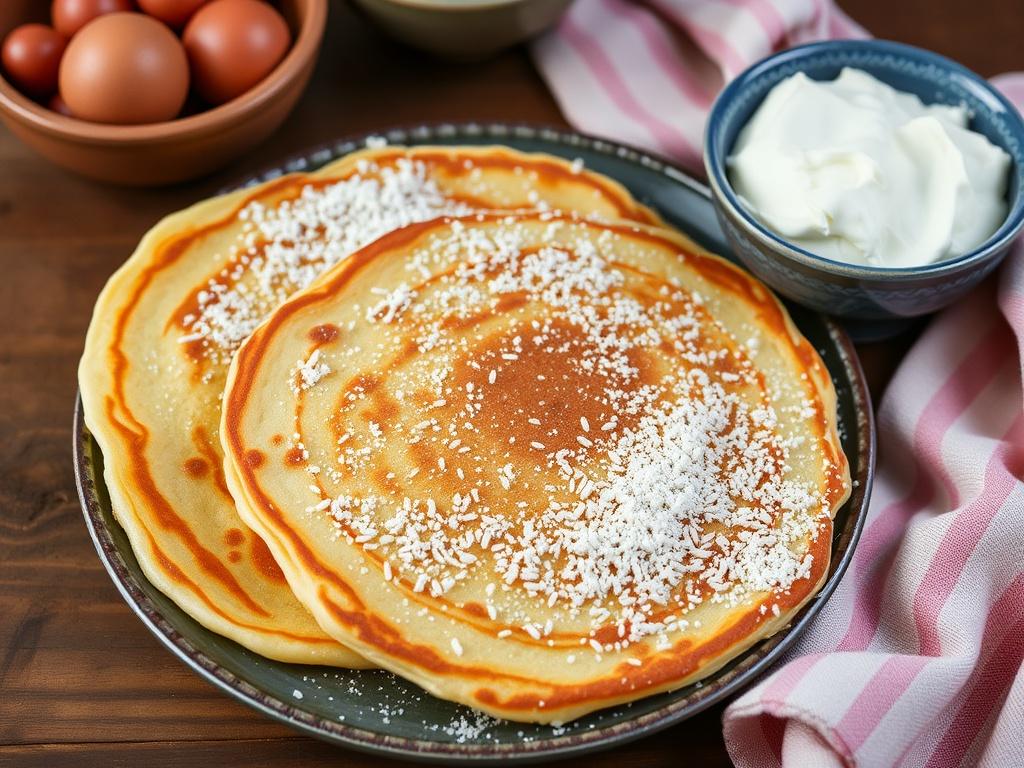
– In some parts, the batter is fermented overnight to develop a complex sour flavor.
– Traditionally, pancakes were fried in cast-iron pans, giving them their signature crisp edges.
– In Ukraine, it’s common to eat pancakes with honey and smetana (a type of sour cream), a duo that balances sweet and tangy perfectly.
– Some recipes include potatoes to make the pancakes a bit more filling, especially in rural diets.
– Pancakes were sometimes used as offerings in folk rituals, symbolizing prosperity and abundance.
The Nutritional Value of Eastern European Pancakes
While delicious, these pancakes pack some decent nutrition that often gets overlooked. They generally provide a good mix of carbohydrates and protein, especially when filled with cheese or meat. If the batter is made using buckwheat flour, which is common in blini recipes, it adds fiber, B vitamins, and essential minerals like magnesium. The use of fermented ingredients like kefir or sour cream also introduces probiotics, which support digestion.
Balancing Calories and Ingredients
Depending on fillings and toppings, calorie counts can vary widely. Opting for fresh fruits, cottage cheese, or mushroom fillings keeps things light, while heavy creams or sausages will add richness and more calories. It’s a meal that can easily fit into both everyday lunches and indulgent weekend feasts.
How Popular Are Eastern European Pancakes Today Across Countries
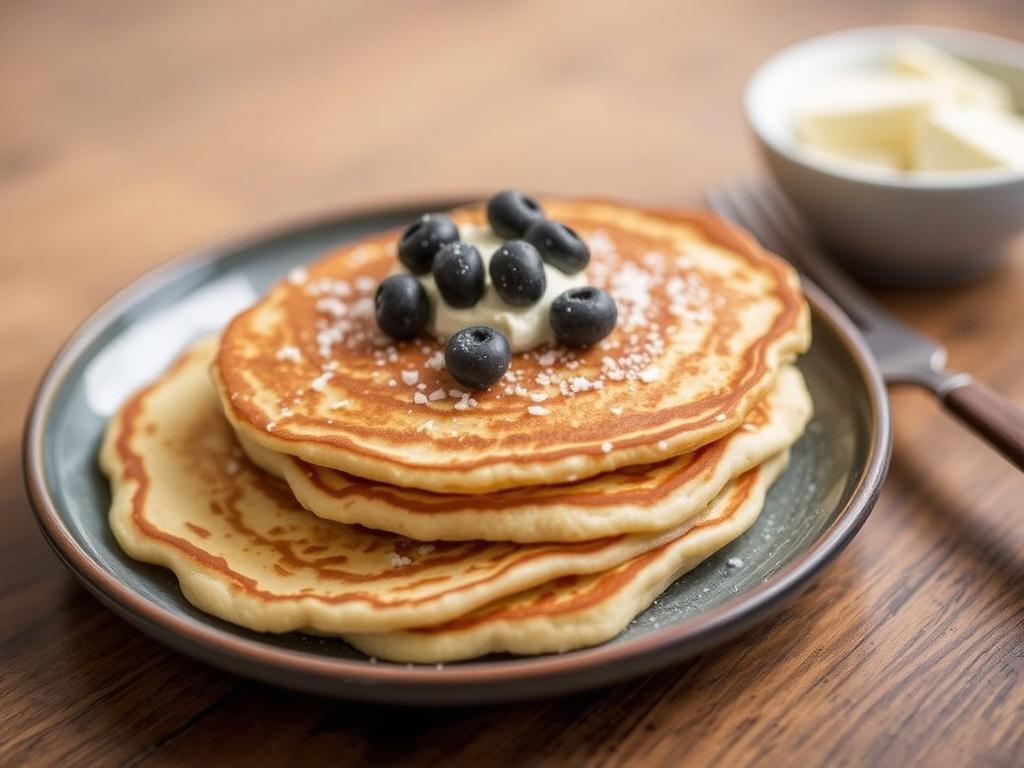
These pancakes haven’t stayed locked in history—they’re alive and kicking in kitchens throughout Eastern Europe and beyond. Countries like Poland, Russia, Ukraine, Hungary, and Romania still serve up these treats regularly. You’ll find them at street fairs, local markets, and family tables.
Modern Twists and Global Appeal
Even outside Eastern Europe, food enthusiasts are catching on. Chefs and home cooks worldwide experiment with these pancakes, often fusing traditional fillings with contemporary flavors. Vegan, gluten-free, or even fusion recipes combining Eastern European pancakes with Mexican or Asian ingredients are on the rise.
Three Must-Try Recipes for Making Eastern European Pancakes at Home
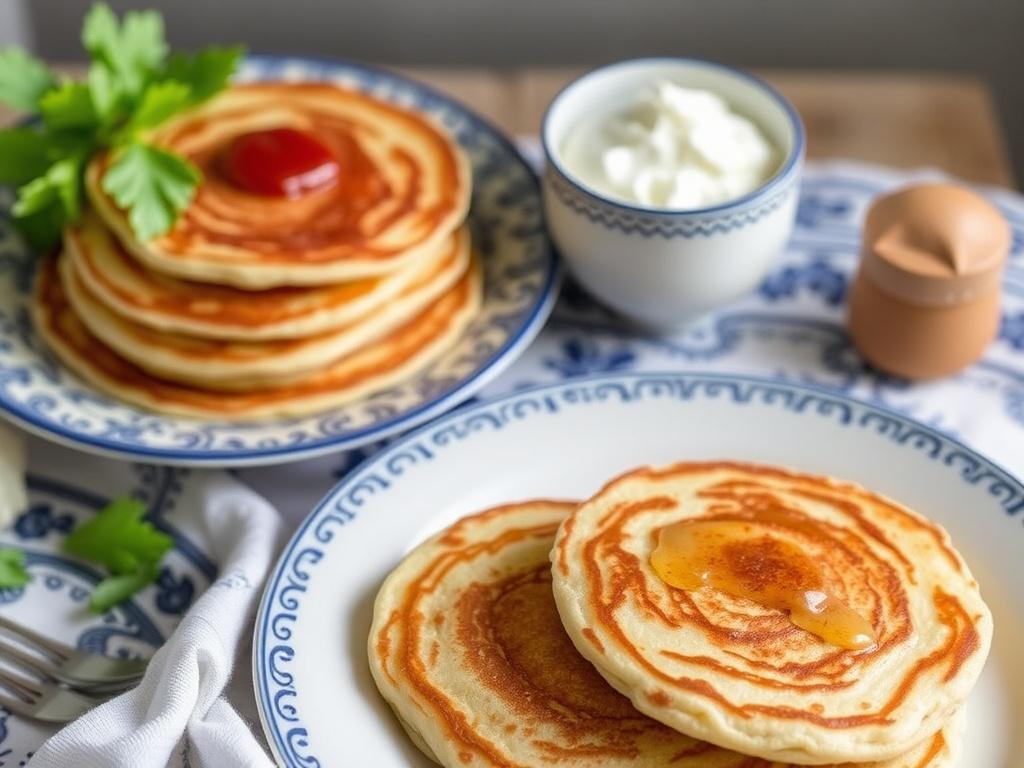
Here are three classic recipes, easy to master and oh so rewarding:
| Recipe | Main Ingredients | Description | Filling Ideas |
|---|---|---|---|
| Russian Blini | Buckwheat flour, kefir, eggs, yeast | Light, slightly sour pancakes with a tender texture | Smoked salmon and sour cream, or sweetened farmer’s cheese |
| Ukrainian Nalysnyky | Wheat flour, milk, eggs | Thin crepe-like pancakes, folded around filling | Cheese and herbs, or ground meat and mushrooms |
| Hungarian Palatschinke | Flour, eggs, milk, sugar | Golden crepes often with a sweet twist | Apricot jam, nutella, or sweetened cottage cheese |
What to Enjoy Alongside Eastern European Pancakes
These pancakes don’t stand alone—they deserve to be paired thoughtfully. Classic toppings and sides vary from salty to sweet. Sour cream is practically a must-have, bringing a cool, creamy contrast. Homemade jams, honey, or a sprinkle of powdered sugar highlight the sweeter side. On the savory front, pickles, sautéed mushrooms, or fresh herbs complement nicely. For heartier meals, borscht or a bowl of hearty stew can round out the experience.
The Perfect Drink Pairings
To wash it all down, traditional options include black tea, kvass (a fermented bread drink), or even a glass of chilled kefir. These drinks refresh and balance the richness of the pancakes perfectly.
—
Diving into Eastern European pancakes is really tasting history itself. They’re simple, yet complex, humble yet festive, and always a treat no matter where or how they’re served. Whether you try the recipes here or stumble upon them at a local festival, these pancakes tell a story that’s easily enjoyed with every bite.


