
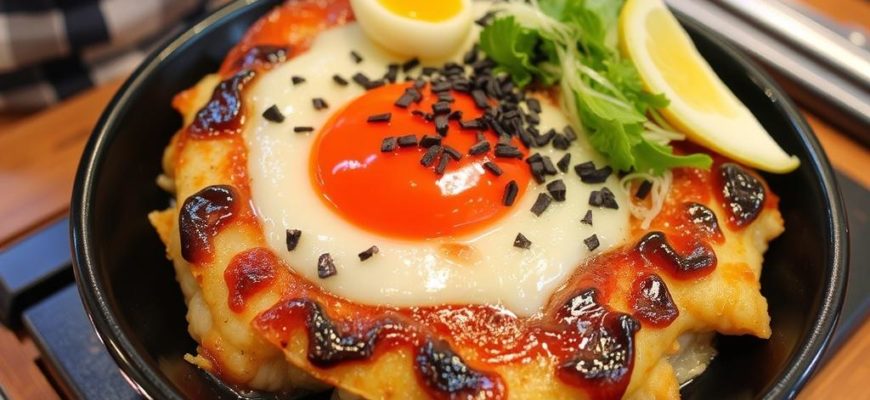
I still remember the first time I smelled okonomiyaki sizzling on a flat iron — a sweet, tangy steam that mixed with cabbage and frying batter and somehow felt like a warm invitation. If you’ve only seen pictures, you might think of a messy pancake with sauce; but tasting it is different: layers of texture, surprise hits of umami, and that playful “build it your way” spirit baked into the name. Read on and you’ll learn what okonomiyaki Japanese pancakes really are, where they came from, how to make them at home (three ways), and why people all over the world can’t get enough of them.
- What it is Okonomiyaki Japanese pancakes explained simply
- History Okonomiyaki Japanese pancakes — how this pancake came to be
- Where it first appeared Okonomiyaki Japanese pancakes and the regional rivalry
- Interesting facts about Okonomiyaki Japanese pancakes that surprise people
- Nutritional value Okonomiyaki Japanese pancakes — what’s inside
- Popularity in different countries Okonomiyaki Japanese pancakes around the world
- 3 best recipes for cooking Okonomiyaki Japanese pancakes at home
- Classic Osaka-style Okonomiyaki
- Hiroshima-style layered Okonomiyaki
- Vegan Okonomiyaki
- What to eat with Okonomiyaki Japanese pancakes to complete the meal
What it is Okonomiyaki Japanese pancakes explained simply
Okonomiyaki Japanese pancakes are savory pancakes made from a batter of flour, grated yam or dashi, shredded cabbage and eggs, then mixed with ingredients you like — pork, seafood, cheese, green onions, or even noodles. The word okonomiyaki literally means “grill as you like it,” and that captures the dish: it’s flexible, hearty, and built for sharing. Traditionally cooked on a teppan (a hot iron griddle), finished with a glossy okonomiyaki sauce, mayonnaise, aonori (seaweed powder), and katsuobushi (bonito flakes) — the result is a warm, textural comfort food that’s equal parts crunchy, soft, tangy and savory.
History Okonomiyaki Japanese pancakes — how this pancake came to be
The roots go back farther than you’d expect. In the Edo period there were thin, crepe-like snacks called funoyaki. The modern, batter-based okonomiyaki developed through the early 20th century and became widespread during and after World War II, when rice shortages made wheat-flour dishes popular. Street vendors and small restaurants adapted recipes regionally, and by the mid-20th century okonomiyaki had solidified into recognizable styles — most famously Osaka and Hiroshima — each with its own method and rhythm.
Where it first appeared Okonomiyaki Japanese pancakes and the regional rivalry
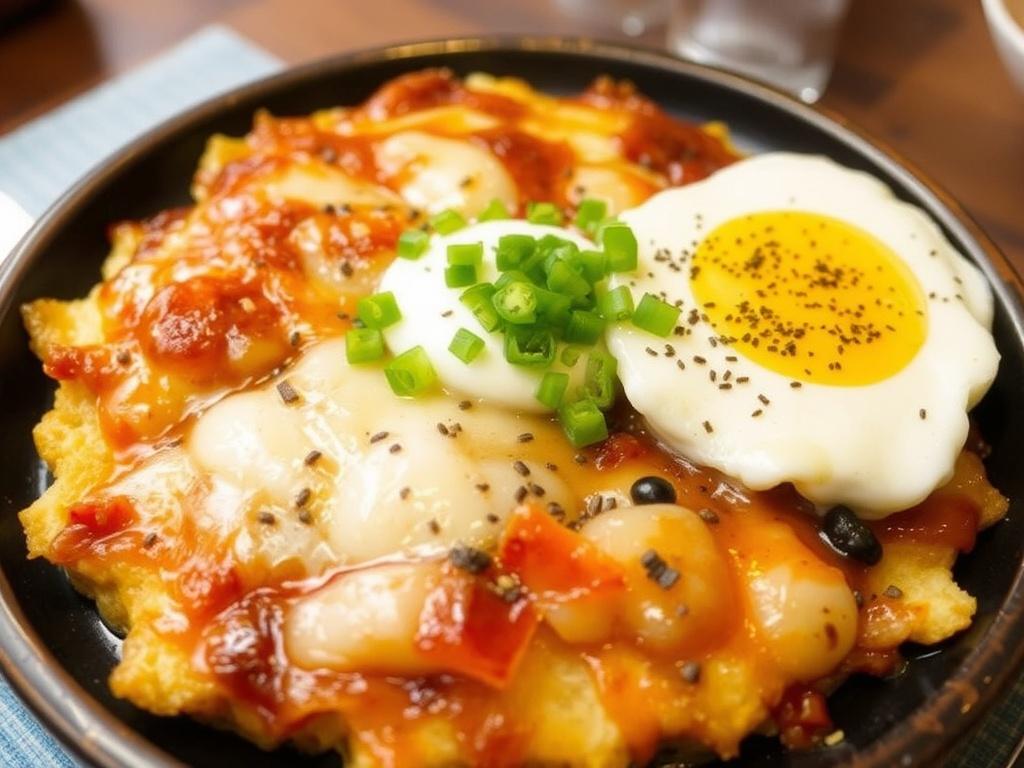
Two cities claim fame. Osaka’s version mixes ingredients into the batter and fries it like a single thick pancake. Hiroshima’s version layers ingredients, often adding yakisoba or udon noodles between layers and using a thinner batter. Both styles were refined and popularized in their regions’ lively food cultures: Osaka as “the nation’s kitchen” and Hiroshima with a street-food scene shaped by postwar rebuilding. You’ll find small okonomiyaki shops everywhere in those areas — seats around the teppan so you can watch the chef flip and finish your pancake.
Interesting facts about Okonomiyaki Japanese pancakes that surprise people
- The name is an invitation: okonomi means “what you like,” so personalization isn’t just allowed — it’s baked in.
- Katsuobushi (bonito flakes) appear to “dance” from the heat when sprinkled on top — a little theatrical flourish that never gets old.
- There’s a sibling called monjayaki, popular in Tokyo, which is runnier and eaten directly from the grill with small spatulas.
- Okonomiyaki sauce was created to mimic Worcestershire-style tastes but thicker and sweeter to cling to the pancake.
Nutritional value Okonomiyaki Japanese pancakes — what’s inside
Okonomiyaki’s nutrition varies widely based on ingredients. Below is a rough estimate for a typical Osaka-style okonomiyaki with pork (per one medium pancake, about 350–400 g):
| Component | Estimate per serving |
|---|---|
| Calories | 500–700 kcal |
| Protein | 20–30 g |
| Fat | 20–35 g |
| Carbohydrates | 50–70 g |
| Fiber | 4–8 g (depends on cabbage) |
Swap pork for shrimp or make a vegan okonomiyaki and you can lower fat and change macro balance. The cabbage gives fiber and volume, so even though it can be rich, it doesn’t feel overwhelmingly heavy.
Popularity in different countries Okonomiyaki Japanese pancakes around the world
Okonomiyaki started as regional Japanese street food and has gone global with the rise of Japanese restaurants and food festivals. In the US and Europe it appears in izakaya-style places and fusion pop-ups; in Southeast Asia variations incorporate local seafood and spices. Social media helped too — videos of the flipping, the sauce swirl, and those dancing bonito flakes are made for short-form content. Still, the most authentic experience remains sitting at a small grill counter in Osaka or Hiroshima.
3 best recipes for cooking Okonomiyaki Japanese pancakes at home
Here are three approachable recipes: classic Osaka, layered Hiroshima, and an easy vegan version.
Classic Osaka-style Okonomiyaki
Ingredients:
- 200 g cabbage, finely shredded
- 100 g plain flour
- 120 ml water or dashi
- 1 egg
- 50 g sliced pork belly
- Okonomiyaki sauce, Japanese mayo, aonori, katsuobushi
Steps:
1. Mix flour, water/dashi, and egg to a smooth batter. Fold in cabbage.
2. Heat a skillet with oil, pour batter to form a 15–18 cm pancake. Top with pork.
3. Cook 4–5 minutes until golden, flip and press gently, cook another 4–5 minutes.
4. Plate, brush sauce, squeeze mayo in a zigzag, sprinkle aonori and katsuobushi.
Hiroshima-style layered Okonomiyaki
Ingredients include a thin pancake batter, cabbage, bean sprouts, pork, and pre-cooked yakisoba noodles.
Steps:
1. Make thin pancake rounds, then build: pancake base, pile cabbage and sprouts, add pork and pour a little batter to bind.
2. On a separate pan, toss yakisoba with a touch of sauce, then place noodle cake on top of the cooked stack. Flip whole thing so noodles are on top. Finish with sauce, mayo, and toppings.
Vegan Okonomiyaki
Substitute egg with a flax or chickpea-water binder, use vegetable dashi, and top with vegan mayo and mushroom-based “katsuobushi” alternatives. The technique is the same as Osaka style — the key is getting the cabbage soft enough in the batter so the pancake holds together.
What to eat with Okonomiyaki Japanese pancakes to complete the meal
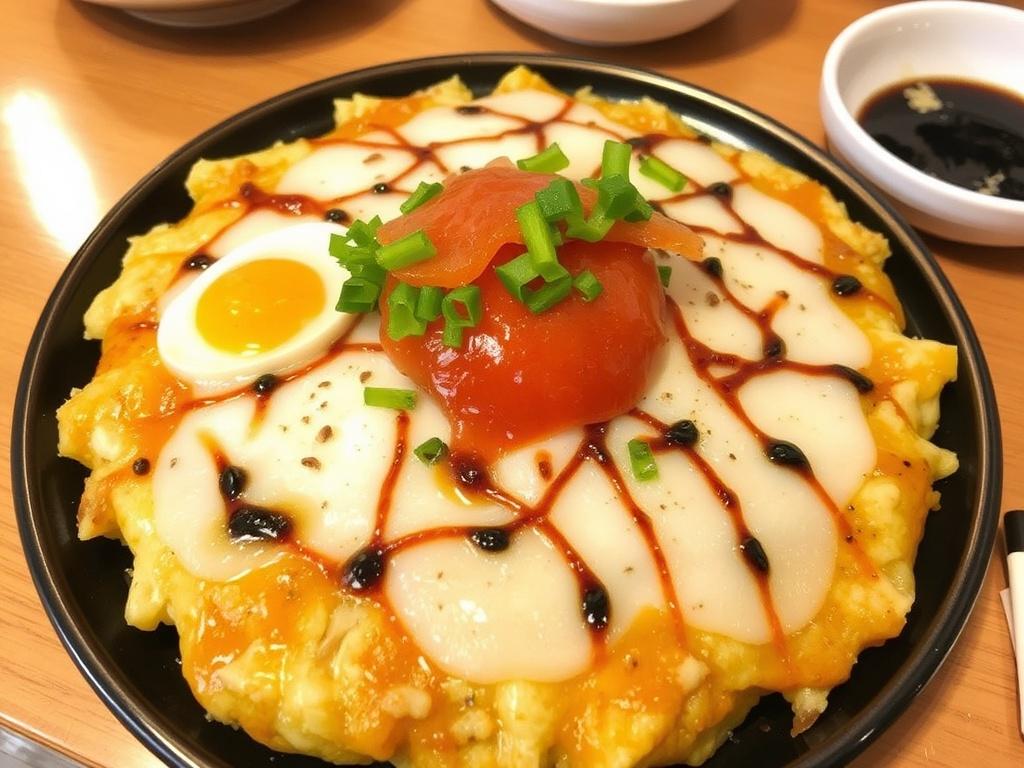
Okonomiyaki pairs beautifully with light sides and drinks: miso soup or a clear dashi soup cuts through richness, pickled vegetables refresh the palate, and cold beer or sake complements the savory notes. For a casual spread, add edamame, a simple cucumber sunomono (vinegar salad), and steamed rice if people want more bulk.
Final thought: okonomiyaki Japanese pancakes are an invitation more than a dish — mix what you enjoy, cook it hot, share the mess, and listen for those bonito flakes to dance. It’s comfort food that welcomes improvisation, and once you try making it at home, you’ll see why it’s loved from street stalls to kitchen counters worldwide.


