

Imagine biting into a pancake that’s not just fluffy and sweet but also carries a centuries-old legacy wrapped in every fold. Kataef pancakes are not your everyday breakfast treat; they are a slice of culture, a sprinkle of tradition, and a promise of rich flavor all at once. These delicate, honey-drenched delights come from the heart of Middle Eastern cuisine, and once you get a taste, you’ll wonder why they haven’t been a part of your kitchen repertoire before. If your curiosity is piqued and your taste buds are tingling, let’s dive deeper into what makes Kataef pancakes an extraordinary culinary experience.
- The Essence of Kataef Pancakes
- Tracing the Roots of Kataef Pancakes
- Where Kataef Pancakes First Captivated Taste Buds
- Little Known Facts About Kataef Pancakes
- Nutritional Profile of Kataef Pancakes
- Global Taste Adventure: Kataef Pancakes’ Popularity Worldwide
- Top 3 Tried-and-True Recipes for Kataef Pancakes
- 1. Traditional Nut-Filled Kataef
- 2. Cheese-Filled Kataef
- 3. Cream-Filled and Baked Kataef
- Perfect Pairings: What to Eat with Kataef Pancakes
The Essence of Kataef Pancakes
At first glance, Kataef pancakes might remind you of tiny, lacy pancakes or thin crepes, but they hold so much more than their simple looks suggest. These are small, sweet pancakes typically stuffed with cheese, nuts, or even cream, then folded and either fried until crispy or baked to perfection. Imagine a delicate outer shell with a surprise filling that bursts with flavor—sweet, nutty, and sometimes subtly spiced. Kataef pancakes are mostly enjoyed during specific festivals, especially Ramadan, making them more than just food; they are a festive tradition and a symbol of communal joy.
Tracing the Roots of Kataef Pancakes
The history of Kataef pancakes stretches back centuries, weaving through the tapestry of Middle Eastern culinary heritage. They hail primarily from Arab regions, with some sources pointing to their deep ties in Levantine cultures—places like Lebanon, Syria, and Palestine. Over time, these pancakes have been passed down through generations, with each family adding their own twist. The technique and fillings might differ slightly, but the core concept remains: a sweet, stuffed pancake that brings people together. This historical backdrop adds a layer of richness to every bite, a reminder of shared stories and celebrations that revolve around this dish.
Where Kataef Pancakes First Captivated Taste Buds
While absolutely loved across Middle Eastern countries today, the origins of Kataef pancakes can be traced to the eastern Mediterranean basin. This region’s unique melting pot of cultures has influenced the dish significantly. Markets and homes here have cherished Kataef for centuries, especially during Ramadan. As night falls and the fast breaks, these pancakes often find their way to the table, enticing families and friends alike to gather and savor each mouthful. Their appeal then spread through migration and cultural exchange, reaching parts of North Africa and even beyond, enchanting food lovers worldwide.
Little Known Facts About Kataef Pancakes
You might be surprised to learn that Kataef pancakes are sometimes called “Qatayef” or “Atayef” depending on the region, with slight pronunciation changes but the same irresistible charm. They are traditionally stuffed with a mixture of crushed nuts like walnuts or pistachios mixed with sugar and cinnamon, but there’s a whole arsenal of fillings today—think sweetened cheese or cream. Another fun fact: the batter used for Kataef is usually poured onto a hot griddle in small circles, creating a distinct honeycombed texture on one side, which crisps up beautifully when cooked. Moreover, the frying method isn’t always used; some prefer baking for a lighter, less oily version.
Nutritional Profile of Kataef Pancakes
While Kataef pancakes are undeniably a treat, they’re also surprisingly nutritious when made with wholesome ingredients. The batter generally includes simple components like flour, water, yeast, and sugar. Fillings—especially nuts—bring in healthy fats, protein, and fiber. Cheese fillings add calcium and protein, while the sweet syrup that often accompanies them contributes sugars, so moderation is key. For those watching their health, baking instead of frying and using natural sweeteners can make Kataef a pleasant indulgence without the guilt. Here’s a quick glance at typical nutritional elements:
| Component | Benefit |
|---|---|
| Flour | Carbohydrates for energy |
| Nuts | Healthy fats, protein, vitamins |
| Cheese | Calcium, protein |
| Syrup | Sweetness, energy slider (use in moderation) |
Global Taste Adventure: Kataef Pancakes’ Popularity Worldwide
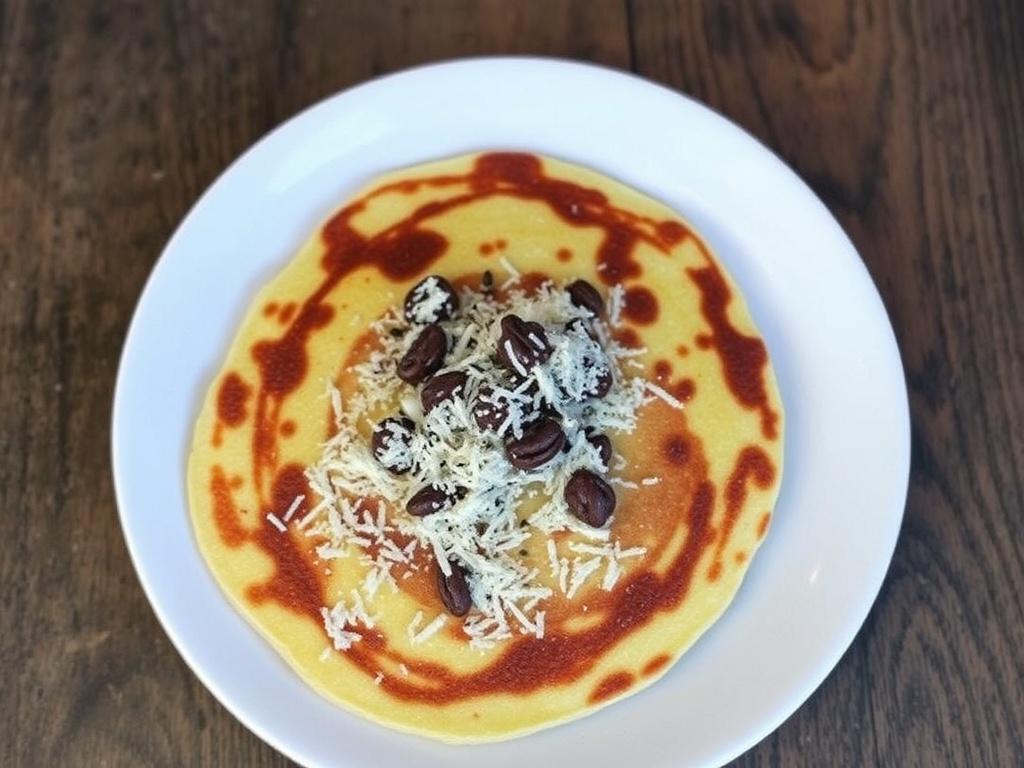
Even though Kataef pancakes started in the Middle East, their charm has crossed borders like a delicious ambassador. The diaspora communities have transported these pancakes to Europe, North America, and beyond, with many local variations popping up along the way. In countries like Egypt, Jordan, and Turkey, they hold a cherished place on festive tables. Western food enthusiasts, especially those interested in Middle Eastern cuisine, have embraced Kataef as a novel and flavorful dessert option. Food festivals and specialty restaurants often feature these pancakes, introducing new palates to their unique texture and burst of sweetness.
Top 3 Tried-and-True Recipes for Kataef Pancakes
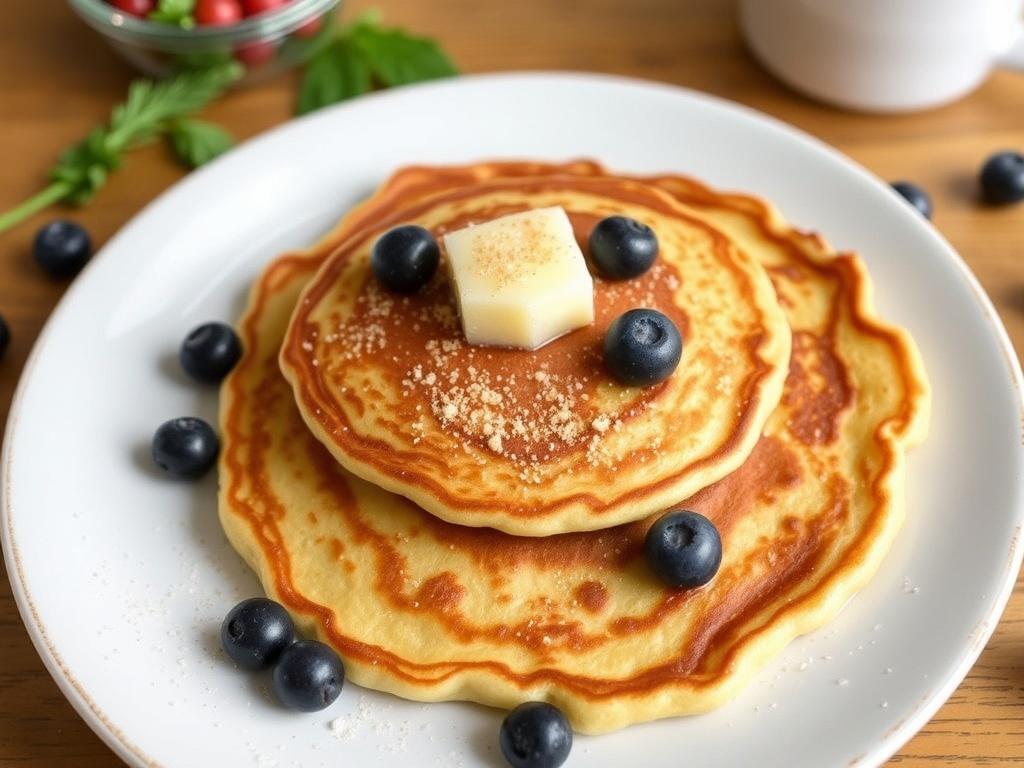
Ready to bring this Middle Eastern marvel into your kitchen? Here are three beloved recipes that showcase the diversity and deliciousness of Kataef pancakes:
1. Traditional Nut-Filled Kataef
- Batter: Flour, yeast, sugar, water.
- Filling: Ground walnuts, sugar, cinnamon.
- Method: Cook small pancake rounds on one side, fill with nut mixture, fold and pinch edges, then deep fry until golden. Drizzle with honey syrup.
2. Cheese-Filled Kataef
- Batter: Same as traditional.
- Filling: Sweetened Akkawi or ricotta cheese.
- Method: Cook pancakes, add cheese filling, fold, bake or fry lightly, finish with rosewater syrup.
3. Cream-Filled and Baked Kataef
- Batter: Traditional mix with a hint of orange blossom water.
- Filling: Whipped cream or qashta (Middle Eastern clotted cream).
- Method: Fold uncooked pancakes with cream filling, bake briefly to warm through, sprinkle with powdered sugar.
Perfect Pairings: What to Eat with Kataef Pancakes

Kataef pancakes are versatile, and while they shine on their own, pairing them smartly can turn an ordinary snack into an unforgettable meal. Traditionally, they come drenched in a fragrant sugar syrup infused with rosewater or orange blossom—this syrup seals the deal. If you want to complement them further, a cup of strong Arabic coffee or a warm mint tea works wonders to balance the sweetness. Sometimes, fresh fruits like pomegranate arils or sliced figs add a refreshing contrast. For a less sweet option, try pairing cheese-stuffed Kataef with a drizzle of yogurt, giving a subtle tang that wakes up your palate.
—
Bringing Kataef pancakes from the pages of history and the heart of Middle Eastern kitchens into your home means embracing a joyous mix of flavors and customs. Whether you choose to feast on the nut-stuffed version drenched in syrup or prefer the gentle decadence of cream filling, these pancakes promise warmth and shared moments. Give them a try and see how a simple pancake can tell a story — one bite at a time.


