
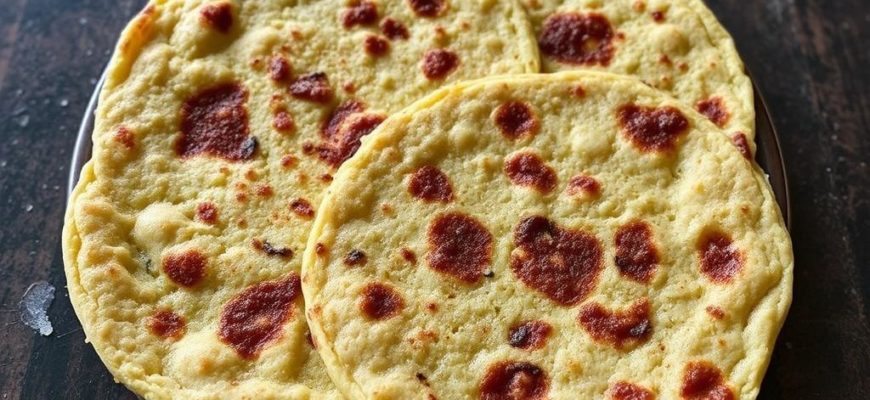
Have you ever stumbled upon a dish so simple yet wildly captivating that it makes you question why it’s not a staple in your breakfast routine? Yemeni Malawach pancakes hold that kind of spell. These flaky, buttery layers are more than just a treat; they embody history, culture, and comfort all rolled into one crispy bite. Whether you’re a fan of savory or sweet breakfasts, or simply a curious foodie on the lookout for something new, this culinary gem invites you into a world where every fold tells a story. Ready to uncover what makes Yemeni Malawach pancakes a beloved treasure across continents?
- Unpacking the Essence of Yemeni Malawach Pancakes
- The Journey Through Time: The History of Yemeni Malawach Pancakes
- The Birthplace and Spread of Yemeni Malawach Pancakes
- Fascinating Tidbits About Yemeni Malawach Pancakes
- Nutritional Insights into Yemeni Malawach Pancakes
- Malawach’s Growing Fame Across Borders
- Three Top Recipes to Master Yemeni Malawach Pancakes at Home
- Pairing Yemeni Malawach Pancakes for a Truly Satisfying Meal
Unpacking the Essence of Yemeni Malawach Pancakes
Yemeni Malawach pancakes are a type of flatbread, but describing them as just “flatbread” wouldn’t do justice. Imagine thin sheets of dough, brushed generously with clarified butter, stacked and folded repeatedly to create delicate, flaky layers. When cooked on a hot surface, these pancakes puff up slightly and turn golden brown, developing a crispy exterior while maintaining a tender inside that invites you to tear apart piece by piece. Unlike the fluffiness you’d expect from typical pancakes, Malawach offers a satisfying crunch paired with a rich, buttery flavor.
At their core, they act like culinary chameleons—perfect as a base for vegetable stews, served alongside savory dips, or simply enjoyed hot and fresh with a drizzle of honey or a side of hard-boiled eggs. This versatile nature is what makes Yemeni Malawach pancakes a staple comfort food for many.
The Journey Through Time: The History of Yemeni Malawach Pancakes
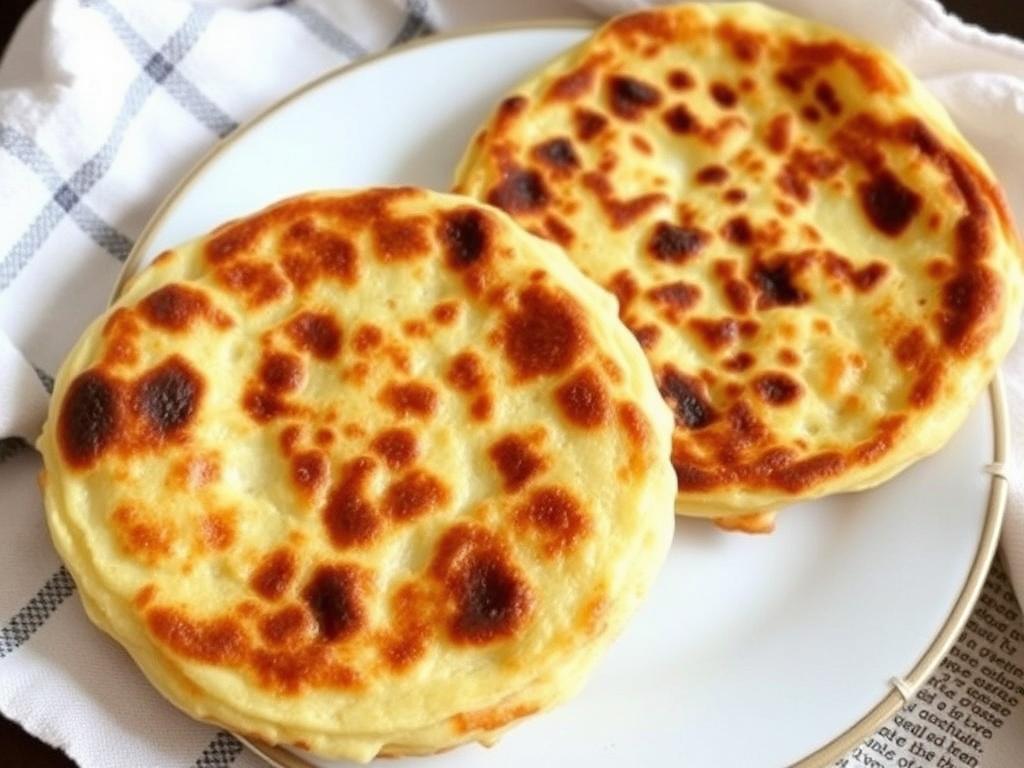
The story of Yemeni Malawach pancakes stretches back centuries, deeply rooted in Yemen’s culinary landscape. Originally a humble dish eaten by Jewish communities in Yemen, Malawach was a practical choice: easy to carry, simple to prepare with few ingredients, and filling enough for long workdays. Its portability and durability also meant it could travel with traders and migrants, carrying cultural heritage along with its flavors.
As history unfolded, especially during periods of migration to Israel and other parts of the world, the humble pancake became a vessel of identity for Yemeni Jews. Today, Malawach is more than food—it’s a connection to ancestry, a celebration of tradition, and a story told on plates across continents.
The Birthplace and Spread of Yemeni Malawach Pancakes
Originating from Yemen, the pancake quickly became a beloved staple in local households. It thrived in communities where ingredients like flour, clarified butter (samneh), and water were staples, making it accessible to nearly everyone. The culinary technique of creating layers resembles methods used in making other flatbreads in the region but with a uniquely crispy twist.
Once Yemeni Jews immigrated to Israel in large numbers, they brought Malawach with them, setting the stage for its rise in Middle Eastern cuisine circles. Today, you’ll find Malawach’s influence extending well beyond the Middle East, showing up in restaurants and home kitchens in the United States, Europe, and even parts of Asia.
Fascinating Tidbits About Yemeni Malawach Pancakes
Here are some lesser-known gems that add sparkle to the story of Malawach:
- Malawach dough traditionally undergoes a brief resting period, which makes the layers easier to form and promotes tenderness inside.
- The name “Malawach” hints at the process: in Arabic, it means “cushion” or “pad,” referring to the dough’s puffed appearance once cooked.
- It’s often accompanied by zhug, a fiery Yemenite hot sauce made with cilantro, chili peppers, and spices—perfect to cut through the richness.
- Malawach features prominently during Shabbat meals in Jewish Yemeni homes, symbolizing both taste and tradition.
Nutritional Insights into Yemeni Malawach Pancakes
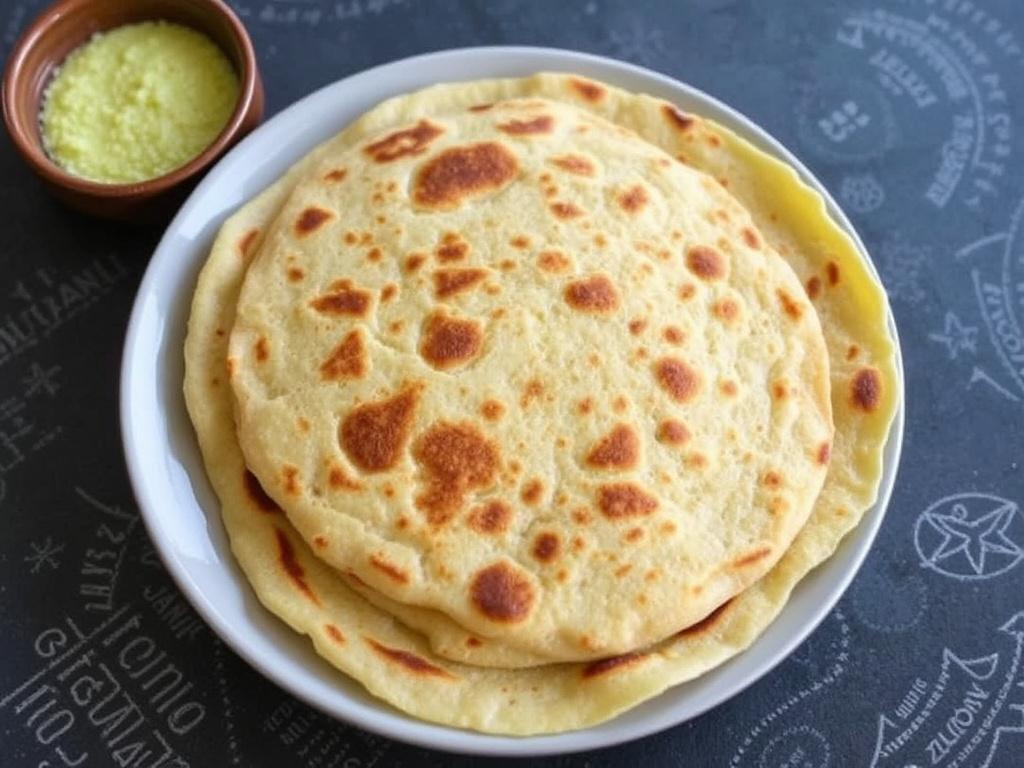
Let’s be honest: Malawach pancakes aren’t what you’d call a diet food. Their core ingredients—white flour, clarified butter, and oil—make for a rich, calorie-dense dish. A single medium-sized pancake easily clocks in around 200 to 300 calories depending on thickness and cooking fat.
| Component | Amount (per pancake) |
|---|---|
| Calories | 250 |
| Fat | 12g |
| Carbohydrates | 28g |
| Protein | 5g |
| Fiber | 1g |
While they’re high in fat and carbs, their homemade, simple-ingredient nature means you avoid preservatives and artificial additives often found in processed snacks. Moderation paired with hearty accompaniments makes Malawach enjoyable without guilt.
Malawach’s Growing Fame Across Borders
You might be surprised how Yemeni Malawach pancakes have captured taste buds beyond their Middle Eastern roots. In Israel, they sit comfortably alongside shakshuka and sabich as breakfast favorites. Food enthusiasts in the US increasingly discover Malawach in trendy markets and specialty restaurants focusing on authentic Middle Eastern cuisine.
Thanks to their versatility, Malawach pancakes fit into fusion menus, appearing with toppings from avocado and smoked salmon to tahini and labneh. Outside the culinary sphere, social media helped spread recipes and cooking tips, turning Malawach into a global kitchen star. Still, what keeps their charm intact is the genuine connection to Yemenite culture that each crispy layer represents.
Three Top Recipes to Master Yemeni Malawach Pancakes at Home
If you’re eager to try making Yemeni Malawach pancakes, here are three straightforward methods that cover tradition and a few twists:
- Classic Yemenite Malawach: Combine flour, water, salt, and a spoonful of yeast-free dough. Roll into thin sheets brushed with clarified butter, fold, rest, and pan-fry until crisp.
- Whole Wheat Malawach: Swap half the all-purpose flour for whole wheat for a nuttier flavor and added fiber. Technique remains the same, though you might need a splash more water.
- Quick Malawach Flatbread: For a shortcut, skip resting the dough, roll thin, and use plenty of butter in the pan for crispiness. Great for a fast version with slightly less flakiness.
Pairing Yemeni Malawach Pancakes for a Truly Satisfying Meal
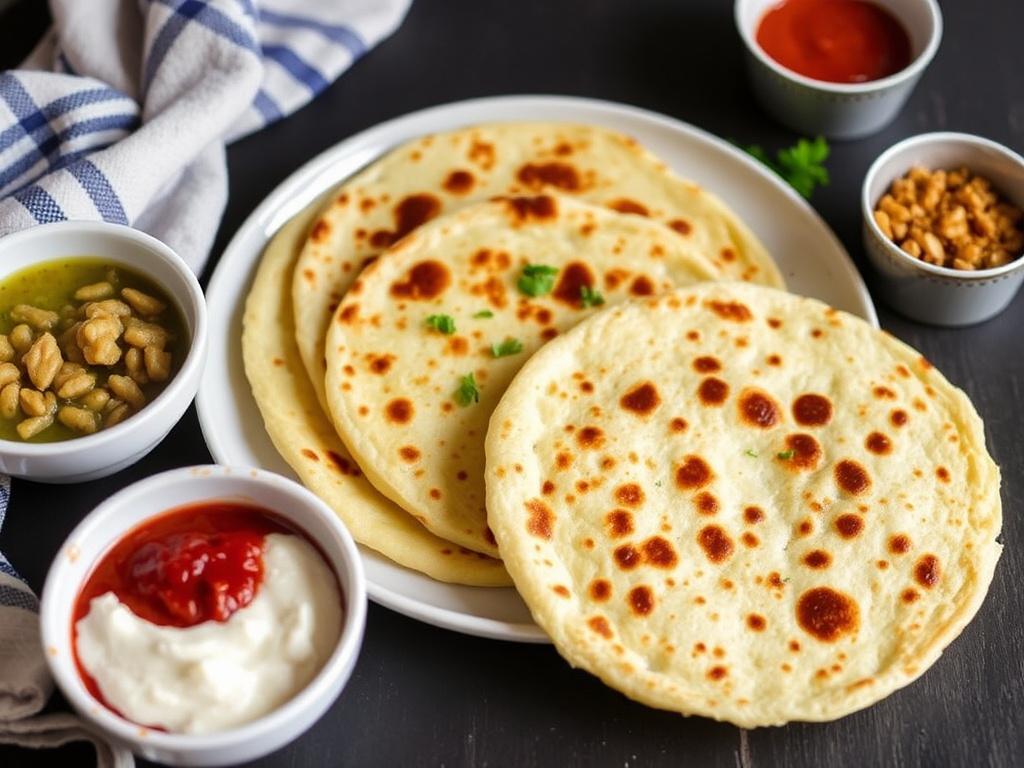
Malawach’s simple makeup makes it an unrivaled canvas for flavors. Traditionally, it’s served alongside:
- Hard-boiled eggs, sometimes mashed with salt and pepper for an easy side.
- Zhug hot sauce to add spicy, herbal brightness.
- Tomato salad or fresh cucumber slices offering juicy contrast.
- Honey, jam, or even labneh for those with a sweet tooth who want a richer texture.
- Stews like ful medames (fava bean stew) or hamin for soaking up luscious sauces.
Whether you embrace it in a traditional Yemeni way or experiment with modern toppings, Yemeni Malawach pancakes never fail to elevate the meal. They invite sharing, conversation, and a slow savoring that lingers beyond the last bite.
—
So, next time you’re searching for that crispy, buttery delight that carries a slice of ancient Yemeni culture, remember Malawach. It’s not just a pancake—it’s an edible story, waiting to unfold on your plate.


