
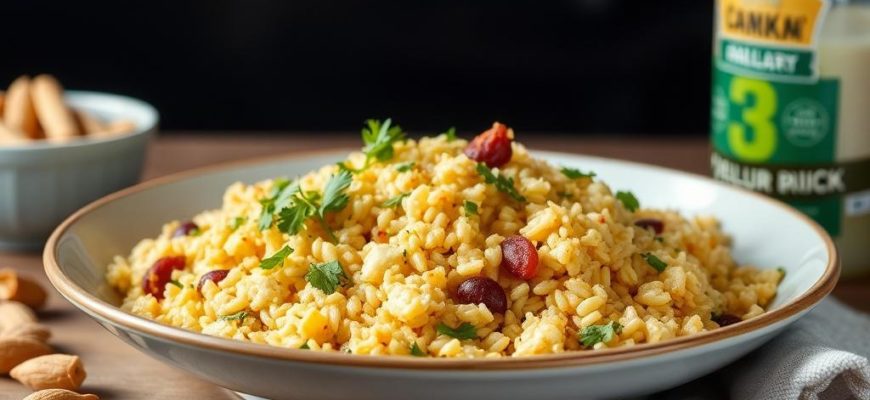
Imagine a pot that fills the kitchen with a toasty, comforting scent — nutty wheat mingled with sautéed onions, a scatter of golden carrots, maybe a handful of raisins and crunchy toasted almonds. That’s wheat pilaf: simple to make, surprisingly flexible, and utterly satisfying. If you’ve only ever known pilaf as a rice dish, get ready to meet its hearty, fiber-rich cousin. In this article I’ll take you through where wheat pilaf comes from, why people have loved it for centuries, a few neat facts that might surprise you, what makes it good for you, how different countries serve it, and a reliable, step-by-step recipe so you can cook a perfect batch at home. Stick around — this is one of those dishes that rewards a little attention with a lot of flavor.
- Where Wheat Pilaf Comes From and How It Earned Its Place on the Table
- A Brief History of Wheat Pilaf That Fits a Dinner Table Conversation
- Little Surprises and Interesting Facts About Wheat Pilaf
- Nutritional Value and Why It’s a Smart Choice for Everyday Meals
- How Different Countries Put Their Spin on Wheat Pilaf
- The Best Step-by-Step Cooking Recipe for Wheat Pilaf
- Quick Bulgur Wheat Pilaf (30 minutes)
- Hearty Wheat Berry Pilaf (1–1.5 hours)
- Tips for a Better Pilaf
- Quick Comparison Table: Bulgur vs Wheat Berries
Where Wheat Pilaf Comes From and How It Earned Its Place on the Table
Pilaf as a technique — toasting grains and then cooking them in stock — traces back to Central Asia and the Fertile Crescent, where wheat was among the first cultivated crops. While many regions developed rice-based pilafs, wheat in its various forms (bulgur, cracked wheat, whole wheat berries) became the natural choice wherever wheat grew best. That means Turkey, the Levant, the Caucasus and parts of Central Asia all have long traditions of wheat pilaf. Over time local cooks added ingredients available to them — dried fruits in some places, lamb in others, spices and nuts according to taste — turning a basic grain dish into a signature comfort food with strong regional identities.
A Brief History of Wheat Pilaf That Fits a Dinner Table Conversation
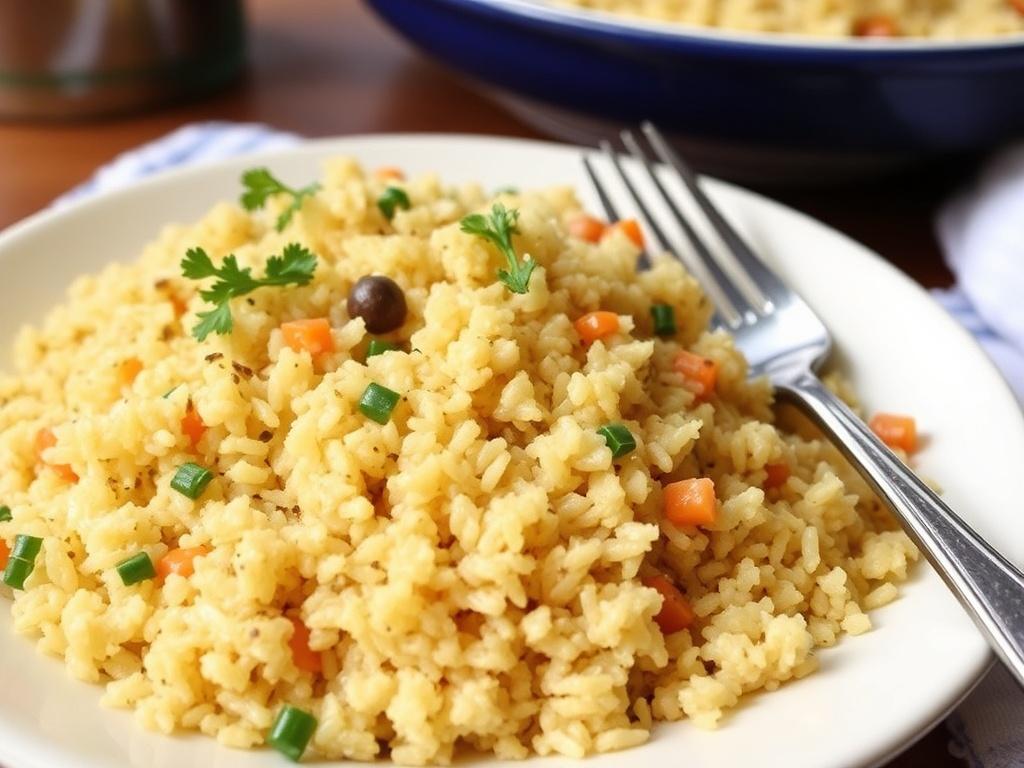
Wheat fed civilizations. From ancient harvest festivals to everyday meals, cooked wheat offered both nutrition and shelf-stable versatility. Bulgur, partially pre-cooked cracked wheat, appears in written sources from the Middle Ages onward and became valued because it cooks quickly and stores well. In Ottoman and Persian kitchens, wheat-based pilafs developed alongside rice pilafs, often prepared for guests or special occasions. Trade and migration spread these recipes, and regional tweaks produced the many versions you encounter today — some rustic and peasant, others ornate and celebratory.
Little Surprises and Interesting Facts About Wheat Pilaf
- Toasting the grain before adding liquid dramatically deepens flavor. That toasty note is a hallmark of great pilaf.
- Bulgur and cracked wheat are not the same as couscous; textures differ and so does cooking time. Bulgur keeps a pleasantly firm bite, while cracked wheat can be softer.
- Wheat pilaf is often served at weddings, holidays, and communal feasts in parts of the Middle East because it scales easily for large groups.
- Simple additions change the dish’s character: adding lemon and parsley brightens it, while raisins and cinnamon push it toward sweet-savory territory.
Nutritional Value and Why It’s a Smart Choice for Everyday Meals
Wheat pilaf is built on whole-grain ingredients, so it brings more fiber, B vitamins and minerals like magnesium and iron than refined white rice. The complex carbohydrates release energy steadily, which keeps you feeling fuller longer. Proteins are modest but respectable; pairing pilaf with legumes, yogurt or a bit of meat makes it a balanced plate. It’s also naturally low in fat unless you add large amounts of butter or oil, so the recipe can be tuned to your dietary goals without losing flavor.
How Different Countries Put Their Spin on Wheat Pilaf
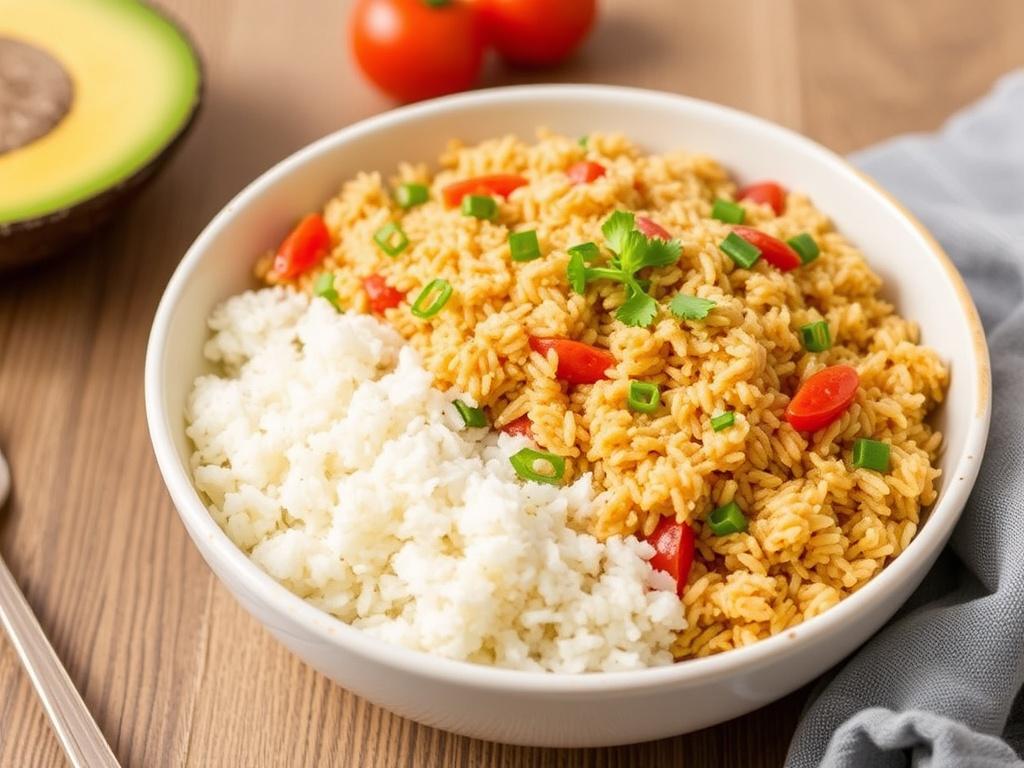
Across regions, wheat pilaf adapts to local produce and customs. In Turkey, bulgur pilav often mixes tomatoes and peppers or is served plain with butter and herbs. The Levant layers bulgur with chickpeas and caramelized onions. In parts of Central Asia whole wheat berries appear in pilafs that simmer slowly with lamb and root vegetables. Even within the same country, you’ll find home cooks who prefer a clean, savory pilaf and others who favor a sweeter, nut-studded version for celebrations.
The Best Step-by-Step Cooking Recipe for Wheat Pilaf
Below are two practical versions: a quick bulgur-based pilaf for weeknights and a heartier wheat berry pilaf that’s worth the longer cook.
Quick Bulgur Wheat Pilaf (30 minutes)
Ingredients
- 1 cup coarse bulgur
- 1 medium onion, finely chopped
- 2 tablespoons olive oil or butter
- 1 1/2 cups vegetable or chicken stock
- Salt and pepper to taste
- Optional: 1 medium carrot diced, 1/4 cup toasted almonds, 2 tablespoons raisins, chopped parsley
Method
- Heat the oil in a saucepan. Sauté onion (and carrot, if using) until soft and just golden.
- Add the bulgur and stir, toasting for 1–2 minutes so it smells nutty.
- Pour in the stock, season with salt and pepper, bring to a simmer, cover and reduce heat to low.
- Cook 12–15 minutes until liquid is absorbed. Remove from heat, let stand 5 minutes, fluff with a fork, stir in nuts, raisins and parsley.
Hearty Wheat Berry Pilaf (1–1.5 hours)
Ingredients
- 1 cup whole wheat berries
- 3 cups stock or water
- 1 onion, 2 tablespoons oil, salt
- Optional: diced root vegetables, toasted nuts, fresh herbs
Method
- Rinse wheat berries. In a pot, bring stock and wheat berries to a boil, then simmer with lid partially on for 40–60 minutes until tender. Drain any excess liquid.
- Meanwhile, sauté onion and vegetables in a pan until caramelized. Add cooked wheat berries and toss to combine, seasoning to taste.
- Finish with a squeeze of lemon or a scattering of herbs for brightness.
Tips for a Better Pilaf
- Toast grains for flavor. Even a quick 1–2 minute toss in a dry pan helps.
- Adjust liquid depending on grain type — bulgur soaks up less than whole berries.
- Make extra: cooked wheat keeps well and makes an excellent base for salads or fried rice-style skillet dishes the next day.
Quick Comparison Table: Bulgur vs Wheat Berries
| Feature | Bulgur | Wheat Berries |
|---|---|---|
| Cooking time | Short (10–20 min) | Long (40–60+ min) |
| Texture | Soft but slightly chewy | Firm, chewy |
| Best use | Quick pilaf, salads | Hearty pilaf, long-simmer dishes |
Wheat pilaf is one of those dishes that welcomes experimentation. Start with the simple recipes above, then tweak ingredients and spices to make it your own. With a little practice you’ll find the balance of texture and flavor that suits your table — and you might never reach for plain rice first again.


