
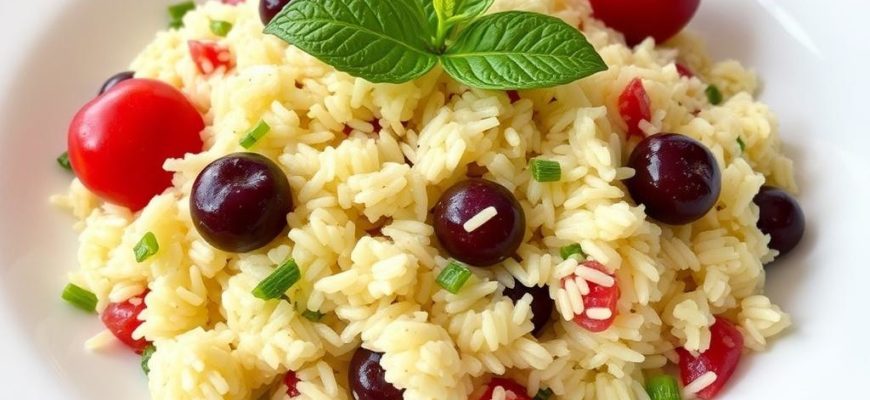
Imagine a warm bowl of fluffy rice studded with glossy cherries, aromatic spices rising in gentle curls from the surface, the first bite offering a whisper of sweetness and a satisfying savory backbone. Pilaf with cherries feels like a small revelation: familiar rice transformed by a single humble fruit into something seasonal, bright, and unexpectedly comforting. If you like food that tells a story on the plate, this dish will make you lean in and listen.
- Where Cherry Pilaf Came From and How It Fits Into Culinary Traditions
- Country of origin Pilaf with cherries
- The Story Behind the Dish
- History Pilaf with cherries
- Little Details That Make a Big Difference
- Interesting facts about Pilaf with cherries
- Nutritional Snapshot
- Where People Enjoy This Dish Today
- Popularity in different countries Pilaf with cherries
- The Best Step-by-Step Cooking Recipe for Pilaf with Cherries
- Ingredients
- Method
- Variations and serving tips
Where Cherry Pilaf Came From and How It Fits Into Culinary Traditions
Pilaf with cherries blends two long culinary threads: the centuries-old pilaf tradition and the use of fresh or dried fruit to enrich grain dishes. Pilaf itself—rice cooked with fat, aromatics, and often broth—has roots across Central Asia, the Middle East, and South Asia. Adding fruit is not an oddity in those regions. Chefs and home cooks have long balanced fruit, spices, and meat to create layered textures and flavors. The cherry variation likely developed in places where cherries were abundant, such as parts of the Caucasus, Anatolia, and Eastern Europe, where cooks knew how a hint of tartness could sharpen rich rice.
Country of origin Pilaf with cherries
Pinning a single country as the origin would oversimplify a regional practice. Pilaf with cherries most commonly appears where both rice and cherries are staples—Turkey, Armenia, Azerbaijan, and neighboring areas. Each locale adapts the basic idea to local tastes: some use sour cherries fresh or preserved, others prefer dried or candied versions, and proteins vary from lamb to chicken or no meat at all.
The Story Behind the Dish
History often hides in kitchens rather than archives. Pilaf with cherries grew from practical choices: preserving fruit for winter, stretching meat with grains, and celebrating harvests. In many communities, preserving cherries—by drying, salting, or turning into preserves—made them a year-round ingredient. Combining preserved fruit with rice and spices created dishes that were both economical and festive, suitable for family meals and special occasions alike.
History Pilaf with cherries
Through trade and migration, pilaf recipes spread and absorbed local products. In Ottoman kitchens, the interplay of sweet and savory was refined, and fruit-enhanced pilafs appeared in court and home cookery. Over time, these recipes dispersed into neighboring regions, where each culture left its mark: different spice mixes, cooking fats, and cherry preparations. That shared lineage explains why similar dishes crop up across several countries, each claiming a slightly different version as its own.
Little Details That Make a Big Difference
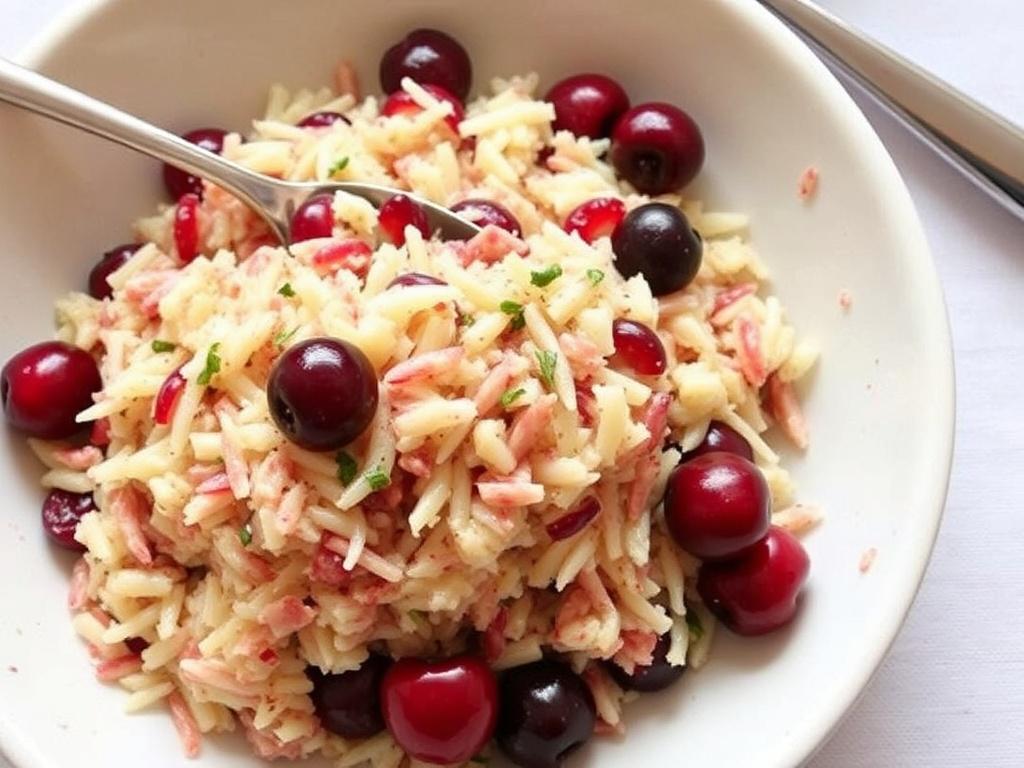
Making pilaf with cherries successful depends on technique and timing. You want well-separated grains, not mush, and cherries that retain some texture. Toasting the rice in oil or butter before adding liquid gives a nutty base flavor, while briefly simmering cherries keeps them from collapsing into jam. Small choices—how much salt, whether to use stock or water, a squeeze of lemon—shift the dish from sweet to balanced to boldly tart.
Interesting facts about Pilaf with cherries
- Using sour cherries (such as Morello) gives a bright, tangy note that cuts through fatty meats and complements warm spices.
- In some traditional preparations, pilaf with cherries is finished with a drizzle of melted butter or a few roasted nuts for crunch.
- Cultural variations include vegetarian versions where the cherries provide the dish’s main contrast, and meat versions where cherries act as a counterpoint to richness.
Nutritional Snapshot
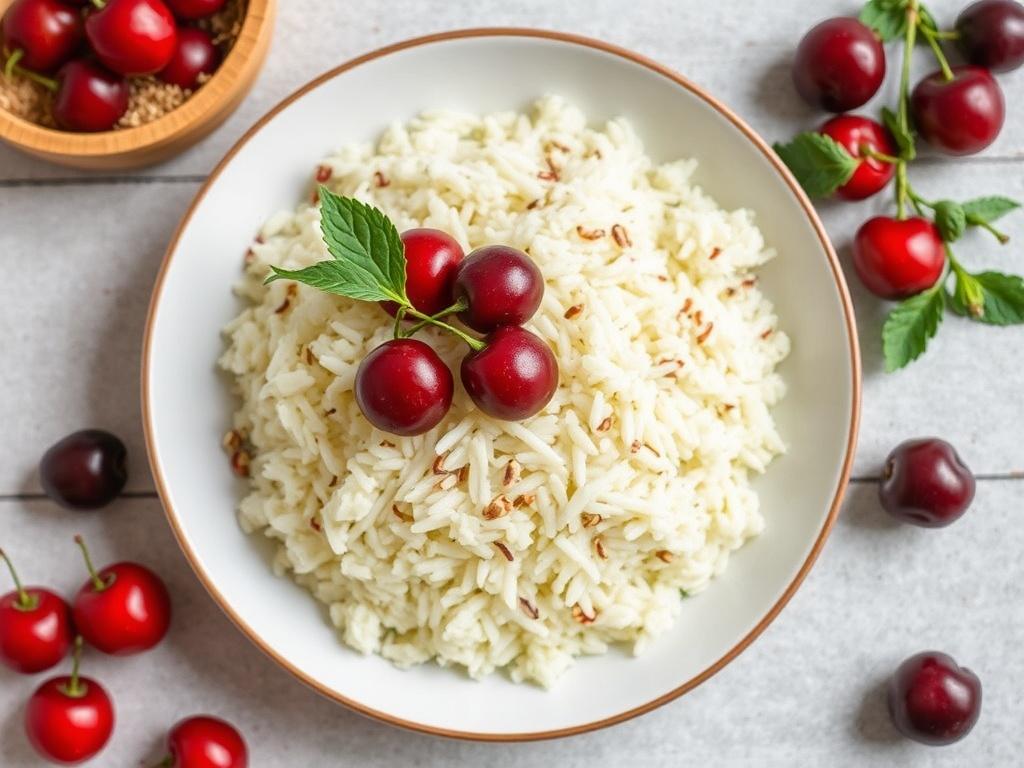
Pilaf with cherries can be light or hearty depending on ingredients. Choose brown rice and less fat for more fiber and a lower glycemic load. Add nuts for healthy fats and protein, or include lean poultry for a balanced meal. Below is an approximate nutritional table for one generous serving of cherry pilaf made with white rice, sour cherries, butter, and no added meat.
| Nutrient | Per serving (approx.) |
|---|---|
| Calories | 350–420 kcal |
| Carbohydrates | 65–75 g |
| Protein | 6–10 g |
| Fat | 8–14 g |
| Fiber | 2–4 g |
| Vitamin C and antioxidants | Depends on cherry type, sour cherries provide more |
Where People Enjoy This Dish Today
Pilaf with cherries shows up at summer tables and holiday feasts. In Turkey and the Caucasus, it appears during cherry season or in preserved form during colder months. Diaspora communities carry it abroad, and modern chefs sometimes reinvent it for restaurants, pairing it with grilled meats or serving it as a stand-alone vegetarian plate. Its appeal is global because it offers contrast: sweet fruit against savory rice, soft fruit against fluffy grains.
Popularity in different countries Pilaf with cherries
In Eastern Europe, chefs emphasize sour cherries and often present pilaf as a festive dish. In parts of Central Asia, fruit-scented rice is a long-standing tradition, and cherries are one of many fruits used. Western cooks encountering the dish tend to experiment, creating hybrid versions that incorporate local produce and dietary preferences.
The Best Step-by-Step Cooking Recipe for Pilaf with Cherries
Below is a clear, approachable recipe that balances technique and flavor. It uses sour cherries for tartness and keeps the rice light and separate. Quantities serve four as a side or two to three as a main.
Ingredients
- 1 cup long-grain rice, rinsed until water runs clear
- 1½ cups low-sodium chicken or vegetable stock
- 1 cup fresh or frozen sour cherries, pitted (or ¾ cup dried rehydrated)
- 2 tablespoons butter or neutral oil
- 1 small onion, finely chopped
- 1 garlic clove, minced (optional)
- ½ teaspoon ground cumin or a pinch of cinnamon (choose based on preference)
- Salt and black pepper to taste
- 2 tablespoons toasted slivered almonds or chopped walnuts (optional)
- Fresh herbs for finish: parsley or mint
Method
- Heat butter or oil in a medium saucepan over medium heat. Add the onion and cook until soft and translucent, about 4–5 minutes. Add garlic and spices and stir for 30 seconds to bloom the aroma.
- Add the rinsed rice. Toast, stirring, for 2–3 minutes until edges of grains look translucent and a nutty aroma develops.
- Pour in the stock, add a pinch of salt, and bring to a gentle boil. Reduce heat to low, cover tightly, and simmer undisturbed for 12–15 minutes, or until liquid is absorbed.
- While rice rests off heat for 5 minutes, warm the cherries in a small pan to release juices but not to break them down. If using dried cherries, simmer briefly with a splash of water.
- Fluff the rice with a fork, fold in the cherries and toasted nuts, adjust seasoning with salt and pepper, and finish with chopped herbs.
- Serve warm alongside grilled meats or as a colorful vegetarian main.
Variations and serving tips
- Swap white rice for brown for more fiber; add a little extra stock and cook 10 minutes longer.
- Add diced roasted lamb or pan-seared chicken for a heartier meal.
- For a sweeter profile, use fresh sweet cherries and reduce salt; finish with a splash of lemon for balance.
Pilaf with cherries is proof that a modest ingredient can change a familiar dish into something memorable. Try it when cherries are in season, or keep preserved cherries on hand to brighten winter meals. Once you get the balance right, it might become one of those recipes you return to again and again.


