

If you’ve ever wondered what it’s like to savor a soup that dances on your taste buds with a perfect blend of tanginess and freshness, Sayur-asem soup might just be your next culinary adventure. This Indonesian vegetable soup isn’t your average bowl of broth. It combines an intriguing harmony of sourness, subtle spices, and vibrant vegetables—a culinary charm that manages to feel both refreshing and comforting at the same time. Curious? Let’s peel back the layers of Sayur-asem soup and uncover what makes it so uniquely captivating.
- What Exactly Is Sayur-Asem Soup
- The Origins and History of Sayur-Asem Soup
- Where Sayur-Asem Soup First Took Root
- Interesting Tidbits About Sayur-Asem Soup
- Nutritional Value of Sayur-Asem Soup
- How Sayur-Asem Soup Conquered Palates Beyond Indonesia
- Three Must-Try Recipes for Cooking Sayur-Asem Soup at Home
- Classic Javanese Sayur-Asem
- Sayur-Asem with Spicy Kick
- Vegetarian Sayur-Asem with Tofu
- Pairing Sayur-Asem Soup with the Right Accompaniments
What Exactly Is Sayur-Asem Soup
At its heart, Sayur-asem soup is a light, sour vegetable stew popular in Indonesia, especially on the island of Java. The name literally translates to “sour vegetables,” which perfectly captures the essence of the dish. It’s typically made with tamarind as the souring agent, and an assortment of fresh vegetables such as young jackfruit, long beans, chayote, corn, and melinjo leaves. The soup commonly features a clear, slightly tangy broth that’s both refreshing and unexpectedly complex in flavor.
What sets Sayur-asem apart from other vegetable soups is its balance—it delivers sourness without overwhelming acidity, and mixes earthy ingredients with brightness. It’s vegetarian-friendly and often eaten as a main dish accompanied by rice or other side dishes. The sour flavor not only wakes up your palate but also makes this soup particularly comforting during warm weather days or when you want something light yet flavorful.
The Origins and History of Sayur-Asem Soup
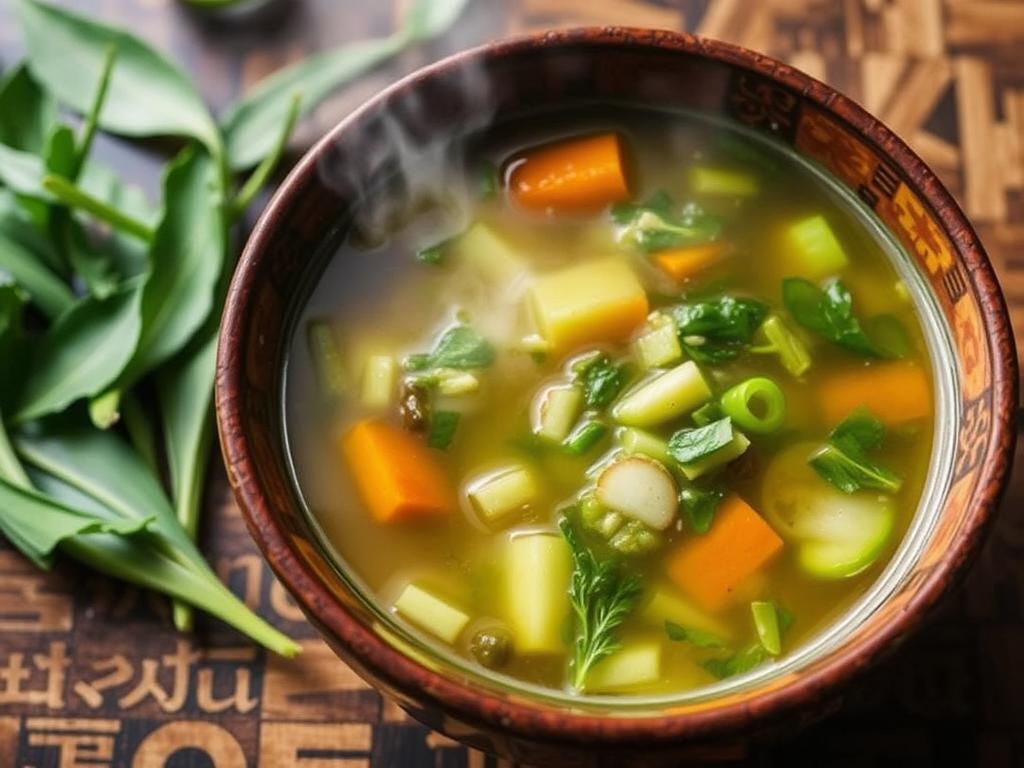
Sayur-asem soup traces its roots back to the Java region of Indonesia, where it has been a beloved home-cooked favorite for centuries. Traditional Javanese cuisine leans heavily on balancing sweet, salty, bitter, and sour flavors, and Sayur-asem embodies this philosophy remarkably well. Tamarind has been a staple souring ingredient in the archipelago for generations, and its use in sayur-asem highlights how indigenous ingredients and local culinary wisdom shaped the dish.
Historically, this soup wasn’t just about taste. It arose from necessity and resourcefulness—using available vegetables, tamarind from local trees, and customary spices to create a nourishing meal. In many Javanese households, preparing Sayur-asem soup is a ritual that links generations, connecting modern families to their ancestors’ flavors and traditions.
Where Sayur-Asem Soup First Took Root
While today Sayur-asem can be found across much of Indonesia, its birthplace is undeniably the island of Java, particularly in the central and eastern parts. In these areas, the ingredients for sayur-asem were abundant and easily accessible, making it a staple in daily meals. The village kitchens and street food stalls carried forward the tradition, each with their own slight variations.
Over time, Sayur-asem’s appeal spread beyond Java to other islands, evolving in minor ways but always retaining its signature sour profile. The soup’s adaptability helped it survive the waves of modernization and the influx of international cuisines in Indonesia.
Interesting Tidbits About Sayur-Asem Soup

Sayur-asem isn’t just delicious—it also carries some intriguing stories and unexpected facts:
- The dish is sometimes called “Javanese sour vegetable soup” in cookbooks outside Indonesia.
- It’s known for its health benefits, thanks to the high fiber content from the vegetables and antioxidants from tamarind.
- Traditionally, Sayur-asem was prepared without meat, highlighting a plant-based heritage long before vegetarianism became trendy globally.
- Each family often guards its own “secret” tamarind-to-spice ratio, resulting in subtle flavor differences.
Nutritional Value of Sayur-Asem Soup

Beyond its delicious taste, Sayur-asem soup is surprisingly good for you. Here’s a quick overview of what makes it nutritionally valuable:
| Component | Benefit |
|---|---|
| Tamarind | Rich in vitamin C and antioxidants, aids digestion. |
| Vegetables (jackfruit, long beans, chayote, corn) | High in fiber, vitamins A and C, and minerals like potassium. |
| Low Fat Content | Light on calories, easy to digest. |
| Water Content | Keeps you hydrated and feels refreshing. |
This combination makes Sayur-asem not only a tasty choice but a nourishing one for anyone aiming to eat healthily without sacrificing flavor.
How Sayur-Asem Soup Conquered Palates Beyond Indonesia
While deeply rooted in Indonesian culture, Sayur-asem soup has gently found its way into kitchens and menus around the world. Indonesian diaspora communities have carried their culinary traditions overseas, introducing this unique soup to curious food lovers abroad. In countries with significant Southeast Asian populations—such as the Netherlands, Malaysia, Singapore, and Australia—it’s becoming more common to find Sayur-asem on restaurant menus or homemade tables.
Food enthusiasts appreciate it for its vibrant sour notes and wholesome ingredients, contrasting sharply with the usual heavy soups. Its subtle, fresh complexity invites experimentation, and many chefs enjoy putting their spin on it without losing the essence.
Three Must-Try Recipes for Cooking Sayur-Asem Soup at Home
Making Sayur-asem soup at home can be a fun way to connect with Indonesian culture. Here are three distinct recipes to suit different tastes and skill levels:
Classic Javanese Sayur-Asem
- Ingredients: Tamarind paste, young jackfruit, long beans, chayote, corn, melinjo leaves, shallots, garlic, palm sugar, salt.
- Method: Boil tamarind water, add vegetables and spices, simmer until tender, season with salt and palm sugar for balanced sour and sweet.
Sayur-Asem with Spicy Kick
- Add sliced red chilies or bird’s eye chilies to the classic recipe.
- This variation adds a lively heat that contrasts beautifully with the sour broth.
Vegetarian Sayur-Asem with Tofu
- Include fried tofu cubes for a protein boost.
- Perfect for those who want a more filling version without meat.
Pairing Sayur-Asem Soup with the Right Accompaniments
Savoring Sayur-asem soup often becomes a fuller experience when you know what to eat alongside it. Traditionally, Indonesians enjoy it with steamed white rice, which soaks up the tangy soup really well. On special occasions, it’s paired with fried tempeh or ikan goreng (fried fish), bringing texture and deeper flavors into the mix.
For a truly authentic experience, try combining Sayur-asem with sambal—a spicy chili paste—or some krupuk, those addictive Indonesian crackers. The sourness of the soup contrasts nicely with the crispy, spicy elements, creating a vibrant meal that excites the senses.
—
Exploring Sayur-asem soup feels like uncovering a hidden gem of Indonesian cuisine. Its layers of sourness, subtle spice, and vibrant veggies tell a story of tradition, balance, and simple joy in eating. So if you’re craving something new that also feels comforting, give Sayur-asem a shot—you might just find it becomes a kitchen favorite.


