
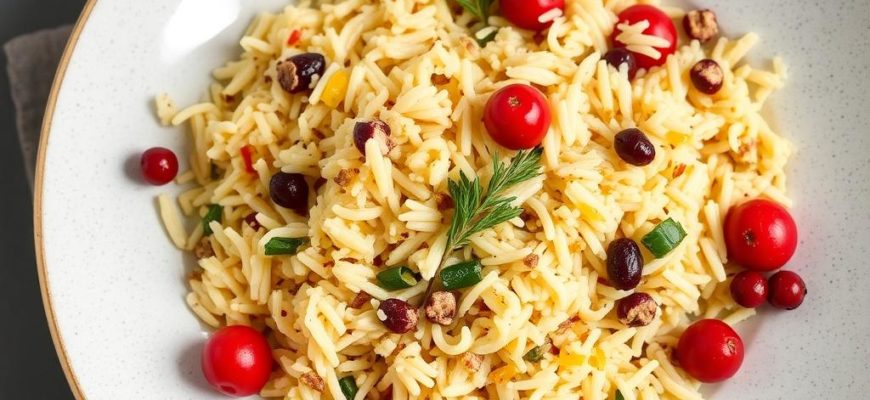
I still remember the first time I tasted pilaf with barberry — a bright, tangy jewel on a bed of saffron-kissed rice, the kind of dish that makes you pause mid-bite and want to know where it came from and how to recreate it at home. It’s comfort and celebration at once: simple rice transformed by tiny bursts of tartness, golden butter, and the deep perfume of saffron. If you’ve ever wanted a dish that looks festive, travels well, and feels like a story on a plate, keep reading — I’ll walk you through its origins, the small tricks that make it sing, and a clear step-by-step recipe so you can make pilaf with barberry in your own kitchen tonight.
- Where Pilaf with barberry Comes From
- A short history of Pilaf with barberry
- Interesting facts about Pilaf with barberry
- Nutritional value Pilaf with barberry
- How pilaf with barberry is loved around the world
- The best step-by-step cooking recipe for Pilaf with barberry
- Ingredients
- Step-by-step method
- Tips for success
Where Pilaf with barberry Comes From
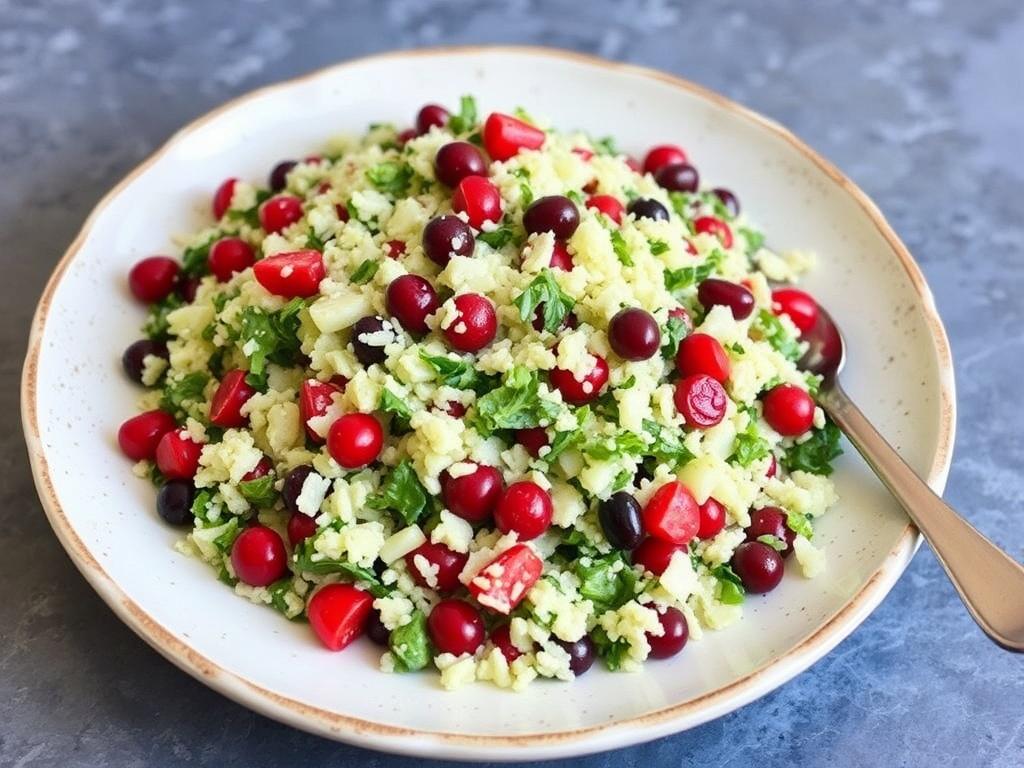
Pilaf with barberry is most closely associated with Persian cuisine. In Persian it’s often called zereshk polo — zereshk meaning barberry and polo meaning rice. The dish grew out of Iranian rice traditions that prize texture and aroma: long-grain rice cooked so each kernel stays separate, saffron added for color and scent, and a topping of zereshk for a lively, slightly sour contrast. Though its strongest roots are in Iran, the idea of rice paired with dried fruits or tart berries shows up throughout the wider Middle East and Central Asia, reflecting shared techniques and tastes across the region.
A short history of Pilaf with barberry
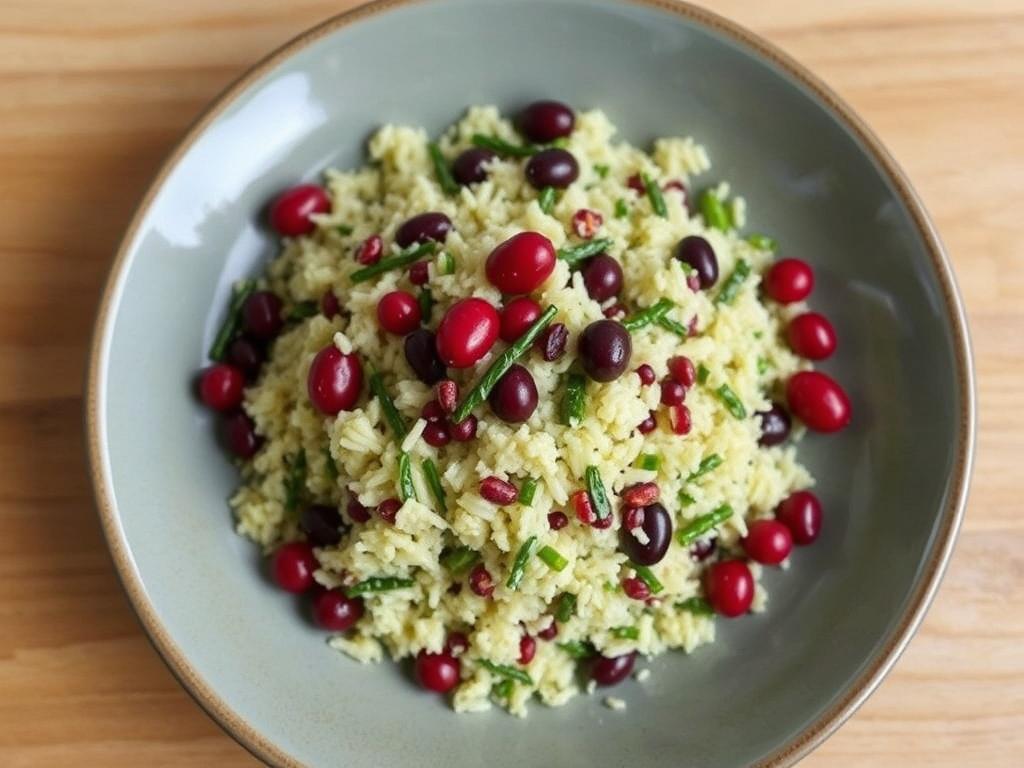
Rice cultivation and the sophisticated rice-cooking methods we see in Persian cuisine developed over centuries. Pilaf with barberry as a named, common dish is a product of those culinary traditions, where rice became the canvas for layers of flavor — spices, butter, dried fruits, and meats. Zereshk itself has been used in Persian cooking for generations, prized for its intense tartness and deep red color. Over time zereshk polo became a celebratory plate, often seen at weddings, family gatherings, and important holidays, served alongside slow-cooked chicken or lamb.
Interesting facts about Pilaf with barberry
- Barberries (zereshk) are tiny, tart berries that are dried and used like a spice — a little goes a long way.
- Because the barberries are very tart, cooks commonly stir in a touch of sugar when sautéing them to round the flavor and balance brightness with richness.
- Saffron is more than garnish here: a few threads infused in hot water lift both color and aroma, turning plain rice into something celebratory.
- There are vegetarian versions that celebrate the barberry topping over simple buttered rice; the combination is naturally gluten-free.
- Preparing the rice with a crisp bottom layer (tahdig) is a valued skill — it’s considered a prized crunch that elevates the dish.
Nutritional value Pilaf with barberry
The nutrition profile of pilaf with barberry varies depending on portion size and whether meat is included. Below are approximate values for a typical plate (rice with barberries and a moderate amount of butter, plus a portion of chicken):
| Component | Approx per serving |
|---|---|
| Calories | 480–550 kcal |
| Carbohydrates | 60–70 g |
| Protein | 20–30 g (with chicken) |
| Fat | 12–20 g (butter/oil + chicken) |
| Fiber | 2–4 g |
| Vitamin C and antioxidants | Small boost from barberries (varies by amount) |
Barberries contribute tang and a small amount of vitamins and antioxidants. If you need a lighter plate, reduce butter or oil and increase the rice-to-meat ratio, or serve with a side salad to add fiber without many extra calories.
How pilaf with barberry is loved around the world
In Iran zereshk polo is a classic, served at family meals and festive occasions. As Persian chefs and home cooks travel and migrate, the dish has entered restaurants and home kitchens across the globe. In neighboring countries you’ll find related pilafs that pair rice with dried fruits, nuts, and spices. In Western cities, restaurants often feature zereshk polo as a signature Persian plate, and home cooks appreciate how visually striking and surprisingly simple the dish is to prepare.
The best step-by-step cooking recipe for Pilaf with barberry
Here’s a reliable recipe for pilaf with barberry that serves 4. I’ll include small tips at each step so the flavors come out bright and balanced.
Ingredients
- 2 cups basmati rice (about 400 g)
- 500 g chicken pieces (thighs or breast), seasoned with salt, pepper, 1 tsp turmeric
- 120 g dried barberries (zereshk), rinsed and picked over
- 4 tbsp butter or clarified butter (ghee) + 2 tbsp neutral oil
- 1 small onion, finely chopped
- 1 tbsp sugar (adjust to taste)
- Pinch of saffron threads, crushed and infused in 2 tbsp hot water
- Salt to taste
Step-by-step method
- Rinse rice several times until the water runs clear, then soak in cold water with a pinch of salt for 30 minutes.
- Cook the chicken: sauté the chopped onion in 1 tbsp oil until soft, add the seasoned chicken, brown briefly, then add 1 cup water, cover and simmer for 25–30 minutes until cooked through. Remove chicken and keep warm; reduce sauce if desired.
- Bring a large pot of salted water to a boil. Add drained rice and cook for 6–8 minutes until the grains are just soft on the outside but still firm inside (al dente). Drain in a colander.
- Prepare a saffron-butter: melt 2–3 tbsp butter, stir in saffron infusion.
- For the tahdig (optional): add a couple tablespoons of oil to the bottom of a heavy pot, spread a thin layer of rice mixed with some saffron-butter, then pile the remaining rice on top. Drizzle remaining saffron-butter over the rice. Cover and steam on low for 30–40 minutes to form a golden crust.
- While rice steams, gently rinse barberries, then sauté them quickly in 1–2 tbsp butter with 1 tbsp sugar on low heat — 1–2 minutes is enough. They can burn easily, so keep the heat low and stir constantly. Remove from heat.
- When rice is done, transfer to a serving platter, topping with the sautéed barberries and arranging chicken pieces on the side or over the rice. Spoon any reduced chicken sauce lightly over the meat.
Tips for success
- Soaking rice helps achieve separate grains; don’t overcook in the boiling step.
- Barberries are fragile — always cook them briefly and at low temperature to avoid bitterness from burning.
- Use real saffron sparingly; a little goes a long way for aroma and color.
- Adjust sugar to balance the tartness of the barberries. Start with less and add more only if needed.
Pilaf with barberry is deceptively simple but full of character. With a bit of patience — soaking rice, careful sautéing of barberries, and a little saffron love — you’ll end up with a plate that’s festive, balanced, and unmistakably Persian in spirit. Try it for a weekend dinner or a special occasion; it’s the kind of dish that invites compliments and second helpings.


