
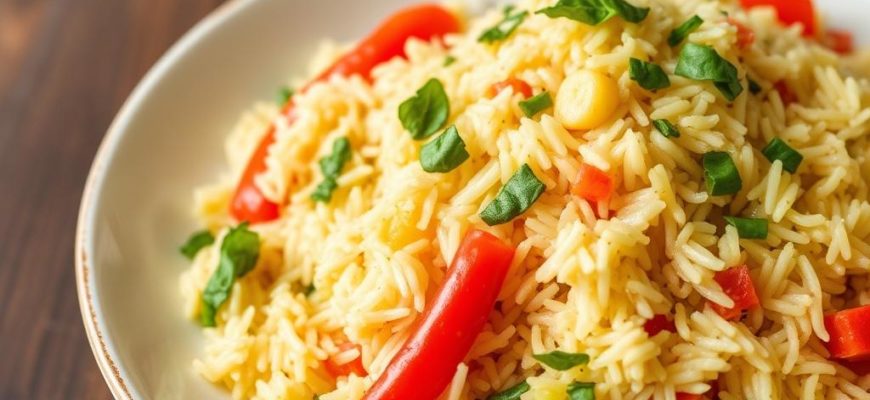
Imagine a warm, colorful bowl that smells like home and travel at the same time: tender rice, sweet bell peppers, and a mix of spices that pull everything into harmony. Pilaf with bell peppers is one of those dishes that looks simple on the surface but reveals layers of comfort and surprise with every spoonful. Whether you want a weekday dinner that feels special or a showstopping side for guests, this dish delivers. Read on and you’ll get its story, what makes it tick, and a step-by-step recipe that anyone can follow.
- Where this pilaf comes from and why it makes sense
- A brief history of pilaf with bell peppers
- What makes this dish special: interesting facts
- Nutrition: what you get in a bowl
- How different countries enjoy their bell pepper pilaf
- The best step-by-step cooking recipe for Pilaf with bell peppers
- Ingredients (serves 4)
- Method
- Tips for success
- Variations and serving ideas
Where this pilaf comes from and why it makes sense
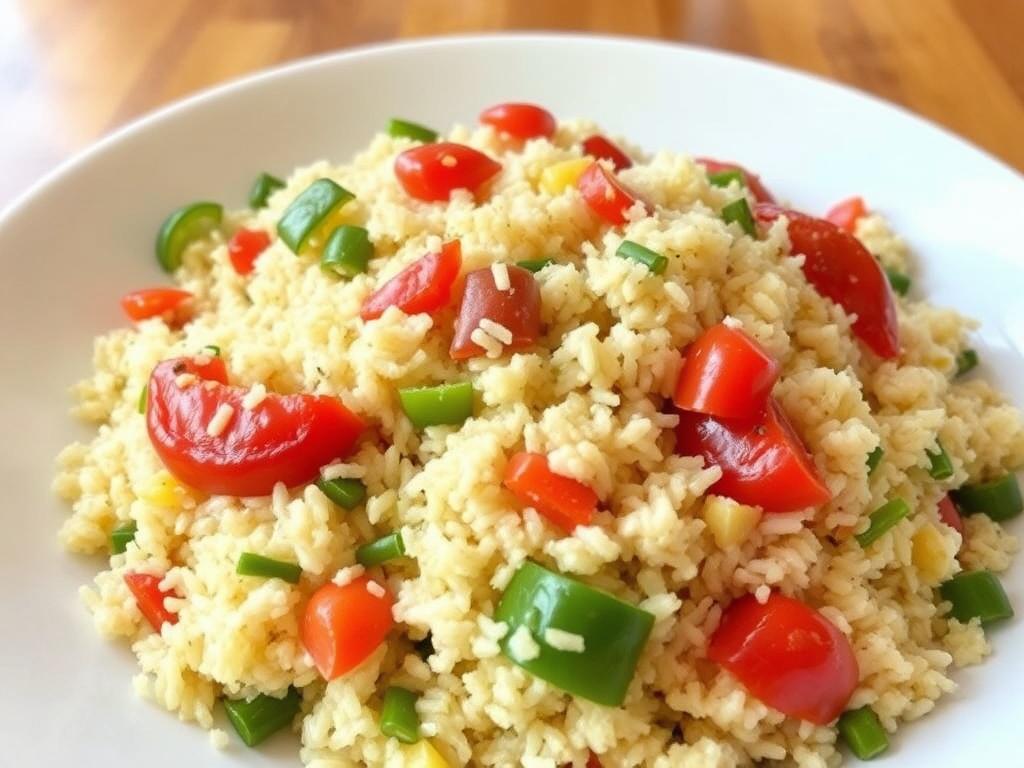
Pilaf, in its many regional guises, traces back to parts of Central and South Asia. People have been cooking rice with broth and aromatics for centuries, and in many kitchens bell peppers made their entry later, after global trade spread new vegetables. Adding bell peppers transforms a classic pilaf by bringing sweetness, color, and a fresh crunch if you leave some pieces slightly firm. The combination is logical: rice soaks up flavors, peppers add vibrant notes, and a handful of spices ties the whole thing together.
A brief history of pilaf with bell peppers
The core technique of pilaf—browning rice, cooking it in seasoned liquid, then gently steaming—has roots in Persian and Central Asian cuisines. As the dish traveled along trade routes and through empires, local produce and preferences shaped variants. Bell peppers arrived in Eurasia after the Columbian exchange, and cooks quickly embraced them. In places where peppers were abundant, families started folding roasted or sautéed peppers into rice, creating regional versions of pilaf with bell peppers. Over time, the recipe moved from peasant tables to banquet spreads, and today you can find it in home kitchens and restaurants alike.
What makes this dish special: interesting facts
- Pilaf is not just boiled rice. The initial toasting of grains changes the texture and adds a layer of nutty flavor.
- Bell peppers come in different colors and each color subtly changes the final taste: red is sweeter, green is sharper, yellow balances in between.
- Mixing roasted peppers into pilaf gives a smoky note without needing a grill; simple stovetop charring works well.
- Vegetarian or with meat, pilaf adapts easily. Lamb, chicken, or mushrooms all pair naturally with bell peppers.
Nutrition: what you get in a bowl
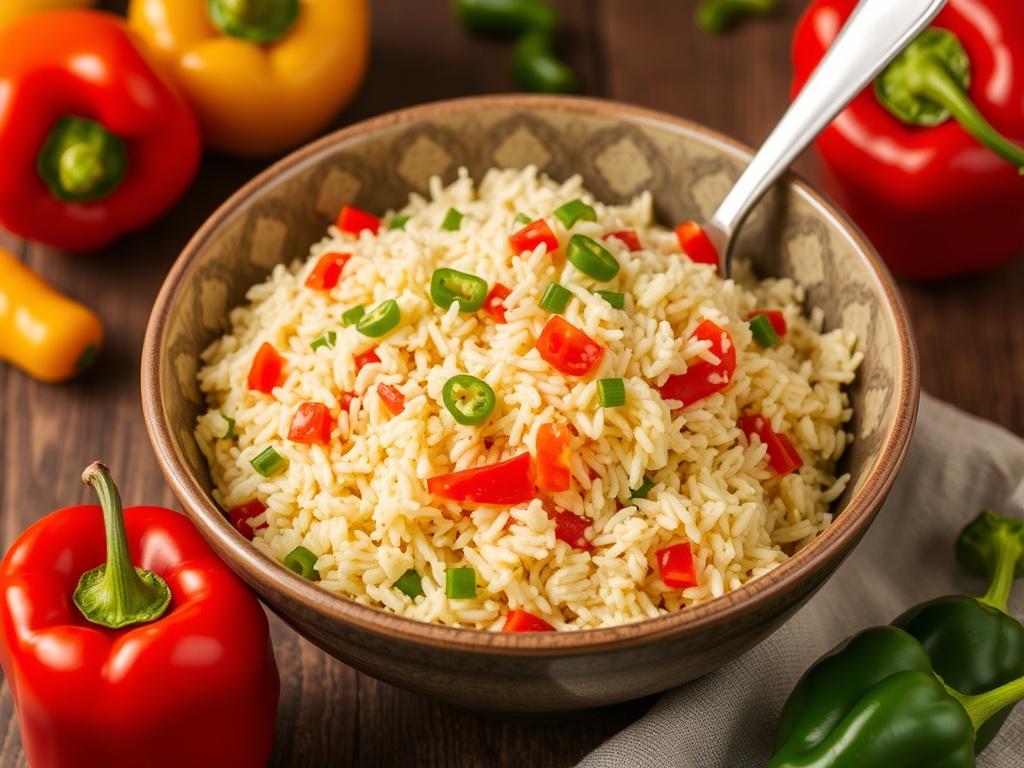
Pilaf with bell peppers offers a balanced mix of carbohydrates, vitamins, and depending on preparation, protein and healthy fats. Bell peppers are rich in vitamin C and beta-carotene, while the rice provides sustained energy. Adding legumes or lean meat increases protein and makes the dish more filling.
| Nutrient (per serving, approximate) | Amount |
|---|---|
| Calories | 350–450 kcal |
| Carbohydrates | 55–65 g |
| Protein | 8–18 g (varies with additions) |
| Fat | 8–15 g |
| Vitamin C | high (thanks to bell peppers) |
How different countries enjoy their bell pepper pilaf
Across regions, the idea stays the same but flavors shift. In Central Asia, pilaf often features toasted carrots, lamb, and a dry, slightly caramelized texture. Add bell peppers there and you get a sweeter, fresher lift. In the Mediterranean, olive oil, tomatoes, and herbs lead the flavor profile, so bell peppers fit naturally. In Eastern Europe, cooks might include smoked meats for a deeper taste. The dish travels well because its components are flexible.
The best step-by-step cooking recipe for Pilaf with bell peppers
Here is a straightforward recipe that balances simplicity and flavor. It’s written so you can scale it up or tweak spices to your taste.
Ingredients (serves 4)
- 1.5 cups long-grain rice, rinsed until water runs clear
- 2 tablespoons vegetable or olive oil
- 1 medium onion, thinly sliced
- 2–3 bell peppers (mix colors), diced
- 2 garlic cloves, minced
- 1 teaspoon ground cumin
- 1/2 teaspoon smoked paprika
- Pinch of turmeric or saffron strands (optional)
- 3 cups hot vegetable or chicken broth
- Salt and black pepper to taste
- Fresh parsley or cilantro for finishing
Method
- Heat oil in a wide, heavy-bottomed pot over medium heat. Add onion and cook until soft and slightly golden, about 6–8 minutes.
- Stir in bell peppers and cook for 4–5 minutes until they begin to soften but still hold some texture. Add garlic, cumin, paprika, and turmeric; stir for 30 seconds until fragrant.
- Add the rinsed rice and toss to coat each grain with oil and spices. Let rice toast for 2–3 minutes, stirring occasionally.
- Pour in hot broth, season with salt and pepper, bring to a gentle boil, then reduce heat to low. Cover tightly and simmer for 15–18 minutes until liquid is absorbed and rice is tender.
- Turn off the heat and let the pot rest, covered, for 10 minutes. Fluff rice with a fork, mix in chopped herbs, and adjust seasoning.
Tips for success
- Rinse rice to remove excess surface starch and prevent clumping.
- Use hot broth so the cooking process is smooth and even.
- If you like a smoky flavor, char the peppers first on a hot pan or under a broiler, then peel and chop.
- For extra richness, brown a little butter with the spices before adding rice.
Variations and serving ideas
Add cooked chickpeas for protein, toss in toasted almonds for crunch, or fold in chopped tomatoes for juicier pilaf. Serve with yogurt, a crisp salad, or roasted vegetables. This dish also reheats well and often tastes even better the next day.
Pilaf with bell peppers is practical, colorful, and adaptable. Once you master the basic rhythm—sauté, toast, simmer—you can experiment with ingredients and spices to make it your own. Try it tonight and notice how a simple bowl can brighten a meal.


