

There’s something incredibly cozy about a warm bowl of pumpkin soup. Maybe it’s the velvety texture or the subtle sweetness that stays with you, like a gentle hug on a chilly day. But pumpkin soup is more than just comfort food—it’s a dish with a story, a journey, and a surprising versatility. If you’ve ever wondered where this beloved soup started, why it’s so special, or how to bring its rich, creamy goodness to your own kitchen, you’re in the right place. Let’s peel back the layers of pumpkin soup and dive into its history, nutrition, and mouthwatering recipes that you won’t want to miss.
- Understanding Pumpkin Soup: What It Is
- A Peek into the Past: The History of Pumpkin Soup
- Where Pumpkin Soup Made Its First Appearance
- Surprising Tidbits: Interesting Facts About Pumpkin Soup
- Nutrition Breakdown: The Nutritional Value of Pumpkin Soup
- Pumpkin Soup Around the World: Popularity in Different Countries
- Top 3 Must-Try Pumpkin Soup Recipes
- Perfect Pairings: What to Eat With Pumpkin Soup
Understanding Pumpkin Soup: What It Is
Pumpkin soup is exactly what it sounds like—a smooth, flavorful soup made primarily from pumpkins. But it’s not just about blending cooked pumpkin into a liquid. What makes pumpkin soup stand out is the balance of flavors and the creamy texture that comes from carefully simmering the pumpkin with ingredients like onions, garlic, herbs, and sometimes cream or coconut milk. It’s a dish that can range from simple and rustic to luxuriously spiced, adapting easily to what’s on hand or personal taste preferences. There’s a comforting earthiness from the pumpkin, often offset by hints of warm spices like cinnamon, nutmeg, or even a touch of heat from chili. It’s the kind of soup you feel both nourished and delighted by.
A Peek into the Past: The History of Pumpkin Soup

Pumpkin soup’s roots run deep, stretching back through centuries of human civilization. Pumpkins themselves were first cultivated in Central America thousands of years ago, prized for their hardy nature and nutritional value. Indigenous peoples often roasted or boiled pumpkin, and early European settlers in America soon adopted pumpkin dishes into their cuisine.
The concept of pumpkin soup, however, really took shape as part of European culinary traditions. In various European countries, slow-cooked vegetable soups featuring squashes and pumpkins became a staple, particularly during autumn harvests. As pumpkins traveled with immigrants and explorers, recipes evolved, mixing local tastes and ingredients. From the thick, creamy pumpkin soups of France to the spiced, stewed versions popular in parts of Asia, the dish’s history reflects a mosaic of cultures and flavors.
Where Pumpkin Soup Made Its First Appearance
While pumpkins originated in the Americas, the idea of pumpkin soup as we know it likely first appeared in European kitchens after pumpkins were introduced there in the 16th century. French cuisine, known for embracing creamy vegetable soups, played a significant role in shaping pumpkin soup’s classic form—sweet but savory, smooth yet hearty.
That said, we can also look at Native American traditions where the pumpkin was often cooked in different ways but rarely as a pureed soup. So, pumpkin soup’s exact birthplace is a bit of a culinary mystery, blending indigenous ingredients with European methods and tastes. It’s this hybridity that gives pumpkin soup its unique charm—a dish that is both simple and sophisticated.
Surprising Tidbits: Interesting Facts About Pumpkin Soup
Few realize that pumpkin soup isn’t just a fall favorite; it’s packed with nutrition and tradition. For example, pumpkins provide a natural sweetness, which means many traditional recipes don’t need much added sugar. Did you know that pumpkin seeds, often roasted and sprinkled on top, add a delightful crunch plus a boost of protein?
And here’s another cool fact: different types of pumpkins—or winter squashes—can dramatically change the soup’s taste and color. A sugar pumpkin, smaller and sweeter than the typical large pumpkin, often results in a more delicate, richer soup. Plus, pumpkin soup has made its way into modern gourmet cuisine, sometimes adorned with truffle oil or paired with crusty artisan bread, showing just how versatile it can be.
Nutrition Breakdown: The Nutritional Value of Pumpkin Soup
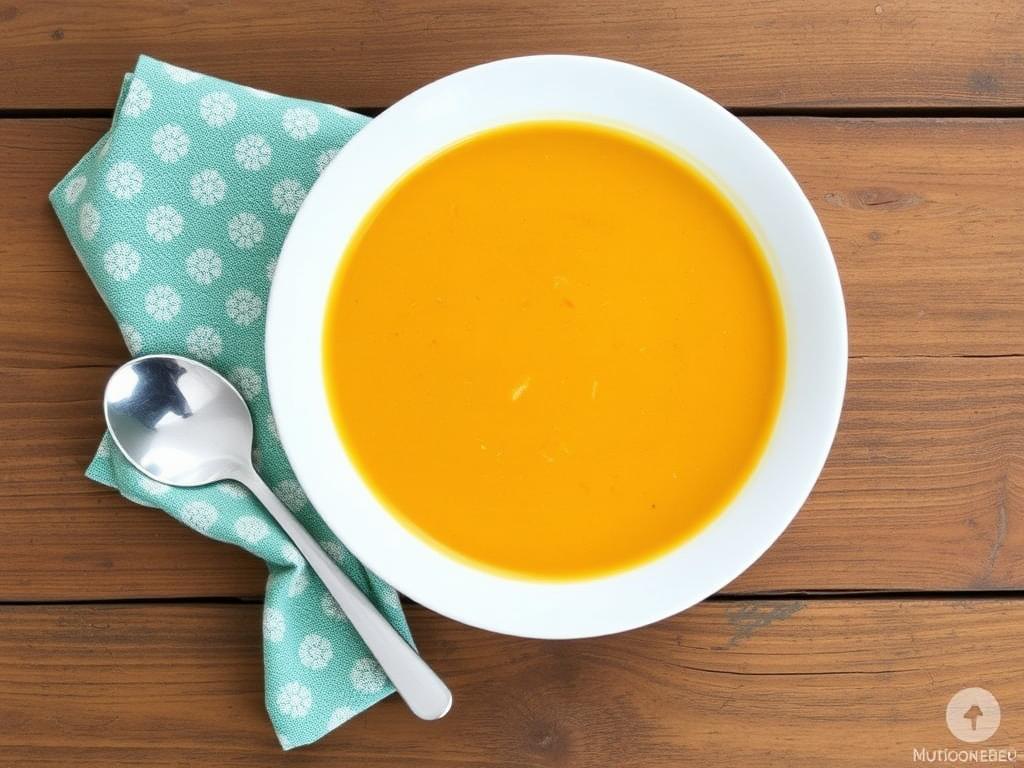
Pumpkin soup isn’t just about taste; it packs a nutritious punch. Here’s a quick look at what you get in a typical serving:
| Nutrient | Amount Per Serving (1 cup) |
|---|---|
| Calories | 80-120 (depending on recipe) |
| Vitamin A | Over 100% of daily need |
| Vitamin C | 10-15% of daily need |
| Fiber | 3-5 grams |
| Potassium | 10-15% of daily need |
| Protein | 2-4 grams |
All this makes pumpkin soup a great choice if you want a light yet filling meal that’s full of antioxidants and immune-supporting vitamins. Plus, it’s easy on the stomach and can fit into many dietary preferences, from vegan to keto, depending on how it’s made.
Pumpkin Soup Around the World: Popularity in Different Countries
Pumpkin soup’s charm isn’t limited by borders. In the United States and Canada, it’s a staple autumn dish, often served at Thanksgiving tables. France embraces it as a velvety starter in restaurants, sometimes enriched with cream or a drizzle of fine olive oil.
East Asia has its own take, with pumpkin soup sometimes featuring coconut milk and ginger, adding an exotic twist. In Australia and New Zealand, pumpkin soup is a common cozy meal during cooler months, often made simple with roasted pumpkin and fresh herbs.
No matter where you go, pumpkin soup adapts, reflecting regional tastes, but always retaining that warm, welcoming vibe.
Top 3 Must-Try Pumpkin Soup Recipes
Want to experience pumpkin soup at its best? Here are three diverse recipes that showcase its flexibility:
- Classic Creamy Pumpkin Soup
Pureed roasted pumpkin, onion, garlic, vegetable broth, and cream, seasoned with nutmeg and black pepper. Garnish with toasted pumpkin seeds. - Spiced Coconut Pumpkin Soup
Pumpkin cooked with coconut milk, fresh ginger, turmeric, and a pinch of chili flakes. Vibrant and aromatic, great for a twist on tradition. - Rustic Chunky Pumpkin Soup
Pumpkin chunks simmered with carrots, celery, and thyme for a hearty texture. Finish with a splash of lemon juice and crusty whole-grain bread.
Try these and notice how a few tweaks can transform the same ingredient into completely different experiences.
Perfect Pairings: What to Eat With Pumpkin Soup
Pumpkin soup is delicious on its own, but pairing it right can elevate the whole meal. Crusty bread, like a rustic baguette or sourdough, is a classic choice—perfect for dunking. A sharp, tangy cheese, such as goat cheese or feta, adds a lovely contrast to the soup’s sweetness.
If you want something fresh to balance the warmth, a crisp green salad with a light vinaigrette is excellent. For a heartier side, roasted nuts or a simple grilled sandwich complement pumpkin soup really well, making the meal feel complete without overshadowing the star.
Whether you’re planning a casual lunch or an elegant dinner, pumpkin soup offers a versatile canvas for creativity and comfort. It’s a dish that invites you to gather around the table and savor the season—and that’s the real magic.


