
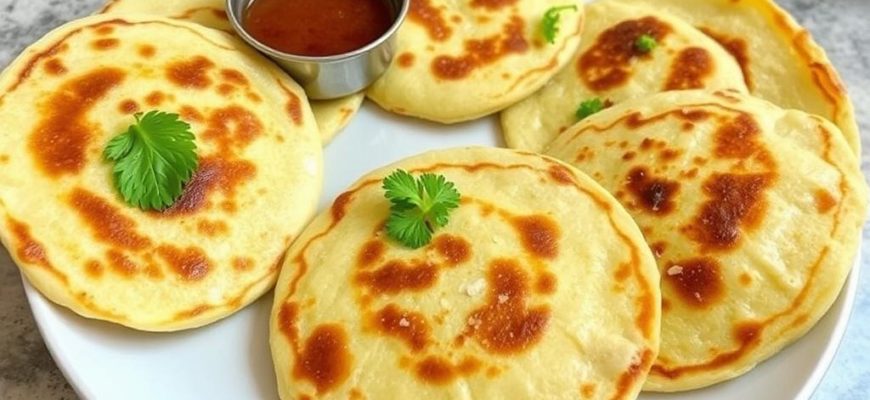
If you’ve ever wandered into a South Indian kitchen early in the morning, you might have been stopped by the smell of something nutty, warm and quietly irresistible — thin, green pancakes sizzling on the tawa. That’s pesaratthu Indian pancakes calling you over. They’re simple but full of character: made from moong (green gram), spiced gently, and often teamed with tangy chutney or soft upma. Stick around and I’ll walk you through what they are, where they came from, why they keep popping up on breakfast plates from Hyderabad to Houston, and how you can make three great versions at home.
- What Pesaratthu Indian pancakes Are and Why They Matter
- History of Pesaratthu Indian pancakes
- Where Pesaratthu Indian pancakes First Appeared
- Interesting Facts about Pesaratthu Indian pancakes
- Nutritional Value of Pesaratthu Indian pancakes
- Popularity of Pesaratthu Indian pancakes Around the World
- Three Best Recipes for Cooking Pesaratthu Indian pancakes
- Classic Pesaratthu
- Pesaratthu with Onion Filling (street-style)
- Pesaratthu with Upma Stuffing (a complete meal)
- What to Eat with Pesaratthu Indian pancakes
What Pesaratthu Indian pancakes Are and Why They Matter
Pesaratthu Indian pancakes are savory crepes made primarily from soaked and ground green gram (moong dal), sometimes mixed with a little rice or flattened rice for texture. Unlike the familiar rice-and-urad-dal dosa, pesaratthu has a fresh green color and a nutty, slightly sweet flavor. The batter is usually thin enough to spread on a hot skillet, and you’ll often find finely chopped onions, chilies and ginger added either into the batter or as a filling. They’re a breakfast staple in Andhra cuisine but versatile enough for lunch or a light dinner.
History of Pesaratthu Indian pancakes
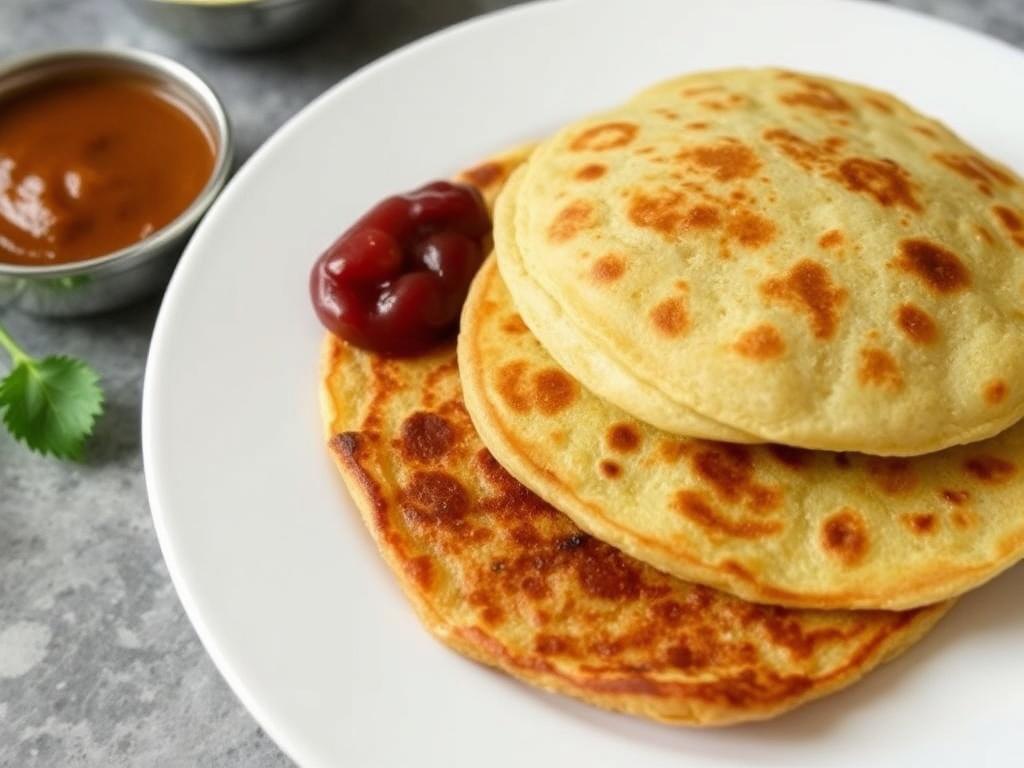
Pesaratthu evolved in Telugu-speaking regions where pulses grow well and feature heavily in daily food. Moong dal has been a kitchen constant for centuries, prized for its ease of digestion and quick cooking after soaking. Over time, people adapted the dosa technique — pour and spread batter on a hot surface — to moong batter, creating a dish that’s faster to prepare than fermented dosas and richer in protein. The result became a beloved staple in Andhra households, especially where early-morning meals need to be both quick and nourishing.
Where Pesaratthu Indian pancakes First Appeared
These pancakes have their roots in Andhra Pradesh and Telangana. Coastal cities and inland towns alike developed local twists, but the core idea remained the same: a moong batter turned into a thin pancake on a cast-iron tawa. Market vendors, home cooks and street-food stalls all helped spread its popularity across the Telugu belt, and from there it traveled with people to other Indian states and abroad.
Interesting Facts about Pesaratthu Indian pancakes
- Pesaratthu often appears in twin combinations: the pancake served with upma stuffed inside, called pesarattu-upma — a hearty, textural pair.
- Because the batter doesn’t need fermentation, you can make pesaratthu the same day you soak the moong, which makes it a favorite when time is short.
- There are many spellings — pesarattu, pesaratthu — but they point to the same green, savory pancake.
- It’s naturally gluten-free and easily vegan, making it appealing to various modern diets.
Nutritional Value of Pesaratthu Indian pancakes
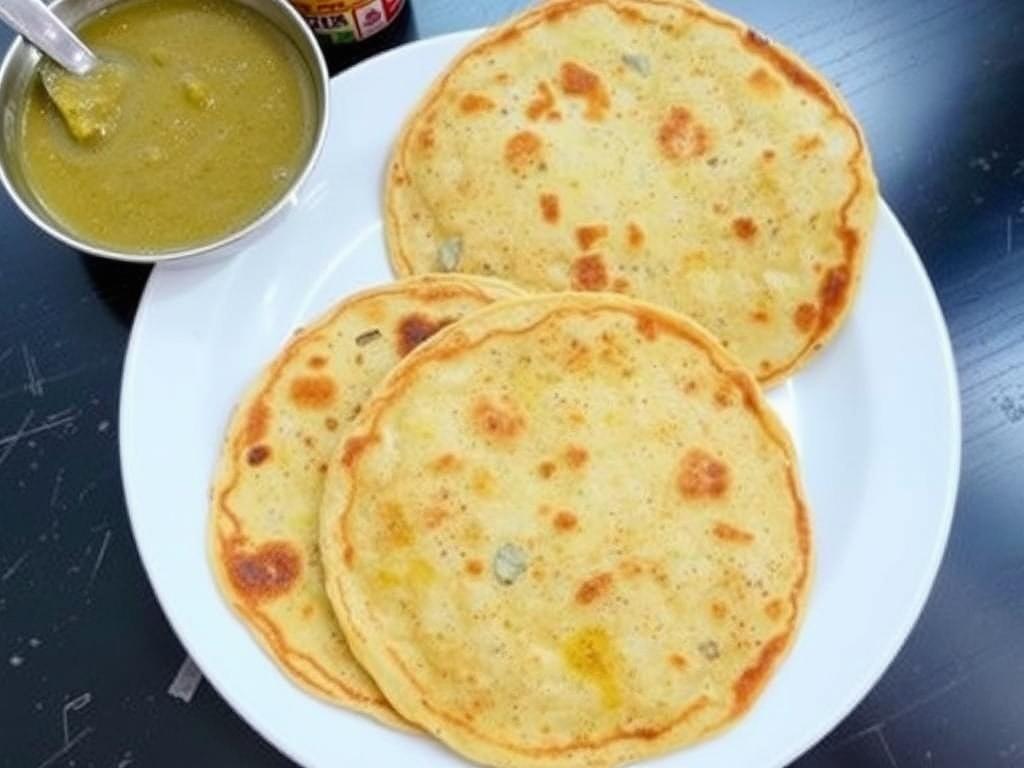
Pesaratthu Indian pancakes score well on protein and fibre, thanks to moong dal. Here’s a rough nutritional snapshot for a 100 g portion (values are approximate and depend on recipe and oil used):
| Nutrient | Approximate amount per 100 g |
|---|---|
| Calories | 120–150 kcal |
| Protein | 7–9 g |
| Carbohydrates | 15–20 g |
| Fiber | 3–4 g |
| Fat | 3–6 g (depends on oil) |
| Vitamins & minerals | Good source of iron, potassium, B-vitamins |
Popularity of Pesaratthu Indian pancakes Around the World
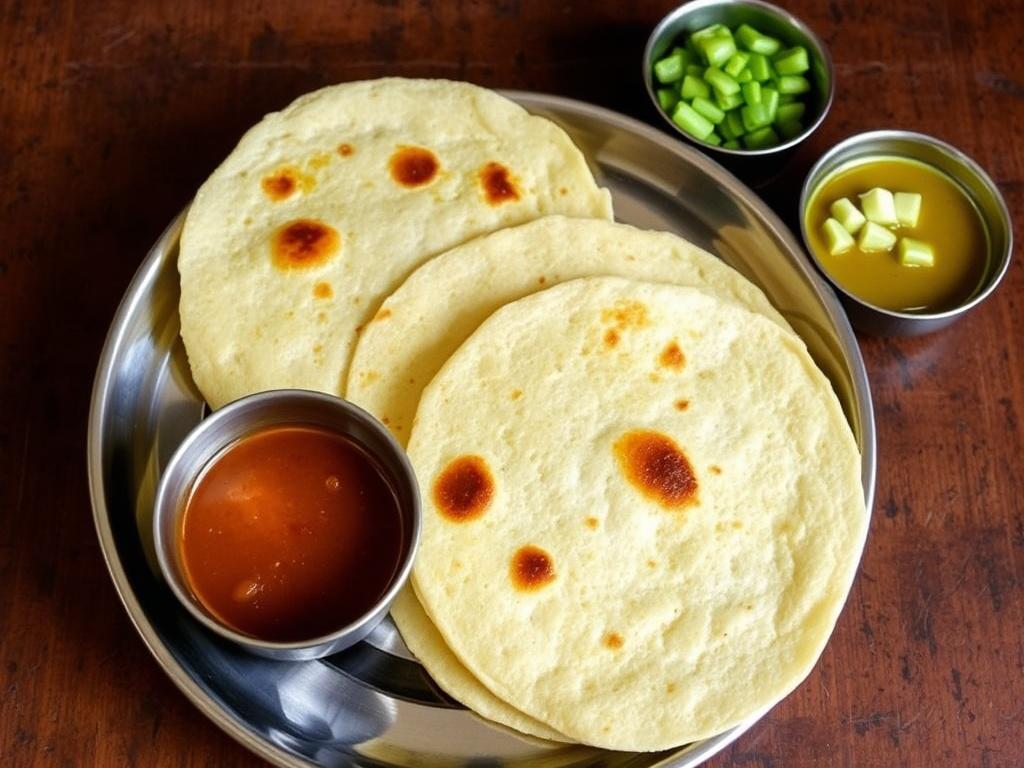
Pesaratthu Indian pancakes have traveled with communities and made friendly inroads into international brunch menus and Indian restaurants. In countries with significant Telugu or South Indian diaspora — United States, United Kingdom, Australia, Singapore — you’ll find versions on breakfast menus or in home kitchens. Chefs abroad sometimes adapt them with local twists, such as using different pulses, adding herbs, or pairing with contemporary chutneys. Still, their strongest following remains among people who grew up eating them or discovered them through home cooks.
Three Best Recipes for Cooking Pesaratthu Indian pancakes
Classic Pesaratthu
Ingredients:
- 1 cup whole green gram (moong)
- 2 tbsp rice or cooked rice (optional, for crispiness)
- 1–2 green chilies, chopped
- 1″ ginger, chopped
- Salt and water to grind
- Oil for cooking
Method: Soak moong (and rice) 4–5 hours. Grind with chilies, ginger and salt adding water to a smooth yet slightly coarse batter. Heat a skillet, pour a ladle, spread thin, drizzle oil and cook until golden. Flip briefly. Serve hot.
Pesaratthu with Onion Filling (street-style)
Ingredients: classic batter plus
- 1 small onion, finely chopped
- Fresh coriander, a pinch
- Optional: cumin seeds, a squeeze of lemon
Method: Spread batter, sprinkle onions and coriander over the wet surface, press gently then flip and cook. The onions caramelize slightly and add crunch and sweetness.
Pesaratthu with Upma Stuffing (a complete meal)
Ingredients for upma: semolina, mustard seeds, curry leaves, chopped vegetables and salt.
Method: Prepare a loose upma. Make pesaratthu on the skillet, place a spoonful of upma on it, fold like a roll or triangle. This combo is filling and popular for on-the-go breakfasts.
What to Eat with Pesaratthu Indian pancakes
Pesaratthu Indian pancakes pair beautifully with:
- Ginger chutney (allam pachadi) — a classic, tangy companion.
- Coconut chutney — cool and creamy.
- Tomato or peanut chutney — richer, nuttier options.
- Plain upma or a lightly spiced vegetable sabzi — for a heartier plate.
- Yogurt or aachar — for those who want a contrast in temperature and sting.
If you’re curious to try one of these right now, start with the classic batter. It’s forgiving, quick, and reveals why this humble green pancake has been a favorite for generations. Once you master the basic spread and sizzle, you can play — onions, herbs, or a spoonful of upma will turn a simple breakfast into something you’ll crave again.


