

There’s something oddly comforting about a steaming bowl of cabbage soup. Maybe it’s the way it fills the kitchen with a subtle, earthy aroma, or the gentle, soothing warmth it offers on a chilly day. But beyond cuddly feelings and simplicity, cabbage soup carries a rich tapestry of stories, history, and nutritional quirks that many overlook. You might think it’s just cabbage and water, but in reality, this humble dish has traveled continents, evolved through cultures, and even sparked debates among food lovers and nutritionists. If you ever wondered what cabbage soup really is, where it all began, and why it remains a staple in kitchens worldwide, you’re about to dive deep and see this unassuming recipe in a whole new light. Let’s explore the layers hiding beneath those tender cabbage leaves.
- Unpacking What Cabbage Soup Is All About
- Tracing the Roots: A Look at the History of Cabbage Soup
- The Origins: Where Cabbage Soup First Made a Splash
- Unveiling Little-Known Facts About Cabbage Soup
- Breaking Down the Nutritional Value of Cabbage Soup
- Cabbage Soup Around the Globe: A Worldwide Craze
- Three Go-To Recipes to Master Cabbage Soup at Home
- Classic Eastern European Cabbage Soup
- Light Vegan Cabbage Soup
- Spicy Korean-Style Cabbage Soup
- Perfect Pairings: What Goes Well with Cabbage Soup
Unpacking What Cabbage Soup Is All About

At first glance, cabbage soup might seem like the simplest thing ever—boiled cabbage in water. But it’s far from basic. This soup is usually a medley of chopped cabbage simmered with various other vegetables like carrots, onions, and tomatoes, sometimes enriched with broth and spices. The exact ingredients tend to shift depending on the region or family recipe, resulting in a soup that’s as versatile as it is comforting. Making cabbage soup isn’t just about mixing ingredients; it’s about coaxing out the gentle sweetness of cabbage while balancing fresh, savory notes. The beauty of this soup is how it adapts—sometimes chunky and hearty, sometimes light and broth-y—offering a perfect bowl almost any time of year.
Tracing the Roots: A Look at the History of Cabbage Soup
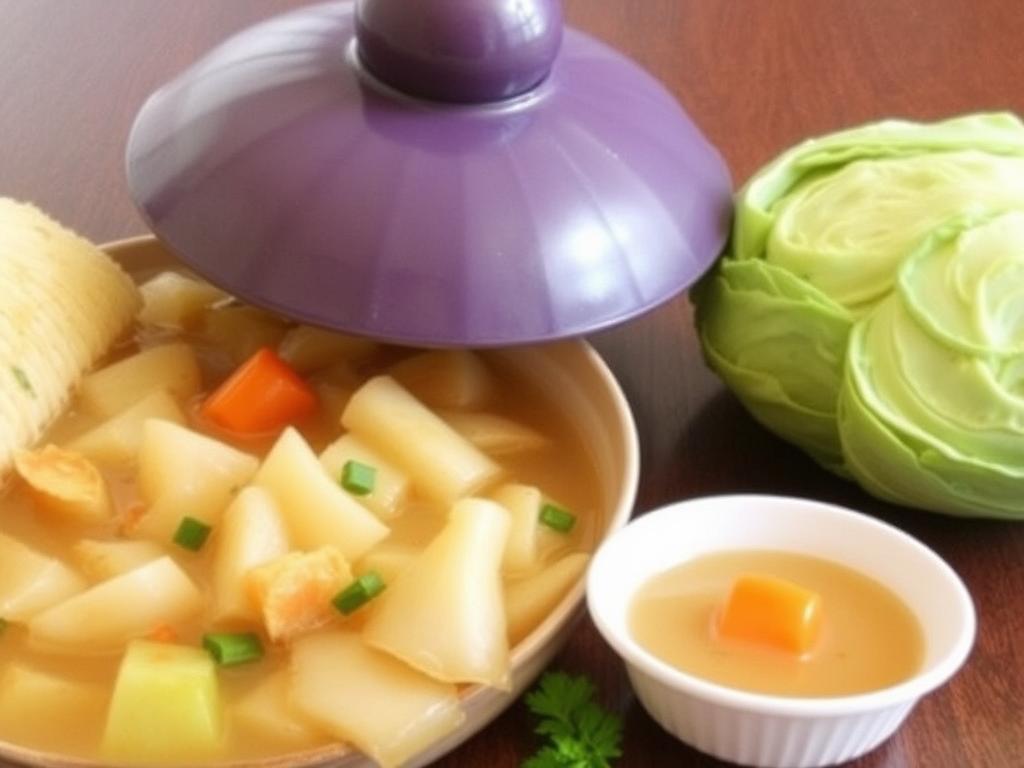
Cabbage soup has been knocking around for centuries, and its story mirrors the history of cabbage itself, a vegetable known to humans since ancient times. Originally grown in Europe and Asia, cabbage found its way into many traditional dishes. But why a soup? Well, soups have always been a practical way to stretch ingredients and feed families hearty meals without much fuss. In medieval Europe, cabbage soup was common among peasants, who used readily available vegetables and whatever scraps they had, simmering them into nourishing broths. Over the centuries, cabbage soup took on regional twists—each culture adding its own unique flavors and techniques, transforming a simple dish into a culinary tradition.
The Origins: Where Cabbage Soup First Made a Splash
It’s tricky to pin down exactly where cabbage soup first appeared because cabbage has been a kitchen staple for so long. That said, Eastern Europe grabs much of the credit, notably Russia, Poland, and the Baltic countries, where hearty soups are culturally significant. In Russia, for instance, cabbage soup—or “shchi”—has been eaten for over a thousand years, often paired with sour cream and rye bread. But don’t forget the French, who have their version called “potée,” a meat and cabbage stew. This shows how cabbage soup isn’t a single recipe but a family of dishes tied together by one star ingredient.
Unveiling Little-Known Facts About Cabbage Soup
You might be surprised by some of the nuggets that revolve around cabbage soup. For instance, it’s often linked with popular diet fads, like the infamous “cabbage soup diet” that promises quick weight loss—but nutritionists warn about its limitations. Another intriguing tidbit: in the past, cabbage soup was considered a cure for many ailments, from indigestion to inflammation. Its high vitamin C content helped prevent scurvy among sailors, who couldn’t get fresh produce on long voyages. And here’s a fun fact—cabbage is part of the brassica family, which includes broccoli and kale, known for their cancer-fighting properties. So, not only is cabbage soup delicious and filling, but it’s also got some potential health perks.
Breaking Down the Nutritional Value of Cabbage Soup
Here’s where cabbage soup becomes a powerhouse. It’s low in calories but full of fiber, vitamins, and minerals that support digestion and overall health. Take a look at this rough nutritional snapshot per one serving (about 1 cup):
| Nutrient | Amount |
|---|---|
| Calories | 50-70 kcal |
| Fiber | 3-4 grams |
| Vitamin C | 40% of daily value |
| Vitamin K | 60% of daily value |
| Potassium | 200-300 mg |
What does this mean in practice? Eating cabbage soup helps keep your digestion smooth and gives your immune system a little boost. It’s also surprisingly hydrating because of the soup’s broth content. That said, the real nutritional punch depends on what else you add—some recipes include meat or beans for protein, while others focus on staying purely plant-based.
Cabbage Soup Around the Globe: A Worldwide Craze
The love for cabbage soup transcends borders. In countries like Poland and Russia, it’s a traditional staple, often cooked during winter or holidays. In the United States, it gained popularity during the mid-20th century, especially tied to weight loss programs and “dieter’s soups.” Meanwhile, in Korea, a version called “baechu guk” highlights fermented cabbage with a punchy, spicy twist. Even parts of Latin America have their own takes, incorporating local spices and ingredients to change its character. What’s fascinating is how each culture molds cabbage soup into something that fits local tastes yet still carries the essence of cabbage.
Three Go-To Recipes to Master Cabbage Soup at Home
Ready to cook? Here are three solid recipes showcasing how flexible cabbage soup can be.
Classic Eastern European Cabbage Soup
- Ingredients: cabbage, carrots, onion, potatoes, tomatoes, beef or vegetable broth, salt, pepper, bay leaves.
- Instructions: Sauté onions and carrots, add broth and chopped cabbage with potatoes and tomatoes. Simmer until tender. Season and serve with rye bread.
Light Vegan Cabbage Soup
- Ingredients: green cabbage, onion, garlic, celery, carrots, diced tomatoes, vegetable stock, thyme, salt, pepper.
- Instructions: Sauté onion and garlic, add the rest with stock and herbs. Simmer gently until cabbage is soft.
Spicy Korean-Style Cabbage Soup
- Ingredients: Napa cabbage, garlic, ginger, gochugaru (Korean chili flakes), vegetable broth, soy sauce, green onions.
- Instructions: Combine all in a pot, simmer until cabbage wilts, and adjust spiciness to taste.
Perfect Pairings: What Goes Well with Cabbage Soup
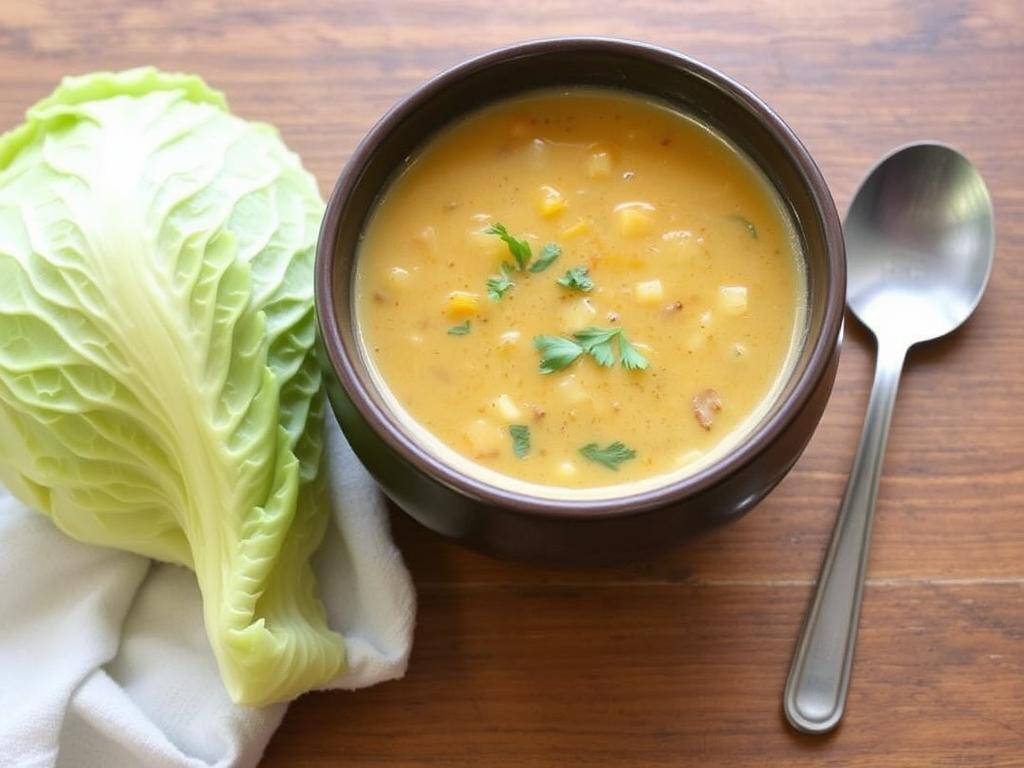
Cabbage soup on its own is fine, but pairing it right turns the meal up a notch. Classic matches include crusty rye or sourdough bread to soak up the broth or a dollop of sour cream that adds creaminess and a mild tang. Some people like to add a side of smoked sausage or hearty boiled potatoes, especially if the soup is on the lighter side. For a vegan touch, toasted seeds or nuts sprinkled on top give it an unexpected crunch. And if you want to make it a whole feast, a crisp salad or pickled vegetables bring a fresh contrast to the mellow cabbage. Simple, comforting, and endlessly adaptable—that’s the magic of cabbage soup and its companions.
—
Cabbage soup isn’t just another recipe; it’s a dish that carries culture, history, and health wrapped in every bowl. Next time you dive into this humble soup, remember you’re partaking in a global tradition that’s as rich in stories as it is in flavor.


