
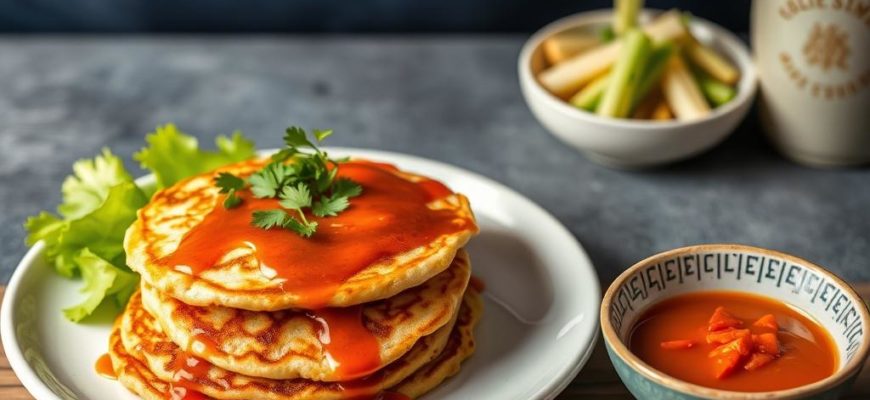
There’s something about the sizzle of a kimchi pancake hitting a hot pan that immediately pulls you in. The crispy edges, the spicy aroma, and that tangy, fermented crunch from the kimchi—it’s a sensory invitation that’s hard to resist. Whether you’re new to Korean cuisine or a seasoned fan eager to explore, kimchi pancakes offer a perfect blend of flavors that’s both comforting and exciting. But what exactly are kimchi pancakes, where did they come from, and how can you replicate that perfect bite at home? Stick around, and by the end, you might just find yourself flipping your own batch in the kitchen.
- What Exactly Are Kimchi Pancakes
- The Journey Through Time: The History of Kimchi Pancakes
- Where Kimchi Pancakes First Appeared
- Interesting Facts About Kimchi Pancakes
- Breaking Down the Nutrition of Kimchi Pancakes
- How Kimchi Pancakes Have Won Hearts Around the Globe
- Top 3 Recipes to Master Kimchi Pancakes at Home
- Classic Kimchi Pancakes
- Seafood Kimchi Pancakes
- Vegan Kimchi Pancakes
- Perfect Pairings: What Goes Well with Kimchi Pancakes
What Exactly Are Kimchi Pancakes
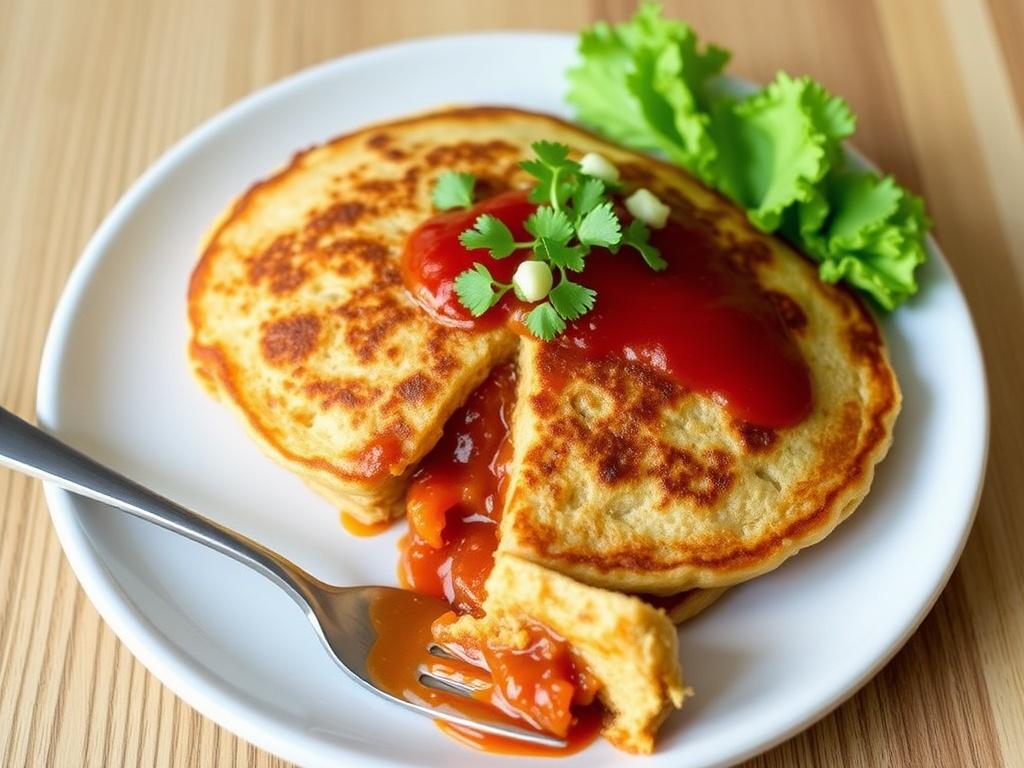
At first glance, kimchi pancakes might seem like a simple snack—a flat, fried patty with bits of kimchi inside. But they are so much more than that. Known as “kimchi jeon” in Korean, these pancakes combine chopped kimchi with a basic flour batter. The secret lies in their balance of crispy outside with a chewy, spicy inside filled with the deep, fermented flavor of kimchi. Unlike traditional Western pancakes, these aren’t sweet; instead, they’re savory, tangy, and often have a subtle kick of heat depending on how spicy your kimchi is.
The batter typically consists of wheat flour or rice flour, water, and sometimes an egg to bind everything. Into this mix goes a generous scoop of chopped kimchi, occasionally enhanced with scallions, onions, or even seafood like small oysters or shrimp for depth. Then the golden magic happens on a hot skillet with a drizzle of oil, where the edges crisp up perfectly while the center stays tender.
The Journey Through Time: The History of Kimchi Pancakes
Kimchi pancakes have a quiet but meaningful history embedded in Korean culture. The tradition of jeon, or pan-fried pancakes, dates back centuries, with recipes evolving alongside Korea’s culinary journey. The exact birth of kimchi pancakes is a little fuzzy—likely a natural evolution where leftover kimchi mixed with simple batter became a quick, satisfying meal. This practical use of fermented cabbage ensured nothing went to waste during leaner times.
Historically, kimchi itself was a staple preservation method, especially crucial during harsh winters. Kimchi pancakes stand out as one of the tastiest ways to enjoy kimchi when it starts turning extra sour, offering a second life to the pungent cabbage. Over time, these pancakes went from humble home food to restaurant favorites, creating a bridge between Korean home cooking and street food culture.
Where Kimchi Pancakes First Appeared
Pinpointing exactly where kimchi pancakes first appeared is tricky because of their homegrown, everyday origins. They were not created by a master chef in a fancy kitchen but likely came from rural households across Korea, where frugality met creativity. Regions known for kimchi production, such as the southern provinces of Korea, probably saw these pancakes appear early on as a way to revitalize preserved kimchi.
Today, these crispy bites have spread far beyond their place of origin, becoming a popular snack in bustling Seoul markets and Korean eateries worldwide. Their adaptability keeps them fresh, whether served as street food or as part of a formal meal.
Interesting Facts About Kimchi Pancakes
– Kimchi pancakes are often eaten with a dipping sauce made of soy sauce, vinegar, and a touch of sugar or sesame oil—this balance lifts the flavors even higher.
– Their popularity spikes in Korea during the rainy season, when comfort foods are in demand, making their crispy texture even more inviting.
– Chefs worldwide put creative spins on kimchi pancakes, sometimes packing in cheese or substituting ingredients to suit different tastes.
– Despite the name “pancakes,” the dish shares more with savory fritters than with the fluffy, sweet pancakes familiar in Western brunches.
Breaking Down the Nutrition of Kimchi Pancakes
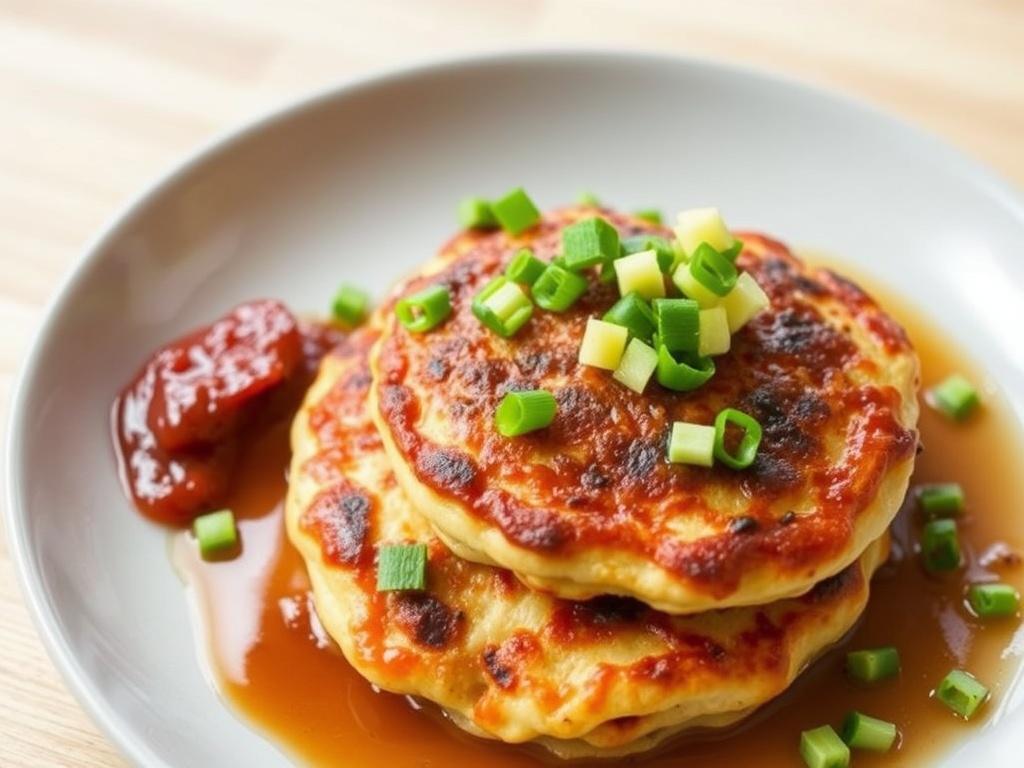
Kimchi pancakes hold their own nutritionally, offering a good amount of probiotics from the fermented kimchi. Here’s a rough look at what you can expect from an average serving:
| Nutrient | Amount (per serving) |
|---|---|
| Calories | 200–250 kcal |
| Protein | 5–7 grams |
| Carbohydrates | 25–30 grams |
| Fat | 7–10 grams |
| Fiber | 2–4 grams |
| Sodium | High, due to kimchi |
While these pancakes are relatively balanced, watch out for the sodium content if you’re sensitive, as kimchi can push those numbers up. But on the bright side, the fermented veggies add beneficial bacteria and vitamins.
How Kimchi Pancakes Have Won Hearts Around the Globe
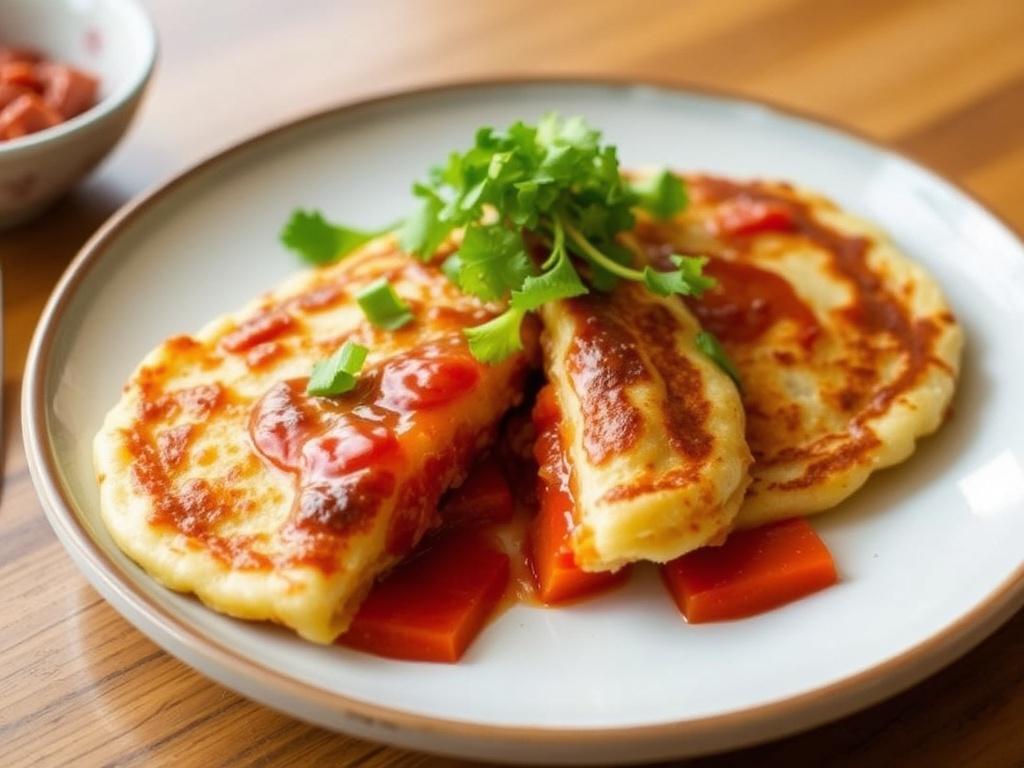
The international appeal of kimchi pancakes is a testament to their versatility and flavor punch. Korean restaurants from New York to Sydney feature them as irresistible starters or snacks. Food bloggers and home cooks around the world share recipes adapted to local ingredients, boosting the dish’s popularity.
What’s fascinating is how the pancake serves as a culinary ambassador—a way for people unfamiliar with kimchi to take their first flavorful step toward Korean food. Pair that with the ease of preparation and the endless ways to tweak the recipe, and it’s no wonder kimchi pancakes are gaining traction far beyond Korea’s borders.
Top 3 Recipes to Master Kimchi Pancakes at Home
Classic Kimchi Pancakes
- Ingredients: Flour, water, chopped kimchi, scallions, vegetable oil.
- Method: Mix flour and water into a batter, stir in kimchi and scallions, and fry in hot oil until crispy on both sides.
Seafood Kimchi Pancakes
- Ingredients: Flour, water, kimchi, chopped shrimp or oysters, garlic, and scallions.
- Add seafood for a richer flavor and slightly more indulgent bite.
Vegan Kimchi Pancakes
- Ingredients: Rice flour, water, vegan kimchi (no fish sauce), and veggies like carrots and mushrooms.
- Demonstrates that you don’t need eggs or animal products to enjoy the crispy pancake goodness.
Perfect Pairings: What Goes Well with Kimchi Pancakes
Aside from enjoying kimchi pancakes solo, the right accompaniments can elevate the dish. Traditionally, these pancakes come with a dipping sauce made from soy sauce, vinegar, and sesame oil, sometimes garnished with chili flakes or chopped chives. This adds a sharp contrast that cuts through the richness.
Pairing kimchi pancakes with a refreshing salad or light soup can balance the meal well, especially something mild like a clear broth or cucumber salad. And if you’re sharing the table Korean-style, grab some rice and side dishes (banchan) for a complete experience.
All in all, kimchi pancakes are more than just a tasty bite—they offer a gateway into Korean flavors, history, and comfort. Whether you cook them at home or try them in a local Korean restaurant, their crunchy, tangy charm is something worth exploring. Give the recipes a shot and let yourself fall in love with this crisp, fiery classic.


