
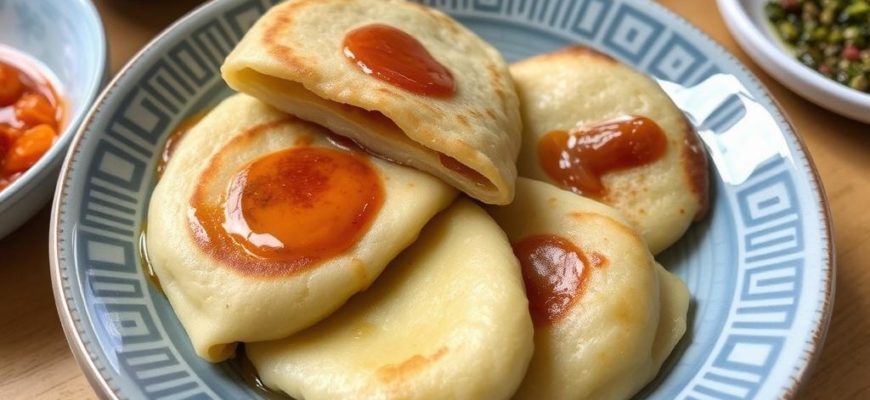
Imagine biting into a warm, flaky pancake that feels like a gentle hug from China’s culinary past. This isn’t your typical breakfast fare; Chinese Laobing pancakes hold a story, a history, and a flavor that lingers long after the last bite. Whether you’re a seasoned foodie or just curious about a new taste adventure, Laobing offers a comforting yet intriguing experience that deserves a spot on your table. Let’s peel back the layers of this humble pancake and see what makes it so special.
- What Exactly Are Chinese Laobing Pancakes
- The Story Behind Chinese Laobing Pancakes
- The Birthplace of Laobing
- Curious Tidbits About Chinese Laobing Pancakes
- Nutritional Profile of Chinese Laobing Pancakes
- How Laobing Has Gained Popularity Worldwide
- Three Tried-and-True Recipes to Make Laobing at Home
- Classic Plain Laobing
- Scallion Laobing
- Spiced Beef Laobing
- Pairing Laobing: What Complements These Pancakes Best
What Exactly Are Chinese Laobing Pancakes
Chinese Laobing pancakes are flatbreads made from wheat flour, water, and sometimes a pinch of salt. They’re pan-fried to golden perfection, boasting a crispy exterior and a soft, chewy interior layered with subtle layers—almost like a savory croissant but simpler and down-to-earth. Unlike the fluffy American pancakes drowned in syrup, Laobing are denser, more bread-like, and often served as part of a meal rather than just breakfast. Laobing can be plain or stuffed with various fillings like scallions, five-spice powder, or even finely chopped marinated beef, making them versatile and satisfying any time of the day.
The Story Behind Chinese Laobing Pancakes
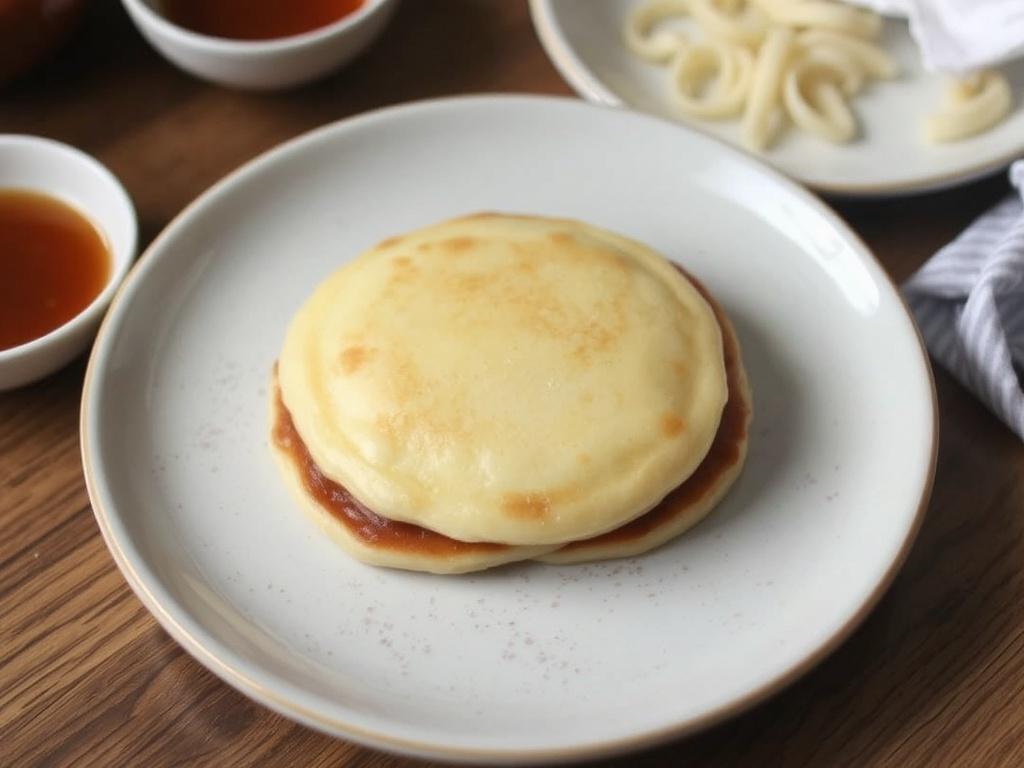
The history of Chinese Laobing pancakes stretches back centuries, rooted deeply in northern China where wheat-based foods dominate due to climate and agriculture. Laobing’s simplicity hints at its origins as a staple for hardworking farmers and laborers who needed hearty, portable food. Over time, homes and street vendors alike embraced Laobing, transforming it from a basic flatbread into a cultural icon. Its rustic look and comforting taste echo the resilience and ingenuity of everyday Chinese life, making it much more than just food—it’s a piece of living tradition.
The Birthplace of Laobing
You’ll find the earliest mention and most notable presence of Laobing in northern provinces like Hebei and Shandong. The cooler climate in these regions favored wheat farming over rice, so Laobing became a daily companion. Unlike the southern parts of China, where rice dominates, northern kitchens revolve around wheat dough, giving rise to delicacies like steamed buns, noodles, and, of course, Laobing. In bustling markets and humble homes, Laobing’s distinctive aroma has long been a comforting fixture.
Curious Tidbits About Chinese Laobing Pancakes
– Laobing is sometimes mistaken for Jianbing, another Chinese pancake, but while Jianbing is thinner and folded with egg and sauces, Laobing sticks to heartier, doughy layers.
– The name “Lao” means “old” or “traditional,” hinting at the pancake’s long-standing place in Chinese food culture.
– Traditionally, Laobing was cooked on cast iron griddles, giving it that nostalgic crispy edge.
– Laobing’s layered texture comes from rolling and folding the dough multiple times before frying, a bit like making a classic French puff pastry, but way simpler.
Nutritional Profile of Chinese Laobing Pancakes
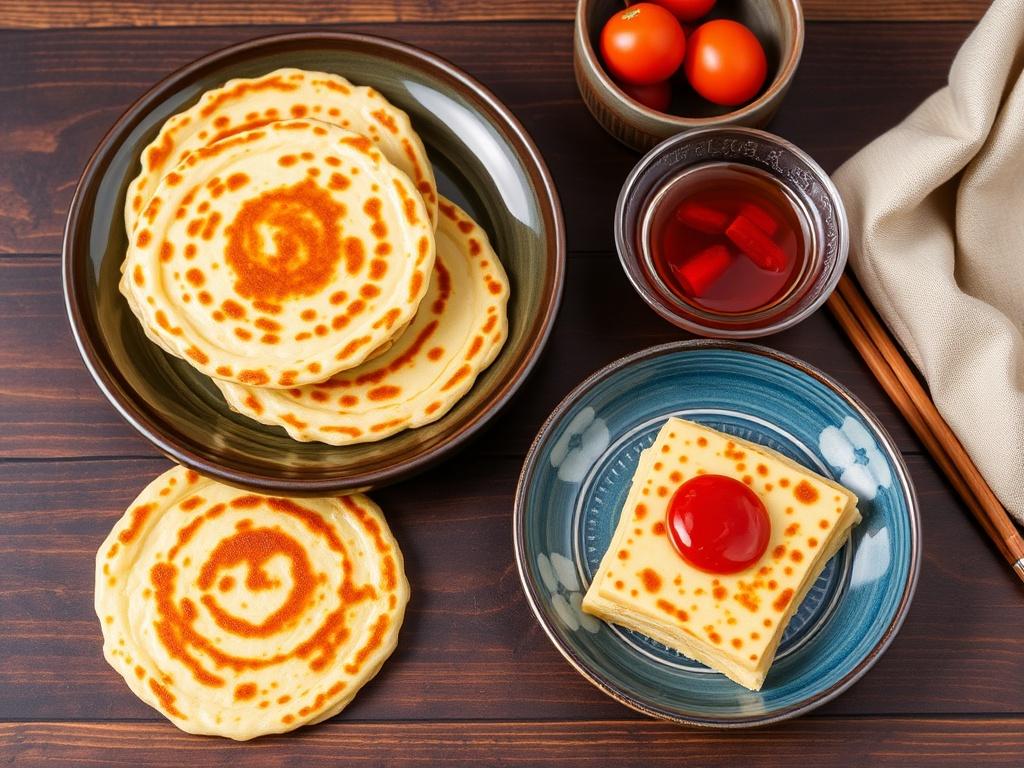
Here’s a quick snapshot to keep in mind if you’re thinking what’s inside a Laobing:
| Nutrient | Approximate Amount (per 100g) |
|---|---|
| Calories | 220-250 kcal |
| Carbohydrates | 45-50 g |
| Protein | 6-8 g |
| Fat | 3-6 g (depends on frying oil) |
| Fiber | 2-3 g |
Laobing provides energy predominantly from carbohydrates but also offers a decent protein boost, especially if you add fillings like egg or meat. Cooking methods play a role—using less oil cuts fat content without sacrificing that satisfying crunch.
How Laobing Has Gained Popularity Worldwide
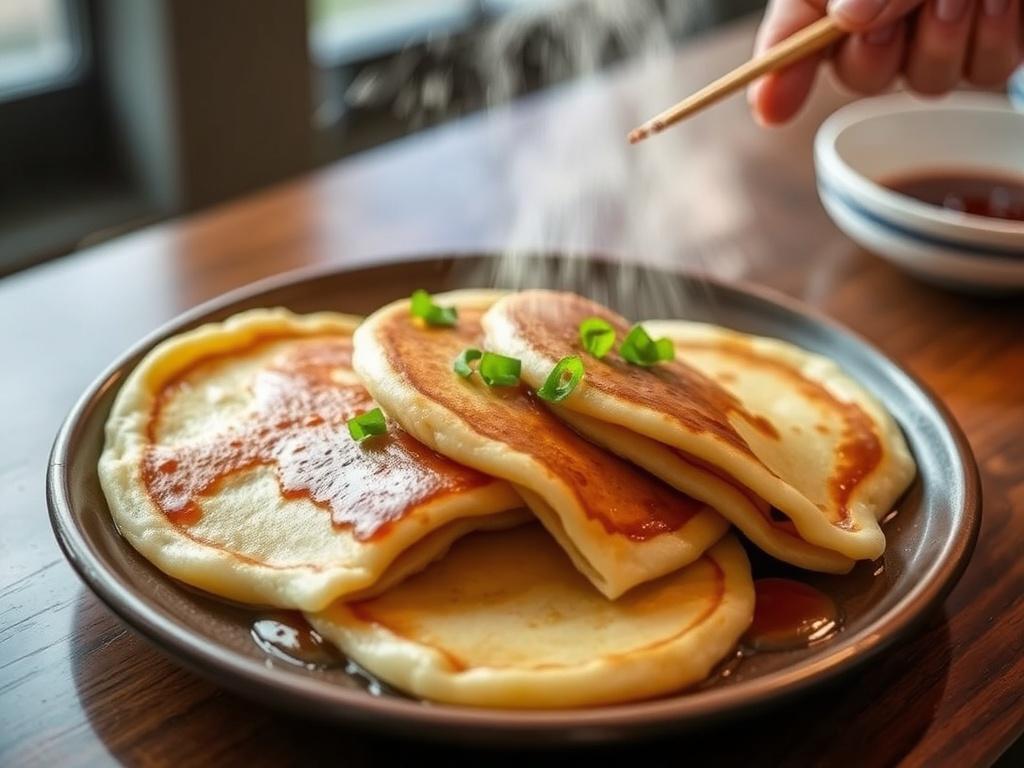
In recent years, Chinese cuisine has captivated palates globally, and Laobing pancakes have quietly made their way onto menus outside China’s borders. Thanks to increased interest in authentic, regional dishes, food lovers in America, Europe, and parts of Asia have discovered this pancake’s charm. Food trucks and Asian markets often feature Laobing, either served simply or as wraps filled with flavorful ingredients. Its portability and comforting texture make it a great alternative to sandwiches or wraps, especially for those who crave something a little different. Moreover, social media foodies love sharing its golden, layered look, sparking curiosity and appetite in equal measure.
Three Tried-and-True Recipes to Make Laobing at Home
Classic Plain Laobing
- Mix wheat flour with warm water and a pinch of salt to form dough
- Rest dough for about 30 minutes
- Roll it out thinly, brush with oil, fold in layers
- Pan-fry on medium heat until crispy and golden
Scallion Laobing
- Add finely chopped scallions inside the folded layers before frying
- Brush each layer with sesame oil for extra aroma
- Perfect as a snack or side dish
Spiced Beef Laobing
- Cook minced beef with soy sauce, five-spice powder, and garlic
- Stuff the beef mixture into rolled dough layers
- Pan-fry until crisp outside, juicy inside
Each recipe holds the essence of Laobing while allowing room to get creative with fillings and spices.
Pairing Laobing: What Complements These Pancakes Best
Laobing isn’t just a side; it can be the star or the perfect partner to many dishes. Here’s where it shines:
- Serve with hearty soups like hot and sour or beef broth for dipping
- Use it as a wrap filled with pickled vegetables and spicy sauces
- Enjoy alongside stir-fried greens or tofu for a balanced meal
- Simple dips like hoisin sauce, chili oil, or soy sauce amplify its flavors
One of my favorite memories is tearing off a piece of piping hot Laobing, dipping it in a garlicky soy sauce, and savoring that satisfying crunch paired with savory depth. Simple pleasure.
—
Uncovering the layers of Chinese Laobing pancakes isn’t just about food; it’s a small window into centuries of culture, experience, and the joy of sharing good, honest food. Whether you try making them yourself or seek them out in a local Chinese market, Laobing promises something more than mere sustenance—it’s a taste of tradition that speaks across generations.


