

Imagine a dish that combines the delicate sweetness of melons with the soothing qualities of a chilled soup. It’s light, surprising, and perfect for those hot days when you want something that cools you down without weighing you down. Melon soup might sound unusual at first, but once you get to know it, it becomes a delightful curiosity you’ll want to explore over and over again. It’s not just a summer treat; it’s a canvas for creativity, offering fresh tastes and endless variations. Let’s dive into what melon soup is all about, its history, and why it’s gaining more fans around the globe.
- What Exactly is Melon Soup
- The Fascinating History of Melon Soup
- Where Melon Soup First Appeared
- Interesting Facts about Melon Soup
- The Nutritional Value of Melon Soup
- Popularity of Melon Soup Across Different Countries
- The 3 Best Recipes for Cooking Melon Soup
- 1. Classic Chilled Cantaloupe Soup
- 2. Spicy Watermelon Soup
- 3. Warm Honeydew and Basil Soup
- Perfect Pairings: What to Eat with Melon Soup
What Exactly is Melon Soup

Melon soup is a chilled or sometimes warm dish made primarily from various types of melons, like cantaloupe, honeydew, or watermelon. Unlike the sweet fruit salads many of us are familiar with, melon soup turns the melon into a smooth, flavorful liquid. This soup can be sweet or savory, depending on how it’s prepared. The base usually involves blending fresh melon with ingredients such as yogurt, herbs, spices, or even a splash of citrus juice to enhance the flavor.
The beauty of melon soup lies in its simplicity—just a handful of ingredients, yet the result is silky, refreshing, and full of natural sweetness. It acts as a palate cleanser, an appetizer, or even a light dessert. Some versions add a cooling touch with mint or lime, while others use a touch of heat through pepper or ginger, balancing the natural sugar in the fruit. This dish blurs the line between soup and smoothie, creating an experience as smooth as silk with every spoonful.
The Fascinating History of Melon Soup
Tracing the origin of melon soup is like unraveling a tasty mystery. While melons have been enjoyed for thousands of years, melon soup itself is less commonly documented but has roots linked to Mediterranean and Middle Eastern cuisines. Historically, many cultures prized melon for its sweet juice and hydrating properties, especially in hot, dry climates.
In ancient Egypt and Persia, melons were consumed fresh or turned into simple fruit dishes that resembled early versions of melon soup. Over time, as culinary methods evolved, blending these fruits into soups became popular, particularly in the summer months to combat the heat. The European adaptation likely gained traction during the Renaissance when experimentation with fruits in savory dishes became fashionable. The idea to serve melon cold, as a refreshing soup, is what truly sets it apart from other fruit dishes.
Where Melon Soup First Appeared
While pinpointing the exact birthplace of melon soup is tricky, it most likely originated around the Mediterranean basin, where melons have flourished since antiquity. Countries like Spain, Italy, and parts of North Africa have crafted variations of cold fruit soups blending melon with herbs and spices for centuries.
Watermelon soup, a cousin of melon soup, is often linked to southern China, where fresh, sweet soups using seasonal fruits are a tradition. Yet, cantaloupe-based soups are more commonly attributed to European countries, where combining fruits with a chilled broth or cream base is a style that remains popular today.
Interesting Facts about Melon Soup
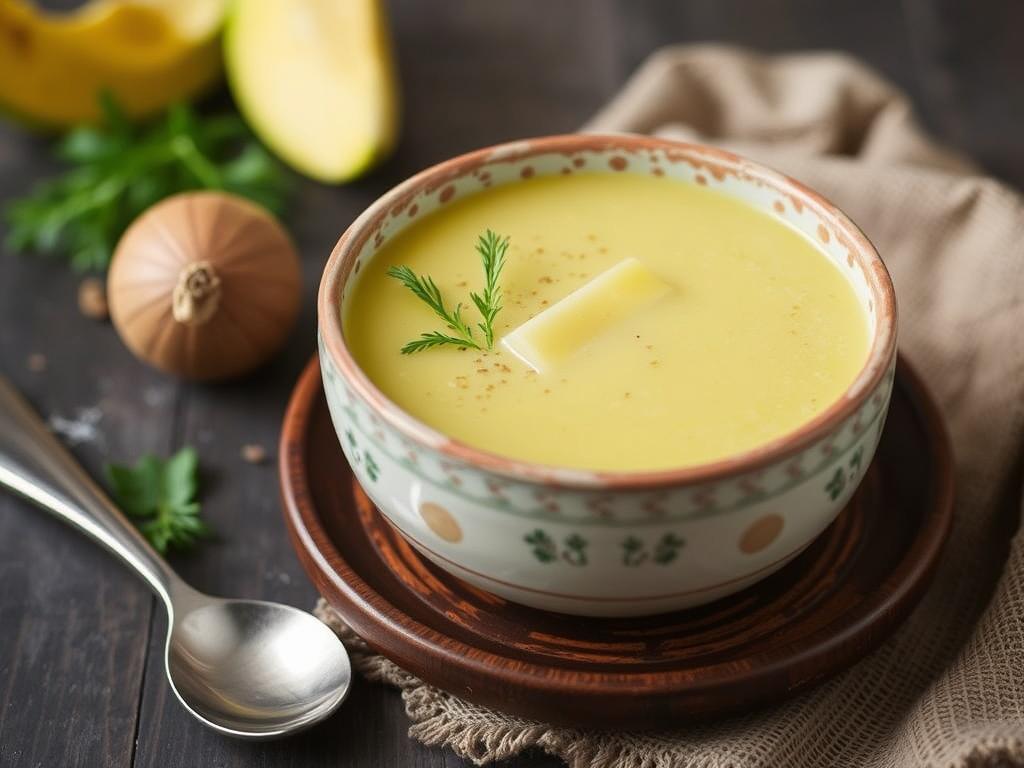
Here are a few tidbits that might surprise you about melon soup:
- Melon soup can be served both as a cold appetizer and a warm comfort food.
- Some recipes incorporate alcohol—like a splash of white wine or vodka—for a grown-up twist.
- Its subtle sweetness means it pairs well with savory additions like prosciutto or feta cheese.
- In some cultures, melon soup is believed to aid digestion after a heavy meal due to its hydrating and cleansing properties.
- Melon soup is often seen at upscale restaurant menus, reinvented with modern culinary techniques.
The Nutritional Value of Melon Soup
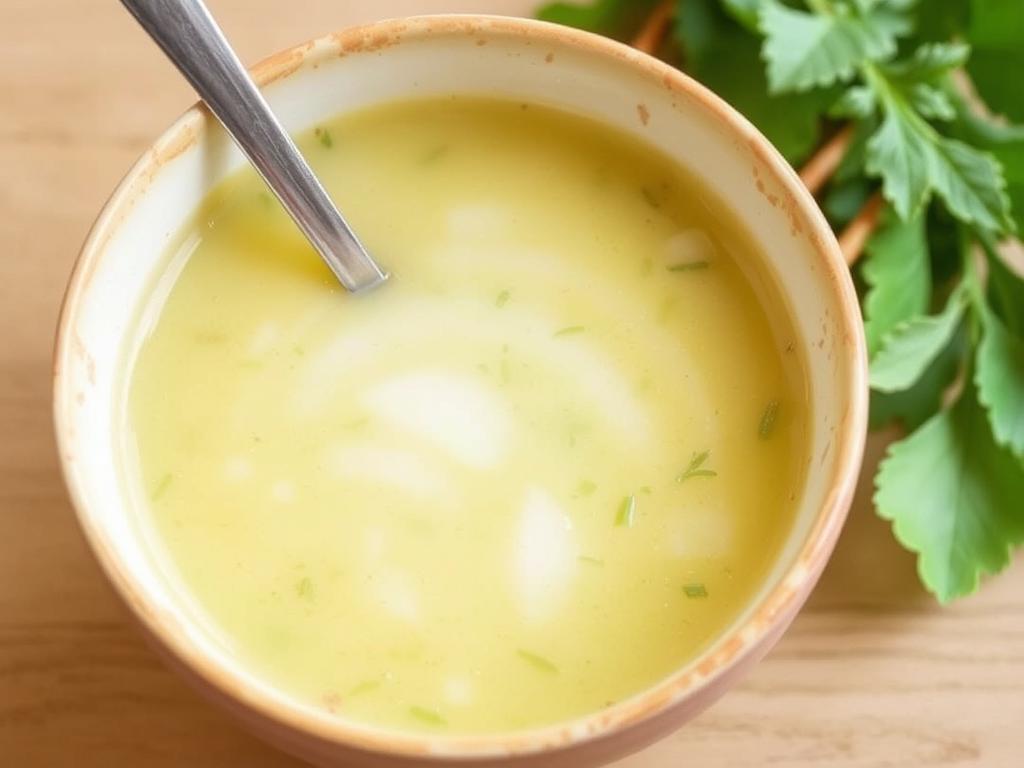
Melon soup isn’t just easy on the palate—it’s a hydrator packed with nutrients. Melons offer a rich source of vitamins A and C, essential for skin health and immunity. They are naturally low in calories and high in water content, which means this soup can hydrate you effectively on hot days.
| Nutrient | Benefit | Approximate Amount in One Serving |
|---|---|---|
| Vitamin C | Supports immune function and skin health | 30% of daily value |
| Vitamin A | Good for vision and cell growth | 20% of daily value |
| Water | Keeps body hydrated | Over 90% of melon content |
| Dietary Fiber | Aids digestion | 1-2 grams |
When combined with added ingredients like yogurt or herbs, melon soup can also provide a boost of protein, probiotics, and antioxidants.
Popularity of Melon Soup Across Different Countries
This soup has quietly carved out a niche across the world. In Spain, gazpacho-style melon soup is a summertime favorite, appreciated for its freshness. Italy offers variants where melon is paired with salty ingredients like cured ham, elevating melon soup into an enticing starter.
Moving eastwards, in China and parts of Southeast Asia, sweet fruit soups including melon are common, often served warm and supplemented with jellies or tapioca pearls.
In the United States, melon soups appear often on menus in the summer, especially at farm-to-table restaurants where seasonal fruit shines. The modern food movement appreciates melon soup for its light and natural flavor, easy preparation, and beautiful presentation.
The 3 Best Recipes for Cooking Melon Soup
Let’s look at three delicious melon soup recipes that work beautifully at home or impress guests:
1. Classic Chilled Cantaloupe Soup
- Blend 1 ripe cantaloupe (peeled and seeded) with 1 cup of Greek yogurt, 1 tablespoon honey, a splash of fresh lime juice, and a few mint leaves.
- Chill for an hour, then garnish with extra mint.
2. Spicy Watermelon Soup
- Puree 4 cups watermelon with a teaspoon of grated ginger, juice of 1 lemon, and a pinch of cayenne pepper.
- Serve cold, topped with thin slices of cucumber and a sprinkle of sea salt.
3. Warm Honeydew and Basil Soup
- Simmer honeydew melon cubes with vegetable broth, then blend with fresh basil leaves and a teaspoon of honey.
- Serve warm or slightly cooled.
Perfect Pairings: What to Eat with Melon Soup
Melon soup is versatile when it comes to accompaniments. Its lightness pairs wonderfully with salty, crunchy elements. Think thin slices of prosciutto, toasted nuts, or even a fresh arugula salad with a simple vinaigrette. A crusty bread or crisp crackers make for pleasant texture contrast.
For a more substantial meal, pair melon soup with grilled seafood or chicken. The soup’s natural sweetness provides a refreshing counterpoint to smoky, savory dishes. If serving melon soup as a dessert, fresh berries or a dollop of whipped cream can enhance the experience.
—
Melon soup offers more than just a cool sip on a sunny day—it invites a new way to experience fruit with food. Whether you’re curious about its origins, hunting for a refreshing treat, or eager to create your own signature cold soup, melon soup delivers an exciting blend of simplicity, flavor, and nutritional benefits. Give it a chance; you might find yourself hooked on this unexpected delight.


