
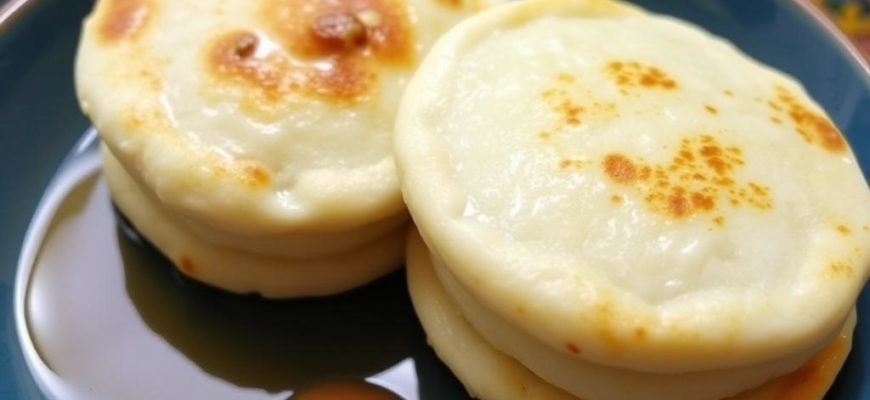
Imagine stumbling upon a small street stall, where the air is filled with a delicate coconut aroma and warm, golden pockets sizzle invitingly. These are Thai Khanom Krok pancakes — little bites of heaven with a perfect balance of crispy edges and custard-like centers. If you’ve ever craved something that’s both comforting and exotic, these compact treats are calling your name. They are unassuming yet packed with charm and layers of history that tell a story far beyond their humble size. Let’s uncover what makes Thai Khanom Krok pancakes so special, from their roots to their recipes, and why they’ve captured taste buds far beyond Thailand’s borders.
- Unwrapping the Essence of Thai Khanom Krok Pancakes
- Tracing the Origins and Early Days of Thai Khanom Krok Pancakes
- Discovering Where Thai Khanom Krok Pancakes Made Their Debut
- Curiosities and Little-Known Tidbits About Thai Khanom Krok Pancakes
- Breaking Down the Nutritional Profile of Thai Khanom Krok Pancakes
- How Thai Khanom Krok Pancakes Captured Hearts Across the Globe
- Your Guide to Creating Thai Khanom Krok Pancakes at Home
- Classic Thai Khanom Krok Pancakes
- Corn-Infused Sweet Khanom Krok
- Modern Twist with Pandan and Coconut Sugar
- Perfect Pairings: What to Enjoy with Thai Khanom Krok Pancakes
Unwrapping the Essence of Thai Khanom Krok Pancakes
Thai Khanom Krok pancakes are distinctive street food delicacies made from a batter combining rice flour, coconut milk, and sugar, cooked in a special cast-iron pan with small round indentations. The magic lies in how the batter crisps slightly on the outside while the inside remains tender and creamy. Typically, the pancakes come in pairs — a sweet, smooth coconut custard on one side and a savory or mildly sweet mixture often enhanced with spring onions or corn on the other. This duality creates a flavor contrast that keeps you coming back for another bite.
Unlike Western pancakes, these aren’t fluffy or thick. Their texture is more akin to a soft shell with a caramelized, slightly crisp edge, which gives them a unique mouthfeel. The simplicity of ingredients belies the culinary finesse required to perfect the cook; the batter must be poured just right, and the heat carefully controlled to achieve that perfect balance.
Tracing the Origins and Early Days of Thai Khanom Krok Pancakes
The story of Thai Khanom Krok pancakes is woven tightly with Thailand’s rich culinary tapestry. They are believed to have been a beloved snack for centuries, born out of traditional home cooking. These tiny pancakes were typically made by families using readily accessible ingredients like rice flour and fresh coconut.
Historically, the dish likely originated in central Thailand, where coconut palms abound and rice cultivation is a way of life. Their portable size and natural sweetness made them a popular street food, especially enjoyed during market days or festivals. This humble snack has been passed down through generations, retaining its original charm even as Thailand’s vibrant street food culture has exploded in popularity.
Discovering Where Thai Khanom Krok Pancakes Made Their Debut
Traditional accounts suggest Khanom Krok first gained widespread popularity in the communities around Bangkok and its surrounding provinces. Markets in areas like Bang Rak and Chinatown became famed spots where vendors perfected their technique. The recipe itself reflects a balance between the Chinese steamed rice cake influence and native Thai flavors of coconut and sweetness.
While pinning down the exact origin point can be tricky, the notion that these pancakes evolved in a bustling trade hub makes sense. The portability, the subtle yet satisfying flavor, and the inexpensive ingredients all contributed to its ascent. It’s a street food star born from the heart of urban and rural intersections, reflecting a broader Thai history of blending cultures through cuisine.
Curiosities and Little-Known Tidbits About Thai Khanom Krok Pancakes
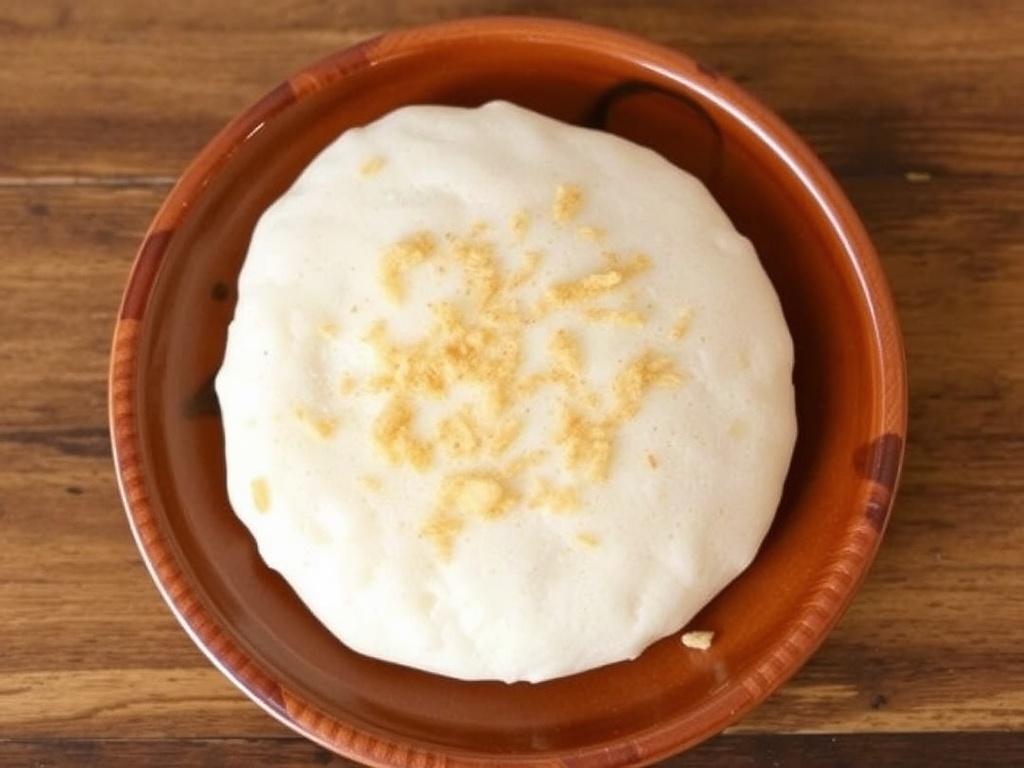
Here’s something fun—Thai Khanom Krok pancakes aren’t just enjoyed plain. Vendors often add toppings like sweet corn, shredded coconut, or chopped scallions, creating a variety of flavor bursts. The special cast-iron pan used to make them comes with multiple small wells, making it a communal experience; you watch the pancakes puff up together, turning over each one with flair.
Another interesting fact is how these pancakes highlight Thai culinary principles: balancing sweet, savory, creamy, and crisp textures in one bite. Also, in Thailand, they’re often eaten at breakfast, as a mid-morning snack, or late at night, showing their versatility.
Breaking Down the Nutritional Profile of Thai Khanom Krok Pancakes
Though small, these pancakes pack a flavorful punch. The main ingredients—rice flour and coconut milk—contribute carbohydrates and fats that provide quick energy and pleasant satiety. Coconut milk is rich in healthy medium-chain triglycerides, which are easier for the body to digest.
Here’s a concise look at an average serving’s nutrition:
| Nutrient | Typical Amount per 3 pancakes |
|---|---|
| Calories | 150-180 kcal |
| Carbohydrates | 25-30 grams |
| Fat | 6-8 grams |
| Protein | 2-3 grams |
| Fiber | 1-2 grams |
While they do contain sugars and fats, their small size and balanced ingredients make them a delightful occasional treat rather than a heavy indulgence.
How Thai Khanom Krok Pancakes Captured Hearts Across the Globe
It’s no surprise that Thai Khanom Krok pancakes have found fans beyond Thailand. In many international cities where Thai communities flourish, these pancakes have become symbols of authentic street food culture. Food markets from Bangkok to New York showcase them, and food bloggers frequently feature their distinct flavor.
Their rising popularity comes partly from their unique texture and comforting taste, which feels fresh to people used to traditional Western pancakes or crepes. Also, their photogenic appearance—with the contrasting white coconut cream and golden edges—makes them social media favorites.
Your Guide to Creating Thai Khanom Krok Pancakes at Home
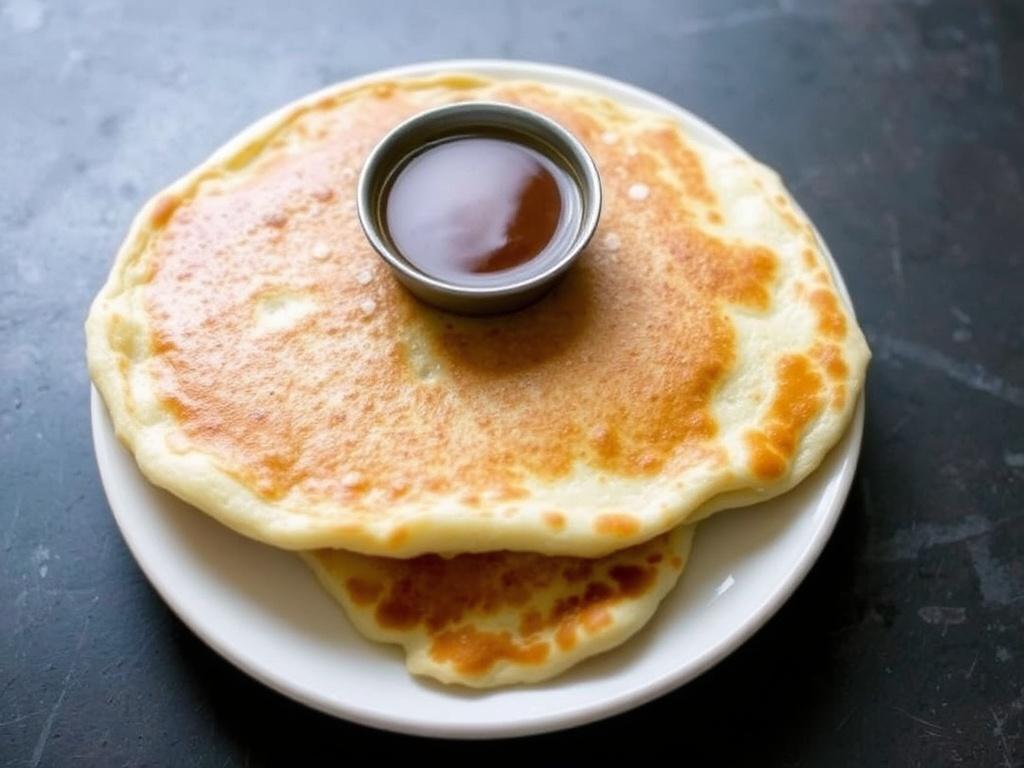
Cooking these pancakes isn’t rocket science, but it does need some patience and the right tools. Here are three upcoming favorite recipes that accommodate novice cooks and adventurous chefs alike.
Classic Thai Khanom Krok Pancakes
- Ingredients: rice flour, grated coconut, coconut milk, sugar, salt, spring onions (optional).
- Prepare a smooth batter, pour into a hot pan with round molds, cook until crispy on the outside and creamy inside.
- Serve warm with a sprinkle of corn or scallions on one side.
Corn-Infused Sweet Khanom Krok
- Add sweet corn kernels into the coconut mixture before cooking.
- This lends an extra crunch and natural sweetness that contrasts well with the creamy coconut base.
Modern Twist with Pandan and Coconut Sugar
- Incorporate pandan juice into the batter for a subtle fragrance and green hue.
- Serve with drizzles of caramelized coconut sugar syrup for a richer dessert experience.
Perfect Pairings: What to Enjoy with Thai Khanom Krok Pancakes
These pancakes are versatile. Traditionally, they’re savored on their own or with freshly brewed Thai tea or coffee to complement the sweetness. If you want to get creative, consider pairing them with tropical fruit like mango or pineapple for a fresh contrast. Another pleasant companion is a light drizzle of palm sugar syrup, which intensifies their natural flavors.
Sometimes, a side of sticky rice or even a small bowl of warm soup makes the meal more substantial, especially for breakfast. The pancakes’ bite-sized nature invites sharing, turning eating into a friendly, social moment.
—
From a casual street snack to a beloved comfort food with generations behind it, Thai Khanom Krok pancakes are more than just a recipe. They’re a bite into Thai culture, a whisper of history, and an invitation to savor life’s simple pleasures in a compact, delicious form. Whether you try making them at home or find yourself wandering Bangkok’s bustling markets, these pancakes offer a rich experience filled with warmth and taste.


