

Imagine a bowl of warm, creamy soup that is both comforting and packed with unique flavors – a soup that not only nourishes your body but also tells a fascinating story of tradition and culture. Peanut soup, a rich and velvety dish made primarily from peanuts, has captured the hearts and palates of people all around the world. But what exactly is peanut soup, and why has it become such a beloved meal across continents? If you’re curious to explore the savory depths of this delightful dish, its origins, nutritional benefits, and how you can easily make it at home, then you’re in the right place. Get ready to dive into the rich tapestry of peanut soup and discover everything you’ve ever wanted to know about this extraordinary culinary gem.
- Unpacking the Essence: What Peanut Soup Really Is
- The Story Behind the Bowl: History of Peanut Soup
- Tracing Origins: Where Peanut Soup First Appeared
- Fascinating Tidbits: Interesting Facts About Peanut Soup
- Fuel for Your Body: Nutritional Value of Peanut Soup
- Global Appeal: Popularity of Peanut Soup in Different Countries
- Cooking Magic: 3 Best Recipes for Delicious Peanut Soup
- 1. Classic West African Peanut Soup
- 2. Creamy Southern-Style Peanut Soup
- 3. Vegetarian Peanut Soup with Sweet Potatoes
- Perfect Pairings: What to Eat with Peanut Soup
Unpacking the Essence: What Peanut Soup Really Is
At its core, peanut soup is a thick, creamy soup where peanuts play the starring role, often transformed into a buttery paste or ground finely to create a rich base. The texture can range from silky smooth to chunky, depending on the recipe and cultural preferences. What makes peanut soup so distinctive is its nutty, slightly sweet, and earthy flavor profile that comes from the roasted peanuts, often balanced with savory elements like onions, garlic, spices, and sometimes vegetables or meat.
Different cultures adapt peanut soup in various ways. In some regions, it’s more like a stew with meat and vegetables, while in others, it’s a straightforward creamy, smooth soup. What binds all versions together is the comforting warmth, the hearty nature, and the unmistakable peanut taste that transforms a simple bowl into something special.
The Story Behind the Bowl: History of Peanut Soup
Peanuts have been enjoyed by humans for thousands of years, originally cultivated in South America. However, the exact history of peanut soup is a bit more complex and tied closely to African and Asian culinary traditions. This fascinating dish evolved as peanuts spread globally through trade and exploration.
In West Africa, peanuts became a staple ingredient due to their abundance and nutritional value. The locals turned peanuts into a versatile ingredient, including making them into a thick, nourishing soup. This traditional preparation was passed down through generations and became an important source of protein in the diet, especially where meat was scarce or expensive.
Meanwhile, in parts of Asia, peanuts also found their way into soups and sauces, showing unique culinary twists that differed from African versions. The history of peanut soup is truly a story of cultural exchange, adaptation, and creativity in cooking spanning continents.
Tracing Origins: Where Peanut Soup First Appeared
The true birthplace of peanut soup is widely believed to be West Africa. Countries like Ghana, Nigeria, and Senegal are famous for their local takes on this comforting dish. In these regions, peanut soup is often called groundnut soup or peanut stew, highlighting the fundamental role of peanuts.
West African peanut soup recipes typically include ingredients such as tomatoes, onions, chili peppers, and sometimes meat or fish, creating a rich, spicy, and filling dish. It served not only as a delicious meal but also a practical way to leverage local peanut crops and augment the diet with healthy fats and protein.
From its West African roots, peanut soup gradually traveled to other parts of the world, influenced by colonial trade routes, migration, and globalization, inspiring variations everywhere it arrived.
Fascinating Tidbits: Interesting Facts About Peanut Soup
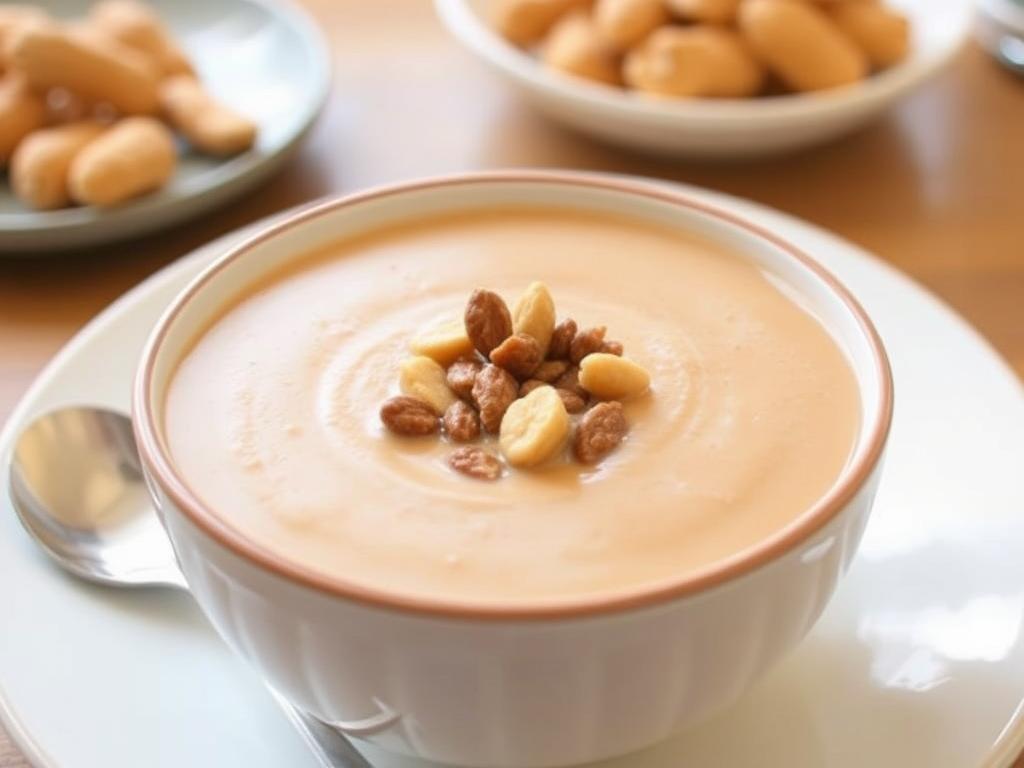
Peanut soup is more than just a delicious dish; it holds many surprising stories and facts:
- Language Twist: In some African countries, it’s referred to as “Groundnut” soup since peanuts are often called groundnuts there.
- Medicinal Use: Traditionally, peanut soup was believed to help improve stamina and provide energy thanks to the high-fat content.
- Festive Dish: In certain cultures, peanut soup is served during special occasions and celebrations, highlighting its importance beyond everyday meals.
- Global Fusion: In the southern United States, peanut soup took on a different flavor, incorporating ingredients like cream and herbs, showing its adaptability across culinary traditions.
Fuel for Your Body: Nutritional Value of Peanut Soup
If you’re wondering whether peanut soup is just tasty or also good for you, the answer leans strongly toward the latter. Peanuts are an excellent source of healthy fats, protein, and various essential vitamins and minerals. Here’s a quick look at the key nutritional benefits of peanut soup:
| Component | Benefits |
|---|---|
| Protein | Supports muscle repair and growth, keeps you feeling full |
| Healthy Fats | Provides energy, supports heart health, and helps absorb vitamins |
| Fiber | Improves digestion and promotes gut health |
| Vitamins E and B | Antioxidants and energy metabolism facilitators |
| Minerals (Magnesium, Potassium) | Supports bone health and blood pressure regulation |
That said, it’s worth noting that peanut soup can vary in calories and fat content depending on preparation, so balance and portion control are key if you’re mindful of those factors.
Global Appeal: Popularity of Peanut Soup in Different Countries
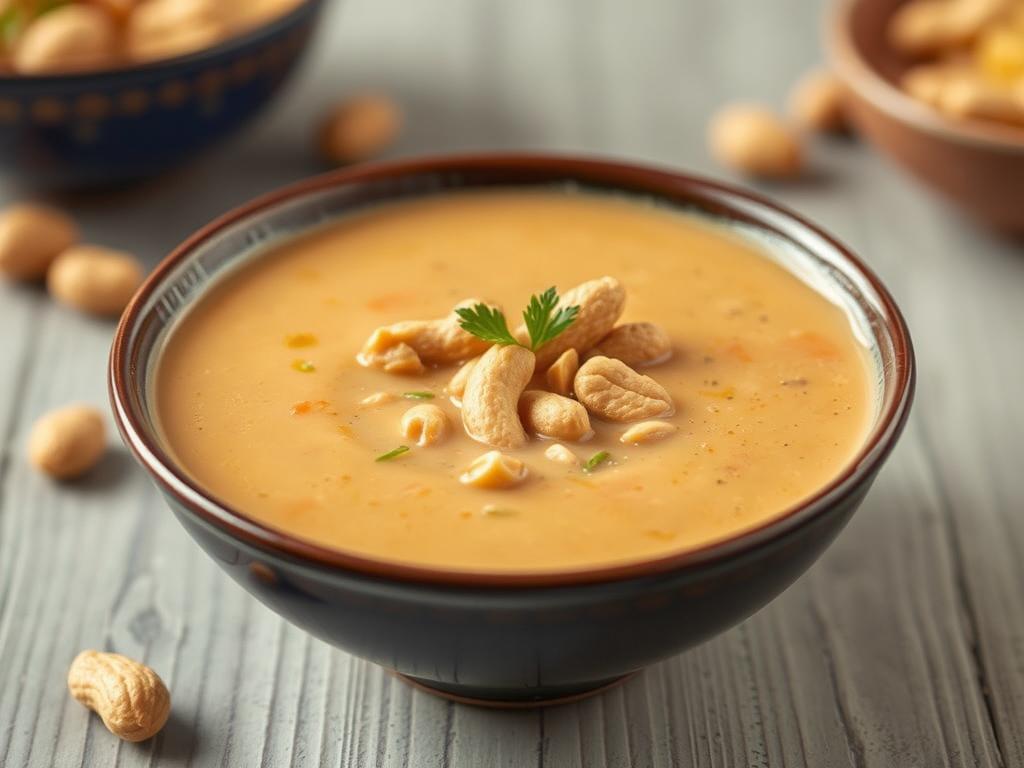
While peanut soup is rooted deeply in West African cuisine, its appeal is truly international. In Ghana, it features on many household menus as a daily or special meal, often paired with fufu — a type of dough made from cassava or plantains. Nigeria boasts its own version loaded with spices and meat, showing the dish’s adaptability.
Moving east, some parts of Asian cuisine have incorporated peanut-based soups or sauces, although often with a twist that complements local ingredients. Surprisingly, peanut soup even found a place in some southern U.S. kitchens, where chefs adopted and reinvented the recipe.
This global popularity speaks volumes about the versatility and universal appeal of peanut soup — it can cater to diverse tastes, dietary needs, and cultures, making it a truly global comfort food.
Cooking Magic: 3 Best Recipes for Delicious Peanut Soup
Ready to make some peanut soup at home? Here are three popular recipes, each with its own unique twist:
1. Classic West African Peanut Soup
- Ingredients: Roasted peanuts (or peanut butter), tomatoes, onions, garlic, chili pepper, chicken broth, and chicken pieces.
- Method: Sauté onions and garlic, add blended tomatoes and chili, mix in peanut paste, then simmer with chicken until the flavors meld and the soup thickens beautifully.
2. Creamy Southern-Style Peanut Soup
- Ingredients: Peanut butter, heavy cream, onions, celery, chicken broth, herbs like thyme, and a touch of brown sugar.
- Method: Sauté vegetables, stir in peanut butter and broth, add cream last, and season to taste. This version is smoother and less spicy, but richly comforting.
3. Vegetarian Peanut Soup with Sweet Potatoes
- Ingredients: Peanut butter, sweet potatoes, onions, garlic, vegetable broth, tomatoes, and mild spices.
- Method: Roast or boil sweet potatoes, combine with sautéed onions and garlic, add peanut butter and broth, then blend for a creamy, filling vegetarian option.
Perfect Pairings: What to Eat with Peanut Soup
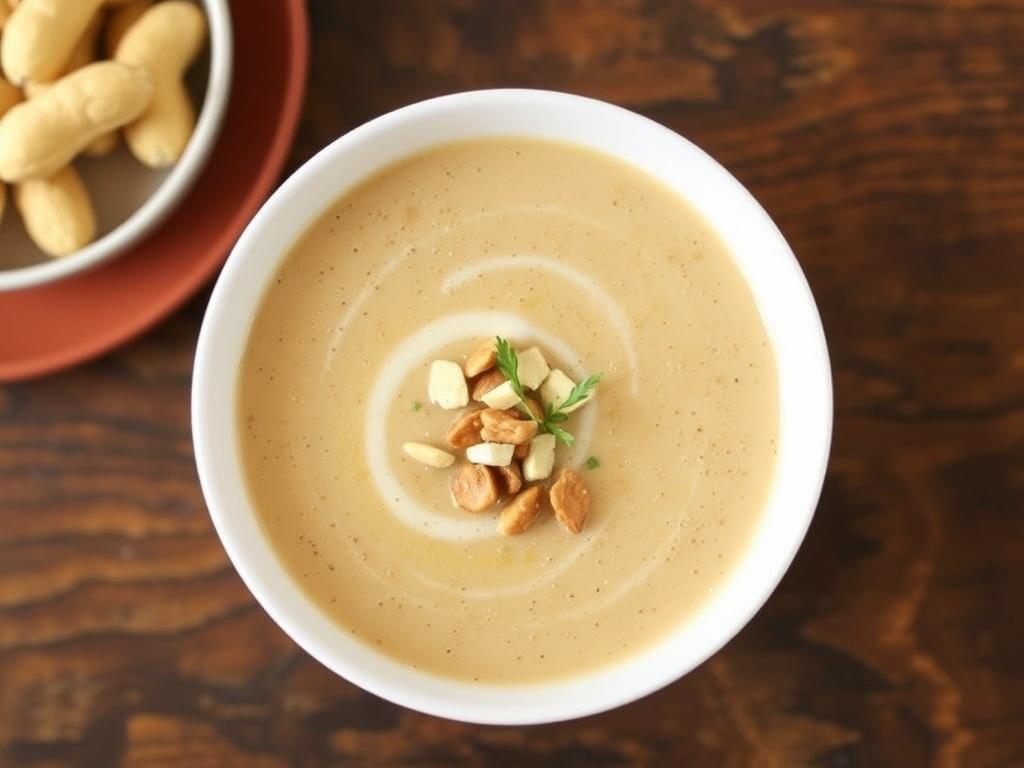
Peanut soup shines best when accompanied by the right sides that complement its rich flavor without overshadowing it. Traditionally, in West Africa, people enjoy peanut soup with:
- Fufu: A soft, doughy side made of cassava, yam, or plantain, perfect for dipping.
- Rice: Plain white or jollof rice offers a great balance and neutral base.
- Bread: Crusty bread or flatbreads help soak up every drop.
- Vegetables: Steamed greens or a fresh salad can add a refreshing contrast.
If you’re experimenting at home, try pairing peanut soup with simple grains or veggies for a hearty, satisfying meal.
—
Turning your kitchen into a peanut soup haven not only introduces you to a world of taste but connects you with history and culture that spans the globe. Whether you wish to honor tradition or spice things up with your own throwback recipes, peanut soup has a special place on the dining table. So grab those peanuts and get ready – a comforting bowl of goodness awaits!


