
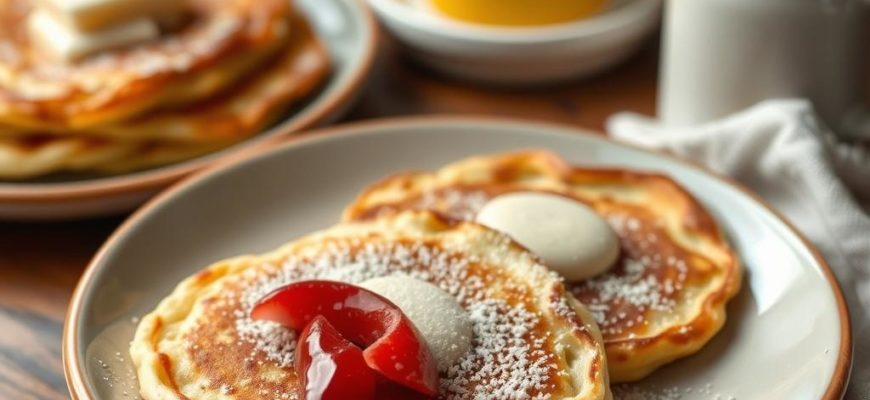
The first time I bit into a Dutch pannekoek pancake, it felt like discovering a crossover between a crepe and a homey family dinner—thin, slightly chewy at the edges, and embarrassingly easy to dress up. If you think pancakes must be small, fluffy, or only for sweet breakfasts, these wide, flexible discs will change your mind. Stick with me and you’ll learn what Dutch pannekoek pancakes are, where they came from, how to make three excellent versions at home, and all the best things to eat with them. Ready to get a little flour on your hands?
- What Dutch pannekoek pancakes are and why they’re special
- Brief history of Dutch pannekoek pancakes
- Where Dutch pannekoek pancakes first appeared
- Interesting facts about Dutch pannekoek pancakes
- Nutritional value of Dutch pannekoek pancakes
- Popularity of Dutch pannekoek pancakes in different countries
- Three best recipes for cooking Dutch pannekoek pancakes
- Classic basic pannekoek
- Apple and cinnamon pannekoek
- Savory bacon and cheese pannekoek
- What to eat with Dutch pannekoek pancakes
What Dutch pannekoek pancakes are and why they’re special
Dutch pannekoek pancakes are large, thin pancakes, usually about the size of a dinner plate. Unlike American flapjacks, they’re not meant to be tall and fluffy; instead, they spread thin on the pan and develop delicate browned spots and a slightly crisp edge. The batter is simple: flour, milk, eggs, and a pinch of salt. From there, the fun begins—pannekoeken can be finished sweet or savory, folded, rolled, or stacked. They’re forgiving and fast to make, which is why kitchens from Amsterdam to small-town diners love them.
Brief history of Dutch pannekoek pancakes
Pannekoeken have long been a part of Dutch home cooking. They’re older than the modern recipe books, rooted in humble kitchens where quick, filling meals were essential. Over centuries, the basic batter stayed similar, while local customs layered on toppings and serving styles. In many Dutch households, pannekoeken became a weekend tradition: a big batch made in a cast-iron pan, shared family-style, and topped to taste. The form and name vary slightly across regions, but the idea—a wide, approachable pancake—remains constant.
Where Dutch pannekoek pancakes first appeared
They first appeared in the Netherlands, emerging from peasant and merchant cooking across the Low Countries. Cities and rural areas both claim versions, but the general consensus points to the Netherlands as the origin. The pancake’s simplicity suited the Dutch way of cooking: practical, adaptable, with local produce determining the final flavor. Over time, as Dutch sailors and colonists traveled, the taste for pannekoeken spread to places influenced by Dutch culture.
Interesting facts about Dutch pannekoek pancakes
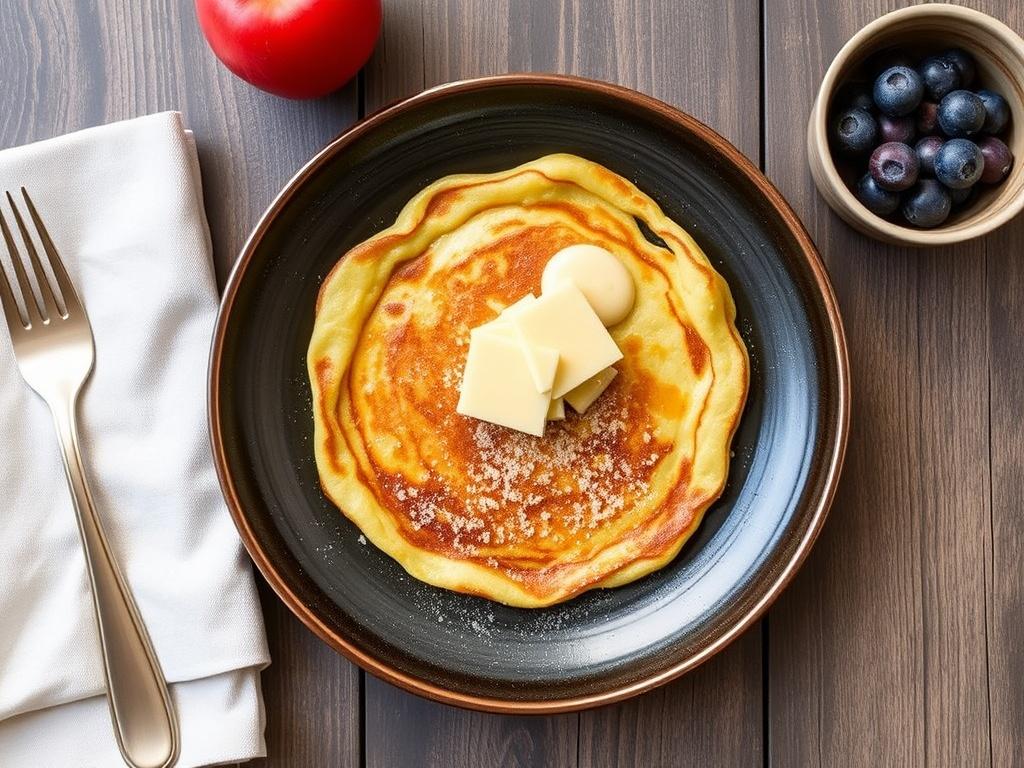
- They’re often served as a main course, not just a breakfast item. Families treat pannekoeken like a shared meal.
- There are savory versions topped with bacon, cheese, or mushrooms, and sweet ones with apples, powdered sugar, or syrup.
- Pannekoek batter can be made ahead and stored in the fridge for a day or two—flavors often deepen after resting.
- ‘Pannenkoeken’ is the plural in Dutch; one is a ‘pannenkoek.’ In English, you’ll see the simplified phrase Dutch pannekoek pancakes used to highlight the style.
- In some towns, there are restaurants dedicated solely to pannekoeken—large, theatrical versions come with dozens of topping choices.
Nutritional value of Dutch pannekoek pancakes
Nutrition depends on size, ingredients, and toppings. A plain medium pannekoek made with white flour, milk, and egg typically provides moderate calories and protein, but the totals rise with butter, syrup, cheese, or bacon. Here’s a simple comparison to give you a sense:
| Type | Typical Calories (per medium pancake) | Main Macronutrients |
|---|---|---|
| Plain (flour, milk, egg) | 180–260 kcal | Carbs 25–35 g, Protein 6–9 g, Fat 6–10 g |
| Apple & cinnamon (with butter) | 250–350 kcal | Higher sugars and fats |
| Savory (cheese & bacon) | 300–450 kcal | Higher fat and protein |
If you need to cut calories, use skim milk or a plant milk, swap some white flour for whole grain, or load toppings with fresh fruit and yogurt instead of syrup.
Popularity of Dutch pannekoek pancakes in different countries
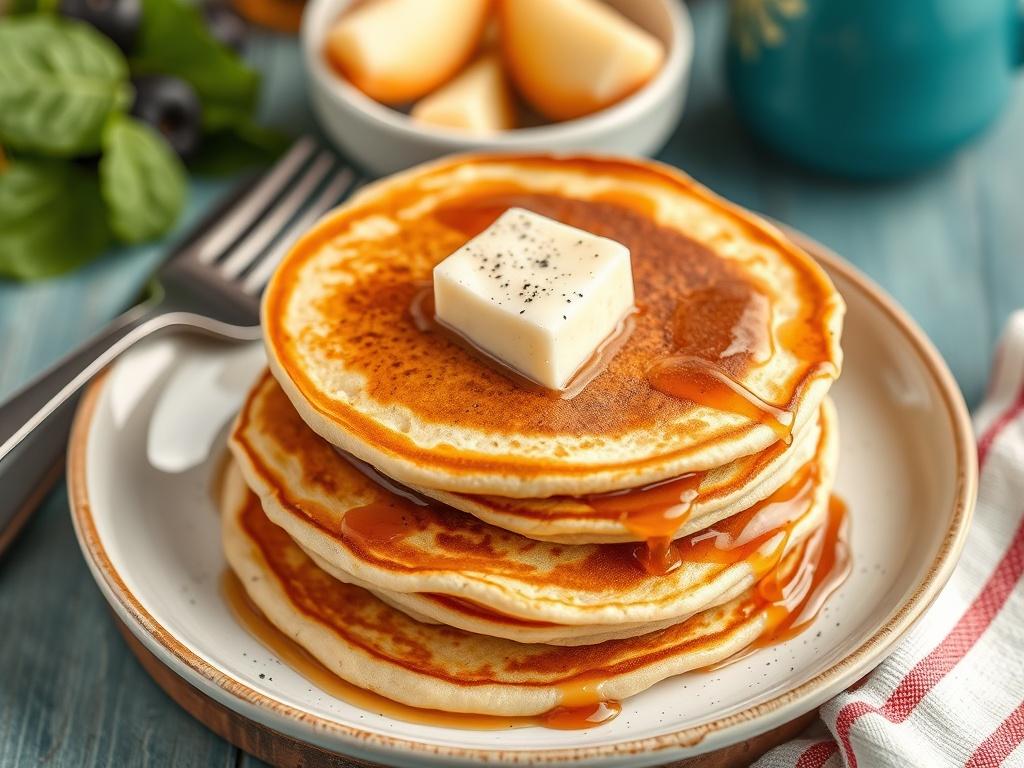
The Netherlands is the heartland, of course, but Dutch pannekoek pancakes show up in surprising places. Belgium and parts of Germany near the border share similar pancake traditions. In former Dutch colonies like Indonesia and Suriname, influences blended with local tastes—though the classic pannekoek didn’t replace native pancakes, it left traces. In recent years, international food lovers and European-style cafés have brought pannekoeken to the UK, the US, and beyond. They’re popular where people appreciate a flexible dish that can be savory or sweet and scaled up for groups.
Three best recipes for cooking Dutch pannekoek pancakes
Below are three dependable recipes: a classic, a sweet apple version, and a savory bacon-cheese option. All quantities make about 6 medium pancakes.
Classic basic pannekoek
Ingredients:
- 2 cups milk
- 2 large eggs
- 1 1/2 cups all-purpose flour
- Pinch of salt
- Butter or oil for the pan
Method: Whisk milk and eggs together, add flour and salt, stir until smooth. Let rest 15 minutes. Heat a skillet over medium, add a little butter, pour a ladleful and tilt to spread thin. Cook 1–2 minutes per side until light brown. Stack and serve.
Apple and cinnamon pannekoek
Ingredients:
- Basic batter above
- 1 apple, thinly sliced
- 1 tsp cinnamon
- Sugar or maple syrup to finish
Method: Sauté apple slices briefly in butter until just soft. Pour batter into pan, lay apples on top before flipping. Dust with cinnamon and serve with a drizzle of syrup.
Savory bacon and cheese pannekoek
Ingredients:
- Basic batter above
- 4 slices bacon, cooked crisp
- 1/2 cup grated Gouda or cheddar
- Black pepper
Method: Lay chopped bacon and cheese on the batter once it’s in the pan. Cover briefly to melt the cheese, fold or roll, and serve with a green salad.
What to eat with Dutch pannekoek pancakes
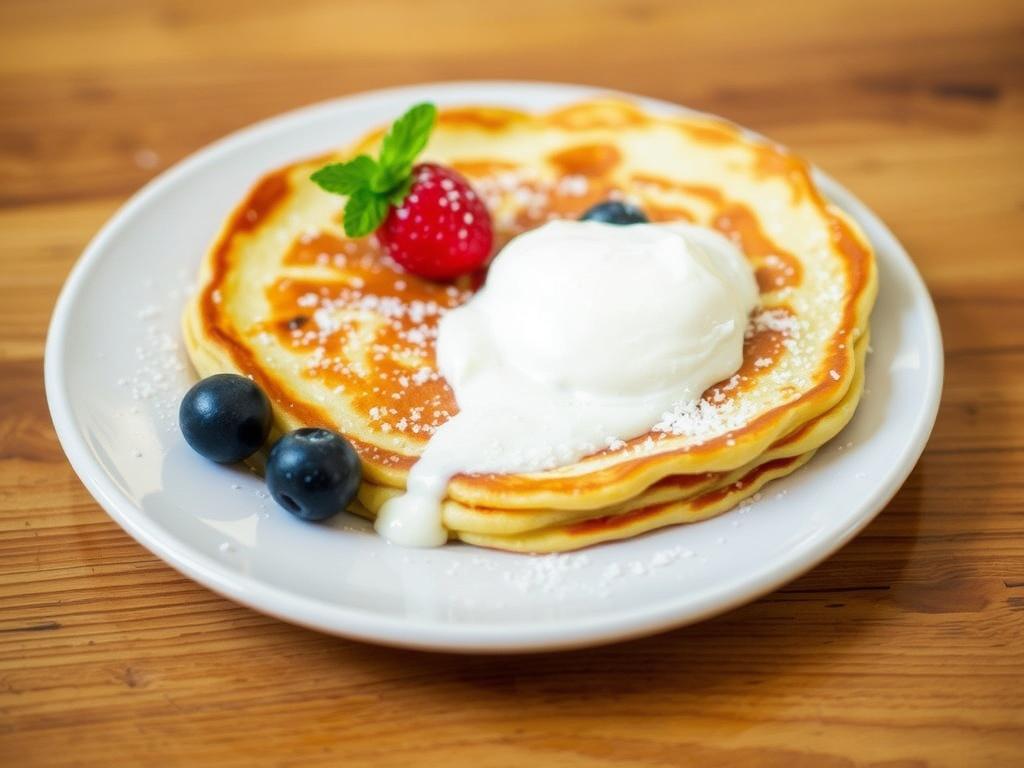
Pannekoeken are a canvas. Sweet pairings: powdered sugar, syrup, fruit compote, whipped cream, or lemon juice and sugar. Savory pairings: smoked salmon, sautéed mushrooms, cheese, crisp bacon, or a simple herb salad for freshness. Drinks: coffee or tea for breakfast, a crisp lager or light white wine for dinner, or a fruit juice if you want to keep it kid-friendly. For a fun family meal, offer a spread of toppings and let everyone build their own.
If you try just one thing from this article, make the basic batter and experiment. These thin, forgiving discs are the kind of recipe that rewards curiosity. Dutch pannekoek pancakes prove that simple food can be endlessly creative.


