
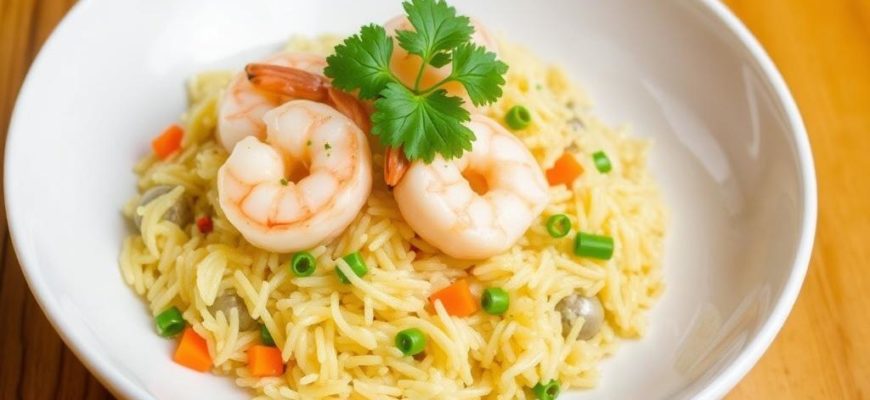
I love the moment when a pot of rice starts to steam and a parade of shrimp curls gently on top, turning a simple bowl into something that tastes like a small celebration. If you like food that’s comforting but not boring, aromatic but not fussy, pilaf with shrimp will make you smile — and want to learn how to make it again. Stick with me: we’ll travel a little through history, look at why this pairing works so well, and then I’ll walk you through a clear, reliable recipe that delivers restaurant-level flavor without drama. Ready? Let’s get into it.
Country of origin Pilaf with shrimp
Pilaf itself traces its roots to the Persian culinary world, where the technique of cooking rice in stock with spices developed into a cornerstone of regional cooking. The specific combination known as pilaf with shrimp does not have a single country of origin. Instead, it emerged wherever two things met: a tradition of pilaf-style rice and easy access to shrimp. Think coastal kitchens from the Persian Gulf to the Mediterranean and into South and Southeast Asia, where cooks adapted the pilaf framework to local seafood. In short, the method is Persian-Central Asian in origin, while the shrimp variation is a natural coastal adaptation found across multiple cuisines.
History Pilaf with shrimp
The story begins with the pilaf technique: browning rice or aromatics, adding seasoned stock, then steaming until the grains separate. That method spread along trade routes. As people moved toward coasts and rivers, they applied the same rice-cooking idea to whatever protein was nearby. Shrimp arrived on plates in places like the Arabian Sea, the Levant, the Mediterranean, and Southeast Asia, where cooks combined local spices, herbs, and stock with rice. Over centuries, each region put its stamp on the dish, introducing saffron in Persia, ghee and fried onions in Central Asia, and coconut or tamarind flavors in parts of South and Southeast Asia.
Interesting facts about Pilaf with shrimp
- The word pilaf comes from Persian pilāv, and similar names appear across languages — pilau, pulao, plov — all pointing to a shared technique rather than a single recipe.
- Saffron makes pilaf glow and smell like luxury, but smoked paprika, turmeric, or cumin can be more affordable and still brilliant with shrimp.
- Shrimp cooks in minutes; adding it too early turns it rubbery. The best approach is to cook shrimp briefly and finish them in residual heat or add near the end of simmering.
- Pilaf is all about separated grains. Rinsing rice well and avoiding heavy stirring while it cooks helps avoid a sticky texture.
Nutritional value Pilaf with shrimp
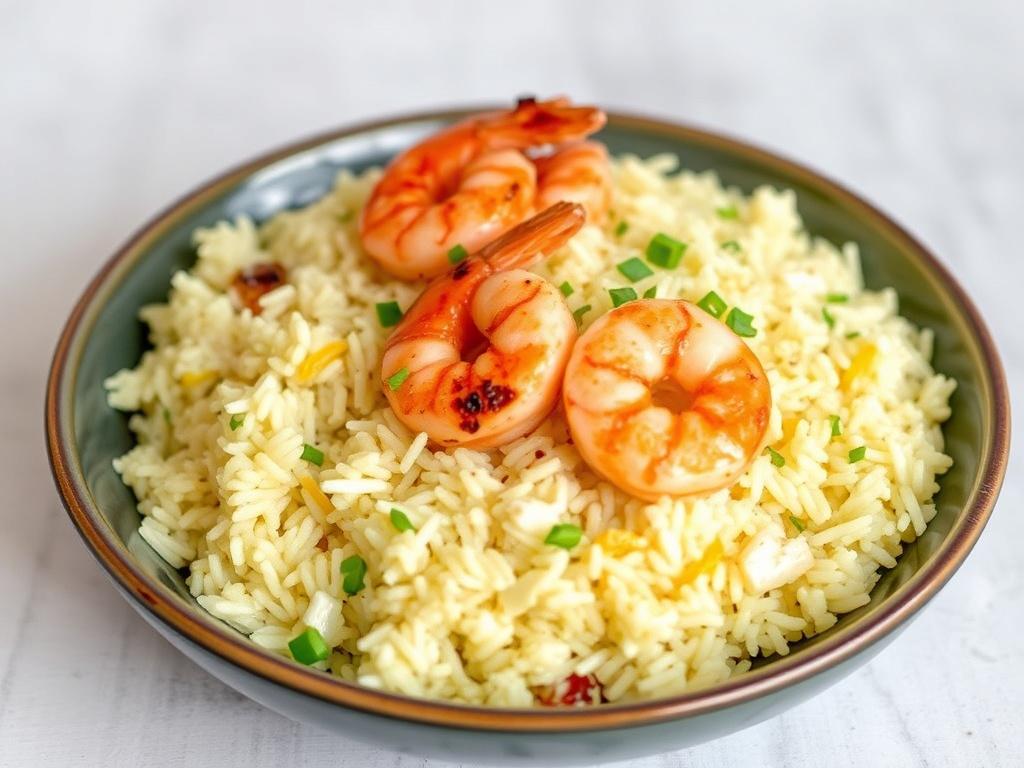
Because ingredients and portion sizes vary, nutritional values are approximate. Here’s a typical breakdown for one serving (about 1.5 cups) of pilaf with shrimp made with white rice, a light oil, vegetables, and no heavy cream.
| Nutrient | Approximate amount per serving |
|---|---|
| Calories | ≈ 420 kcal |
| Protein | 20–25 g (mostly from shrimp) |
| Carbohydrates | 45–55 g (mainly from rice) |
| Fat | 8–12 g (depends on oil/butter used) |
| Sodium | Varies widely (stock and added salt) |
| Notable micronutrients | Selenium, vitamin B12, iodine from shrimp; B vitamins from rice |
Swap white rice for brown or use cauliflower rice for different nutrition profiles. Also, keep an eye on added salt: shrimp can bring saline notes, so taste before seasoning heavily.
Popularity in different countries Pilaf with shrimp
Seafood pilafs surface in many coastal cuisines. In Mediterranean countries you’ll find rice dishes with prawns flavored by tomatoes, garlic, and herbs. In parts of South Asia and Bangladesh, shrimp pulao or prawn pulao appears at festive tables, often aromatic with whole spices and ghee. Southeast Asia has its own takes that blend coconut, lime, and chili. In Central Asia and Russia, pilaf tends to favor lamb, but coastal extensions include fish and seafood where available. The common thread is simple: wherever rice and shrimp are both common, cooks have experimented until they found a version locals love.
The best step-by-step cooking recipe for Pilaf with shrimp
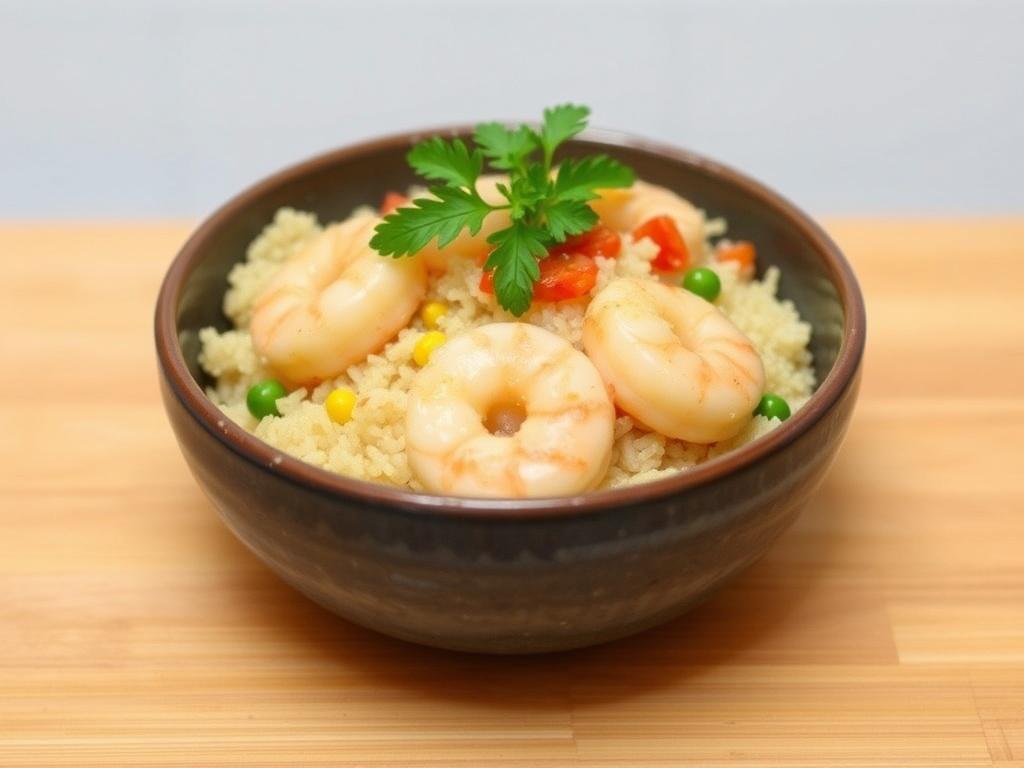
This recipe aims to be reliable, flavorful, and approachable. It serves 4.
Ingredients
- 1 1/2 cups long-grain rice (Basmati or similar), rinsed until water runs clear
- 12–16 oz (350–450 g) shrimp, peeled and deveined
- 1 medium onion, finely chopped
- 2 cloves garlic, minced
- 1 medium tomato, chopped or 1/2 cup canned diced tomatoes
- 3 1/4 cups low-sodium chicken or seafood stock
- 2 tbsp olive oil or ghee
- 1 tsp ground cumin, 1/2 tsp turmeric, or 1/2 tsp smoked paprika (choose one or combine)
- Salt and black pepper to taste
- Handful fresh parsley or cilantro, chopped
- Optional: a pinch of saffron soaked in 2 tbsp warm water
Steps
- Prep rice: rinse and soak the rice 15–20 minutes, then drain. This helps grains stay separate.
- Sear shrimp: heat 1 tbsp oil in a skillet over medium-high heat. Season shrimp lightly and sear 1–2 minutes per side until just opaque. Remove and set aside. They will finish cooking later.
- Sauté aromatics: in a heavy saucepan, heat remaining oil over medium heat. Add onion and cook until soft and lightly golden, about 6–8 minutes. Stir in garlic and spices, cook 30 seconds.
- Add tomato: stir in chopped tomato and cook until it breaks down, 2–3 minutes. If using saffron, add saffron water now.
- Toast rice: add drained rice to the pot and toss to coat in oil and spices for 1 minute.
- Add stock: pour in stock, season lightly with salt, and bring to a gentle boil. Reduce heat to low, cover tightly, and simmer 12–15 minutes until rice is tender and liquid absorbed.
- Finish with shrimp: gently fold the seared shrimp into the rice, cover, and let rest off the heat for 5 minutes. The residual heat will finish the shrimp without overcooking them.
- Fluff and serve: fluff rice with a fork, fold in herbs, adjust seasoning, and serve hot. A squeeze of lemon brightens the dish.
Serving tips and variations
- Add peas, diced bell pepper, or toasted almonds for texture.
- For a creamier version, stir in a spoon of butter or a drizzle of olive oil right before serving.
- Make it spicy with chopped fresh chilies or a pinch of cayenne.
Pilaf with shrimp is flexible: it adapts to pantry supplies, local spices, and schedules. The core idea is respectful timing — cook the rice thoroughly, don’t overcook the shrimp — and layering flavors so every spoonful feels complete. Try it next week; you might find this becomes your go-to one-pot celebration.


