
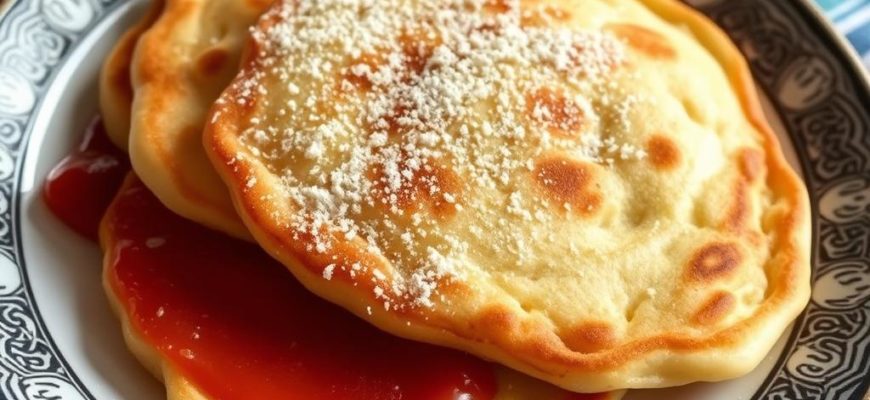
I still remember the first time I bit into a warm, paper-thin pancake rolled around bright red salmon roe at a cozy market stall in St. Petersburg—salt, smoke, and a bite of something ancient all at once. East Slavic pancakes are one of those foods that feel like a map: every fold, every topping tells you whether you’re at a winter festival, a family morning table, or a street fair. If you’ve ever wondered why these simple rounds matter so much, stick around. I’ll walk you through what they are, where they come from, how to make the best ones at home, and the little customs that turn pancakes into a cultural conversation.
- What it is East Slavic pancakes
- History East Slavic pancakes
- Where it first appeared East Slavic pancakes
- Interesting facts about East Slavic pancakes
- Nutritional value East Slavic pancakes
- Popularity in different countries East Slavic pancakes
- 3 best recipes for cooking East Slavic pancakes
- Classic Buckwheat Blini
- Kefir Oladyi (Fluffy Pancakes)
- Syrniki (Cottage Cheese Pancakes)
- What to eat with East Slavic pancakes
What it is East Slavic pancakes
East Slavic pancakes are not one single thing but a family of related dishes common to Russia, Ukraine, and Belarus. Think of blini—thin, crepe-like pancakes—and oladyi, which are thicker, fluffier fritters. There are also syrniki, cheese-based pancakes that sit somewhere between dessert and breakfast. Each variety uses slightly different ingredients: buckwheat or wheat for blini, kefir or yogurt for oladyi, and farmer’s cheese for syrniki. In practice, you’ll find them served with everything from sour cream and jam to smoked fish and caviar.
History East Slavic pancakes
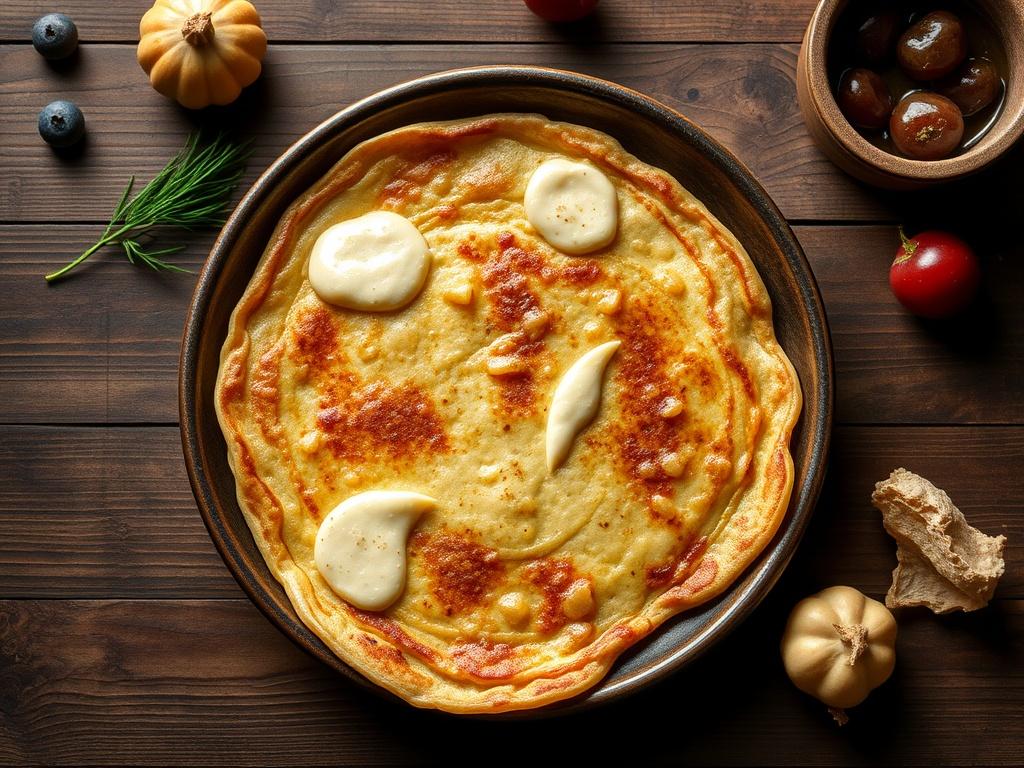
Pancakes in the East Slavic world have roots that reach back to pagan times. Blini were traditionally associated with sun worship—round, golden pancakes symbolized the sun and featured in spring festivals. Over centuries, the dish adapted: with the Christian calendar it became central to Maslenitsa, the week of feasting before Lent. Recipes evolved with available staples—wheat and buckwheat, fermented dairy—so the form you see today is a patchwork of geography, religion, and kitchen thriftiness.
Where it first appeared East Slavic pancakes
Scholars trace the earliest recognizable forms of these pancakes to the medieval lands of Kievan Rus, the cultural ancestor of modern Russia, Ukraine, and Belarus. Local grains and dairy shaped what cooks made: buckwheat in the north and center, wheat where it was more available. Rather than a single pinpointed origin, think of a region-wide emergence—communities exchanging recipes along trade routes and through seasonal celebrations that spread the idea of a fried, round food into everyday life.
Interesting facts about East Slavic pancakes
- Blini were so symbolic they were used in weather superstitions—thin and abundant pancakes promised a good harvest.
- Maslenitsa isn’t only about pancakes; it’s a ritual week that includes bonfires, sledding, and the burning of an effigy to mark winter’s end.
- The Soviet era turned pancake stalls into a dependable street-food tradition, making blini widely accessible beyond home kitchens.
- East Slavic pancakes can be both savory and sweet at the same meal—no strict rules about course divisions.
Nutritional value East Slavic pancakes
The nutrition depends on type and toppings. Here’s a quick reference for a typical serving (per pancake, approximate):
| Pancake type | Calories | Protein | Fat | Carbs |
|---|---|---|---|---|
| Thin blin (wheat, 20 cm) | 90 | 3 g | 2 g | 15 g |
| Oladyi (kefir, single) | 120 | 4 g | 5 g | 14 g |
| Syrnik (cottage cheese) | 150 | 7 g | 8 g | 10 g |
Swap toppings and you change the math: sour cream and jam add sugar and fat; caviar adds salt and healthy fats.
Popularity in different countries East Slavic pancakes
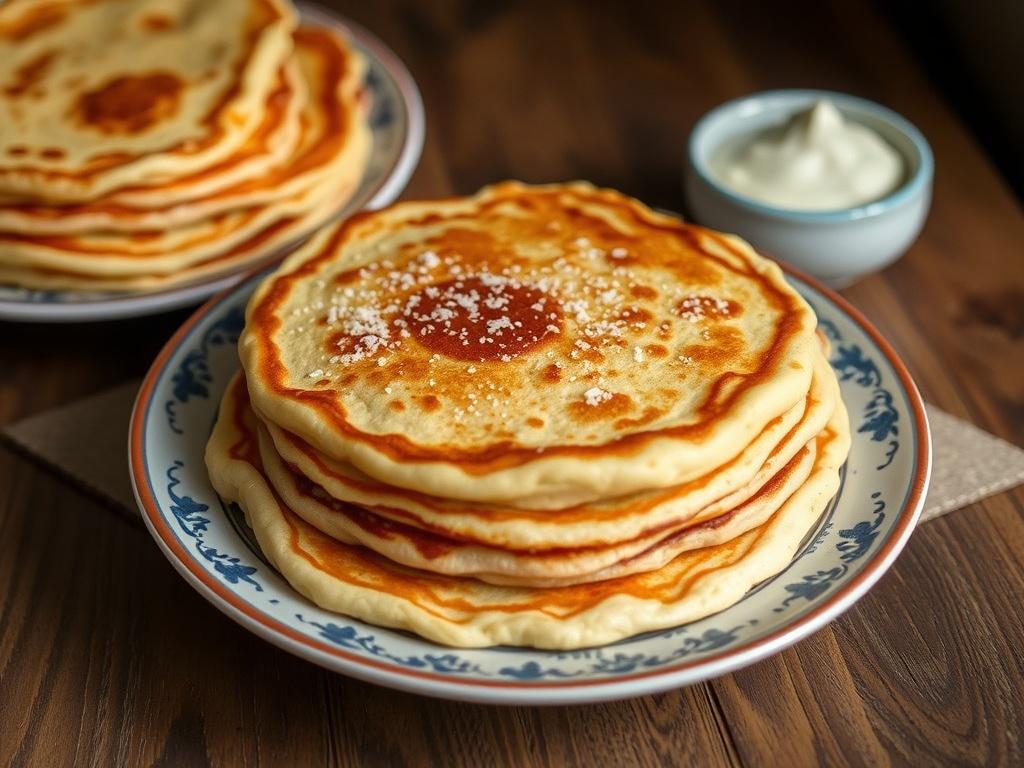
Blini, oladyi, and syrniki are staples across Russia, Ukraine, and Belarus, but each country has its local spins and favorite pairings. In Russia, blini with sour cream and caviar are classic. Ukraine highlights buckwheat blini and cheese pancakes with berry preserves. Belarusian kitchens often favor hearty variations cooked with local dairy and served alongside savory stews. Beyond those borders, diasporas have carried these pancakes to Europe and North America—where they now appear at markets, Orthodox holiday tables, and brunch menus.
3 best recipes for cooking East Slavic pancakes
Below are three recipes I return to again and again: a thin blin, a fluffy oladyi, and a creamy syrnik. Each is simple enough for a novice and reliable for a cook who wants consistency.
Classic Buckwheat Blini
Ingredients:
- 1 cup buckwheat flour
- 1 cup wheat flour
- 2 eggs
- 2 cups milk
- 1 tbsp sugar, 1 tsp salt, 2 tbsp melted butter
Method:
- Whisk eggs with milk, sugar, and salt. Stir in flours until smooth. Add melted butter.
- Heat a nonstick pan, brush lightly with oil. Pour a ladle, swirl thinly. Cook 1–2 minutes per side.
- Stack and keep warm. Serve with sour cream, smoked salmon, or jam.
Kefir Oladyi (Fluffy Pancakes)
Ingredients:
- 1 cup kefir
- 1 egg
- 1 cup flour
- 1 tsp baking soda, pinch of salt, 1 tbsp sugar
Method:
- Mix kefir and soda, wait 5 minutes. Add egg, sugar, salt, then flour to make thick batter.
- Spoon onto hot oiled skillet, cook until golden on both sides.
- Serve with honey, jam, or condensed milk.
Syrniki (Cottage Cheese Pancakes)
Ingredients:
- 400 g farmer’s cheese or ricotta
- 1 egg, 3 tbsp flour, 2 tbsp sugar, vanilla
Method:
- Mix all, shape into small patties, dust with flour.
- Fry slowly in butter until golden and set through.
- Serve with sour cream and berry preserves.
What to eat with East Slavic pancakes
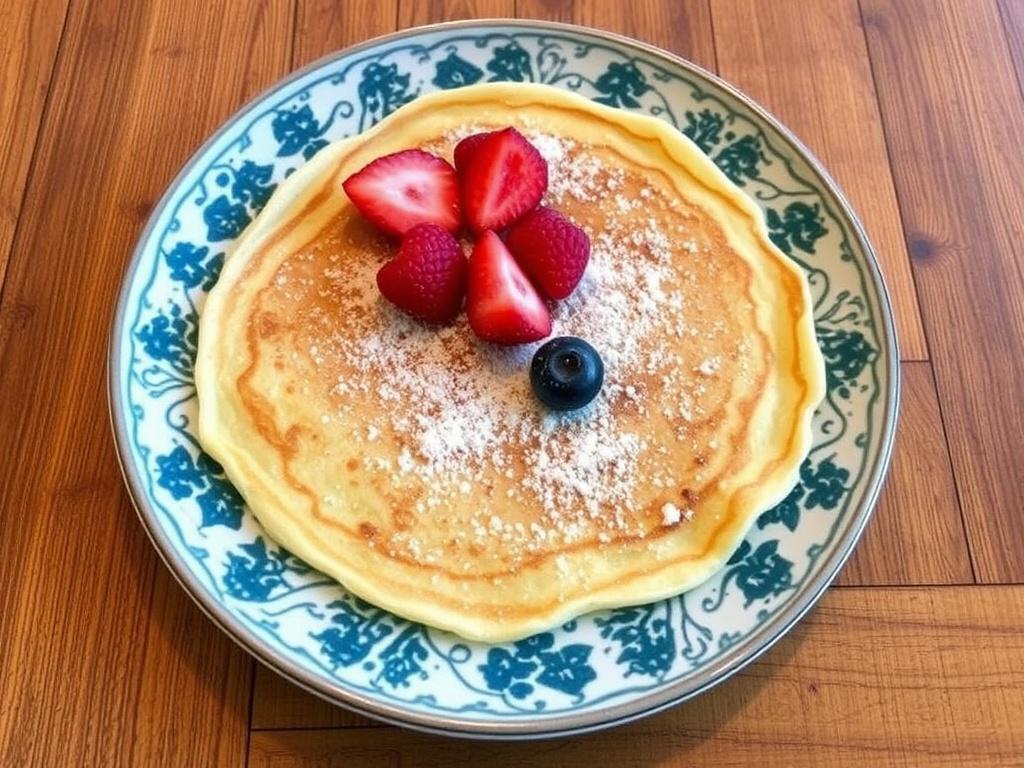
Good pairings are part of the fun. Savory options: sour cream, smoked fish, caviar, sautéed mushrooms, dill, and onions. Sweet options: jam, honey, sweetened condensed milk, fresh berries. For a balanced plate, mix textures—creamy sour cream with crisp fried onions, or buttery blini topped with soft salmon. At Maslenitsa, people set elaborate spreads so guests can experiment: that’s the spirit I love most—pancakes are a canvas.
If you want, I can send printable recipe cards for each pancake type, or help adjust any recipe for gluten-free or vegan diets. Which pancake are you curious to try first?


