
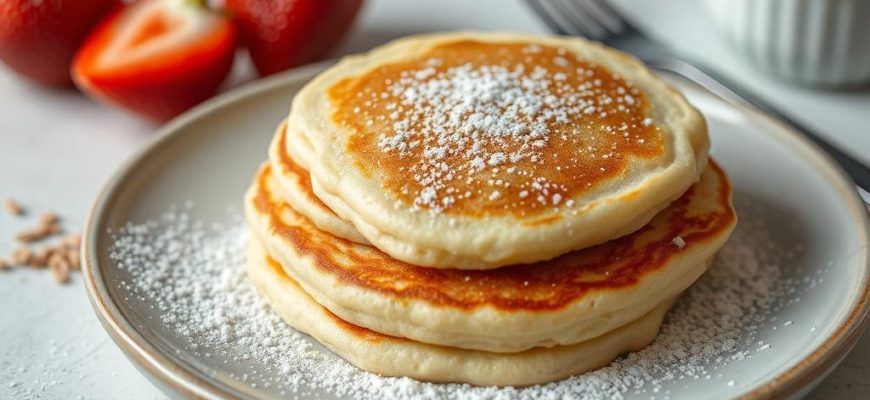
The first time I made pancakes made with yeast, my kitchen filled with a smell that was part bakery, part weekend morning. The batter bubbled like a small, promising landscape and the griddle answered with golden patches that had a slightly chewy edge and a tender crumb. If you’ve only ever known fast, soda-or-baking-powder pancakes, these feel like a slow version of comfort food that rewards patience. Stick with me and I’ll explain what sets them apart, where they came from, how to cook them reliably, and the best ways to serve them so the wait feels completely worth it.
- What yeast pancakes are and why they matter
- Origins and early uses
- Where they first appeared in recognizable forms
- Interesting facts about pancakes made with yeast
- Nutritional value of pancakes made with yeast
- Popularity across regions and how they vary
- Three best recipes for cooking pancakes made with yeast
- 1. Simple overnight yeasted pancakes
- 2. Rustic buckwheat yeasted pancakes with starter feel
- 3. Sweet cinnamon-vanilla yeasted pancakes
- What to eat with pancakes made with yeast
What yeast pancakes are and why they matter
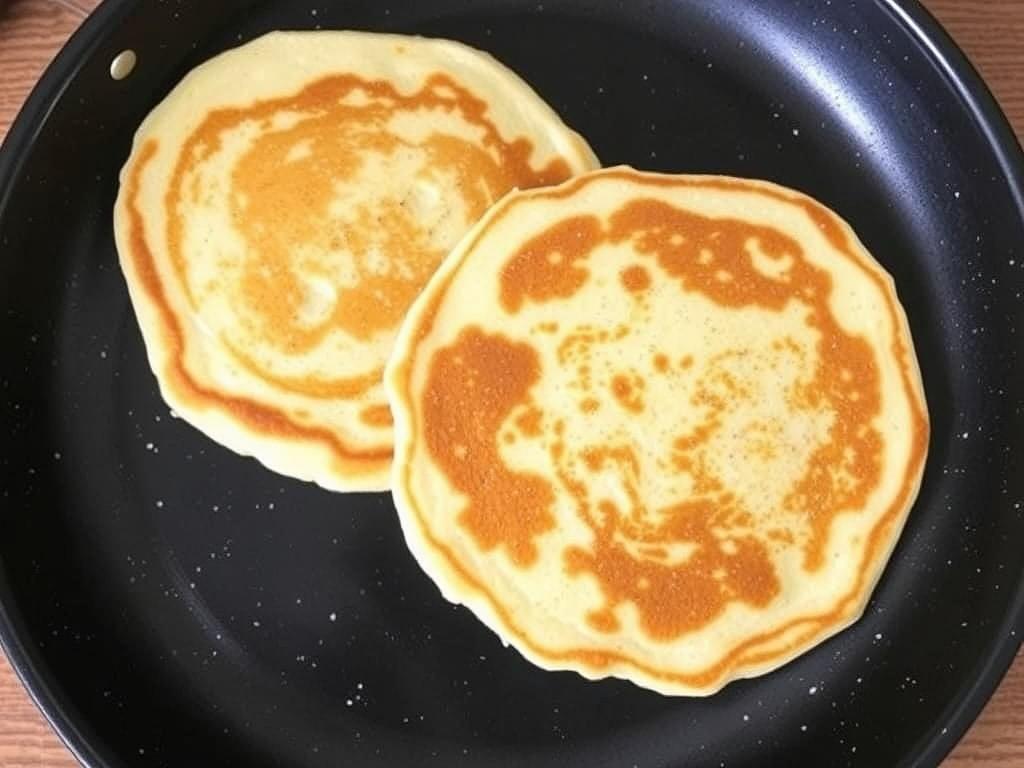
Pancakes made with yeast are simply batter-based cakes that rely on yeast for leavening instead of chemical agents. The yeast works slowly, producing tiny gas bubbles and a subtle fermentation flavor that lifts the texture and deepens the taste. Unlike quick pancakes that puff and fall, yeasted pancakes develop a more complex interior — airy but with body — and a crust that can brown more evenly. They keep better, reheat well, and pair beautifully with both savory and sweet toppings. Think of them as the bridge between a crumpet, a thin bread, and the pancake you know from childhood.
Origins and early uses
Leavening with yeast is ancient; people fermented grains long before they learned to make quick chemical leaveners. The technique of making batter rise with yeast or sourdough cultures appears across many food traditions. In Eastern Europe, for example, versions of blini were originally made with fermented batter or sourdough starter. In much of rural Europe and Asia, small, fried or griddled pancakes made from fermented batter served as everyday bread on a pan. So while there is no single birthplace for pancakes made with yeast, the approach grew naturally wherever people had grain, water, and a habit of keeping a starter or using brewer’s yeast.
Where they first appeared in recognizable forms
Pinpointing an exact origin is tricky because similar ideas emerged independently. That said, the recognizable forms closest to today’s yeasted pancakes are found in Eastern Europe and parts of Scandinavia where buckwheat and wheat batters were fermented for blini and similar flatbreads. In household kitchens before modern baking powder, cooks used sourdough or fresh yeast to make lighter griddle breads. Over time, recipes adapted to local grains and tastes, creating a family of yeasted pancakes rather than a single recipe.
Interesting facts about pancakes made with yeast
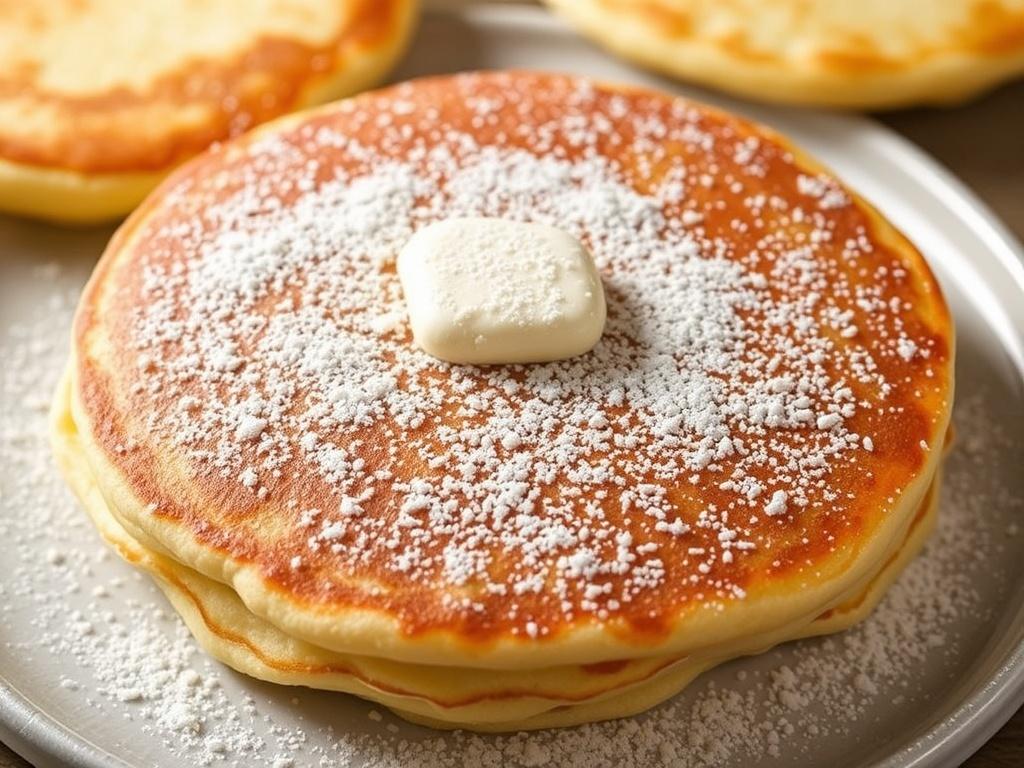
- Fermentation adds flavor and improves digestibility because yeast starts breaking down starches and proteins.
- Yeasted batter can be made the night before and kept in the fridge, which actually improves depth of flavor.
- Temperature matters: a slightly warm batter (about 75–80°F / 24–27°C) activates yeast without speeding it to overproof.
- They adapt well to whole grains. Using part whole-wheat or buckwheat yields a nutty note and a heartier texture.
- Unlike yeast breads, yeasted pancakes don’t require kneading. Gentle mixing is enough to keep them tender.
Nutritional value of pancakes made with yeast
Below is a simple, approximate comparison per two medium pancakes (about 150–180 g total). Values vary by recipe and toppings.
| Type | Calories | Carbs | Protein | Fat |
|---|---|---|---|---|
| Yeasted pancake (plain) | ~260 kcal | ~40 g | ~8 g | ~7 g |
| Quick pancake (baking powder) | ~240 kcal | ~38 g | ~6 g | ~8 g |
Notes: using milk instead of water raises protein and fat; adding an egg increases protein and binding. Whole-grain flours boost fiber and micronutrients. These numbers are estimates intended to help choose ingredients and portion sizes.
Popularity across regions and how they vary
Pancakes made with yeast are beloved where traditional baking persists. In Russia and nearby countries, yeasted blini are a homey classic served at festivals and every day. In parts of Northern Europe and the Netherlands, similar griddle-baked variants appear with local twists. In the United States and the UK, quick pancakes dominate breakfast menus, so yeasted versions are more of a specialty or weekend project. In South and Southeast Asia, fermented batters are common in savory forms like dosas and appams; though these are culturally distinct, they share the fermentation logic with yeast pancakes.
Three best recipes for cooking pancakes made with yeast
1. Simple overnight yeasted pancakes
- Ingredients: 2 cups (250 g) all-purpose flour, 1 tsp salt, 1 tsp sugar, 1 packet (7 g) active dry yeast, 2 cups (480 ml) milk, 1 large egg, 2 tbsp melted butter or oil.
- Steps: Warm milk to lukewarm and stir in yeast and sugar. Let sit 5–10 minutes until bubbling. Whisk in egg and melted butter, then add flour and salt. Mix gently until combined. Cover and refrigerate overnight. Next morning, warm batter to room temperature, heat a lightly oiled skillet, and cook ¼–⅓ cup portions until golden on both sides.
- Tip: For extra lift, let batter rest at room temperature 30–45 minutes before cooking.
2. Rustic buckwheat yeasted pancakes with starter feel
- Ingredients: 1 cup buckwheat flour, 1 cup all-purpose flour, 1 tsp active dry yeast, 1½ cups water, 1 tsp salt, 1 tbsp honey.
- Steps: Combine flours, salt. Warm water slightly, dissolve yeast and honey, then mix into flours. Cover and leave at room temperature 6–8 hours until bubbly. Stir and cook on a hot griddle. Serve with butter and smoked salmon or jam.
- Tip: The long ferment develops tang that pairs well with savory toppings.
3. Sweet cinnamon-vanilla yeasted pancakes
- Ingredients: 2 cups flour, 2 tbsp sugar, 1 tsp yeast, 1 tsp vanilla extract, 1 tsp cinnamon, 1½ cups milk, 1 egg, 2 tbsp melted butter.
- Steps: Bloom yeast in milk with a pinch of sugar. Whisk in egg, butter, vanilla, cinnamon, then fold into dry ingredients. Let rest 1–2 hours until airy. Cook on medium heat and serve warm with honey, fruit compote, or maple syrup.
- Tip: Add a spoonful of sour cream to the batter for extra silkiness.
What to eat with pancakes made with yeast
These pancakes play well with a wide range of flavors. For savory pairings think smoked fish with sour cream and chives, sautéed mushrooms and melted cheese, or a simple fried egg and herb butter. For sweet options choose thick fruit compote, honey and walnuts, or a classic lemon and sugar. They also handle syrup and jam beautifully; because of their firmer crumb they don’t go soggy as quickly. If you prepare batter ahead, toast or reheat pancakes on a skillet to revive their exterior before serving.
Final note: making pancakes made with yeast asks for a little patience, but the result is personalized flavor and texture you won’t find in a minute-mix. Try the overnight version once, and you’ll understand why people keep coming back to slow breakfasts.


