
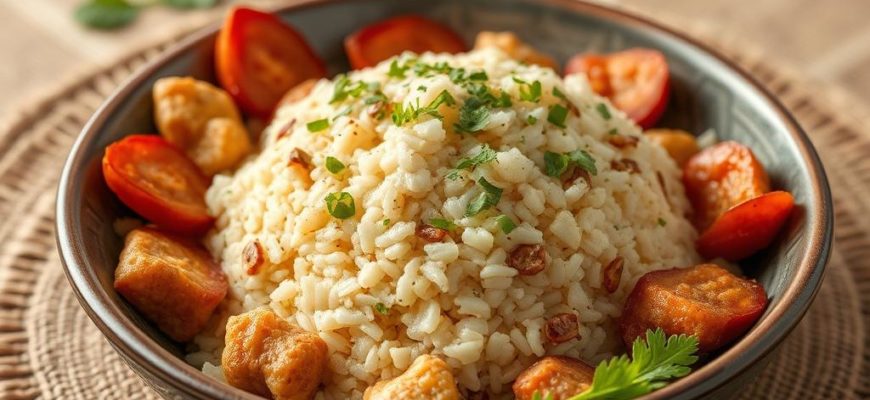
Imagine a steaming pot of rice glazed with golden fat, pieces of tender meat that melt on your tongue, and a faint whisper of roasted carrots and onion — that first bite feels like stepping into a warm living room in the middle of the steppe. Buryat pilaf is not just food; it’s a handheld map of a people who learned to make satisfying meals from a few hardy ingredients and a generous spirit. If you like food with a story and a personality, stick around — I’ll walk you through where this dish comes from, how it evolved, why it tastes the way it does, and how you can make a memorable pot at home that sings of open skies and family tables.
- Country of origin Buryat pilaf
- History Buryat pilaf
- Interesting facts about Buryat pilaf
- Nutritional value Buryat pilaf
- Popularity in different countries Buryat pilaf
- The best step-by-step cooking recipe for Buryat pilaf
- Ingredients (serves 4–6)
- Equipment
- Step-by-step instructions
- Tips for a memorable result
Country of origin Buryat pilaf
Buryat pilaf comes from the Buryat people, an indigenous group concentrated in the area around Lake Baikal in Siberia. The Buryats adapted many culinary ideas from neighboring cultures — Mongolian and Russian influences are both visible — but their pilaf kept its own identity. Unlike some Central Asian versions that favor lamb, the traditional Buryat approach often uses beef or mutton and sometimes even horse meat, reflecting the pastoral lifestyle of the region. The dish developed where winters are long and provisions must be filling and reliable, so the recipes emphasize calorie-dense ingredients and simple techniques that work over a hearth or in a large cauldron.
History Buryat pilaf
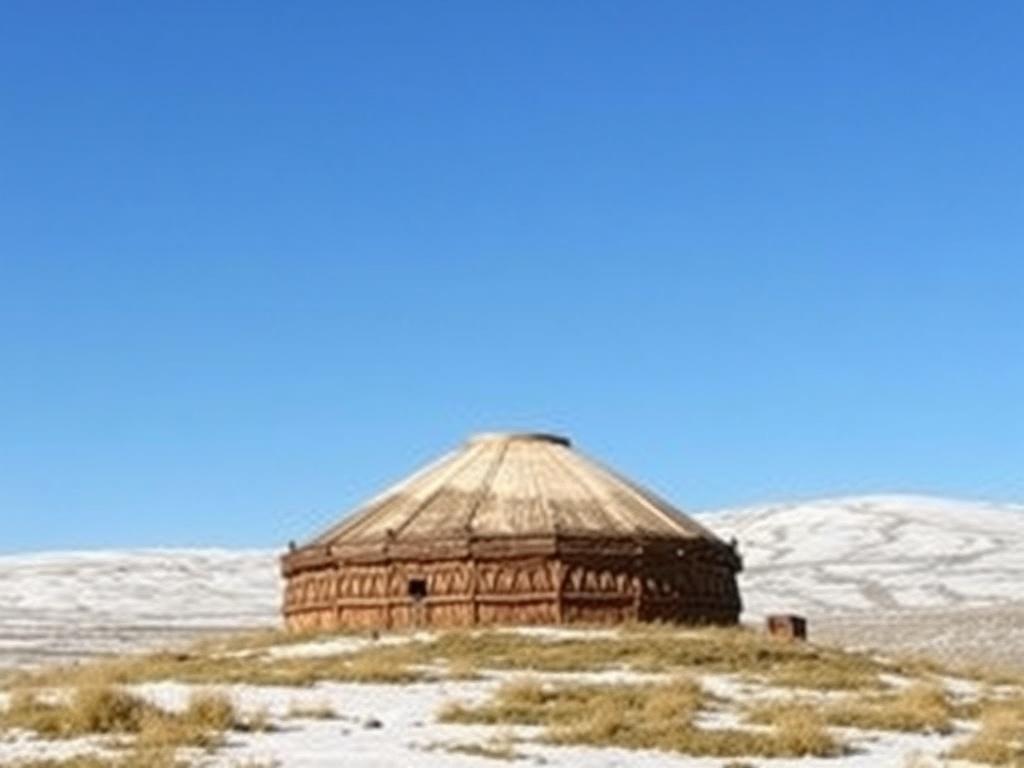
The roots of Buryat pilaf stretch back centuries, when nomadic herders and settled farmers met at trade routes and seasonal gatherings. Rice likely arrived through trade links with Central Asia and China, and the Buryats blended it with their local meats and fats. Over time, what began as a practical one-pot meal for travelers and herders turned into a communal centerpiece for weddings, holidays, and funerals. Each family kept its own tweaks — more fat, more carrots, more onion — so pilaf became a marker of regional and household identity. In Soviet times, the dish also adapted to ingredient availability, but its core remained the same: rice, meat, fat, and patience.
Interesting facts about Buryat pilaf
- Buryat pilaf is often cooked outdoors in a cast-iron cauldron called a “kazan,” which gives the bottom layer a pleasantly crisp texture, prized by many eaters.
- The sequence of layering matters: meat and fat first, then vegetables, then rice and hot broth — this order helps each ingredient finish with the right texture.
- It’s common to find regional variants that add local touches like dried berries or small amounts of horse fat, which bring a distinct aroma and richness.
- In communal settings the pot is placed on a low table, and people serve directly from it, which keeps serving warm and encourages conversation.
Nutritional value Buryat pilaf
Buryat pilaf is a dense, energy-rich dish. A typical serving combines carbohydrates from rice, protein from meat, and significant fat from cooking fat or lard. That makes it ideal for cold climates where high-calorie intake is important. Below is a rough nutritional overview per one generous serving (about 350–400 g); values will shift depending on meat cut and fat used.
| Nutrient | Approximate amount per serving |
|---|---|
| Calories | 650–850 kcal |
| Protein | 25–40 g |
| Fat | 25–45 g |
| Carbohydrates | 70–100 g |
| Fiber | 3–6 g |
To make the dish lighter, use leaner cuts of meat, less added fat, and more vegetables. If you need lower sodium, control the amount of salt and skip high-sodium broths.
Popularity in different countries Buryat pilaf
Within Russia and Mongolia, Buryat pilaf enjoys solid popularity, especially in regions with Buryat communities. It’s also gaining attention in cities where people seek authentic regional cuisine — restaurants in larger Russian cities sometimes feature it as a specialty. Outside that region it’s less common, but interest is growing among food enthusiasts who chase lesser-known traditional dishes. At festivals celebrating Siberian culture and at some nomad-themed food events worldwide, Buryat pilaf often draws crowds eager to try something both rustic and deeply rooted.
The best step-by-step cooking recipe for Buryat pilaf
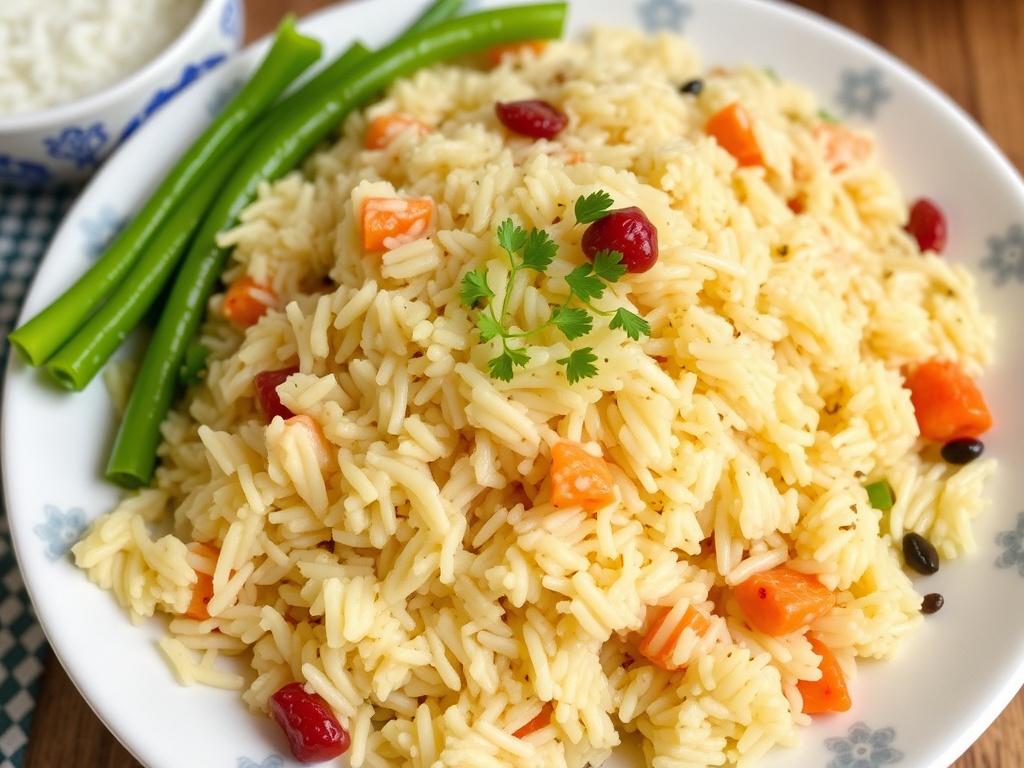
Ingredients (serves 4–6)
- 700 g beef or mutton, cut into 2–3 cm chunks
- 300 g long-grain rice, rinsed until water runs clear
- 3 large carrots, julienned or coarsely grated
- 2 large onions, thinly sliced
- 100–150 ml animal fat or vegetable oil
- Salt and black pepper to taste
- 1–1.2 liters hot water or light broth
- Optional: garlic, bay leaf, cumin (use sparingly)
Equipment
- Heavy-bottomed pot or kazan with a lid
- Wooden spoon
- Fine-mesh sieve for rinsing rice
Step-by-step instructions
- Heat the fat in your pot over medium-high heat until shimmering. Brown the meat in batches to get good color; this builds depth of flavor. Remove meat and set aside.
- In the same pot, reduce heat and sauté onions until translucent and golden. Add carrots and cook until they soften and start to caramelize; this brings sweetness that balances the fat.
- Return the meat to the pot, stir briefly, then spread the rice evenly over the meat and vegetables. Do not stir from this point — layering keeps textures separate.
- Gently pour hot water or broth so it covers the rice by about 1–1.5 cm. Sprinkle salt and any spices across the surface. Bring once to a low boil, then reduce to the lowest heat, cover tightly, and simmer for 25–35 minutes until rice is tender and liquid absorbed.
- Turn off heat and let the pot rest, covered, for 10–15 minutes. This helps steam finish the rice and firms up the bottom crust — many people prize that crust.
- Loosen the pilaf with a fork or wooden spoon, mixing gently so meat and rice combine. Serve straight from the pot with pickles, fresh herbs, or a simple salad.
Tips for a memorable result
- Use hot water so the cooking cycle is steady; cold liquid can make the rice gluey.
- Resist stirring after adding rice — patience equals better texture.
- If you like a smoky edge, briefly sear meat over higher heat or cook in a cast-iron kazan over coals.
Buryat pilaf is comfort, community, and practicality in one pot. Make it with friends or family, let conversation bubble as the pot steams, and you’ll taste more than rice and meat — you’ll taste a place and a way of life.


