

If you’ve ever wandered into a quaint Parisian café or a bustling street market in France, chances are you encountered the humble yet irresistibly charming French crepe. These paper-thin pancakes, draped around both sweet and savory fillings, have a knack for stealing the spotlight. But their appeal goes deeper than just taste — crepes carry stories of tradition, artistry, and even a bit of everyday magic that has captured hearts worldwide. So, if you’ve ever wondered what makes French crepes so special, keep reading. The journey of these delicate treats is full of surprises, flavors, and maybe even a recipe or two worth trying in your own kitchen.
- Unraveling the French Crepe: What Exactly is It
- The Tale Behind the Taste: History of French Crepes
- Where French Crepes First Captured Hearts
- Unveiling Fun Facts About French Crepes
- What’s Inside Matters: Nutritional Value of French Crepes
- French Crepes Around the World: Popularity in Different Countries
- Three Crepe Recipes Worth Mastering Today
- The Perfect Pair: What to Eat With French Crepes
Unraveling the French Crepe: What Exactly is It
At its core, a French crepe is a very thin pancake, usually made from simple ingredients like flour, eggs, milk, and a pinch of salt or sugar. What sets it apart from your typical American pancake is its texture and versatility. Instead of being thick and fluffy, crepes are thin and tender, almost like edible sheets of delicate fabric. This thinness allows them to fold or roll around an array of fillings, both sweet and savory. Think of it as a blank canvas for flavors ranging from classic lemon and sugar to savory ham and cheese or even smoked salmon and crème fraîche. The batter is poured onto a hot griddle or a special crepe pan, spread evenly in a circular motion, and cooked just long enough to develop a light golden-brown color.
The Tale Behind the Taste: History of French Crepes
French crepes come with a history that’s as rich as their flavor. They first emerged in the Brittany region of northwest France, a place famous for its buckwheat fields — a key ingredient in traditional savory crepes known as galettes. These pancakes were a staple for farmers and villagers centuries ago, thanks to their simplicity and nutritional value. Over time, as wheat flour became more accessible, crepes evolved in the French culinary landscape, becoming a beloved treat that bridged social classes from peasant fare to gourmet delicacies served in Parisian cafés. Their history is also intertwined with celebrations — the famous “La Chandeleur” or Candlemas Day in France is traditionally marked by flipping crepes, promising prosperity and good luck for the year ahead.
Where French Crepes First Captured Hearts
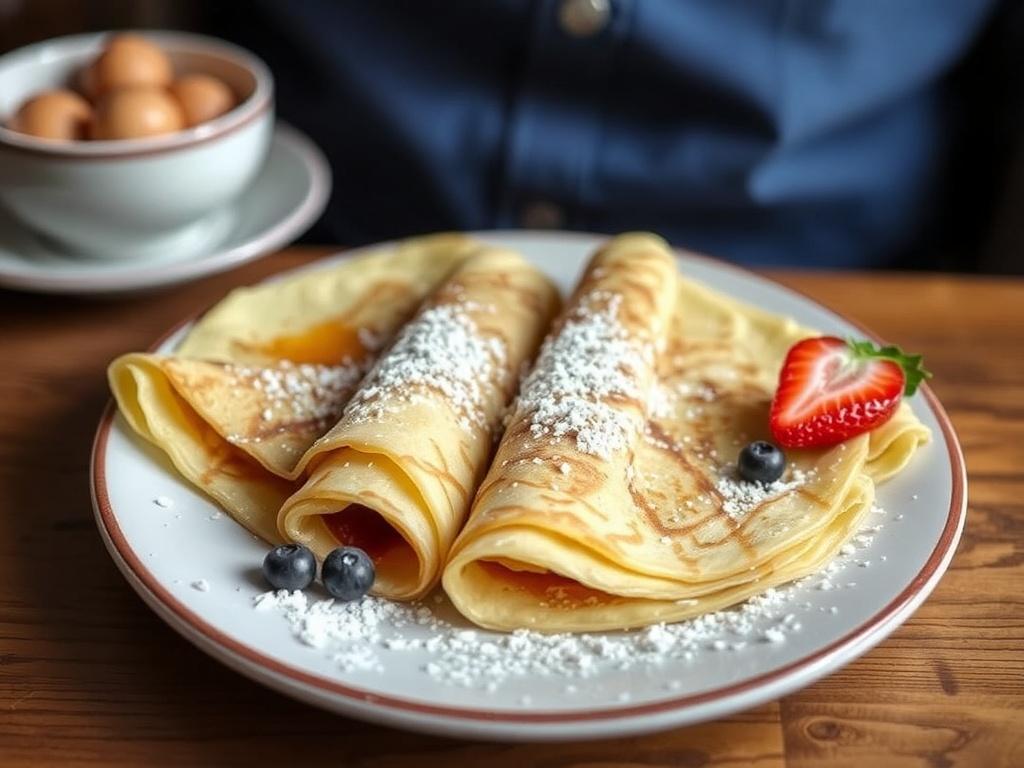
Though pancakes exist in many cultures, the French crepe’s birthplace is undoubtedly Brittany. The rugged landscapes and farmland there nurtured the creation of the buckwheat galette around the 13th century. This recipe’s simplicity and flexibility made it a regional favorite. When it spread to other parts of France, the emphasis shifted toward sweeter versions, especially in Paris and the southern regions. Today, crepes can be found everywhere—from the streets of Montmartre with bustling creperies to fine dining tables in Provence. Their humble beginnings in rural Brittany shaped the soul of this dish, but their journey through France gave them the wide appeal we know today.
Unveiling Fun Facts About French Crepes
French crepes carry more stories and quirks than you might expect. For example, did you know that flipping crepes while holding a coin in your other hand is a French tradition believed to bring wealth? Another tidbit is about the crepe itself — the batter is often left to rest for a while to ensure it cooks more evenly, something not all pancakes require. Also, while buckwheat crepes are gluten-free by nature, they’re a staple for those avoiding gluten, marrying tradition with modern dietary needs. And the special crepe pan, often made of cast iron, is designed specifically to master the technique of spreading batter super thin — a skill that can take time to perfect, but is deeply satisfying once you get the hang of it.
What’s Inside Matters: Nutritional Value of French Crepes
Nutritionally, French crepes strike a balance between comfort food and a light meal, depending on what you add inside. The basic batter itself is relatively low in calories — a plain crepe usually contains about 90-120 calories. When made with buckwheat flour, they pack more fiber, protein, and essential minerals like magnesium. The versatility means you can keep your meal light by filling crepes with fresh fruits, yogurt, or vegetables, or enrich them with cheese, meats, and sauces if you’re after something heartier. Unlike thick pancakes drenched in syrup, the thinness minimizes excess carbs, making crepes one of those rare indulgences that won’t leave you feeling weighed down.
French Crepes Around the World: Popularity in Different Countries
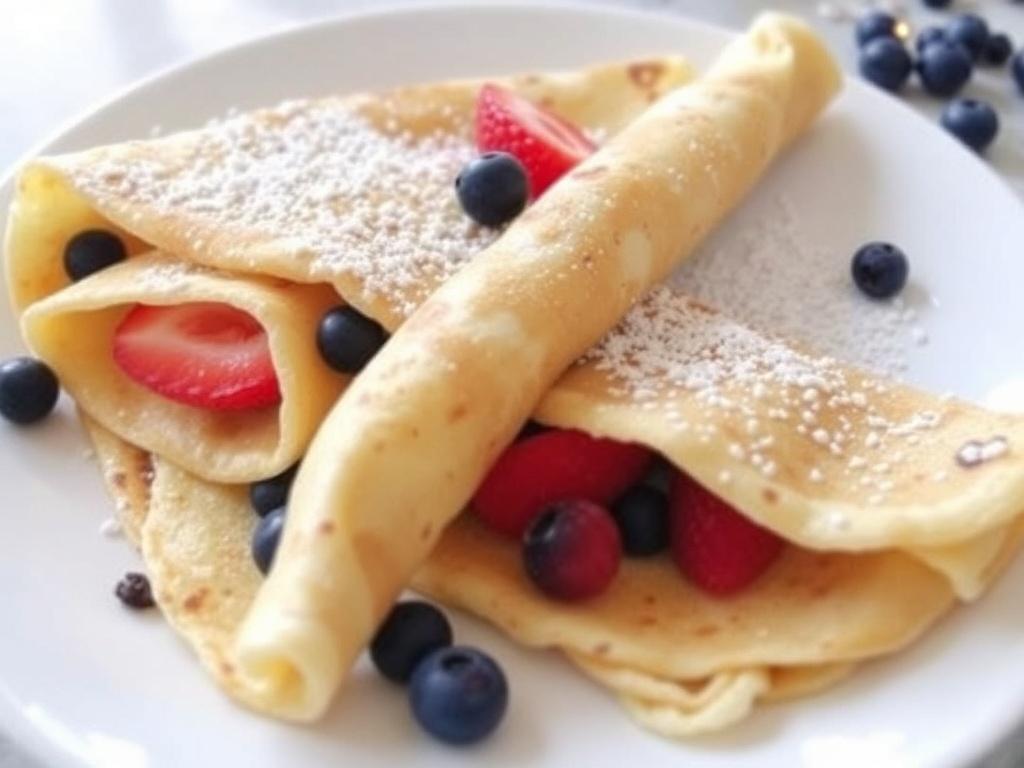
Although French crepes are quintessentially French, their charm has crossed borders. In the United States and Canada, crepes enjoy great popularity especially in brunch menus, often topped with Nutella or fresh berries. Japan has its own vibrant crepe culture — especially in Harajuku, where crepes are rolled up with colorful ice cream, whipped cream, and fruits as a street snack staple. In Eastern Europe, thin pancakes reminiscent of crepes appear in traditional dishes, but the French style remains a culinary icon. Even countries in Africa and South America have embraced crepes, tweaking recipes with local ingredients. It’s fun to see how this simple French creation adapts and weaves into diverse global cuisines.
Three Crepe Recipes Worth Mastering Today
Ready to try your hand at making French crepes? Here are three classic recipes that bring out the best the dish can offer:
- Basic French Crepe Batter:
- 1 cup all-purpose flour
- 2 eggs
- 1/2 cup milk
- 1/2 cup water
- 2 tbsp melted butter
- 1/4 tsp salt
Mix all ingredients until smooth. Rest batter for 30 minutes, then cook on a hot greased pan.
- Buckwheat Galette (Savory):
- 1 cup buckwheat flour
- 1 1/4 cup water
- 1 egg
- 1/4 tsp salt
Cook like basic crepes and fill with ham and melted cheese or mushrooms and spinach.
- Sweet Lemon and Sugar Crepe:
After cooking a plain crepe, sprinkle with granulated sugar and squeeze fresh lemon juice over the top. Fold into quarters and enjoy the bright, simple flavor.
The Perfect Pair: What to Eat With French Crepes
Crepes are a delight because of their endless pairing possibilities. For breakfast or dessert, classic accompaniments include Nutella, fresh strawberries, bananas, whipped cream, or maple syrup. Savory crepes pair wonderfully with eggs, smoked salmon, spinach, roasted vegetables, and various cheeses like Gruyère or goat cheese. For an extra touch, drizzling a bit of honey or balsamic reduction can elevate both sweet and savory versions. And let’s not forget beverages — a cup of aromatic coffee or a glass of chilled cider complement their lightness perfectly. Whether simple or elaborate, crepes invite experimentation, encouraging you to mix flavors and styles every time.
—
French crepes hold a special place in the culinary world, blending simplicity with endless creativity. Their history, texture, and global journey show how a straightforward dish can become a cultural icon and everyday joy. So next time you spot a crepe stand or fancy a homemade treat, you’ll understand exactly what makes French crepes such a beloved culinary canvas.


