

There’s something about Shark Fin Soup that instantly sparks curiosity and, often, controversy. Maybe it’s the exotic reputation or the ethical debates surrounding it. Either way, this dish isn’t just a fancy menu item—it carries a long and complex story that’s worth uncovering. If you’ve ever wondered what exactly Shark Fin Soup is, where it originated, or why it remains a significant yet controversial delicacy, you’ve landed in the right place. Prepare yourself for an eye-opening journey through the history, nutritional value, cultural significance, and even some mouthwatering recipes all revolving around Shark Fin Soup. Ready? Let’s get started.
- Understanding Shark Fin Soup: What It Is and Why It Matters
- Tracing Back Time: The History of Shark Fin Soup
- The Origins: Where Shark Fin Soup First Appeared
- Fascinating Insights: Interesting Facts About Shark Fin Soup
- Breaking Down Nutrition: The Nutritional Value of Shark Fin Soup
- Global Appetite: Popularity of Shark Fin Soup in Different Countries
- Cooking Up Tradition: The 3 Best Recipes for Shark Fin Soup
- Classic Cantonese Shark Fin Soup
- Shark Fin and Crabmeat Soup
- Vegetarian Shark Fin Soup Alternative
- The Perfect Pairings: What to Eat with Shark Fin Soup
Understanding Shark Fin Soup: What It Is and Why It Matters
Shark Fin Soup is a traditional Chinese delicacy typically served at banquets, weddings, and important celebrations. Unlike many other soups, what makes this dish unique and highly sought after are the shark fins, which give it a distinctive texture and appearance. Interestingly, the fins themselves don’t have much flavor; it’s the broth—often made from chicken or pork stock—that carries most of the taste. The fin provides a gelatinous, almost crunchy texture that many find appealing.
But beyond this superficial description, Shark Fin Soup represents far more than just a bowl on the table. It’s often seen as a symbol of status and wealth due to its pricey and rare ingredients. However, the dish has also become one of the most controversial foods today due to the environmental impact of shark finning practices and the ethical questions surrounding wildlife conservation.
Tracing Back Time: The History of Shark Fin Soup
The story of Shark Fin Soup goes back over a thousand years, rooted deep in Chinese culinary tradition. It’s believed that the dish first appeared during the Ming Dynasty (1368–1644), where it was embraced not just for its taste but also for its perceived medicinal properties. Early texts even claimed that eating shark fin could boost health, strengthen the kidneys, and improve skin quality.
Originally, Shark Fin Soup was reserved for emperors and the elite, making it a symbol of imperial luxury. Over time, it trickled down into high society banquets and wedding feasts across China and neighboring regions, where serving this soup was a display of generosity and luxury.
The Origins: Where Shark Fin Soup First Appeared
While Shark Fin Soup is now widely recognized as a Chinese specialty, some historians suggest it could have had influence from coastal regions where sharks have long been part of the diet. The earliest recorded recipes come from southern China, particularly Cantonese cuisine, which has always emphasized rich, delicate broths and rare ingredients. From this hotspot, the reputation of Shark Fin Soup spread across Asia and eventually around the globe.
Fascinating Insights: Interesting Facts About Shark Fin Soup
– Despite its luxurious reputation, shark fins themselves are mostly made of cartilage and do not carry much flavor.
– The demand for Shark Fin Soup contributes to the deaths of millions of sharks annually, raising significant sustainability issues.
– Some regions now offer plant-based or synthetic alternatives mimicking the fin’s texture to reduce ecological harm.
– In parts of China and other countries, the consumption of Shark Fin Soup has been banned or reduced in public institutions because of environmental concerns.
– The soup’s gelatinous texture is sought after, which is believed to symbolize wealth and prosperity by some cultures.
These facts reveal that Shark Fin Soup is more than just food—it’s a window into cultural identity and global environmental challenges.
Breaking Down Nutrition: The Nutritional Value of Shark Fin Soup
When it comes to nutritional value, Shark Fin Soup isn’t as rich as many might think. The fins themselves are mostly protein, but they lack significant vitamins or minerals. The nutritional content varies widely depending on the broth and additional ingredients.
| Component | Approximate Amount (per 100g) |
|---|---|
| Calories | 50-70 kcal |
| Protein | 9-12 grams |
| Fat | 0.2-0.5 grams |
| Carbohydrates | 0-1 grams |
| Calcium & minerals | Trace amounts |
Most of the nourishment actually comes from the meat stock or additional soup ingredients like mushrooms, seafood, or herbs. This means that Shark Fin Soup is more prized for its texture and status symbol than for any significant health benefit.
Global Appetite: Popularity of Shark Fin Soup in Different Countries
While Shark Fin Soup is most closely associated with Chinese culture, its popularity reaches far beyond China’s borders. Hong Kong, Taiwan, Singapore, Malaysia, and other parts of Southeast Asia have embraced the dish historically. Among Chinese communities worldwide—from North America to Australia—Shark Fin Soup remains a coveted dish for festivals and weddings, despite increasing opposition.
That said, public opinion is shifting. Many countries have begun limiting shark fin imports or banning the dish at government functions to protect shark populations. For instance:
- Hong Kong has pledged to stop serving it in government events by 2021.
- The United States has banned the possession and trade of shark fins in several states.
- In mainland China, public campaigns have led to a significant drop in demand.
These changes showcase a global awareness about preserving marine life while balancing cultural tradition.
Cooking Up Tradition: The 3 Best Recipes for Shark Fin Soup
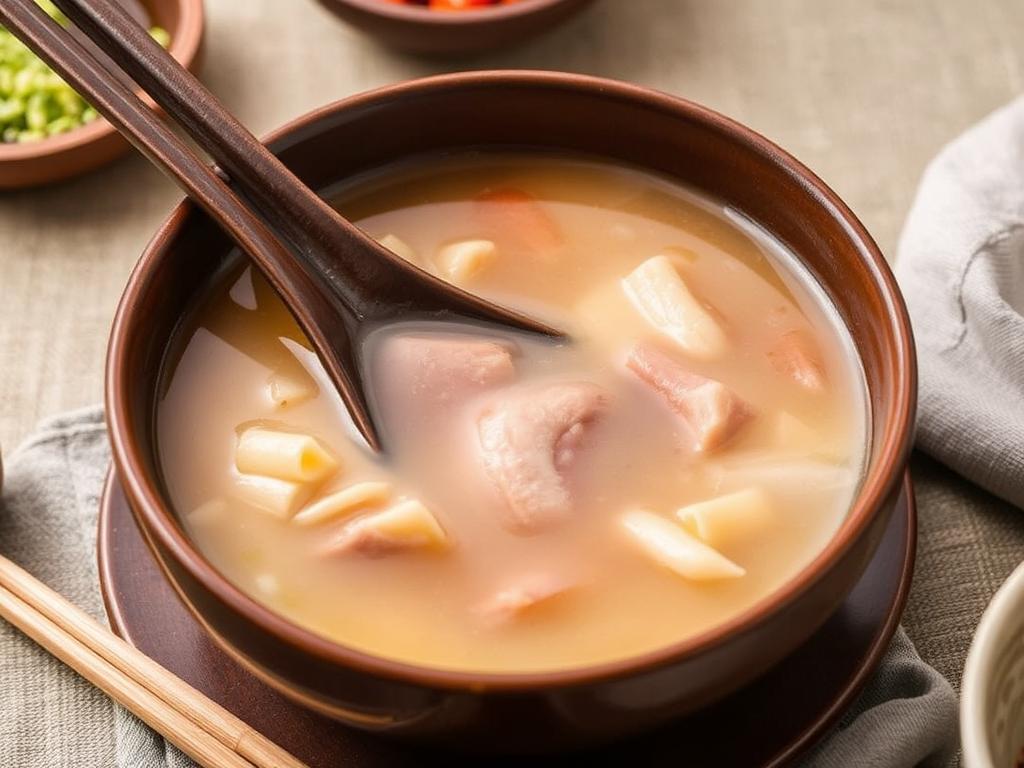
If you’re curious how to prepare authentic Shark Fin Soup, here are three popular recipes that differ slightly but all emphasize slow cooking to extract the best flavors.
Classic Cantonese Shark Fin Soup
- Ingredients: Dried shark fins, chicken broth, ginger, Shaoxing wine, mushrooms, scallions, corn starch
- Preparation: Soak and clean fins overnight, simmer with broth for hours, thicken with starch, season with wine and ginger.
Shark Fin and Crabmeat Soup
- Ingredients: Shark fins, crab meat, egg whites, chicken stock, sesame oil, soy sauce
- Preparation: Gently blend crab meat into stock, add softened fins, add beaten egg whites slowly to create texture, season as desired.
Vegetarian Shark Fin Soup Alternative
- Ingredients: Konjac strips (gelatinous plant-based product), vegetable broth, soy sauce, mushrooms, and wakame seaweed
- Preparation: Substitute konjac for shark fins, prepare broth with umami-rich vegetables, simmer gently, thicken slightly, and serve hot.
These recipes highlight ways both traditional cooks and modern chefs approach the culinary challenge of Shark Fin Soup, with growing trends toward sustainable alternatives.
The Perfect Pairings: What to Eat with Shark Fin Soup
Because Shark Fin Soup is usually served as a starter or centerpiece, pairing it thoughtfully can elevate a meal. Here are some common accompaniments:
- Steamed seafood dishes like lobster or scallops to complement the marine flavors.
- Light stir-fried vegetables such as bok choy or snow peas to balance richness.
- Jasmine rice or fried rice to soak up the flavorful broth.
- Tea—especially chrysanthemum or oolong—helps cleanse the palate.
Choosing complementary dishes helps maintain balance during festive feasts, respecting both tradition and taste.
—
Whether you’re drawn by the mystique, fascinated by the history, or concerned by the environmental debates, Shark Fin Soup is a dish that tells a big story in a small bowl. By exploring what Shark Fin Soup is, its origins, global standing, and how it’s enjoyed, we can better appreciate both its cultural significance and the importance of protecting our oceans.


