
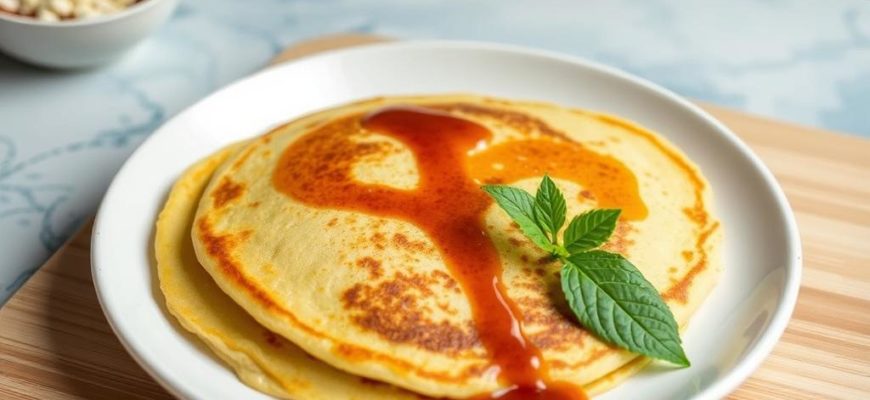
I still remember the first time I bit into a Pinyaram pancake — the outside was lightly crisp, the inside chewy and sweet in a way that felt both familiar and new. It wasn’t the kind of snack you rush through; you pause, sip your tea, and let the flavors unfold. If you like comforting, coconut-and-palm-sugar treats that carry a sense of place and history, keep reading — Pinyaram pancakes are a small revelation that travel well from kitchen to kitchen.
- What Pinyaram pancakes are and why they charm
- The history of Pinyaram pancakes
- Where Pinyaram pancakes first appeared
- Interesting facts about Pinyaram pancakes
- Nutritional value of Pinyaram pancakes
- Popularity of Pinyaram pancakes in different countries
- Three best recipes for cooking Pinyaram pancakes
- 1. Classic Palm Sugar Pinyaram pancakes (traditional)
- 2. Pandan-scented Pinyaram pancakes
- 3. Sweet potato Pinyaram pancakes (modern twist)
- What to eat with Pinyaram pancakes
What Pinyaram pancakes are and why they charm
Pinyaram pancakes are small, thick fritters made from a batter of rice or glutinous rice flour mixed with coconut milk and sweetened with palm sugar (gula melaka). They puff a little as they cook, forming a tender, slightly chewy center and a caramelized exterior. Think of them as a cousin to pancakes and doughnuts: not flat and fluffy like Western pancakes, nor fully doughnut-like — they sit comfortably in between, with a texture that depends on the flour ratio and frying technique. Pinyaram pancakes are usually bite-sized or palm-sized and served warm as a snack, dessert, or festival food.
The history of Pinyaram pancakes
Tracing an exact origin is tricky, but Pinyaram pancakes belong to the culinary tapestry of the Malay Archipelago. They’ve been part of coastal and island communities for generations, passed down in kitchens where rice, coconut and palm sugar were daily staples. Historically, these ingredients were accessible and preserved well in tropical climates, making Pinyaram a natural home-kitchen creation. Over time, Pinyaram pancakes moved from being a humble household treat to a festive item — served at gatherings, religious celebrations, and market stalls. The recipe has always adapted: families tweak textures, sweetness and flavors according to local taste and ingredient availability.
Where Pinyaram pancakes first appeared
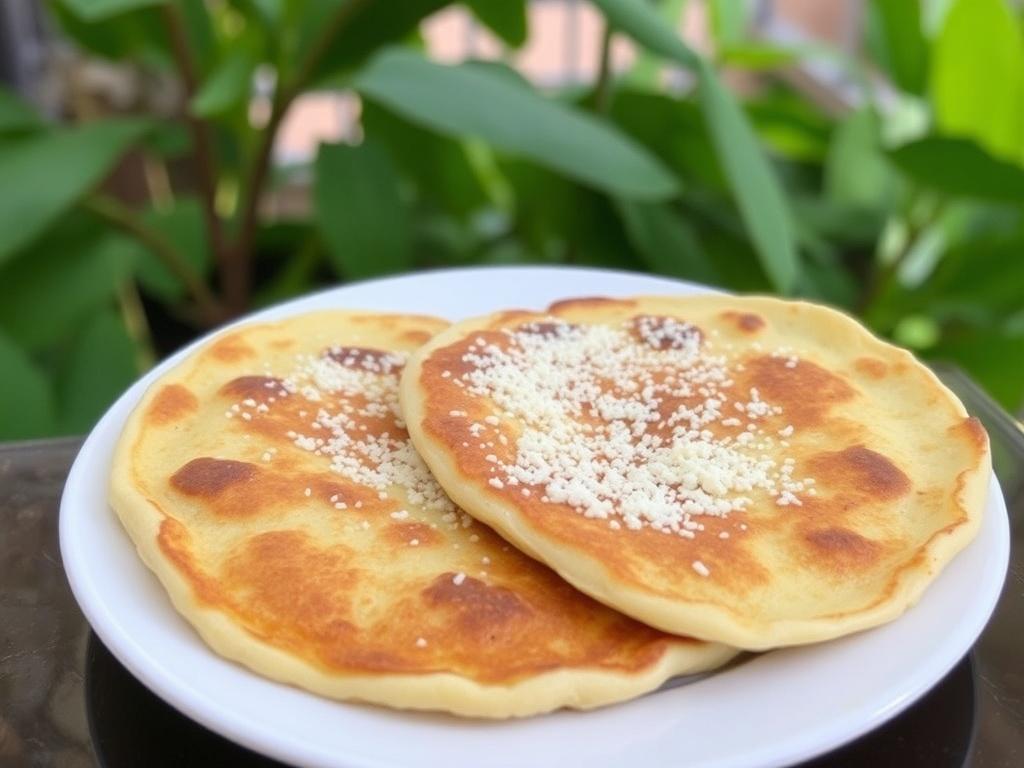
Most culinary historians point to the wider Malay world — Sumatra, the Malay Peninsula and Borneo — as the birthplace of Pinyaram pancakes. Regions with Minangkabau, Malay and Bugis cultural influence each developed their own versions. In Indonesia and Malaysia you’ll find variations in spelling and pronunciation, but the core idea remains the same. Because rice, coconut and palm sugar formed the backbone of many local diets, pockets of the archipelago independently developed similar fried rice-flour sweets, which later converged into the Pinyaram family.
Interesting facts about Pinyaram pancakes
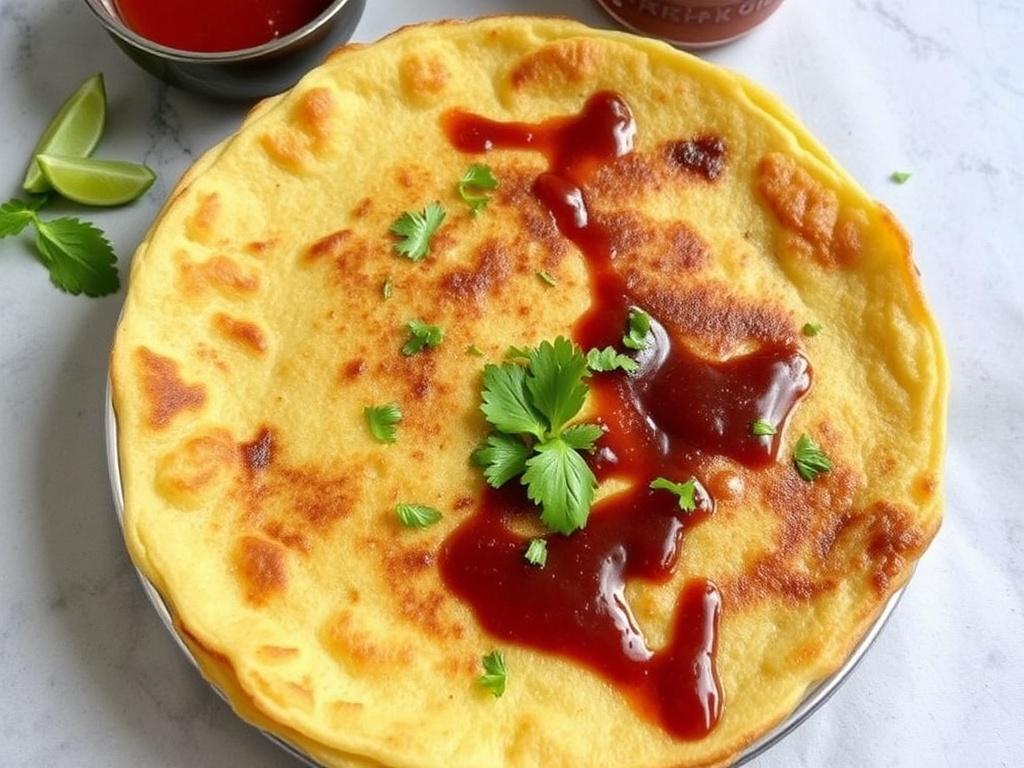
- Names and spellings vary: you might see pinjaram, penyaram, pinyaram — they all point to the same basic treat with regional tweaks.
- Pinyaram pancakes are traditionally made with gula melaka (palm sugar). Using that sugar gives a deep, smoky sweetness you don’t get from refined sugar.
- They are often shaped freehand in hot oil or cooked in a shallow pan; the resulting irregular, rustic shapes are part of the charm.
- Modern cooks experiment with flavors: pandan, banana, sweet potato and even chocolate versions are common at markets and home kitchens today.
Nutritional value of Pinyaram pancakes
Below is an approximate nutritional snapshot per 100 g of a typical coconut-and-palm-sugar Pinyaram pancake. Values vary widely with recipe and frying technique, so consider this a rough guide.
| Nutrition (approx.) | Per 100 g |
|---|---|
| Calories | 250–320 kcal |
| Carbohydrates | 35–45 g |
| Fat | 10–18 g |
| Protein | 3–5 g |
| Sugar (mostly from palm sugar) | 12–20 g |
| Fiber | 1–2 g |
Because Pinyaram pancakes are fried and often sweetened with palm sugar, they’re energy-dense. For lighter versions, reduce frying time (use less oil) or bake small patties on a non-stick pan with minimal oil.
Popularity of Pinyaram pancakes in different countries
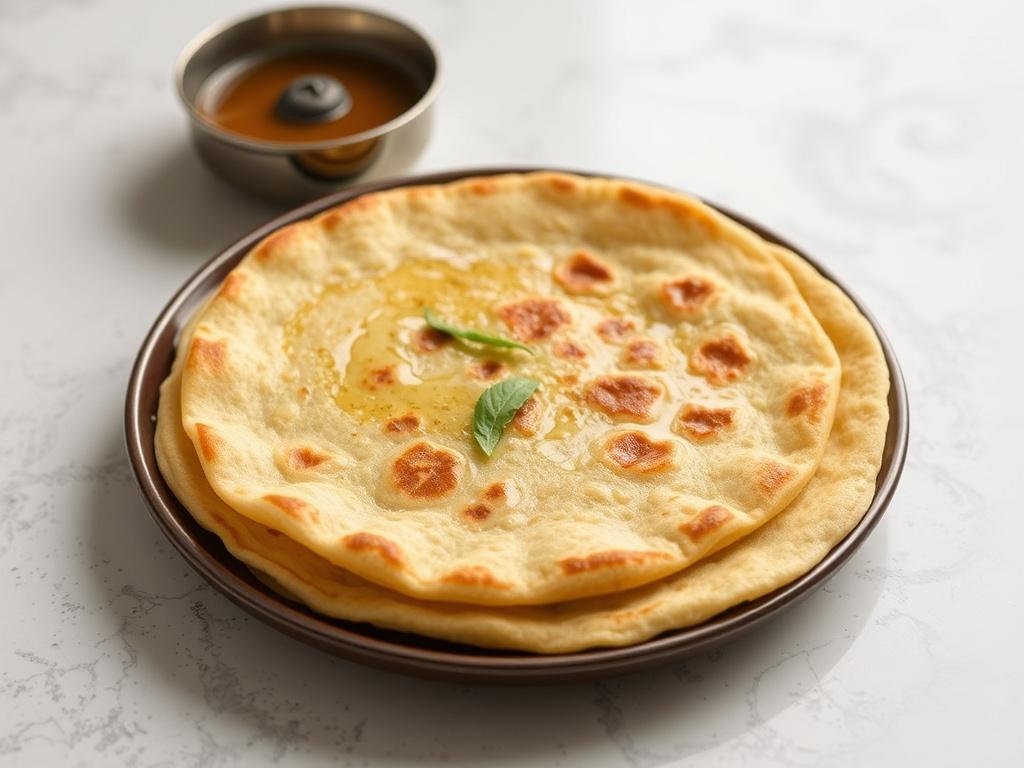
Pinyaram pancakes are best known in Indonesia and Malaysia, but they pop up throughout Brunei, southern Thailand and Singapore where Malay communities are present. Each country, and often each region, has its own spin. In Malaysia you’ll find them in pasar malam (night markets); in Indonesia they appear at traditional ceremonies and local markets. Recently, tourist interest and regional pride have brought Pinyaram pancakes into small cafés and modern street-food venues, sometimes reimagined with local twists.
Three best recipes for cooking Pinyaram pancakes
1. Classic Palm Sugar Pinyaram pancakes (traditional)
- Ingredients: 200 g rice flour, 100 g tapioca flour (optional for chewiness), 200 ml coconut milk, 100 g palm sugar (melted), 1/4 tsp salt, a pinch of baking soda, oil for frying.
- Method: Dissolve palm sugar in a little warm water, mix with coconut milk. Whisk flours, salt and baking soda, then combine with liquid to a thick batter. Rest 15–30 minutes. Heat a shallow pan with 3–4 mm oil, drop tablespoons of batter to form small pancakes. Fry until golden, flip once, drain on paper towel. Serve warm.
2. Pandan-scented Pinyaram pancakes
- Ingredients: same base as classic, plus 2 tablespoons pandan juice (blend pandan leaves with water and strain) or 1 tsp pandan extract.
- Method: Add pandan juice to the batter for a fragrant green hue. Cook as above. The pandan brightens the coconut and palm-sugar notes.
3. Sweet potato Pinyaram pancakes (modern twist)
- Ingredients: 150 g cooked mashed sweet potato, 150 g rice flour, 100 ml coconut milk, 80 g sugar or palm sugar, pinch salt, oil.
- Method: Combine mashed sweet potato with coconut milk and sugar, fold in rice flour to make a thick batter. Fry spoonfuls until golden. These are denser and slightly earthier, great if you want a fruitier twist.
What to eat with Pinyaram pancakes
Serving Pinyaram pancakes is simple and generous. Here are natural pairings:
- Hot tea or kopi — the bitterness balances the sweetness.
- Shredded fresh coconut or a drizzle of thick coconut cream for extra richness.
- A small side of fruit — mango or banana slices brighten the plate.
- For contrast, try a small spoon of chili jam or sambal for salt-spicy balance — some people love sweet-and-spicy contrasts.
Pinyaram pancakes are a lovely kitchen project because they reward small adjustments: a little more coconut milk makes them softer; a touch more palm sugar deepens the caramel notes; resting the batter can change texture. If you want a true taste of the Malay Archipelago in a bite-sized form, try one of these recipes and see how a simple mix of rice, coconut and sugar can feel like a celebration.


