
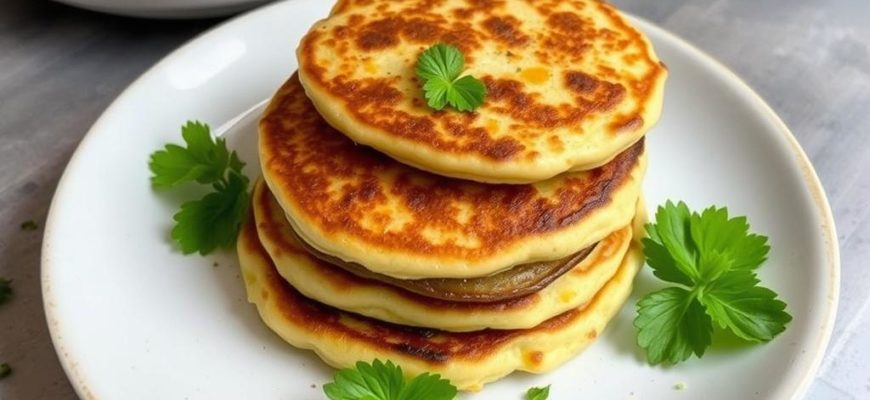
I still remember the first time I bit into a hot, flaky Murtabak pancake from a street stall lit by a single bulb; the outside crackled, the filling was dense with spices and onion, and a spoonful of tangy curry sent the whole thing into a kind of delicious orbit. If you like food that’s comforting, hands-on, and a little bit dramatic, Murtabak pancakes will pull you in. They sit at the intersection of bread and stuffed pancake, and once you know how they’re made and what to pair them with, you’ll start noticing them whenever you travel or order late-night street food. Read on and I’ll walk you through what they are, where they came from, surprising facts, how nutritious they can be, where they’re most loved, three reliable recipes to try at home, and the best accompaniments.
- What it is Murtabak pancakes
- History Murtabak pancakes
- Where it first appeared Murtabak pancakes
- Interesting facts about Murtabak pancakes
- Nutritional value Murtabak pancakes
- Popularity in different countries Murtabak pancakes
- 3 best recipes for cooking Murtabak pancakes
- 1. Classic Beef Murtabak
- 2. Chicken and Egg Murtabak with Herbs
- 3. Sweet Banana and Cheese Murtabak (martabak-inspired)
- What to eat with Murtabak pancakes
What it is Murtabak pancakes
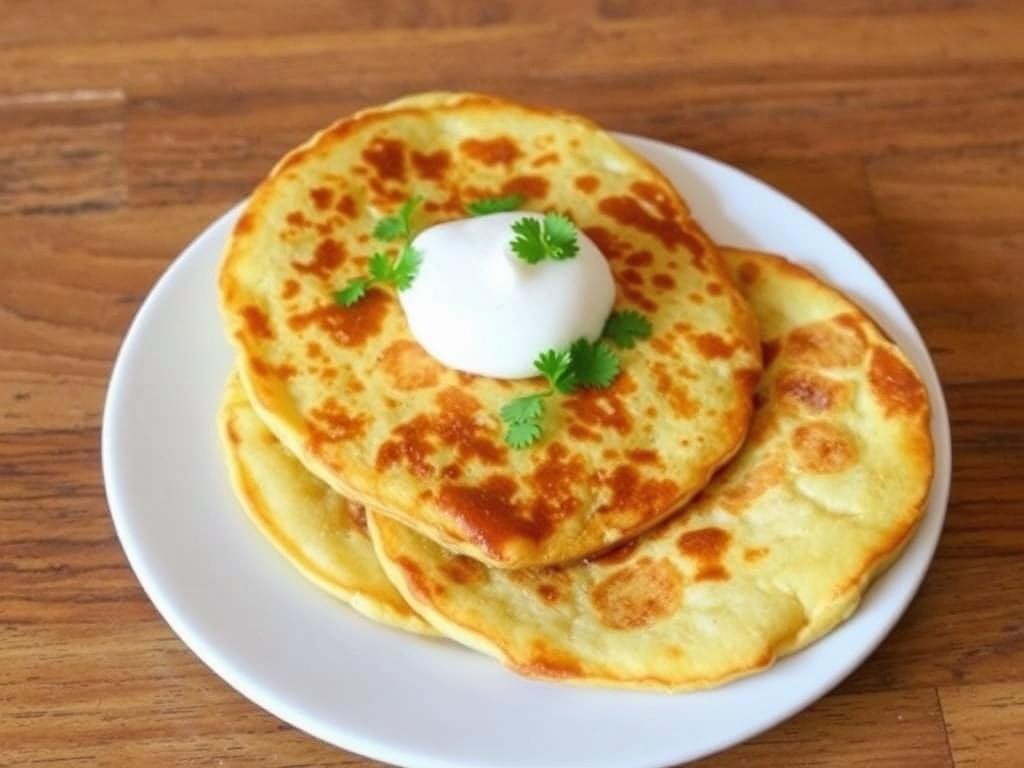
Murtabak pancakes are savory stuffed pancakes made from a thin, stretchy dough wrapped around a spiced filling, typically minced meat mixed with egg and onion. Think of a portable, foldable pan-fried pocket that combines crisp, buttery layers with a moist, well-seasoned center. There’s also a sweet cousin often called martabak manis or terang bulan in parts of Indonesia and Malaysia; that one is thick, porous, and loaded with sweet fillings like chocolate, cheese, or condensed milk. But when people say Murtabak pancakes in a savory context, they usually mean the stuffed egg-and-meat version that you can pick up from night markets and roadside vendors.
History Murtabak pancakes
The name comes from the Arabic word mutabbaq, meaning “folded.” That gives you the clue: it was a portable folded snack first. Traders, migrants, and sailors travelling between the Arabian Peninsula, South Asia, and Southeast Asia spread the idea and adapted it to local tastes. Over time Indian, Malay, and Arab culinary traditions blended the dish into versions we know today. Historical records are patchy, but the pattern is clear: murtabak traveled with people and trade, and every port added its own spices and methods.
Where it first appeared Murtabak pancakes
Pinpointing a single birthplace is tricky. The concept started in the Arabian region and spread eastward. By the 19th and early 20th centuries, Muslim communities in Java, Sumatra, and the Malay Peninsula had adopted and adapted it. So while the fold-and-fill idea likely began in Arabia, Southeast Asia is where Murtabak pancakes became a distinct and ubiquitous street-food staple. You’ll now find signature versions in Malaysia, Singapore, Indonesia, Brunei, southern Thailand, and parts of India.
Interesting facts about Murtabak pancakes
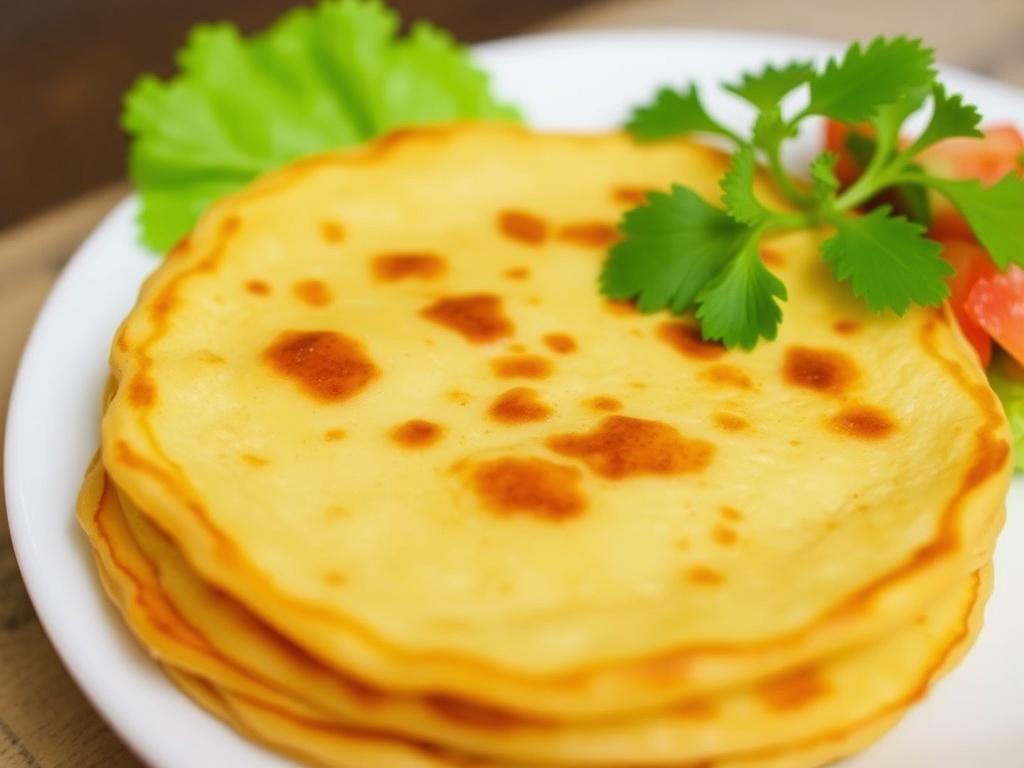
- “Murtabak” literally means folded, which is exactly what gives the dish its name and character.
- There are two broad families: the savory stuffed Murtabak pancakes and the sweet martabak manis. Don’t confuse them at the stall—both are excellent, but very different.
- Murtabak is a Ramadan favorite in many Muslim communities because it’s filling and easy to share.
- Street vendors often make the dough very thin and stretch it until nearly translucent; the skill is part technique, part show.
- Regional swaps are common: in some places you’ll find murtabak with cheese, in others with local spice blends, and in a few markets, vegetarian versions with spiced potatoes or tofu.
Nutritional value Murtabak pancakes
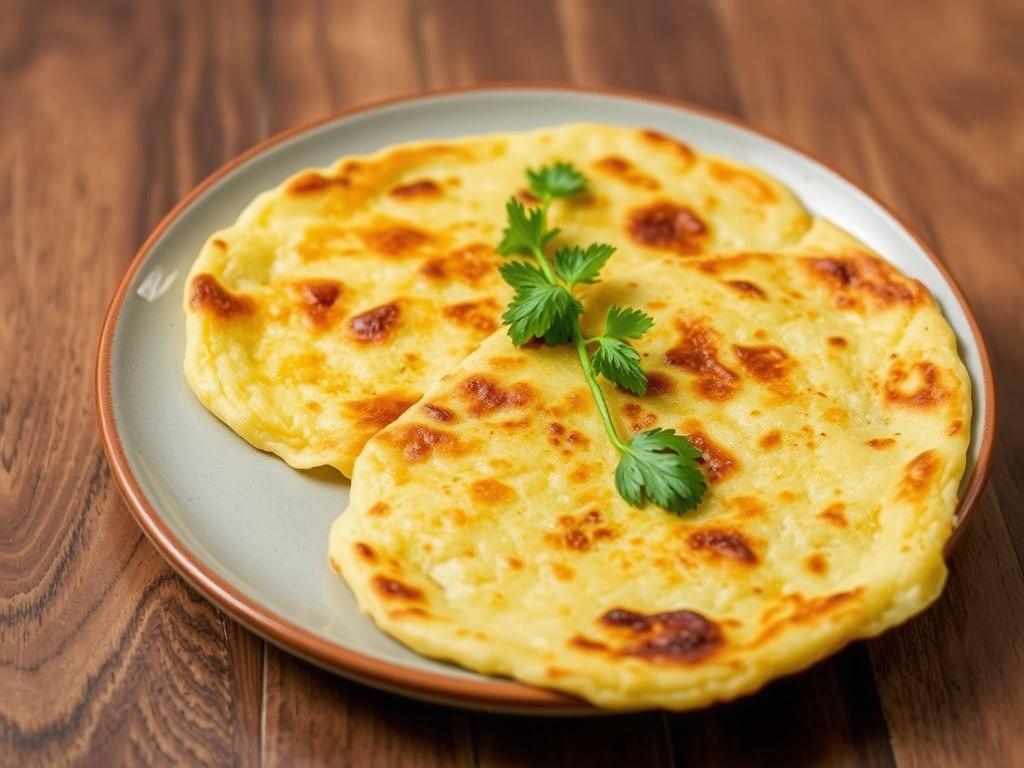
Murtabak pancakes can be hearty and calorie-dense because of the dough, oil, eggs, and meat. Here’s an approximate breakdown per typical savory serving (one folded pancake, about 250–350 g):
| Nutrient | Approximate amount |
|---|---|
| Calories | 600–900 kcal |
| Protein | 25–40 g |
| Carbohydrates | 50–80 g |
| Fat | 30–60 g |
| Sodium | 600–1200 mg |
These numbers vary a lot depending on the fat used, portion size, and whether you use lean meat or a fattier cut. To lighten it up, use less oil for frying, choose lean protein, or load the filling with vegetables. Still, expect a substantial, satisfying meal rather than a light snack.
Popularity in different countries Murtabak pancakes
In Malaysia and Singapore, Murtabak pancakes are a beloved street-food staple; hawker centers and roadside stalls serve both savory murtabak and sweet martabak variants. Indonesia has a wide range of martabak and murtabak styles; names and textures shift by region. In Yemen and parts of the Arabian Peninsula the original mutabbaq remains known, often spicier with different blends of local spices. Southern Thailand and Brunei have their own takes too. In cities with large South Asian or Middle Eastern communities you’ll also find vendors selling versions adapted to local palates.
3 best recipes for cooking Murtabak pancakes
1. Classic Beef Murtabak
- Ingredients: 300 g minced beef, 3 eggs, 2 onions finely chopped, 2 cloves garlic minced, 1 tsp cumin, 1 tsp ground coriander, 1 tsp curry powder, salt, pepper, 4 sheets of spring-roll wrappers or simple dough (250 g flour, pinch of salt, water, 1 tbsp oil), oil for frying.
- Method: Cook onion and garlic until soft. Add minced beef and spices; cook until browned and mostly dry. Beat eggs, mix into cooled meat. Make thin rounds from dough or use wrappers: place filling, fold into neat packets. Fry in a skillet with 1–2 tbsp oil until crisp and golden on both sides. Serve hot.
2. Chicken and Egg Murtabak with Herbs
- Ingredients: 300 g ground chicken, 2 eggs, 1 small potato grated (optional), cilantro, green onions, 1 tsp garam masala, salt, pepper, dough for wrappers.
- Method: Sauté chicken with spices, add potato for moisture and texture, fold in herbs and beaten egg. Assemble and pan-fry. The potato keeps the filling moist and stretches the mixture economically.
3. Sweet Banana and Cheese Murtabak (martabak-inspired)
- Ingredients: Batter (200 g flour, 1 egg, 200 ml milk, 1 tsp sugar, pinch of baking powder), 2 ripe bananas sliced, grated cheddar or processed cheese, condensed milk to drizzle, butter for frying.
- Method: Make a smooth batter and cook like a thick pancake until holes form. Top with banana and cheese, fold in half and press gently. Drizzle condensed milk before serving. This version borrows from martabak manis but adapts well to the murtabak foldable idea.
Tips: let dough rest to make it more stretchable, pre-cook moist fillings so they don’t release water while frying, and use a flat heavy pan for even browning.
What to eat with Murtabak pancakes
Murtabak pancakes want something bright and tangy beside them. Popular pairings:
- Curry gravy or dhal for dipping
- Sambal or spicy chili paste
- Pickled cucumber or acar to cut the richness
- Fresh lime wedges and chopped cilantro
- Yogurt raita or mint chutney for a cool contrast
My favorite combo is a thin lentil curry plus a sharp cucumber-onion achar. The curry soaks into the folds and the pickle refreshes the palate.
If you’ve not made Murtabak pancakes at home, try the beef recipe first. It’s forgiving, fast, and gives you that satisfying contrast between crisp dough and spiced filling. Once you get the hang of folding and frying, experiment with fillings and sauces—the dish is flexible and rewarding.


