
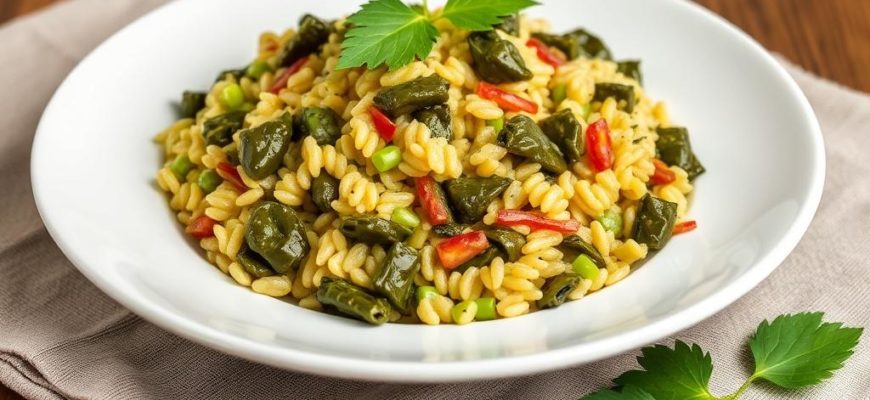
Imagine a warm pot bubbling on the stove, the smell of rice and spices mingling with the faint, bright scent of grape leaves — a dish that feels like a hug from the kitchen. Pilaf with grape leaves brings together two comforting elements: tender rice cooked with savory additions, wrapped in delicate vine leaves that add a subtle tang and keep every bite moist and fragrant. If you love food that tells a story and delights with simple, honest flavors, keep reading — this dish has layers worth exploring.
- Where Pilaf with grape leaves Comes From
- A Brief History of Pilaf with grape leaves
- Interesting Facts about Pilaf with grape leaves
- Nutritional Value of Pilaf with grape leaves
- How Popular Pilaf with grape leaves Is Around the World
- The Best Step-by-Step Cooking Recipe for Pilaf with grape leaves
- Ingredients
- Method
- Tips for success
Where Pilaf with grape leaves Comes From
Pilaf with grape leaves is rooted in the culinary traditions of the Eastern Mediterranean and the Caucasus, with strong ties to countries like Turkey, Azerbaijan, Greece and Armenia. Each region uses local rice varieties, spices and fillings, but the idea stays the same: rice cooked with aromatics and sometimes meat, then wrapped or served with grape leaves. The combination likely evolved from two simple needs — to flavor rice and to preserve and transport food — and it became a beloved household staple across villages and cities.
A Brief History of Pilaf with grape leaves
The history traces back centuries. Pilaf itself has ancient origins across Central and South Asia, spreading west with trade and migration. Grape leaves were used traditionally for wrapping foods because they were plentiful, flexible and offered a pleasant acidity. Over time cooks married the two traditions, creating stuffed grape leaves and variations where rice is cooked inside or mixed with leaves. In many cultures, this dish moved from weekday tables to festival spreads, adapting as ingredients and techniques changed.
Interesting Facts about Pilaf with grape leaves
- Grape leaves add natural acidity that balances rich or oily ingredients without needing extra lemon juice.
- In some places, the leaves are used fresh in summer and preserved in jars or salted for winter use.
- There are two common approaches: wrapping rice in leaves (similar to dolma) or cooking rice together with chopped leaves for a softer, integrated texture.
- The dish can be vegetarian, vegetarian with nuts and dried fruit, or include lamb or chicken — flexible and adaptable.
Nutritional Value of Pilaf with grape leaves
Pilaf with grape leaves can be a balanced meal. The main components — rice, grape leaves, and any added vegetables or meat — provide carbohydrates, fiber, vitamins and protein. Using olive oil and plenty of herbs keeps it heart-healthy. Below is a sample nutritional snapshot for a typical vegetarian portion made with olive oil, rice, onions, herbs and grape leaves.
| Component | Approximate amount per serving |
|---|---|
| Calories | 350–420 kcal |
| Carbohydrates | 60–70 g |
| Protein | 6–12 g (higher with meat) |
| Fat | 8–15 g depending on oil and meat |
| Fiber | 2–5 g |
How Popular Pilaf with grape leaves Is Around the World
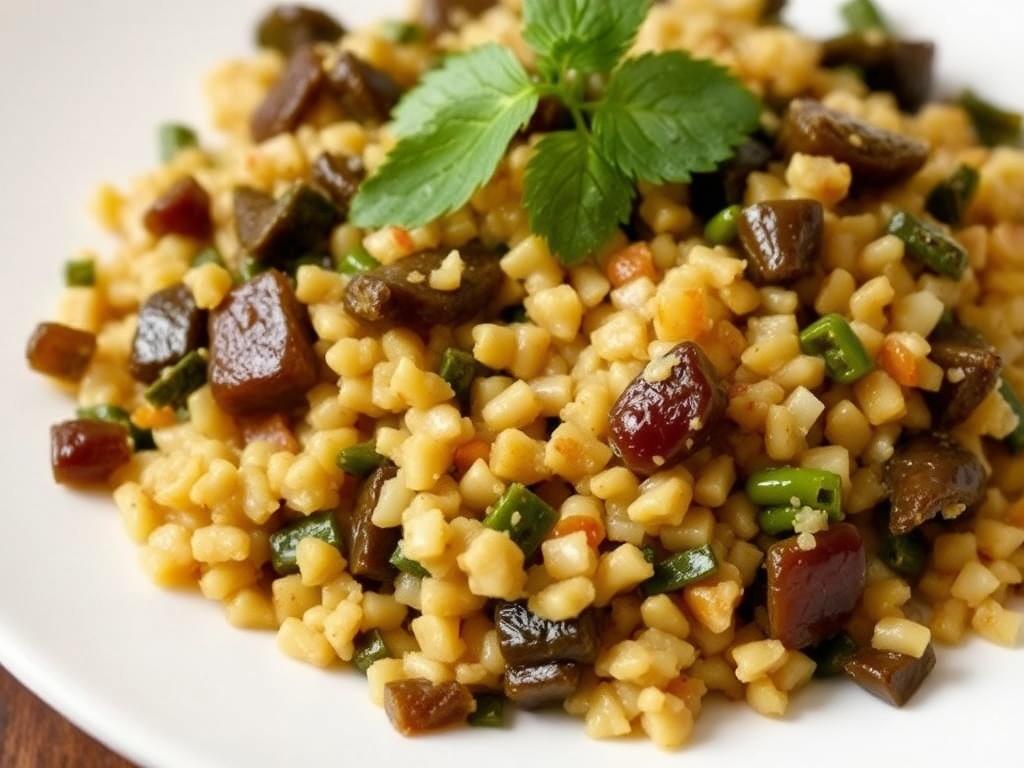
This dish travels well. In Turkey, stuffed grape leaves and rice dishes are everyday fare and a mezze favorite. Azerbaijan and Armenia have regional takes that often include local herbs and lamb. In Greece, vine leaves are central to many family recipes. The Middle East and the Balkans also embrace variations, making pilaf with grape leaves a common sight at markets, home kitchens and celebratory tables. Each country adds its fingerprint but the core idea — rice and grape leaves in harmony — remains universally loved.
The Best Step-by-Step Cooking Recipe for Pilaf with grape leaves
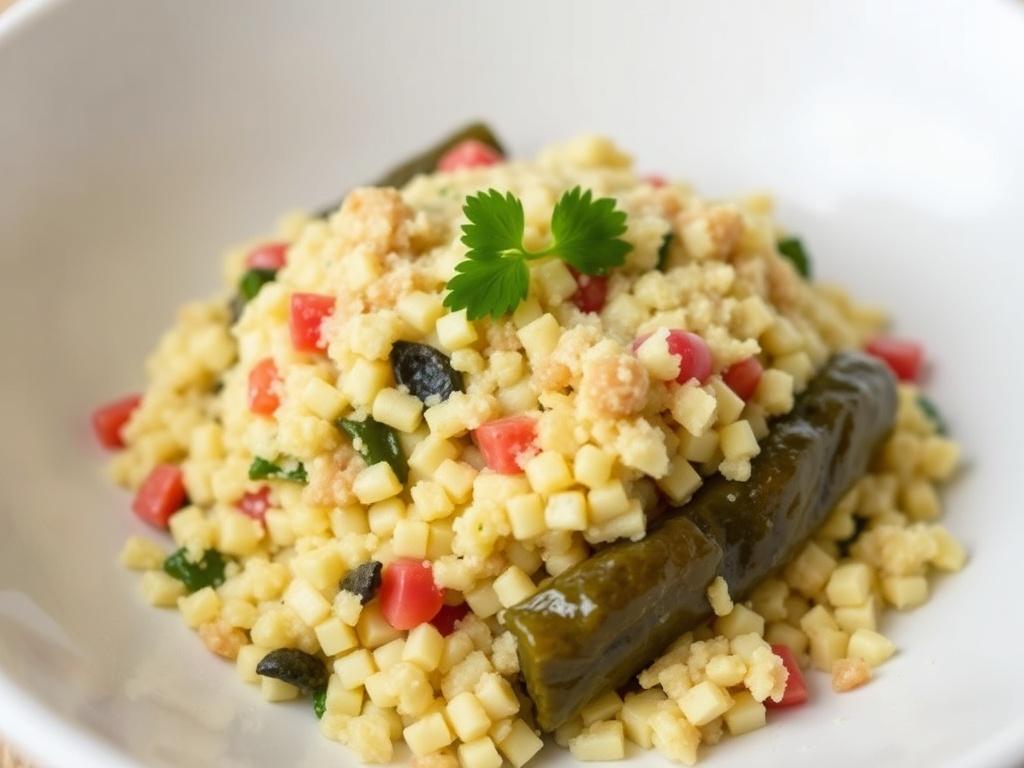
Ingredients
- 2 cups long-grain rice (e.g., basmati or local long rice)
- 12–16 grape leaves, fresh or jarred
- 1 medium onion, finely chopped
- 2 tablespoons olive oil or butter
- 1 teaspoon ground cumin
- 1/2 teaspoon ground coriander or a pinch of cinnamon (optional)
- Salt and black pepper to taste
- 3 cups chicken or vegetable stock
- Fresh herbs: dill, parsley or mint, chopped
- Optional: 200 g cooked shredded chicken or lamb, or 1/2 cup toasted pine nuts and raisins for vegetarian version
Method
- Rinse the rice until the water runs clear, then soak for 20 minutes and drain. This helps the grains stay separate.
- If using jarred grape leaves, rinse to remove excess brine. Blanch fresh leaves briefly in boiling water to make them pliable.
- Heat oil in a heavy pot. Sauté the onion until soft and translucent. Add spices and toast briefly to release aroma.
- Add rice and stir to coat every grain with oil and spices, about 1–2 minutes. If using meat, stir it in now along with nuts or dried fruit if desired.
- Pour in stock, bring to a boil, then reduce to low. Stir in chopped herbs and season with salt and pepper. Cover and simmer for 12–15 minutes, or until liquid is absorbed and rice is tender.
- Remove from heat and gently fold in torn grape leaves, or if you prefer, transfer rice to large grape leaves and roll them into parcels.
- Let rest covered for 10 minutes before serving. Serve warm with yogurt, lemon wedges and extra herbs.
Tips for success
- Use a good-quality stock for depth of flavor. Salt the stock carefully — it determines the final seasoning.
- Don’t overcook the rice. Slightly underdone rice will finish steaming during the rest period.
- Grape leaves add acidity; taste before adding extra lemon.
- Make it ahead: the flavors often improve after a few hours, and leftovers reheat well.
Pilaf with grape leaves is honest food: simple ingredients, a little patience, and a satisfying result. It’s one of those dishes where small touches — fresh herbs, the right stock, tender leaves — make all the difference. Try it once, then tweak to make it yours.


