

If you’ve never tasted Philadelphia Pepper Pot soup, you’re missing out on a dish that carries stories and flavors as bold as the city it hails from. Imagine a steaming bowl filled with tender tripe, earthy spices, and chunks of hearty vegetables — it’s comfort food that’s been warming tables for generations. But this soup isn’t just about taste; it carries a rich history intertwined with culture and survival, and its unique profile sets it apart from the usual. Whether you’re a foodie looking for your next culinary adventure or someone curious about American regional dishes, diving into the world of Soup Philadelphia Pepper Pot will surprise you with every spoonful. Let’s take a walk through its origins, discover why it matters today, and how you can bring a bit of that Philly charm to your kitchen. Ready? Let’s get into it.
- What Exactly Is Philadelphia Pepper Pot Soup
- The Vibrant History of Philadelphia Pepper Pot Soup
- The Birthplace and Spread of Philadelphia Pepper Pot Soup
- Fun and Surprising Facts About Philadelphia Pepper Pot Soup
- Breaking Down the Nutritional Value of Philadelphia Pepper Pot Soup
- The Global Popularity of Philadelphia Pepper Pot Soup
- Top 3 Winning Recipes for Philadelphia Pepper Pot Soup You Can Try Today
- Traditional Pepper Pot Soup
- Caribbean Style Pepper Pot
- Quick Weeknight Pepper Pot Soup
- Perfect Pairings with Philadelphia Pepper Pot Soup
What Exactly Is Philadelphia Pepper Pot Soup
Philadelphia Pepper Pot soup is a hearty stew-like dish, known primarily for its combination of beef tripe, vegetables, and a unique blend of seasonings that pack a punch of flavor. At its core, it combines tender pieces of tripe — which is the edible lining of a cow’s stomach — with potatoes, peppers, onions, celery, and a generous amount of black pepper and other spices. The name “pepper pot” hints at the spice kick that defines this soup. Unlike lighter broths, this soup is thick, almost stew-like, and has a rich depth that’s a testament to slow cooking and robust ingredients.
Its texture is surprisingly soothing; the tripe becomes soft and almost melts into the broth, which is both peppery and slightly smoky. The soup’s heartiness made it a favorite for workers needing a filling and nutritious meal that could power them through long days. It’s a dish that balances flavor and sustenance, one bite offering warmth and a sense of history.
The Vibrant History of Philadelphia Pepper Pot Soup
This soup isn’t just food; it’s a story served hot. It traces its roots back to the African American community in Philadelphia during the 18th and 19th centuries. Originally, ingredients like tripe were considered “poor man’s food”, but creative cooks turned those humble parts into something spectacular. Pepper Pot soup became a staple, especially in gatherings and community events, signifying resilience and culinary ingenuity.
The soup was also brought over and adapted by Caribbean immigrants, especially those from the Bahamas, who shared similar recipes and spices. Over time, it became synonymous with Philadelphia’s local cuisine, reflecting a fusion of cultural influences and making it a culinary symbol of the city’s diverse history. Knowing this history adds a layer of appreciation next time you taste it — it’s a dish born from resourcefulness and cultural pride.
The Birthplace and Spread of Philadelphia Pepper Pot Soup
As the name suggests, the soup first appeared prominently in Philadelphia. Records from the colonial era describe it as a popular dish sold by street vendors to working-class citizens. Its popularity wasn’t limited to the city; it found followers in nearby Pennsylvania towns and eventually spread to other parts of the US and even some Caribbean regions.
Interestingly, it served as a comfort meal for many immigrants settling in America, offering familiarity with just a touch of local flavor. Today, although not as widespread as other American soups, Philadelphia Pepper Pot remains a proud regional favorite, held onto tightly by those who cherish their culinary roots.
Fun and Surprising Facts About Philadelphia Pepper Pot Soup
– Unlike many soups, Pepper Pot literally refers to the pot in which it was traditionally cooked, highlighting how the cooking method is part of its identity.
– Tripe, the soup’s main ingredient, is packed with protein and collagen, making the dish nutritious beyond just being filling.
– It has been featured in historical records as far back as the early 1700s, making it one of the oldest known American soups.
– The soup’s strong peppery flavor was also believed to provide medicinal benefits for colds and digestion.
These little tidbits show that Philadelphia Pepper Pot is more than a recipe — it’s a cultural artifact that’s molded by time and tradition.
Breaking Down the Nutritional Value of Philadelphia Pepper Pot Soup
When people hear “tripe soup,” their minds might jump to rich, unhealthy food. But Philadelphia Pepper Pot soups surprisingly strike a balance between nutrition and indulgence. Here’s a rough overview of what a serving typically contains:
| Nutrient | Approximate Amount |
|---|---|
| Calories | 200-300 |
| Protein | 15-20 grams |
| Fat | 8-12 grams |
| Carbohydrates | 20-30 grams |
| Fiber | 3-5 grams |
| Sodium | Varies, generally 700-900 mg |
Thanks to tripe, this soup delivers substantial protein, which is essential for energy and muscle repair. The veggies add fiber, vitamins, and minerals. Of course, watch the sodium level depending on how salty you make it. Overall, it is a hearty, well-rounded option.
The Global Popularity of Philadelphia Pepper Pot Soup
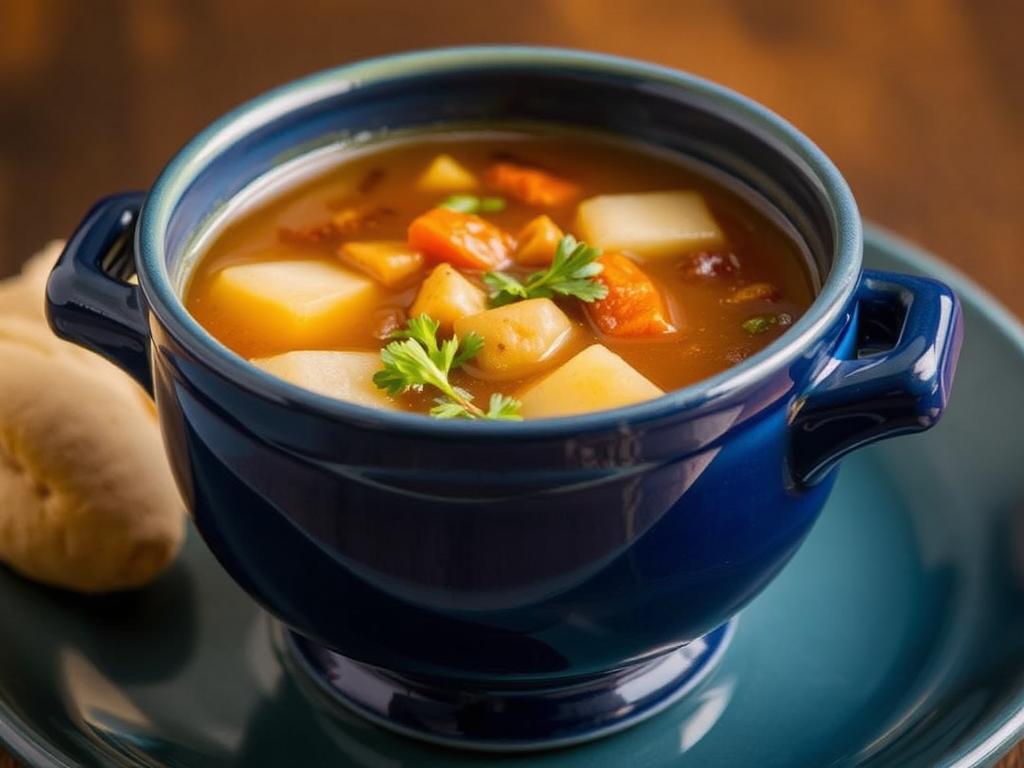
While most closely tied with Philadelphia and the Northeastern U.S., the soup has found admirers in unexpected places. In the Caribbean, particularly in the Bahamas and parts of Jamaica, similar versions are served, adapted to local tastes with added allspice, thyme, or scotch bonnet peppers.
In the US, you’ll find it mainly in areas with historic African American communities. However, in recent years, food enthusiasts and chefs have introduced it on menus in other cities, sparking renewed interest. Its unique flavor profile stands out compared to more common soups, appealing to those looking for a taste of authentic American heritage beyond the usual fare.
Top 3 Winning Recipes for Philadelphia Pepper Pot Soup You Can Try Today
Cooking your own pot of Philadelphia Pepper Pot is easier than you might think. Here are three popular approaches — each with its own spin:
Traditional Pepper Pot Soup
– Beef tripe (2 lbs), cleaned and cut
– Potatoes (2 large), diced
– Onion (1 large), chopped
– Celery stalks (2), sliced
– Garlic cloves (3), minced
– Black pepper (2 tbsp)
– Beef broth (6 cups)
– Bay leaf, thyme, salt to taste
Simmer all ingredients slow for 2-3 hours until thick and flavorful.
Caribbean Style Pepper Pot
– Adds Scotch bonnet peppers, allspice, and fresh thyme
– Uses callaloo or spinach for greens
– Coconut milk added for richness
This version brings a heat and creaminess unique to Caribbean influences.
Quick Weeknight Pepper Pot Soup
– Use pre-cooked tripe or substitute with beef stew meat
– Canned tomatoes for tanginess
– Instant broth cube for speed
It cuts down cooking time while keeping key flavors intact.
Perfect Pairings with Philadelphia Pepper Pot Soup
What you eat alongside Pepper Pot can elevate the experience. Traditionally, locals enjoy it with simple sides like:
- Warm crusty bread or cornbread to soak up the broth
- Pickled vegetables providing a sharp contrast
- Steamed white rice, especially in Caribbean versions
- Mild chili sauces or hot pepper dips to enhance heat
A crisp side salad or sautéed greens can also balance the soup’s richness. Whatever you choose, these accompaniments help round out a meal that feels both satisfying and well thought out.
—
If you’ve read this far, you’re probably curious to taste or even cook your own bowl of Philadelphia Pepper Pot soup. It’s one of those dishes that carries history in its broth and every spoonful tells a vibrant story of culture, survival, and flavor. Give one of these recipes a go — you may just discover a new favorite that’s as comforting as it is intriguing.


