
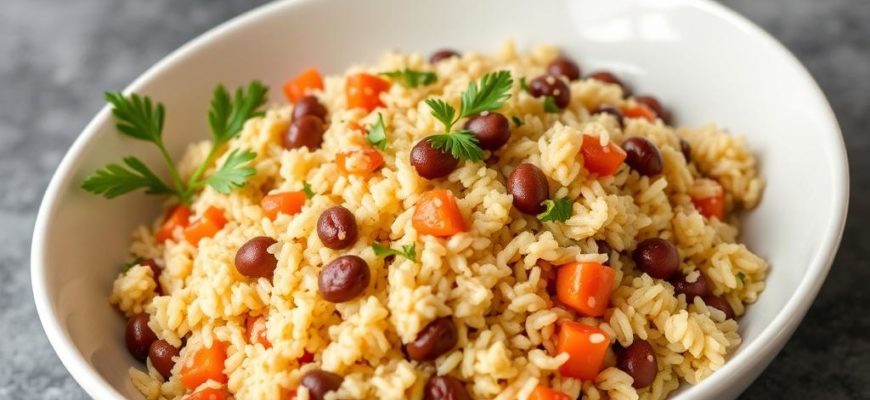
Close your eyes for a second and picture a steaming pot that smells like home: toasty rice, warm spices, and tender beans folded in until every grain is glossy and inviting. That’s pilaf with beans — humble, honest food that fills a room and a mood. If you like one-pot meals that travel well, please the crowd and don’t require fuss, stay with me. Below you’ll find where it came from, why it’s stayed around for centuries, useful nutrition facts, and a clear, fail-safe recipe to make your own unforgettable batch.
- Where Pilaf with Beans Comes From
- A Short History of Pilaf with Beans
- Curious Things About Pilaf with Beans
- Nutritional Value of Pilaf with Beans
- How Pilaf with Beans Travels: Popularity Around the World
- The Best Step-by-Step Cooking Recipe for Pilaf with Beans
- Ingredients
- Method
- Tips and Variations
- Final Thoughts
Where Pilaf with Beans Comes From
Pilaf is an ancient idea: rice or another grain cooked in seasoned broth until each kernel is separate and flavored. Different regions turned that idea into their own dishes. Pilaf with beans appears in many cuisines from Central Asia to the Middle East and the Balkans. In Central Asian kitchens, rice pilaf (often called plov or pilav) sometimes pairs with chickpeas or broad beans. In the Eastern Mediterranean and Levantine cooking, rice combines with white beans or lentils as an everyday, nourishing dish. So, there isn’t a single country to point at and claim ownership. Instead, it’s a family of recipes shaped by local beans, spices, and cooking methods.
A Short History of Pilaf with Beans
The roots of pilaf go back to ancient Persia, where cooks learned to toast rice and simmer it in stock to keep grains separate. As trade routes stretched, the technique spread, and people adapted it to what they had at hand. Beans were a natural companion: inexpensive, shelf-stable, and rich in protein. Over centuries, peasants and palace cooks alike mixed legumes with rice — sometimes for fasting days, sometimes for celebration. The history of pilaf with beans is less about a single invention and more about a practical, resilient approach to making food both filling and flavorful.
Curious Things About Pilaf with Beans
- Different beans change the dish’s personality: chickpeas add creaminess, black beans lend color and heartiness, while lentils create an earthy bite.
- Some cooks brown the rice before adding liquid — that adds a nutty touch and helps the grains stay separate.
- In many cultures, pilaf is a social dish; large cauldrons are cooked for weddings and gatherings, which makes the meal as much about community as it is about taste.
- Leftovers often improve: flavors mellow and deepen after sitting, so pilaf with beans makes excellent next-day lunches.
Nutritional Value of Pilaf with Beans
Pilaf with beans is a solid, balanced meal when done right. You get complex carbohydrates from rice, plant protein and fiber from the beans, and healthy fats if you cook with olive oil. Vegetables and aromatics add micronutrients and antioxidants. Below is a typical nutritional snapshot for one generous serving (about 1.5 cups).
| Nutrient | Approximate Amount per Serving |
|---|---|
| Calories | ~420 kcal |
| Protein | 12–15 g |
| Carbohydrates | 60–70 g |
| Fat | 8–12 g (depends on oil) |
| Fiber | 7–10 g |
| Iron, folate, B-vitamins | Present in useful amounts (from beans and rice) |
Note: Values vary with rice type, bean variety, and added ingredients. Using brown rice increases fiber and minerals; coconut oil increases saturated fat; more vegetables boost vitamins.
How Pilaf with Beans Travels: Popularity Around the World
You’ll find versions of pilaf with beans from Tashkent to Thessaloniki. In Central Asia, plov is a national pride; sometimes chickpeas are folded in. In Turkey and the Balkans, pilav with white beans or lentils is common as a weekday side or a main for meatless days. In the Levant, rice with lentils (mujaddara-related dishes) and beans offers a fragrant, humble plate often paired with yogurt or salad. Migrant communities have taken their recipes abroad, where ingredients shift but the heart of the dish stays the same: simple, filling, and flexible.
The Best Step-by-Step Cooking Recipe for Pilaf with Beans
This version balances ease and flavor. It serves 4 and works with pantry staples: long-grain rice, canned or cooked beans, onion, garlic, and warm spices. Total time: about 45 minutes.
Ingredients
- 1 cup long-grain rice (rinse until water runs clear)
- 1 can (400 g) chickpeas or white beans, drained and rinsed (or 1.5 cups cooked beans)
- 2 tbsp olive oil
- 1 medium onion, finely chopped
- 2 garlic cloves, minced
- 1 carrot, diced (optional)
- 1 tsp ground cumin, 1/2 tsp coriander powder, pinch of paprika
- 2 cups vegetable or chicken broth (hot)
- Salt and freshly ground black pepper to taste
- Fresh parsley or cilantro for garnish
Method
- Heat the oil in a heavy skillet or pot over medium heat. Add the onion and carrot. Cook until soft and starting to brown, about 6–8 minutes.
- Stir in garlic and spices; cook 30 seconds until fragrant. Add the rinsed rice and toast gently for 2–3 minutes, stirring so the grains are coated with oil and spices.
- Pour in the hot broth, add salt and pepper. Bring to a simmer, then reduce heat to low. Scatter the beans over the rice without stirring; this helps keep grains separate.
- Cover tightly and cook for about 15–18 minutes, until the liquid is absorbed and rice is tender. Turn off heat and let sit, covered, 10 minutes. Fluff gently with a fork, fold the beans in, and garnish.
Tips and Variations
- For extra depth, sauté a tablespoon of tomato paste with the onion before adding rice.
- Use brown rice but increase liquid and cooking time: about 2½ cups broth and 35–40 minutes simmer.
- Add greens like spinach in the last 2 minutes of cooking for color and nutrients.
- Swap beans: lentils break down slightly and make the pilaf creamier; black beans produce a robust flavor and color contrast.
Final Thoughts
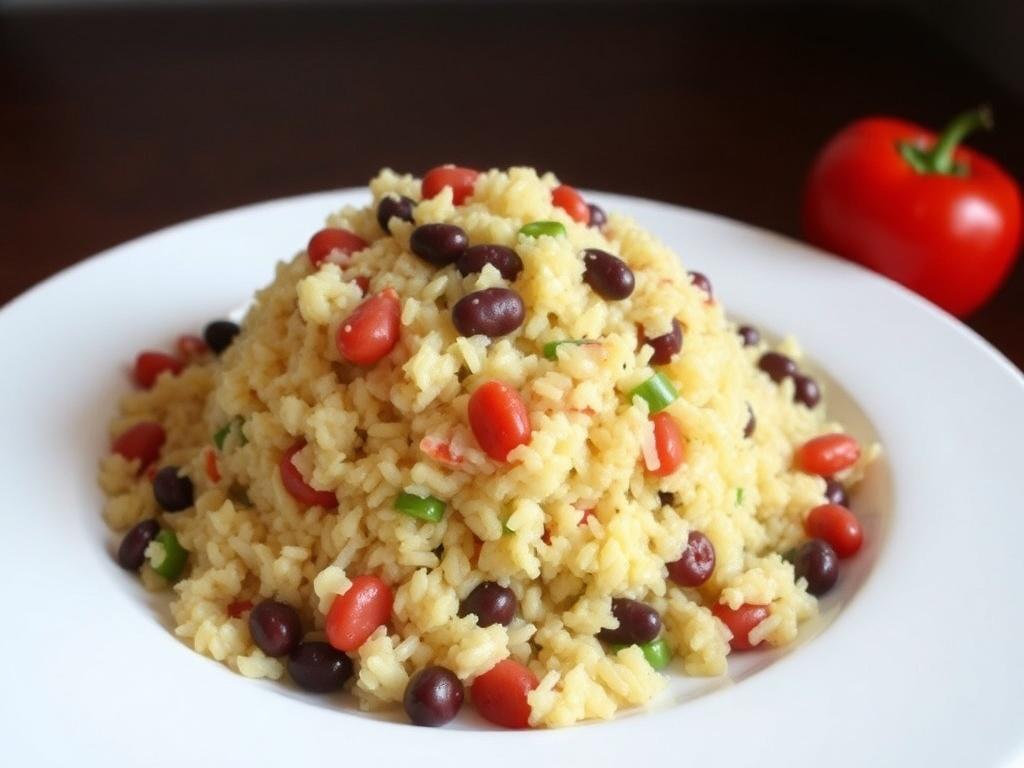
Pilaf with beans is honest food that rewards small touches: good stock, a careful simmer, a final squeeze of lemon or handful of herbs. It’s forgiving, inexpensive, and endlessly adaptable. Make a pot tonight and you’ll know why this combination has traveled across regions and centuries — it comforts, satisfies, and feeds both body and company.


