
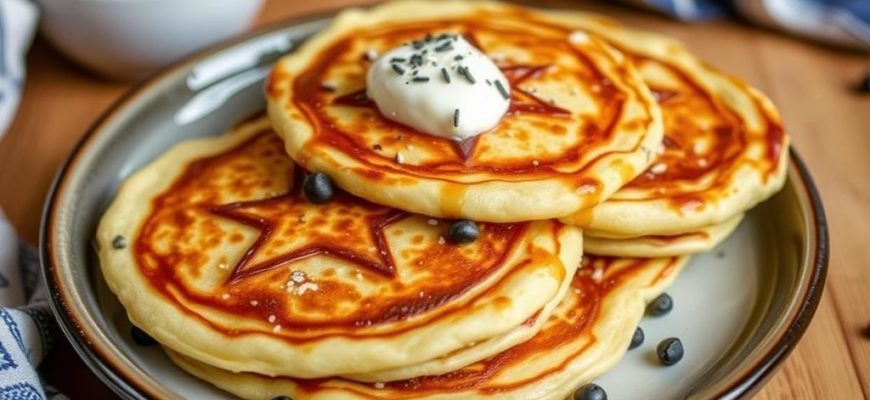
The smell of warm butter, a thin golden circle sizzling on a flat pan, and a kitchen full of laughter — that’s how many families know Mofletta. It’s more than a pancake: it’s the taste of celebration, a tradition passed down from Moroccan Jewish homes to tables around the world. Whether you’ve seen it once on a Mimouna evening or never heard the name, stick around. I’ll walk you through what Mofletta is, where it came from, how to make it three simple ways, and the best things to eat with it so you can bring that fragrant, sticky-sweet moment into your own kitchen.
- What Mofletta is and why it feels so special
- The history of Mofletta and its cultural roots
- Where Mofletta first appeared and how it traveled
- Interesting facts about Mofletta you might not expect
- Nutritional value of Mofletta and healthier tweaks
- Popularity in different countries and modern adaptations
- Three great mofletta recipes to try at home
- Classic Mofletta
- Whole-Wheat Healthier Mofletta
- Sweet Semolina and Orange Blossom Mofletta
- What to eat with Mofletta for the perfect spread
What Mofletta is and why it feels so special
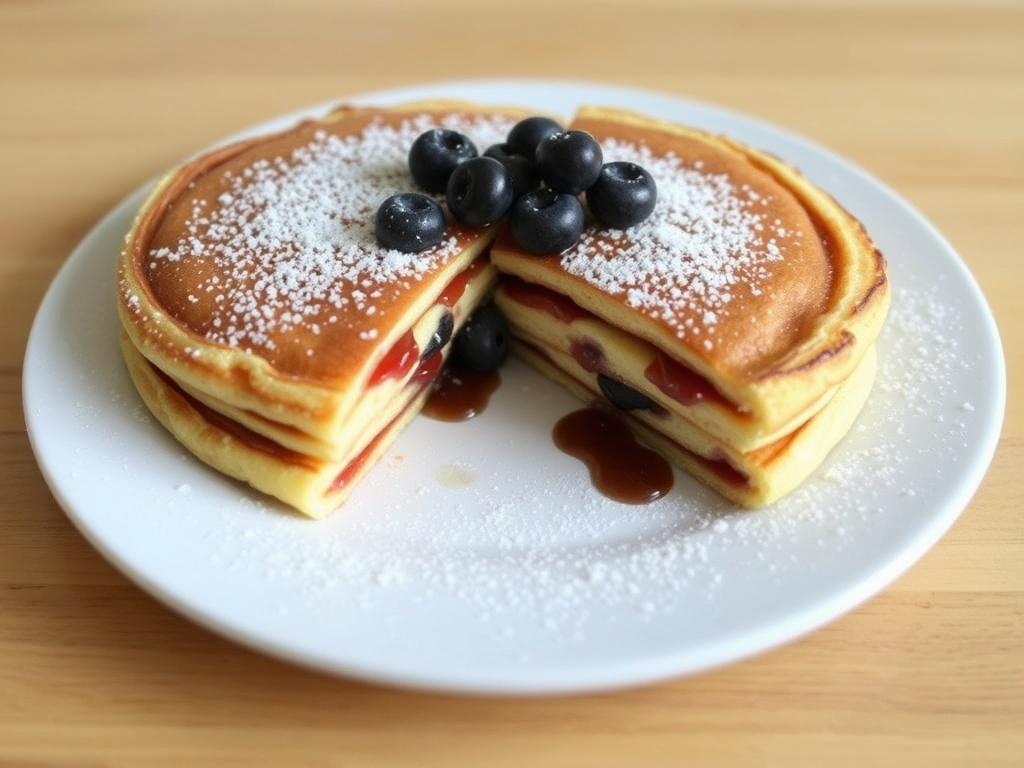
Mofletta is a thin, crepe-like pancake from Moroccan Jewish cuisine, traditionally made for Mimouna — the festive gathering marking the end of Passover. Unlike American pancakes, mufleta (also spelled mofletta) is paper-thin, cooked on a flat griddle or skillet, folded into a triangle or roll, then smeared with butter and drizzled with honey or jam. It’s a humble food that carries heavy meaning: hospitality, the return to leavened bread after Passover, and wishes for abundance. The texture is slightly chewy at the edges and tender in the center, which makes it perfect for soaking up sweet or savory toppings.
The history of Mofletta and its cultural roots
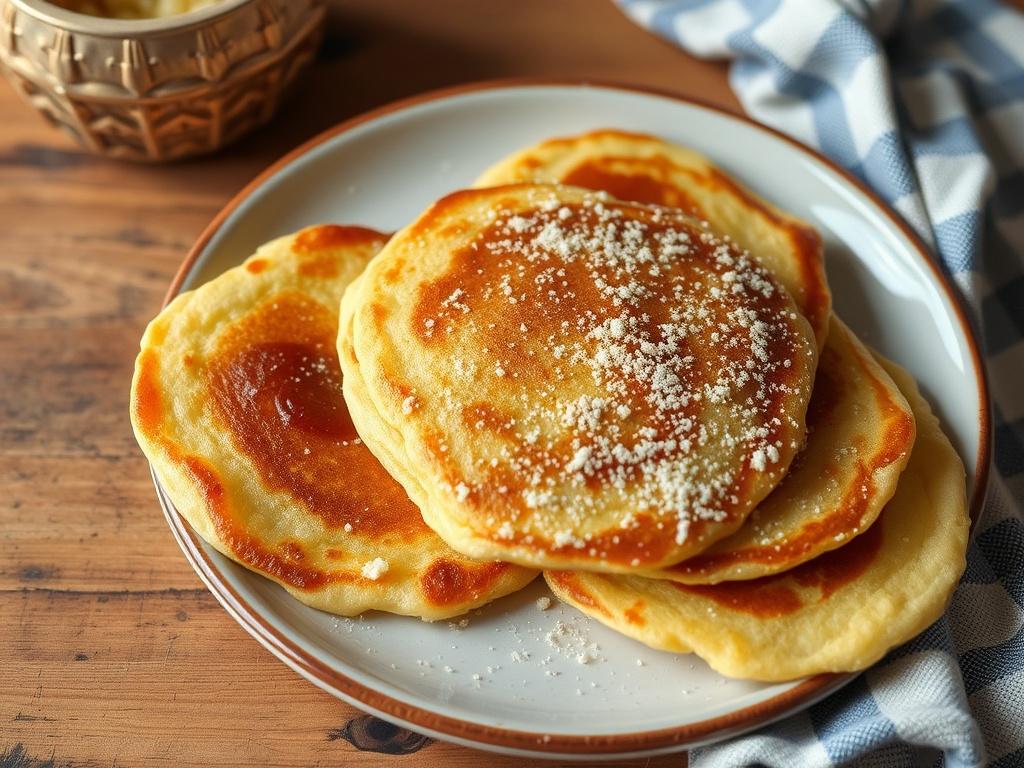
The story of mofletta is woven into the larger tapestry of Moroccan Jewish life. It emerged as a household staple among Jews of the Maghreb and became firmly associated with Mimouna celebrations. Mimouna itself blends local North African customs with Jewish rituals, creating an exuberant night of music, open doors, and tables laden with sweets. Mofletta was ideal for this: easy to make in large batches, inexpensive, and instantly shareable. While exact origins are hard to pin down — recipes were passed down orally — the pancake’s presence in Moroccan Jewish communities goes back generations, reflecting the interplay between regional cuisine and Jewish holiday customs.
Where Mofletta first appeared and how it traveled
Mofletta first appeared in the homes of Moroccan Jews, where it became part of the Mimouna tradition in towns and cities across Morocco. As Moroccan Jews emigrated — particularly to Israel, France, Canada, and the United States — they brought their culinary rituals with them. In Israel, mofletta found a new stage: entire neighborhoods host public Mimouna events where thousands share moflettot and other sweets. In the diaspora, families keep the practice alive at home, often adapting recipes to local ingredients while preserving the ritual of open doors and abundant treats.
Interesting facts about Mofletta you might not expect
- Mimouna night often includes an open-door policy: neighbors, friends, and even passersby are invited to grab a morsel. Mofletta helps feed a crowd.
- The basic mofletta batter requires no eggs. It’s usually just flour, water, oil, and a pinch of salt — which meant it was easy to prepare even during times when some ingredients were restricted.
- The word “Mimouna” likely comes from the Arabic term for “good luck” or from a Berber name Maimuna. Either way, the pancake is a symbol of blessing and prosperity.
- In modern celebrations, mofletta tables can be a colourful mix: fresh fruit, sweets, nut spreads, cheeses — a blend of tradition and contemporary tastes.
Nutritional value of Mofletta and healthier tweaks
Classic mofletta is simple but energy-rich: flour and oil form the base, and the typical toppings add sugar and fat. Below is a rough nutritional snapshot for a single medium mofletta (about 80–100 g) before toppings.
| Component | Per 100 g (approx.) |
|---|---|
| Calories | 250–300 kcal |
| Carbohydrates | 40–50 g |
| Protein | 6–8 g |
| Fat | 6–12 g (varies with oil/butter used) |
| Fiber | 1–2 g |
Simple swaps make mofletta lighter: use whole-wheat flour, reduce oil and butter, or top with fresh fruit and a drizzle of honey instead of lots of sugar. For a protein boost, serve with Greek yogurt or ricotta.
Popularity in different countries and modern adaptations
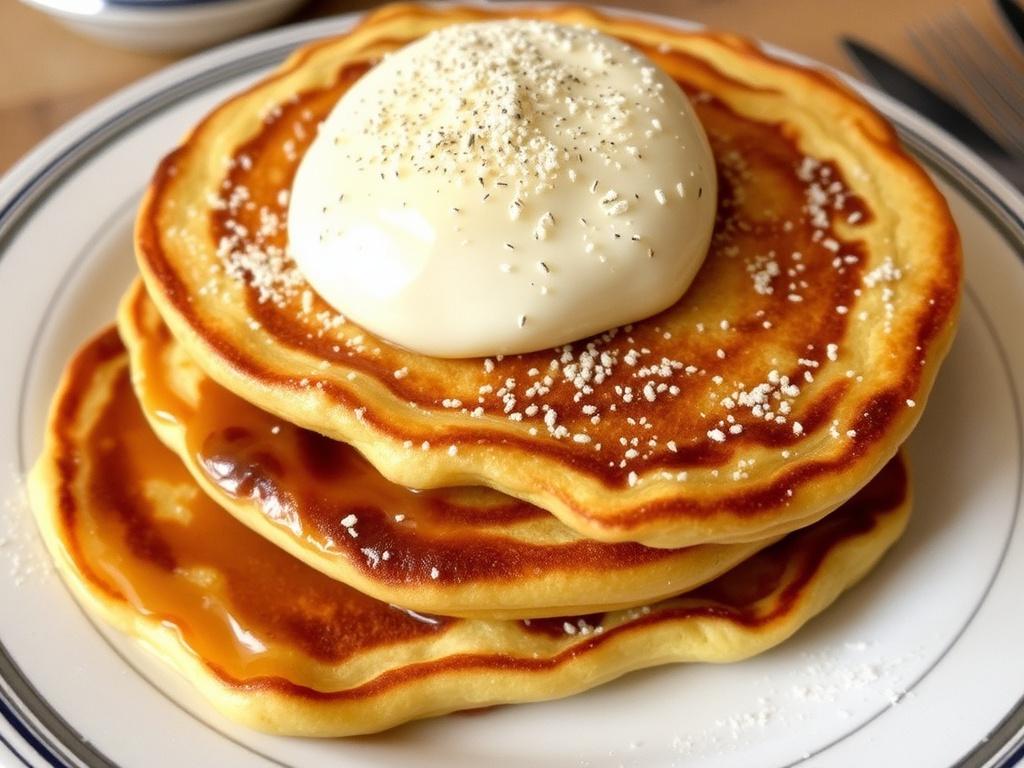
Morocco is where mofletta lives in memory and practice, but its spread mirrors migration patterns. In Israel, the pancake became emblematic of national Mimouna festivals, often appearing alongside modern street-food variations. France and Canada — with sizable Moroccan Jewish communities — keep home traditions alive, and in the U.S. you’ll find mofletta at cultural fairs or in family kitchens. Chefs and home cooks experiment with fillings and toppings: Nutella, tahini and date syrup, or savory versions with labneh and za’atar. The pancake adapts, but the spirit of sharing remains unchanged.
Three great mofletta recipes to try at home
Classic Mofletta
- Ingredients: 2 cups all-purpose flour, 1 tsp salt, 1 tbsp sugar (optional), 1–1.25 cups warm water, 2–3 tbsp olive oil or vegetable oil, extra oil or butter for cooking.
- Method: Mix flour, salt and sugar. Add water gradually until you form a soft, slightly sticky dough. Let rest 15–30 minutes. Divide, roll thin on a floured surface, or pat into thin discs with your hands. Heat a skillet over medium-high heat, brush with oil, cook each side until golden spots appear. Fold, smear with butter, drizzle honey and serve warm.
Whole-Wheat Healthier Mofletta
- Ingredients: 1.5 cups whole-wheat flour, 0.5 cup all-purpose flour, 1 tsp salt, 1 tbsp olive oil, 1 cup water (adjust), optional 1 tsp baking powder for lighter texture.
- Method: Combine flours and salt, add oil and water to a soft dough. Rest 20 minutes. Roll very thin, cook on hot skillet with minimal oil. Top with fresh fruit and a light honey drizzle.
Sweet Semolina and Orange Blossom Mofletta
- Ingredients: 1 cup semolina, 1 cup all-purpose flour, 1 tsp salt, 1 tbsp sugar, 1 tbsp orange blossom water, 1–1.25 cups warm water, oil for cooking.
- Method: Mix dry ingredients, add water and orange blossom water to make a pliable dough. Rest 30 minutes. Cook thinly in a skillet, serve with date syrup, crushed pistachios, or apricot jam for a fragrant twist.
What to eat with Mofletta for the perfect spread
Mofletta is a pairing canvas. Traditional accompaniments are simple and generous:
- Butter and honey — timeless and indulgent.
- Variety of jams and preserves — apricot, fig, strawberry.
- Date syrup or silan and tahini for a Middle Eastern twist.
- Fresh fruit: oranges, dates, figs, grapes.
- Savory options: labneh, soft cheeses, olives, za’atar, for those who prefer less sweet.
- Drinks: mint tea, black tea or strong coffee to balance the sweetness.
Sharing mofletta is as important as the recipe. Lay out toppings, invite neighbors, let people fold and drizzle their own. That simple act — warmth, openness, a sticky-fingered smile — is the heart of the tradition. If you try these recipes, start with the classic, then play: add orange blossom, swap flours, serve with unexpected toppings. The pancake welcomes creativity, but keep the ritual of sharing intact — that’s where the true flavor lives.


