
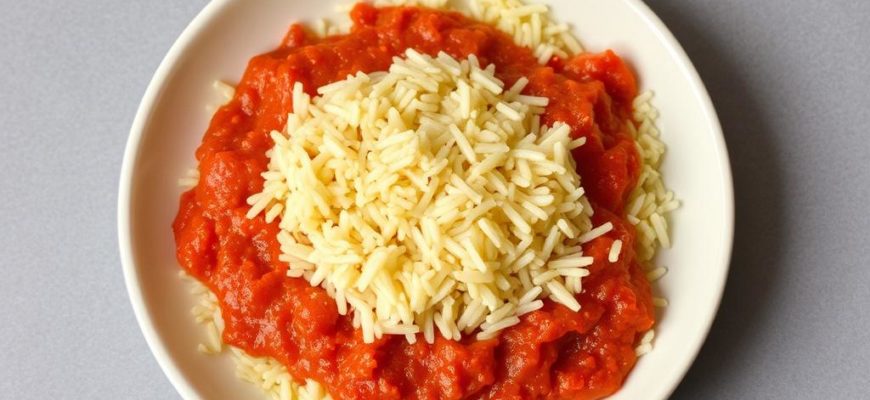
I still remember the first time I tasted a steaming bowl of pilaf with tomato paste — it was humble, fragrant, and oddly comforting, like a warm hug after a long day. The tomato paste gives the rice a deep color and a subtle umami backbone, turning plain grains into something you actually look forward to. If you like food that’s forgiving, fast, and full of flavor, this dish deserves a spot in your weeknight rotation. Read on and I’ll walk you through where it came from, what makes it special, how nutritious it is, and my favorite step-by-step recipe so you can start making it tonight.
- Where the dish began and why it matters
- A short history of pilaf with tomato paste
- Interesting facts about pilaf with tomato paste
- Nutritional value of pilaf with tomato paste
- How pilaf with tomato paste became popular around the world
- The best step-by-step cooking recipe for Pilaf with tomato paste
- Why this method
- Ingredients
- Equipment
- Method
- Tips and variations
- Serving suggestions
Where the dish began and why it matters
Pilaf itself is an ancient idea: rice cooked with fat and aromatics so each grain stays separate and tender. When tomato paste joins the party, the dish shifts into a different lane — it becomes richer, slightly tangy, and visually striking. Different regions adapted the combo independently, often because preserved tomato paste was an easy way to add color and depth when fresh tomatoes weren’t available. So while there isn’t a single pinpointed birthplace for pilaf with tomato paste, you’ll find close relatives across the Middle East, the Caucasus, Central Asia, and parts of Eastern Europe and the Mediterranean.
A short history of pilaf with tomato paste
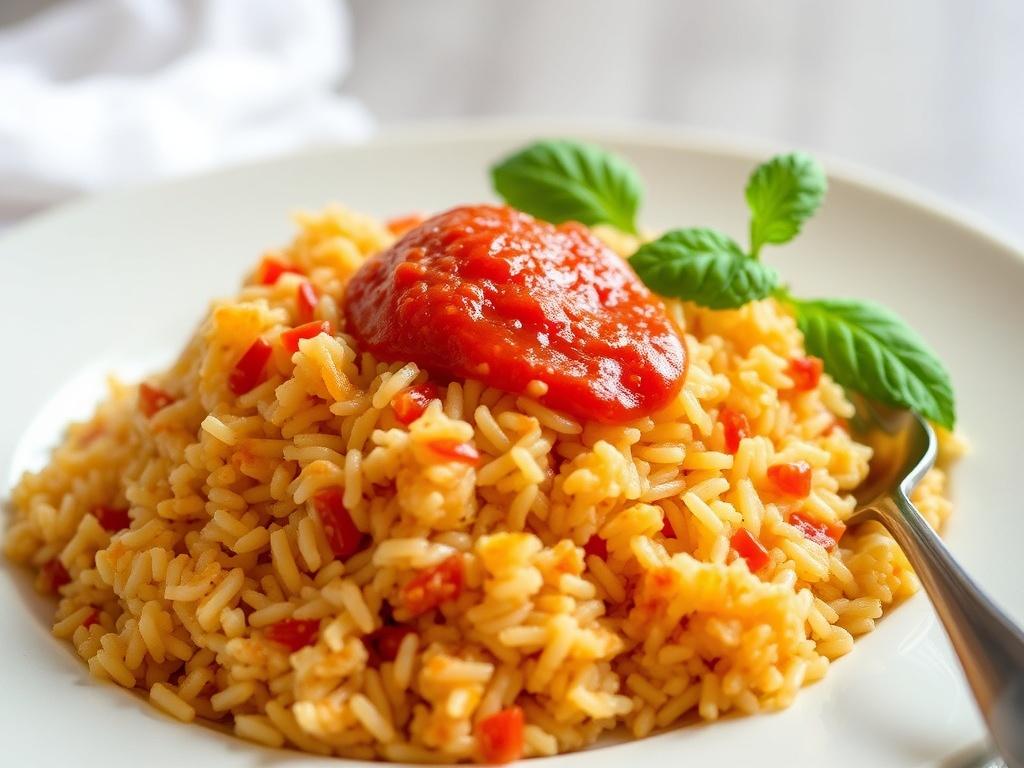
Pilaf predates modern borders, moving along trade routes and through kitchens as merchants and migrants traveled. The addition of tomato paste is a later development tied to the spread of tomatoes from the Americas and the rise of canned and concentrated tomato products. As household pantries filled with jars and tubes of tomato paste in the 19th and 20th centuries, cooks started stirring it into rice to boost flavor quickly. The result is a practical, pantry-friendly version of classic pilaf that still honors the technique of toasting rice and layering flavors.
Interesting facts about pilaf with tomato paste
- Tomato paste deepens both color and umami without watering down the dish the way fresh tomatoes sometimes do.
- Because tomato paste is concentrated, small amounts go a long way — a tablespoon can color and flavor a whole pot of rice.
- Many regional variants toss in local spices, nuts, or dried fruit; the basic tomato-paste version is a blank canvas.
- The dish scales easily: double the recipe for a crowd, or make a single portion for a quick lunch.
Nutritional value of pilaf with tomato paste
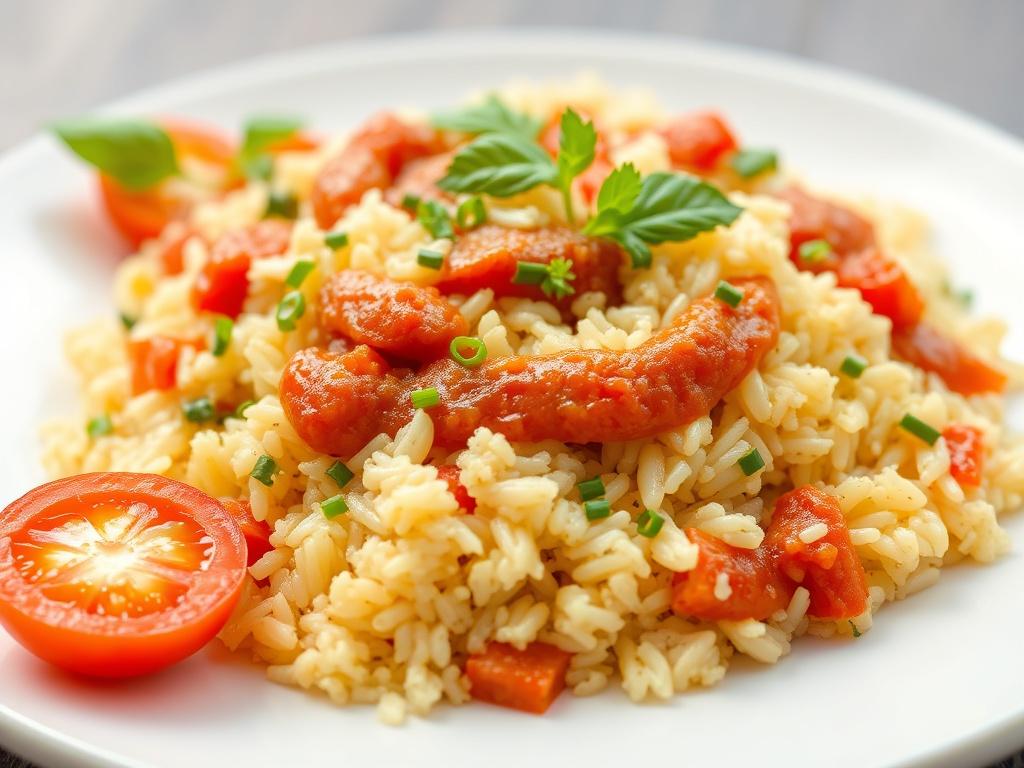
At its simplest, pilaf with tomato paste is a starchy comfort food, but you can nudge it toward balance by adding vegetables, legumes, or a modest amount of protein. Below is a typical nutritional snapshot for one serving of a basic version made with white rice, vegetable oil, and tomato paste. Values are approximate and will change depending on ingredients and portion size.
| Nutrient | Per serving (approx.) |
|---|---|
| Calories | 320 kcal |
| Carbohydrates | 60 g |
| Protein | 5 g |
| Fat | 6 g |
| Fiber | 2 g |
| Vitamin C | 8% DV |
How pilaf with tomato paste became popular around the world
Because the components are inexpensive and shelf-stable, this version of pilaf traveled easily with people and along trade routes. In bazaars and small home kitchens, cooks adopted tomato paste to replicate richer tomato-based sauces. Today you’ll find it served as a side, a one-pot meal, or a base for grilled meats in household kitchens from Baku to Beirut, and in many migrant communities beyond. Local tastes shape it — sometimes a pinch of cumin or coriander, sometimes a handful of cilantro or a squeeze of lemon — but the core idea stays the same: rice with concentrated tomato flavor.
The best step-by-step cooking recipe for Pilaf with tomato paste
Why this method
This approach keeps the grains separate and layered with flavor. Toasting the rice, browning aromatics, and adding tomato paste early lets the rice absorb that concentrated taste as it cooks.
Ingredients
- 2 cups long-grain rice (Basmati or similar), rinsed until water runs clear
- 3 tablespoons vegetable oil or butter
- 1 medium onion, finely chopped
- 2 garlic cloves, minced
- 2 tablespoons tomato paste
- 1 teaspoon ground cumin (optional)
- 3 1/4 cups hot water or stock
- Salt and freshly ground black pepper to taste
- Fresh herbs or toasted nuts for garnish (optional)
Equipment
- Heavy-bottomed pot with tight-fitting lid
- Wooden spoon
- Fine mesh sieve for rinsing rice
Method
- Rinse the rice thoroughly and let it drain. This removes excess surface starch so the grains stay separate.
- Heat the oil over medium heat. Add the chopped onion and sauté until soft and lightly golden, about 6–8 minutes.
- Add the garlic and cumin, stir for 30 seconds until fragrant.
- Mix in the tomato paste and cook it briefly—about 1 minute—so it darkens slightly and loses the raw edge.
- Add the drained rice and stir well to coat every grain with the tomato-onion mixture. Toast for 2–3 minutes, stirring gently.
- Pour in the hot water or stock, add salt and pepper, bring to a gentle boil.
- Once boiling, reduce heat to low, cover tightly, and simmer for 15–18 minutes without lifting the lid.
- Turn off the heat and let the rice steam, covered, for 10 minutes. Then fluff with a fork and finish with chopped herbs or toasted nuts if desired.
Tips and variations
- Use stock instead of water for more depth.
- Add chopped carrots, peas, or bell pepper with the onion for added nutrition and color.
- Stir in a can of drained chickpeas or cooked shredded chicken near the end for extra protein.
- If you prefer a saucier pilaf, increase the liquid by 1/4 cup and uncover for the last few minutes of cooking.
Serving suggestions
Serve pilaf with tomato paste alongside grilled vegetables, yogurt, pickles, or a simple salad. It makes a satisfying weekday meal and scales up easily for guests.
There’s something honest about this dish: modest ingredients, clear technique, lots of comfort. Try the recipe, tweak it to your taste, and you’ll understand why pilaf with tomato paste is a quiet favorite in so many kitchens.


