

Imagine rice so fragrant it curls into the air the moment you lift the lid, grains separate and glossy, scented with warm spices and dotted with sweet raisins and crunchy nuts. That’s pilaf without meat — simple, soulful, and surprisingly satisfying. Whether you’re cooking for a weeknight dinner, feeding a crowd with different diets, or looking for a lighter version of a classic, a meatless pilaf can deliver the same depth and celebration as its meatier cousins. Read on and you’ll learn not only how to cook it, but where it comes from, why it’s loved around the world, what’s inside nutritionally, and a reliable, step‑by‑step recipe that works every time.
- Where Pilaf without Meat Comes From and How It Fits into Culinary Geography
- How Pilaf without Meat Evolved through History
- Interesting Facts about Pilaf without Meat
- Nutritional Value of Pilaf without Meat
- How Popular Pilaf without Meat Is Across the World
- The Best Step by Step Cooking Recipe for Pilaf without Meat
- Ingredients
- Equipment
- Method
- Tips and Variations
Where Pilaf without Meat Comes From and How It Fits into Culinary Geography
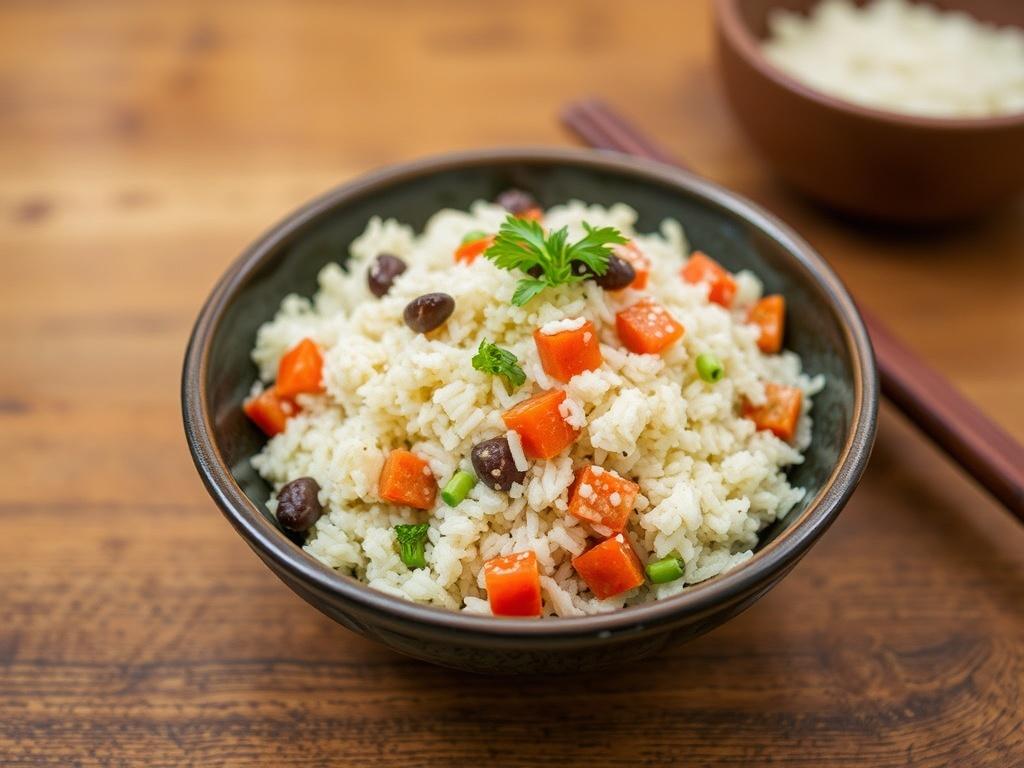
Pilaf traces its roots to the Persian kitchen, where the technique of cooking rice in seasoned liquid developed into what we now call pilāv, pulao, plov, or pilaf depending on the region. While many historic versions are built around lamb, beef, or poultry, plant‑based and vegetarian variants have long existed. In Central Asia and the Middle East, cooks would often make meatless rice on days of fasting or when meat was scarce, enriching the dish with butter, caramelized onions, and dried fruit instead. In South Asia, pulao frequently appears as a fragrant vegetable dish, layered with peas, carrots, and aromatic spices. The idea is universal: good rice, good fat, and flavors that marry during a gentle simmer.
How Pilaf without Meat Evolved through History
The spread of pilaf mirrors trade routes and migration. As merchants and armies moved across Persia, Central Asia, the Ottoman empire, and the Indian subcontinent, they carried cooking techniques and local ingredients with them. In each place, the dish adapted. Ottoman cooks introduced toasted nuts and sweet spices. South Asian cooks layered rice with vegetables and aromatics. During periods or places where meat was costly or reserved for special occasions, cooks turned the spotlight onto vegetables, legumes, and spices to keep pilaf rich and celebratory. So the meatless pilaf you make today is part of a long tradition of culinary frugality and creativity.
Interesting Facts about Pilaf without Meat
- Pilaf has many names: in Persian it’s pilāv, in Turkish it’s pilav, in Russian it’s plov, and in South Asia pulao. The name shifts as the recipe does.
- Vegetarian pilaf is often the preferred dish for festivals and fast days in several cultures because it can be made rich without meat — think nuts, butter or oil, and dried fruits.
- Texture matters most. The hallmark of a great pilaf is separate, intact grains rather than sticky clumps. That’s why rinsing rice and choosing the right ratio of liquid are essential.
- Some traditional recipes steam the cooked rice under a cloth or tightly sealed lid for 10–20 minutes to finish the texture — a small trick with big impact.
Nutritional Value of Pilaf without Meat
The nutrition profile depends on the base ingredients you choose. A meatless pilaf built from rice, vegetables, and legumes provides a balanced mix of carbohydrates, fiber, plant protein, and healthy fats. Adding chickpeas or lentils significantly raises protein and fiber, while nuts increase calories and healthy fats. Using brown rice boosts fiber and micronutrients but lengthens cooking time.
| Component | Typical contribution |
|---|---|
| Carbohydrates | Mainly from rice; provides steady energy |
| Protein | Moderate from rice; higher with legumes or nuts |
| Fiber | Low to moderate with white rice; higher with brown rice, vegetables, legumes |
| Fats | Controlled by oil or butter used; nuts add unsaturated fats |
| Micronutrients | Vitamins and minerals from vegetables, spices, and nuts (iron, potassium, B vitamins) |
How Popular Pilaf without Meat Is Across the World
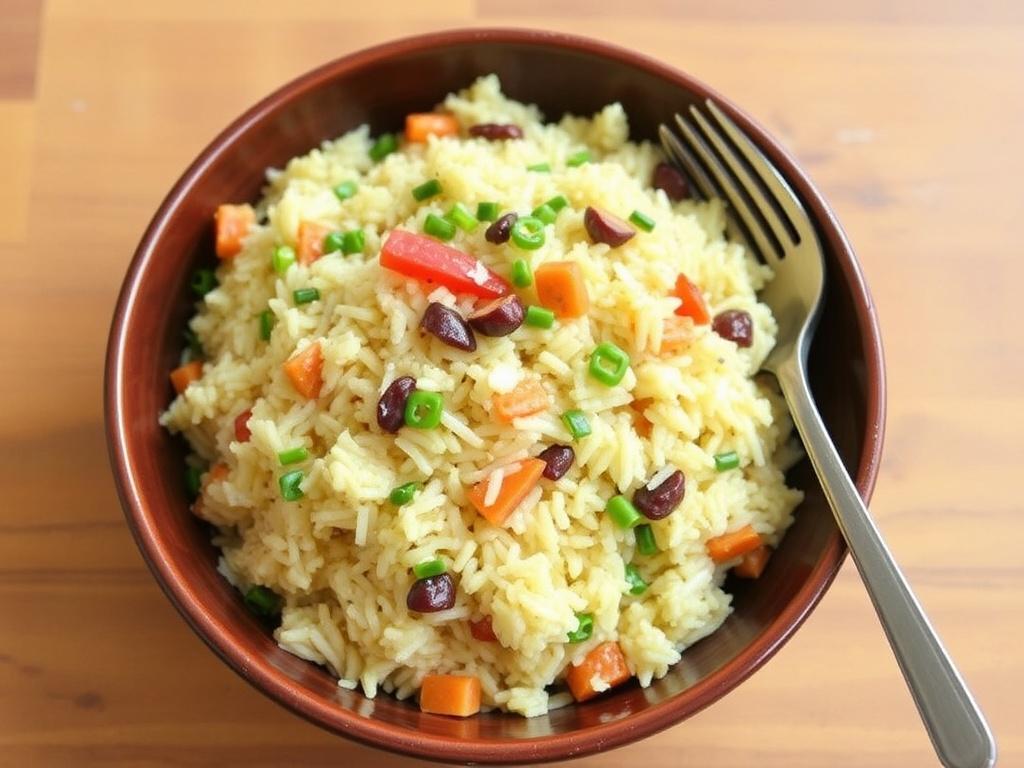
Every region has its spin. In the Middle East and Central Asia, meatless versions are common during certain religious observances; in South Asia, vegetable pulaos appear at weddings and everyday tables alike. In Mediterranean cuisines, rice dishes often go vegetarian by featuring tomato, eggplant, or peppers instead of meat. Western home cooks increasingly adopt meatless pilaf as an easy, one‑pot meal that pairs well with salads, grilled vegetables, or yogurt. The dish’s versatility explains its global appeal.
The Best Step by Step Cooking Recipe for Pilaf without Meat
This recipe serves 4. It balances ease with authentic technique so you get fluffy, flavorful rice every time.
Ingredients
- 2 cups long‑grain rice (basmati is ideal)
- 3 tablespoons vegetable oil or butter
- 1 large onion, thinly sliced
- 2 medium carrots, julienned or grated
- 1 cup cooked chickpeas or 1 can, drained
- 3 cloves garlic, minced
- 1 teaspoon ground cumin, 1 teaspoon ground coriander, 1/2 teaspoon turmeric, pinch of cinnamon
- 3 1/4 cups vegetable stock or water, hot
- Salt to taste
- 1/3 cup raisins or chopped dried apricots (optional)
- 1/3 cup toasted almonds or pistachios, chopped (optional)
- Fresh parsley or cilantro to finish
Equipment
- Heavy‑bottomed pot with tight‑fitting lid
- Fine mesh sieve
Method
- Rinse the rice under cold water until it runs clear. Soak for 20 minutes if you have time, then drain well.
- Heat oil in the pot over medium heat. Add onions and cook, stirring, until golden and soft — about 8–10 minutes. This step builds sweetness and depth.
- Add carrots and garlic, cook 3–4 minutes. Stir in spices so they bloom in the hot oil; this releases their aroma.
- Add chickpeas, raisins, and the drained rice. Stir gently to coat the rice with oil and spices for 1–2 minutes.
- Pour in hot stock, add salt, and bring to a gentle boil. Reduce heat to low, cover, and simmer undisturbed for 15 minutes (for basmati) or until liquid is absorbed.
- Turn off the heat. Keep the lid on and let the pilaf rest for 10 minutes — this steaming step firms and separates the grains.
- Fluff with a fork, fold in toasted nuts and fresh herbs, and serve warm.
Tips and Variations
- Use brown rice: increase stock by 1/2 cup and simmer longer, until tender.
- Make it more protein‑rich by adding cooked lentils or tofu cubes.
- For deeper color and flavor, toast the rice lightly before adding liquid.
- Adjust sweetness with more or fewer dried fruits; add a squeeze of lemon to brighten the dish before serving.
Give this meatless pilaf a try. It’s forgiving, adaptable, and deeply satisfying — the kind of dish that makes people ask for seconds without needing a slab of meat on the plate. Keep experimenting with spices, textures, and add‑ins until you find the version that feels like home.


