

In many kitchens the idea of cooking with nutria might raise an eyebrow, but give it a chance: when treated right, this lean, gamey meat becomes a delicious partner for rice and spices. This article walks you through where nutria pilaf fits on the culinary map, why people started making it, what to expect from its flavor and nutrition, and — most importantly — how to cook a reliable, tasty nutria pilaf at home. Read on if you like practical tips, a sensible approach to wild meat, and a recipe you can follow tonight.
- Where nutria pilaf comes from and how the idea developed
- The story behind nutria pilaf: history and context
- Interesting facts about nutria pilaf
- Nutritional value of nutria pilaf
- How popular is nutria pilaf around the world
- The best step-by-step cooking recipe for nutria pilaf
- Ingredients (serves 4)
- Method
- Practical tips and safety
Where nutria pilaf comes from and how the idea developed

There is no single birthplace for nutria pilaf. Pilaf itself — a technique of cooking rice with sautéed aromatics, fat, and often meat — has roots in Central Asia, the Middle East, and South Asia. Nutria, a semi-aquatic rodent native to South America and introduced to many other regions, only became paired with pilaf where the animal was available and communities chose to use its meat. In other words, nutria pilaf is a practical, local adaptation rather than an ancient, codified dish: people take a familiar rice method and substitute the most accessible protein. That pragmatic origin explains the variety you’ll find: some versions skew toward Central Asian spices, others lean Mediterranean or Cajun depending on local tastes.
The story behind nutria pilaf: history and context
To understand nutria pilaf you need two short backstories. First, pilaf — sometimes called pilau, plov, or pulao — evolved as a convenient, one-pot way to turn rice, fat, and whatever meat or vegetables were at hand into a sturdy meal. Second, nutria was exported across continents for fur farming and escaped or were released in many habitats, later becoming an invasive species in some places.
Communities confronted with abundant nutria populations began to explore culinary uses as part of population control and local food resilience. Chefs and home cooks who work with game learned basic processing and flavoring techniques to remove strong odors and emphasize the meat’s best qualities. The mashup of pilaf technique and nutria meat is modern and practical — a tasty solution born out of availability and necessity.
Interesting facts about nutria pilaf
- Nutria meat is considered gamey and lean; compared to beef it is lighter, and many tasters liken its texture to rabbit or dark chicken.
- Using nutria is sometimes part of conservation or pest-management initiatives: turning an invasive animal into food reduces waste and can support local economies.
- Flavor and texture vary by age and diet of the animal; younger, well-handled meat is milder and more tender.
- Culinary approaches across regions adapt the spice palette: cumin and coriander for Central Asian vibes, saffron or turmeric for more aromatic profiles, or bay, garlic, and paprika for a rustic European touch.
Nutritional value of nutria pilaf
Nutria meat is generally lean and protein-rich. When combined with rice and a modest amount of fat (oil or rendered fat for flavor), pilaf becomes a balanced meal with carbohydrates, protein, and some fats from cooking. Exact nutrition depends on the cut, trimming, and recipe, but here’s a qualitative snapshot to help you plan:
| Component | Nutria meat (qualitative) | Typical pilaf result |
|---|---|---|
| Protein | High-quality, lean | Good source per serving |
| Fat | Low naturally; depends on added fat | Moderate if you sauté in oil or use fatty stock |
| Calories | Relatively low for meat | Moderate — rice supplies carbs |
| Micronutrients | Contains iron and B vitamins typical of red/lean game | Enhanced with vegetables and herbs |
If you need precise calorie or macro numbers, use nutritional data for lean game meat as a baseline and account for rice and added fats in your recipe calculator.
How popular is nutria pilaf around the world
Popularity depends entirely on local availability and cultural acceptance. In places where nutria is native or abundant, communities are more likely to experiment with the meat. In countries that import pilaf traditions, cooks sometimes adopt nutria when it appears on the market or when conservation programs promote its use. Overall, nutria pilaf is a niche dish: fascinating and practical where it exists, but not widespread as a mainstream restaurant staple.
Acceptance also follows culinary culture — regions with a tradition of using wild game will welcome nutria more readily than those with stricter taboos around rodents. Where introduced as part of sustainable-food campaigns, nutria dishes have found an audience among chefs drawn to hyper-local sourcing and bold flavors.
The best step-by-step cooking recipe for nutria pilaf
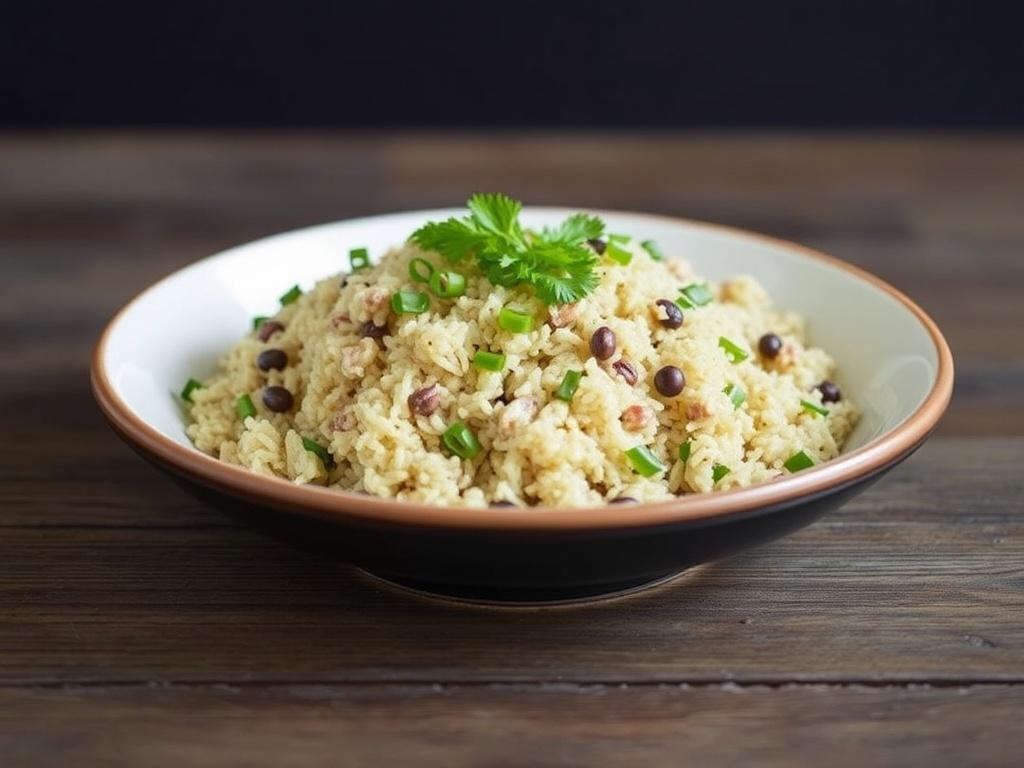
This recipe is built for clarity: it treats nutria like other strong-flavored game, with brining or marination to reduce gaminess, thorough trimming, and slow braising so the meat becomes tender and flavorful when paired with rice.
Ingredients (serves 4)
- 500 g nutria meat, trimmed and cut into 2–3 cm pieces
- 1.5 cups long-grain rice, rinsed until water runs clear
- 2 medium onions, thinly sliced
- 2 large carrots, julienned or grated
- 3 cloves garlic, minced
- 3 tbsp vegetable oil or rendered fat
- 1½ tsp salt (adjust to taste)
- 1 tsp ground cumin
- 1 tsp ground coriander or a bay leaf plus a pinch of turmeric
- 3 cups hot stock (chicken or vegetable) or water
- Fresh parsley or cilantro to finish
- Optional: 1 tbsp tomato paste or 1 small chopped tomato for brightness
Method
- Optional prep: brine the meat in lightly salted water for 1–2 hours to draw out excess blood and mellow strong flavors; rinse and pat dry. If brining, reduce added salt later.
- Season the meat lightly with salt and a little pepper. Heat 2 tablespoons oil in a heavy pot over medium-high heat. Brown the nutria in batches — don’t crowd the pan. Browning builds flavor. Remove meat and set aside.
- Lower heat to medium, add remaining oil if needed, and sauté onions until soft and starting to color. Add carrots and cook until they soften. Stir in garlic, cumin, coriander, and tomato paste (if using). Cook 1–2 minutes until aromatic.
- Return the browned meat to the pot. Add hot stock to just cover the meat, bring to a simmer, then cover and braise gently for 30–45 minutes, until meat is tender. Check seasoning and adjust.
- When meat is tender, remove it with a slotted spoon and keep warm. Increase heat and bring the cooking liquid to a steady boil. Add the rinsed rice evenly over the liquid — do not stir. Nestle the meat back on top of the rice.
- Reduce heat to low, cover tightly, and cook undisturbed for 15–20 minutes, until rice has absorbed the liquid and is tender. If using a heavy pot with good seal, 15 minutes often suffices; with thinner pots, check at 18–20 minutes.
- Turn off the heat and let the pot rest, covered, for 10 minutes. Fluff rice gently with a fork, mix meat through if you like, or keep layered for presentation. Finish with chopped herbs.
Practical tips and safety
- Handle nutria like other wild game: ensure it is sourced legally, processed hygienically, and stored cold. If in doubt, freeze for several days to reduce parasite risk, and practice good kitchen hygiene.
- Cook until the meat is tender and the juices run clear. For safety, aim for an internal temperature around 71°C (160°F) for well-done game; final braising and resting will deliver safe, palatable results.
- If the meat tastes too strong, increase aromatics (onion, garlic), add acid (a splash of lemon or vinegar) or include a small amount of tomato; these balance gaminess without hiding flavor.
- Adapt spices to your taste: saffron, cardamom, or allspice will give a different regional character.
Nutria pilaf isn’t about novelty for novelty’s sake — it’s a sensible culinary response to local reality. Cook it with attention, respect the meat, and you’ll find a comforting rice dish that tells a small story about place, resourcefulness, and flavor. Try the recipe, tweak the spices, and make it your own.


