

Imagine walking into a kitchen where the air smells of sautéed garlic and bay leaf, where rice absorbs bright tomatoes, smoky sausage and a splash of lime. That warmth on your fork is Brazilian pilaf — comforting, homey and not at all fussy. Whether you’re chasing something quick for weeknight dinner or a dish to impress guests without breaking a sweat, Brazilian pilaf delivers: simple technique, bold flavor, real heart. Read on and you’ll learn where it comes from, why it tastes the way it does, how nutritious it can be, and the exact steps to cook a version that will become a go-to in your repertoire.
- Where Brazilian pilaf comes from and why it feels so familiar
- A clear look at the history of Brazilian pilaf and its culinary family
- Interesting facts about Brazilian pilaf that make it worth trying
- The nutritional value of Brazilian pilaf and how to make it healthier
- How Brazilian pilaf is enjoyed around the world and its growing popularity
- The best step-by-step cooking recipe for Brazilian pilaf with tips for success
- Ingredients for 4 servings
- Equipment
- Step-by-step method
- Tips to make the best Brazilian pilaf
Where Brazilian pilaf comes from and why it feels so familiar
Brazilian pilaf has no single birthplace etched in stone. Instead it is a local riff on a widespread idea: cook rice in seasoned stock with aromatics and additions so every grain carries flavor. In Brazil this approach arrived through a tangle of influences. Portuguese colonists brought rice varieties and Iberian ways of cooking. African cooks introduced techniques and ingredients like palm oil and vigorous seasoning. Immigrants and indigenous foodways added regional produce and proteins. The result is not a rigid recipe but a tradition of adaptation. At home tables across Brazil you’ll find rice prepared pilaf-style with whatever the household prefers — chicken pieces, linguiça, peas, carrots, or just sautéed onions and garlic. The comfort comes from the method: toasting rice briefly, then simmering it gently in broth so it swells with flavor.
A clear look at the history of Brazilian pilaf and its culinary family
Pilaf itself traces back to Central Asia and the Middle East, where rice was commonly cooked with fat and stock to produce a fragrant, separate-grain dish. Over centuries the idea traveled into Mediterranean cuisines and then to the Americas. In Brazil the technique blended with local staples. Rice became a daily base, often paired with beans, but pilaf-style rice took on a role for meals where a single pot needed to carry more — vegetables, preserved sausages, or bits of meat that stretch protein across a family. In urban kitchens of the 20th century, pilaf variants proliferated: quick weeknight one-pots, party rice with raisins and nuts, and regionally flavored versions using coconut milk in the northeast or smoked meats in the south.
Interesting facts about Brazilian pilaf that make it worth trying
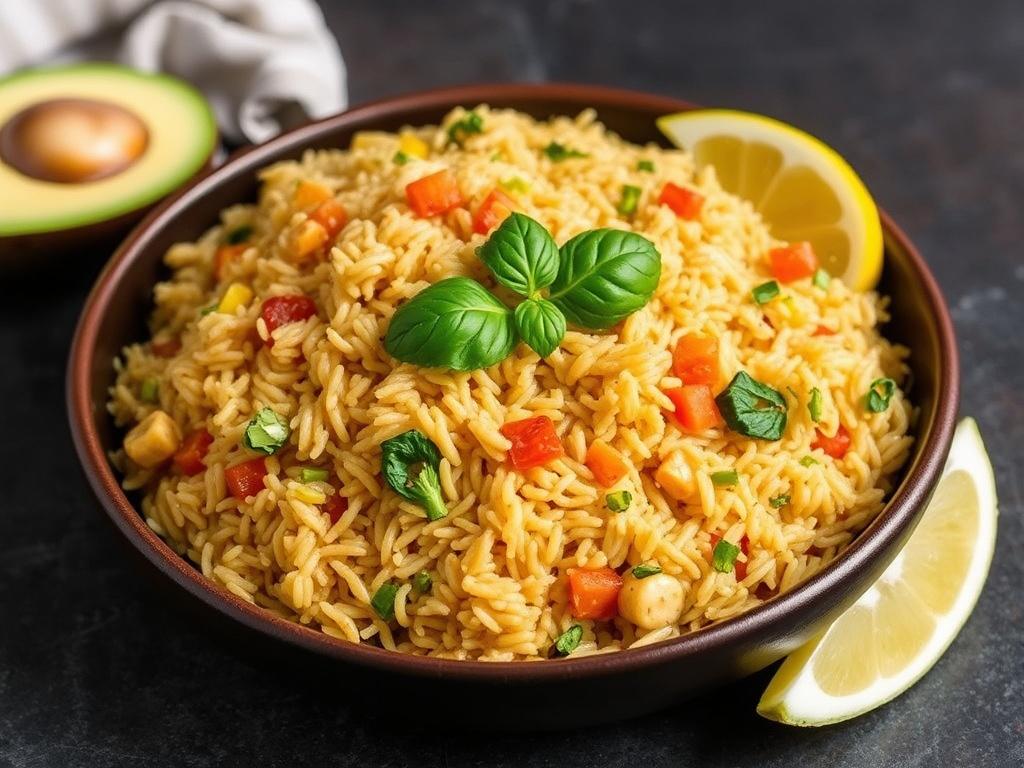
- Brazilian pilaf is more a technique than a single recipe, which makes it endlessly adaptable.
- It pairs beautifully with Brazil’s classic feijoada components — think serving pilaf instead of plain rice to soak up those bold flavors.
- Regional twists can change the dish dramatically: coconut milk and palm oil introduce a coastal profile, while smoked sausage and bay leaf give a southern, hearthlike feel.
- Leftovers improve — flavors continue to marry in the fridge, making the next-day pilaf even better when reheated properly.
The nutritional value of Brazilian pilaf and how to make it healthier
At its core Brazilian pilaf is rice plus additions, so its nutrition depends on what you add. Here’s an approximate breakdown for one serving of a typical pilaf made with white rice, chicken, peas and carrots.
| Nutrient | Approximate amount per serving |
|---|---|
| Calories | 400–520 kcal |
| Protein | 18–28 g |
| Carbohydrates | 45–60 g |
| Fat | 8–18 g (depending on oil and sausage) |
| Fiber | 3–6 g |
To boost nutrition, use brown rice or parboiled rice for more fiber, lean proteins like shredded chicken or turkey, and increase the vegetable ratio. Swap part of the stock for tomato purée or add beans for extra protein and texture. Reduce added salt by using a low-sodium broth and brightening with lime or vinegar at the end.
How Brazilian pilaf is enjoyed around the world and its growing popularity
While not as iconic globally as feijoada, Brazilian pilaf has quietly spread because it is approachable and forgiving. In Latin American restaurants and Brazilian homes abroad, cooks adapt it to local tastes: chorizo or andouille for spice, olive oil instead of palm oil, or seasonal vegetables. Its one-pot logic appeals to busy cooks everywhere. Food bloggers and home cooks who chase quick dinners have adopted pilaf recipes because they can be scaled, frozen, and customized. As interest in regional Brazilian cooking grows, pilaf-style rice gets more attention as a weekday star rather than merely a side dish.
The best step-by-step cooking recipe for Brazilian pilaf with tips for success
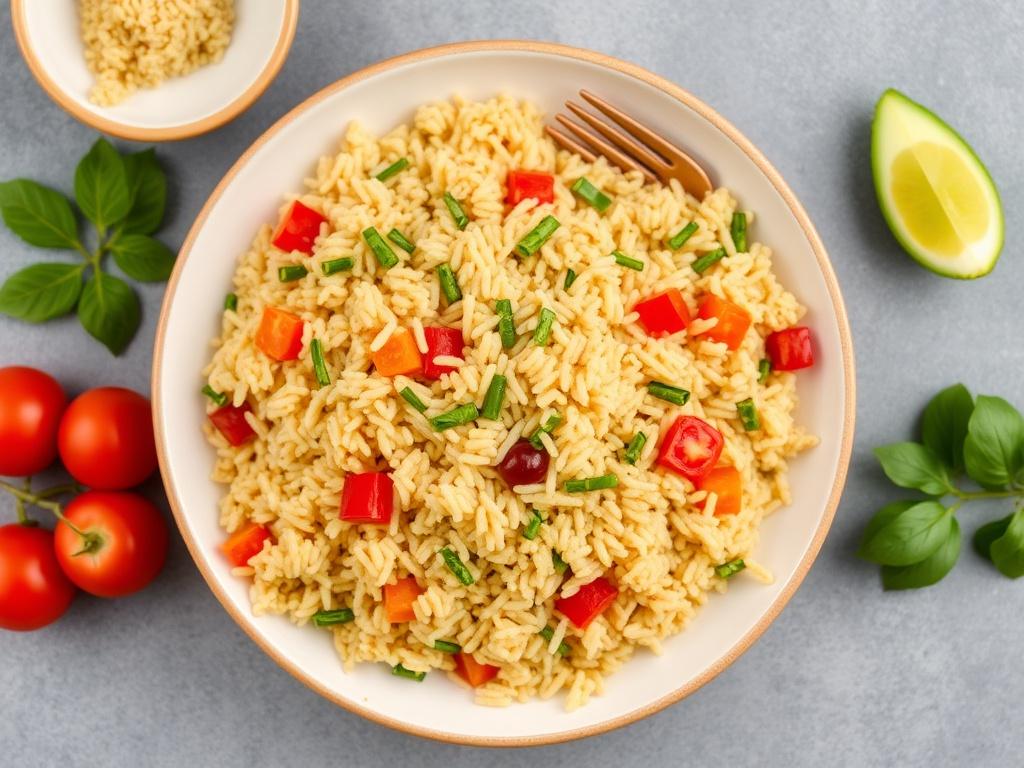
Ingredients for 4 servings
- 2 cups long-grain rice, rinsed and drained
- 2 tablespoons vegetable oil or olive oil
- 1 medium onion, finely chopped
- 3 garlic cloves, minced
- 1 bay leaf
- 1 cup diced carrots
- 1 cup frozen peas
- 200 g cooked shredded chicken or sliced linguiça
- 4 cups chicken or vegetable broth, hot
- Salt and black pepper to taste
- Fresh cilantro or parsley and lime wedges for serving
Equipment
- Heavy-bottomed saucepan or Dutch oven with a tight-fitting lid
- Wooden spoon
- Measuring cups
Step-by-step method
- Heat oil over medium heat. Add onion and a pinch of salt, and sauté until translucent, about 5 minutes.
- Add garlic, bay leaf and carrots. Cook one minute until fragrant.
- Add the rinsed rice and stir frequently, toasting the grains for 2–3 minutes so they pick up a faint golden color.
- Pour in the hot broth, stir once to combine, bring to a gentle boil, then reduce heat to low. Cover and simmer for 15–18 minutes without lifting the lid.
- Remove from heat and let rest, covered, for 8–10 minutes. This finishing rest lets steam finish cooking the rice evenly.
- Fluff with a fork, fold in peas and shredded chicken or sliced linguiça, adjust salt and pepper. Garnish with cilantro and squeeze lime if desired.
Tips to make the best Brazilian pilaf
- Use hot broth so the cooking temperature doesn’t drop when you add it. Temperature matters for even cooking.
- Resist stirring during simmering; that keeps grains separate and prevents mushy rice.
- To adapt the dish, swap broth for light coconut milk and use palm oil for a coastal Brazilian vibe.
- For vegetarian pilaf, double the vegetables and add toasted nuts for crunch and a protein boost.
Brazilian pilaf is welcoming food. It allows substitutions, forgives small timing mistakes, and rewards simple, deliberate steps with layered flavor. Once you master the basic rhythm — sauté, toast, simmer, rest — you can make it a pantry staple that feels like home in every spoonful.


