

If you’ve ever wandered through the bustling night markets of Taiwan or scrolled through food blogs craving something sweet and crispy, then Taiwanese wheel pies might have already caught your eye. These little wonders aren’t just snacks; they carry stories, cultures, and flavors rolled into one compact treat. But let’s be honest, the name “wheel pie” alone sparks curiosity. What is it? Where does it come from? How did it become a beloved street food? Whether you’re a seasoned foodie or just someone who appreciates a good pastry, Taiwanese wheel pies deserve a place on your must-try list. Ready to dive into their crispy embrace and explore everything from their origins to recipes you can try at home? Let’s unpack this pastry treasure box together.
- Unwrapping the Taiwanese Wheel Pies: What They Are
- The Origins of Taiwanese Wheel Pies: A Slice of History
- The Birthplace of the Taiwanese Wheel Pie: Where It First Appeared
- Little-Known Facts That Make Taiwanese Wheel Pies Even More Fascinating
- Understanding Taiwanese Wheel Pies’ Nutritional Value
- From Taiwan to the World: The Popularity of Taiwanese Wheel Pies in Different Countries
- Whip Them Up Yourself: Three Best Recipes for Cooking Taiwanese Wheel Pies
- 1. Classic Red Bean Paste Wheel Pie
- 2. Taro Custard Wheel Pie
- 3. Savory Minced Pork Wheel Pie
- Perfect Pairings: What to Eat with Taiwanese Wheel Pies
Unwrapping the Taiwanese Wheel Pies: What They Are
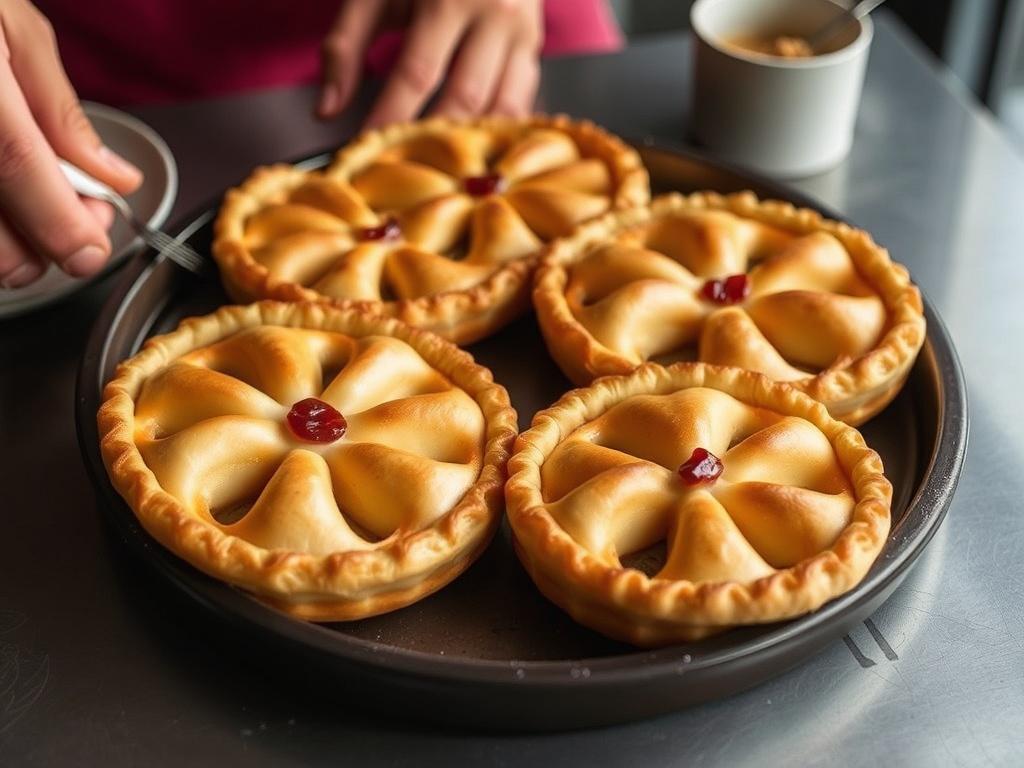
At first glance, Taiwanese wheel pies seem simple, but they pack a whole lot of flavor and uniqueness. These pies are small, round pastries, usually about the size of your palm, with a distinct wheel-like pattern on top — which is how they earned their nickname. What makes them special is the combination of a thin, flaky crust and a rich filling that ranges from sweet to savory. Imagine biting into a crispy shell that gives way to a warm, luscious center — often made from red bean paste, peanut butter, taro, or even custard. Traditional ingredients meet creative twists, making each bite a surprise. Taiwanese wheel pies embody the perfect harmony between texture and taste, which is no small feat in the dessert world. They’re quick to eat yet incredibly satisfying, a reason they’ve stolen many hearts in Taiwan and beyond.
The Origins of Taiwanese Wheel Pies: A Slice of History
Taiwanese wheel pies have a surprisingly fascinating backstory that mirrors the island’s cultural blend. Though many street foods in Taiwan have roots in Chinese cuisine, Taiwanese wheel pies are believed to have evolved relatively recently, around the 1980s. Unlike centuries-old dishes, these pies made their debut during a boom in street markets, particularly night markets that are central to Taiwanese social life. Bakers sought an easy-to-make, portable delicacy that could stand out among the numerous snack options. They drew inspiration from traditional pastries and merged them with local tastes and textures, resulting in the wheel pie combo we see today. This decision created an iconic snack that’s simple in preparation yet rich in cultural significance — a true product of Taiwan’s dynamic street food culture.
The Birthplace of the Taiwanese Wheel Pie: Where It First Appeared
Not every city on the island can claim to be the birthplace of the Taiwanese wheel pie. The credit goes to Tainan, Taiwan’s historic city known for its culinary heritage. Tainan has always been a hotspot for innovative Taiwanese snacks, and the wheel pie fit perfectly into its food scene. It was here that local vendors perfected the balance between flaky crust and sumptuous fillings, drawing curious visitors and locals alike. Night markets, such as Tainan’s Garden Night Market, quickly became the natural stage for this pastry’s rise. From Tainan, the wheels started turning through Taiwan, eventually making their way to Taipei’s famous Shilin Night Market and beyond. Tainan’s contribution to Taiwanese wheel pies is a testament to how food traditions can start in humble places and grow into national treasures.
Little-Known Facts That Make Taiwanese Wheel Pies Even More Fascinating
There’s more to Taiwanese wheel pies than meets the eye, and some facts might surprise you. For example:
- Different fillings reveal a lot about Taiwanese agriculture and tastes — taro, mung bean, and sweet potato fillings reflect local crops.
- The wheel’s distinctive pattern is created using specialized molds, making each pie almost like a stamped work of art.
- Though often sweet, wheel pies can also be savory, filled with ingredients like minced pork or vegetables, offering a full meal experience.
- These pies are traditionally baked on a griddle or pan, rather than fried, a healthy twist compared to many street snacks.
Fun fact: street vendors often have secret filling recipes handed down through generations — so no two pies are exactly alike. It’s this blend of tradition and innovation that keeps Taiwanese wheel pies so alive and loved.
Understanding Taiwanese Wheel Pies’ Nutritional Value
While these pies are undoubtedly tasty, what about their impact on your health? Taiwanese wheel pies usually strike a decent balance depending on their fillings. The crust is typically made from wheat flour mixed with a little oil, offering carbohydrates and fats. Sweet fillings like red bean or taro paste provide fiber and natural sugars, while savory versions might add some protein.
Here’s a simple breakdown:
| Component | Typical Nutrients | Considerations |
|---|---|---|
| Crust | Carbs, Fats | Moderate oil content; avoid overindulgence |
| Sweet Filling | Fiber, Natural Sugars | Watch portion to manage sugar intake |
| Savory Filling | Protein, Fats | Higher protein, but can have sodium |
The key is moderation. Taiwanese wheel pies can be part of a balanced diet when enjoyed as an occasional treat. Also, their pan-baked method is lighter than deep frying, making them a friendlier option for street food lovers.
From Taiwan to the World: The Popularity of Taiwanese Wheel Pies in Different Countries

The charm of Taiwanese wheel pies has traveled far beyond Taiwan’s borders. In recent years, with growing global interest in Asian street food, these pies have found fans in the US, Canada, and parts of Europe. Taiwanese communities abroad often introduce new audiences to their beloved snacks at food fairs and specialty markets. Chefs abroad experiment with fillings, responding to local tastes by incorporating flavors like chocolate or cream cheese, yet trying to maintain authenticity of the wheel pie experience.
What fuels their popularity? Simple reasons: handheld convenience, satisfying texture contrast, and a nostalgic charm for Taiwanese expats craving a taste of home. Moreover, the growing curiosity about Taiwanese cuisine worldwide has made wheel pies a natural ambassador for island snacks. Some Taiwanese restaurants feature them on their menu as a dessert or snack, making them more accessible than ever.
Whip Them Up Yourself: Three Best Recipes for Cooking Taiwanese Wheel Pies
Want to bring that crispy charm into your kitchen? Here are three tasty recipes to try, each capturing different styles of Taiwanese wheel pies:
1. Classic Red Bean Paste Wheel Pie
- Prepare pie dough with flour, oil, and water until smooth.
- Roll out dough thinly, place a spoonful of sweetened red bean paste on one half.
- Fold and seal edges, imitating the wheel pattern with a mold or fork.
- Pan-bake on medium heat until golden and crispy.
2. Taro Custard Wheel Pie
- Make a creamy taro custard filling using mashed taro, sugar, and cream.
- Encapsulate the filling in dough circles as above.
- Grill gently to ensure a soft inside and flaky crust.
3. Savory Minced Pork Wheel Pie
- Cook minced pork with soy sauce, onion, and pepper to create a juicy filling.
- Use the same dough here, fill generously.
- Grill or pan-fry, then serve warm as a snack or light meal.
Each recipe carries a piece of Taiwan’s culinary soul, so try them out, tweak to your preference, and share with friends.
Perfect Pairings: What to Eat with Taiwanese Wheel Pies
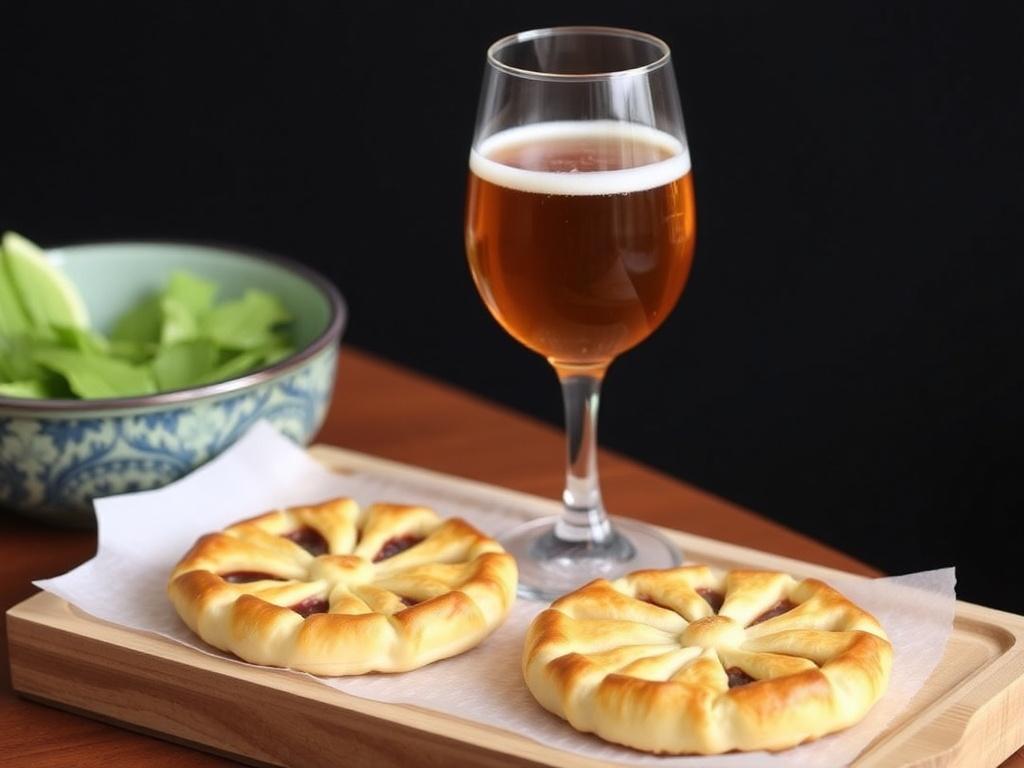
Although wheel pies can stand alone, pairing them wisely can elevate the experience. Because of their rich texture, a hot cup of milk tea or black tea balances sweetness and cuts through any greasiness. Some even enjoy them alongside fresh fruit to add a refreshing contrast.
Here are some pairing ideas:
- Traditional Taiwanese bubble milk tea
- Light oolong or jasmine tea
- Fresh tropical fruits like mango or pineapple
- A dollop of whipped cream or ice cream for desserts
These pairings not only complement the taste but also highlight the cultural richness of Taiwanese snacks, inviting you to savor every bite more deeply.
—
If you’ve ever thought desserts were just empty calories, Taiwanese wheel pies might challenge that notion with their balance, history, and comforting flavors. They’re more than just pies — they’re a delicious gateway into Taiwan’s vibrant food story. So why not give them a try? They’re waiting to thrill your taste buds one crispy bite at a time.


