

There’s something truly captivating about a dish that carries centuries of tradition, flavors that tell a story, and a cultural heartbeat within every single spoonful. Fanesca Soup isn’t just a meal; it’s a celebration of heritage compressed into a pot, simmering with a vibrant mix of ingredients and history. If you’ve never heard of this Ecuadorian marvel, keep reading—because by the end, you might find yourself craving more than just the details.
- Unveiling the Essence of Fanesca Soup
- The Origins and Journey of Fanesca Soup
- Where Fanesca Soup First Took Root
- Surprising Tidbits About Fanesca Soup
- What Does Fanesca Soup Offer Nutritionally
- Fanesca Soup’s Reach Beyond Ecuador
- Three Excellent Fanesca Soup Recipes to Try at Home
- Traditional Fanesca Soup
- Vegetarian Fanesca Variation
- Quick Fanesca for Beginners
- Perfect Pairings: What to Eat with Fanesca Soup
Unveiling the Essence of Fanesca Soup

Fanesca Soup is far from your everyday chowder. It’s a hearty, rich bowl of goodness that combines multiple grains, beans, and fresh local produce with fish and spices, crafting an intricate balance of textures and flavors. What sets this soup apart is its symbolic recipe: twelve different types of beans and grains, representing the twelve apostles, subtly woven into a milk-based broth infused with salt cod. For Ecuadorians, this soup isn’t just dinner—it’s a ritual marker of the Lenten season, typically enjoyed during Holy Week. Each spoonful is layered with symbolic meaning, nourishment, and a distinctive harmony of sweet, savory, and creamy elements.
The Origins and Journey of Fanesca Soup
Tracing Fanesca Soup’s history offers a glimpse into Ecuador’s layered cultural tapestry. It’s believed to have emerged from a fusion of indigenous Andean agricultural staples and Spanish colonial influences, particularly the use of salt cod introduced by European settlers. This cross-pollination created a unique recipe that honors tradition while celebrating the bounty of Ecuador’s highlands.
Long before it was a famous dish, the components of Fanesca were staples in the Andean diet. Maize, different beans, pumpkins, and squash—native crops cultivated for centuries—formed the backbone. When Spanish missionaries arrived, they brought with them new ingredients and Catholic interpretations, which infused Fanesca with symbolic religious weight. This history explains why the dish is so deeply tied to Easter celebrations and why the ingredients have such intricate spiritual meanings.
Where Fanesca Soup First Took Root
Ecuador’s highland regions, with their fertile valleys and temperate climate, are the birthplace of Fanesca Soup. Provinces like Pichincha and Tungurahua are often credited as cultural hotspots where the dish gained its fame. Here, the agriculture thrives on an array of corn varieties, legumes, and pumpkins—all essential for assembling Fanesca in its authentic form.
The highland communities perfected the recipe over generations, ensuring that the soup wasn’t simply a meal but a communal experience. Families gather to prepare the endless ingredients—slowly simmering, peeling, and chopping—transforming the process into a soulful tradition that transcends mere sustenance.
Surprising Tidbits About Fanesca Soup
While many enjoy the depth in its layers, some lesser-known facts make Fanesca all the more intriguing:
- The twelve grains and beans aren’t arbitrary; they’re a direct homage to Jesus’ twelve apostles, blending theology with gastronomy.
- Salt cod as the protein choice is linked to Lent fasting rules, symbolizing the fish for Fridays and abstinence from red meat.
- Each family’s recipe varies: Some add avocado, empanadas, or hard-boiled eggs as garnishes, turning each bowl into a personal expression of heritage.
- Eating Fanesca isn’t just about taste; it’s a communal ritual that often involves storytelling, music, and shared gratitude.
What Does Fanesca Soup Offer Nutritionally
Beyond its cultural significance, Fanesca packs a powerful nutritional punch. With a base rich in legumes, corn, and pumpkins, it provides a healthy dose of protein, fiber, and complex carbohydrates. The salt cod adds lean protein, while the dairy base contributes calcium and essential fats. Here’s a breakdown of what makes Fanesca hearty and wholesome:
| Component | Nutritional Contribution |
|---|---|
| Beans and legumes | High in fiber, protein, and essential minerals like iron |
| Maize and grains | Provides complex carbs and energy |
| Salt cod | Rich in protein and omega-3 fatty acids |
| Milk and dairy | Calcium and vitamin D support bone health |
| Squash and pumpkin | Vitamins A and C, antioxidants |
This balance ensures the soup keeps you full and energized, perfect for the cooler months and communal gatherings when it’s mostly enjoyed.
Fanesca Soup’s Reach Beyond Ecuador
Though Fanesca is deeply rooted in Ecuador, its fame has spread, especially wherever Ecuadorian communities thrive—like parts of the United States and Spain. There, it represents a cultural lifeline, connecting expatriates to home. Still, it remains relatively unknown globally compared to other South American dishes.
The soup doesn’t translate easily; it’s labor-intensive and seasonally tied to Easter. That makes it a special, almost sacred experience rather than an everyday dish. However, adventurous food lovers around the world are starting to appreciate its complex flavors and cultural significance, sparking more interest internationally.
Three Excellent Fanesca Soup Recipes to Try at Home
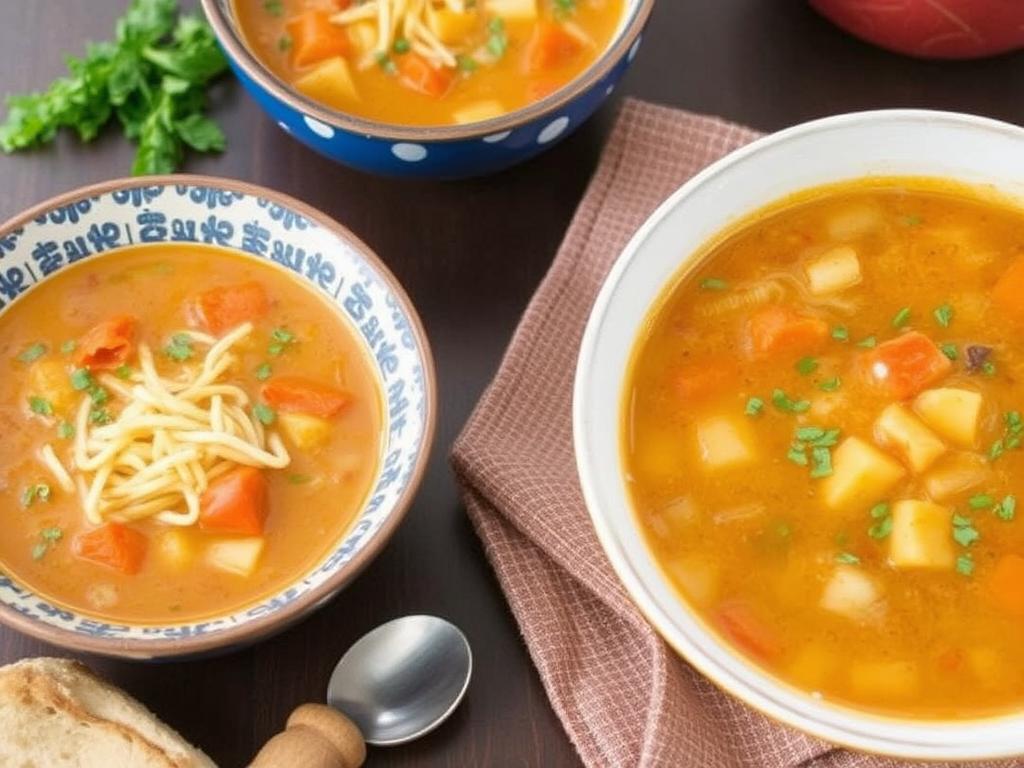
If you’re ready to dive into cooking Fanesca, here are three varied recipes to guide you, from classic to more contemporary takes:
Traditional Fanesca Soup
- Twelve types of beans and grains soaked overnight
- Salt cod prepared by soaking to remove excess salt
- Milk base thickened with ground grains
- Roasted pumpkin and squash puree for sweetness
- Garnishes: hard-boiled eggs, fried plantains, and herbs
Vegetarian Fanesca Variation
- Replace salt cod with smoked tofu or mushrooms
- Use vegetable broth instead of milk for dairy-free option
- Same blend of beans and grains for texture
- Roasted veggie garnishes to keep the tradition alive
Quick Fanesca for Beginners
- Use canned mixed beans for time-saving
- Salt cod flakes mixed directly without long soaking
- Pre-made pumpkin puree from the store
- Blend milk and broth for a lighter version
- Simple garnishes like chopped boiled eggs and scallions
Perfect Pairings: What to Eat with Fanesca Soup
Fanesca is a full meal on its own, but certain side dishes elevate the experience. Traditional accompaniments include:
- Empanadas: Small savory pastries stuffed with cheese or meat offer a pleasant crunch contrast.
- Avocado slices: Their creamy texture blends wonderfully with the soup’s flavors.
- Hard-boiled eggs and fried plantains: Added either inside or on top, these create a delightful contrast in taste and texture.
- Fresh bread: Great for dipping, especially rustic sourdough or corn bread
These sides round out the meal, making it both comforting and rewarding without stealing the spotlight from the soup itself.
—
Getting to know Fanesca Soup opens a window into Ecuador’s rich traditions and culinary creativity. If you’re curious about dishes that are more than food—meals that are stories, history, and celebrations in a bowl—this is one you should bookmark and try. It’s not just soup; it’s an edible tapestry of culture and care, ready to dive into at your next special gathering.


