

Imagine a bowl of soup so rich in flavors and traditions that every spoonful feels like a warm hug from Ghana itself. Ahiako Soup isn’t just another dish; it’s a culinary story passed down through generations, packed with wholesome ingredients and a burst of comforting taste that can brighten any day. Whether you’re a foodie looking to explore African cuisine or just someone curious about unique soups from around the world, Ahiako Soup is definitely one to add to your must-try list. Ready to dive into what makes this soup special, where it came from, and how to bring it into your kitchen? Let’s take a flavorful journey together.
- What Exactly Is Ahiako Soup
- The Rich History Behind Ahiako Soup
- Where Ahiako Soup First Appeared
- Fascinating Things You Probably Didn’t Know About Ahiako Soup
- The Nutritional Value Behind Every Spoonful of Ahiako Soup
- How Ahiako Soup Gained Fans Worldwide
- Three Delicious Ways to Make Ahiako Soup at Home
- Classic Ahiako Soup
- Vegetarian Ahiako Soup Variation
- Quick Ahiako Soup for Beginners
- Pairing Perfection What to Eat with Ahiako Soup
What Exactly Is Ahiako Soup
Ahiako Soup is a traditional Ghanaian soup known for its hearty texture and a blend of vegetables, spices, and meats cooked to perfection. The word “Ahiako” loosely translates to “kindness” or “merciful” in the Ewe language, which hints at the soul-warming nature of this dish. It’s a thick stew-like soup, often made with ingredients like tomatoes, snails, smoked fish, and a variety of leafy greens such as spinach or cocoyam leaves. The base is typically a combination of palm nut cream or groundnut paste, giving it a creamy yet slightly tangy flavor that is both unique and deeply satisfying. This isn’t just soup—it’s an experience that showcases the diversity and richness of Ghanaian flavors.
The Rich History Behind Ahiako Soup

The story of Ahiako Soup dates back centuries, deeply rooted in the traditions of the Ewe people along the Volta Region of Ghana. It was originally a dish prepared for communal gatherings or special family occasions, where sharing wasn’t just about food, but also about strengthening bonds. The ingredients historically came from the land and waters around the community—fresh produce, fish from the river, and wild-foraged spices—making this soup a true representation of nature’s gifts. Over time, the recipe adapted and spread throughout Ghana, reflecting the agricultural and cultural diversity of the region. Today, it stands as a symbol of hospitality and the Ghanaian way of celebrating life’s simple pleasures around a shared meal.
Where Ahiako Soup First Appeared
Ahiako Soup has its roots firmly planted in the Volta Region of Ghana, home to the Ewe ethnic group. This area, bordering the eastern part of Ghana and Togo, is known for its lush landscapes, fertile farms, and access to fresh water sources, which all play a part in the ingredients used for this dish. Historically, the soup was part of daily meals as well as special festivities. As migration and trade spread within Ghana and its neighboring countries, Ahiako Soup traveled with the people, becoming familiar in other parts of West Africa. Though its origin is clear, today you can find variations influenced by local tastes in many places, each adding a personal touch to this classic.
Fascinating Things You Probably Didn’t Know About Ahiako Soup
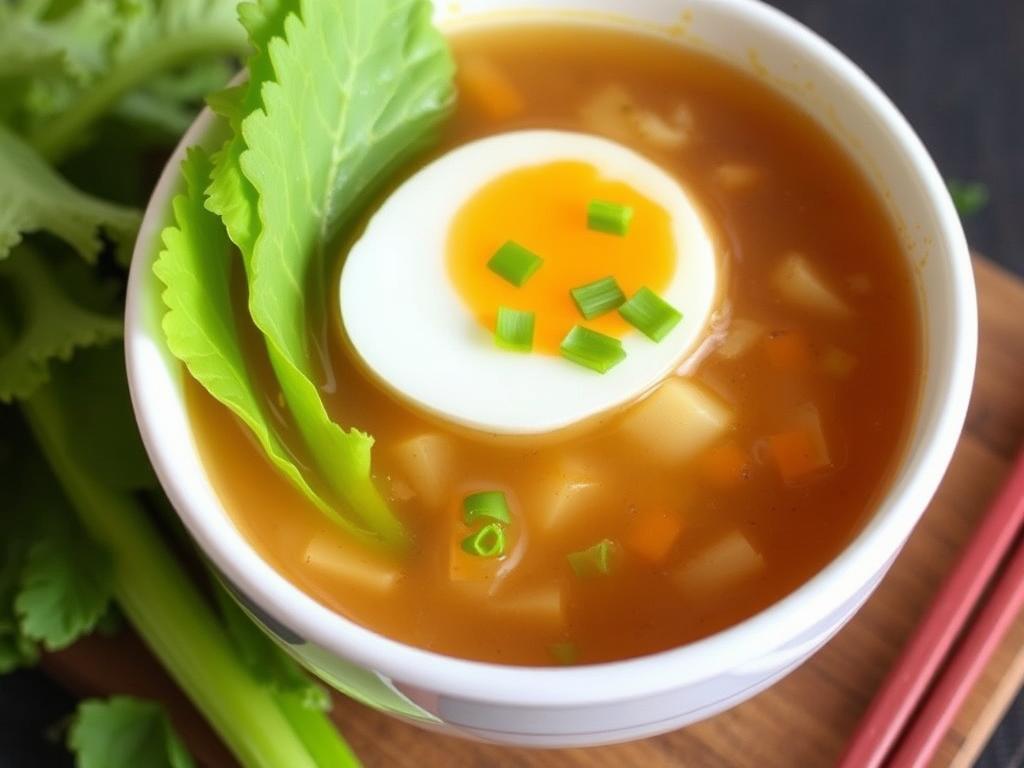
Many people think of soups as simple comfort food, but Ahiako Soup carries some unique qualities that set it apart:
- Versatility in ingredients: The soup can feature everything from snails to smoked fish, depending on availability and preference.
- Medicinal properties: Traditionally, some ingredients in Ahiako are believed to aid digestion and provide essential nutrients quite beneficial during illness.
- Cultural significance: Beyond just a meal, sharing Ahiako Soup is a sign of community care and respect in Ewe culture.
- Cooking method: The soup’s base is slow-cooked, allowing all flavors to meld perfectly—patience is key to its deliciousness.
- Seasonal adaptation: Different leafy greens or protein sources may be used depending on what’s in season, reflecting local agriculture at its best.
The Nutritional Value Behind Every Spoonful of Ahiako Soup
Ahiako Soup isn’t just tasty—it’s also packed with nutrients that promote health and vitality. Thanks to its combination of veggies, proteins, and healthy fats, it offers a balanced meal:
| Ingredient | Nutritional Benefit |
|---|---|
| Leafy Greens (Spinach, Cocoyam leaves) | Rich in vitamins A, C, and iron, supporting immunity and blood health |
| Smoked Fish/Snails | High-quality protein and essential omega-3 fatty acids for brain and heart health |
| Palm Nut Cream | Provides healthy fats and vitamin E, aiding skin health and energy |
| Tomatoes and Spices | Loaded with antioxidants and anti-inflammatory benefits |
Eating Ahiako Soup can be a wholesome experience, especially when aiming to incorporate traditional foods into a balanced diet. It shows how African cuisine can be both delicious and nutritious without compromising either quality.
How Ahiako Soup Gained Fans Worldwide
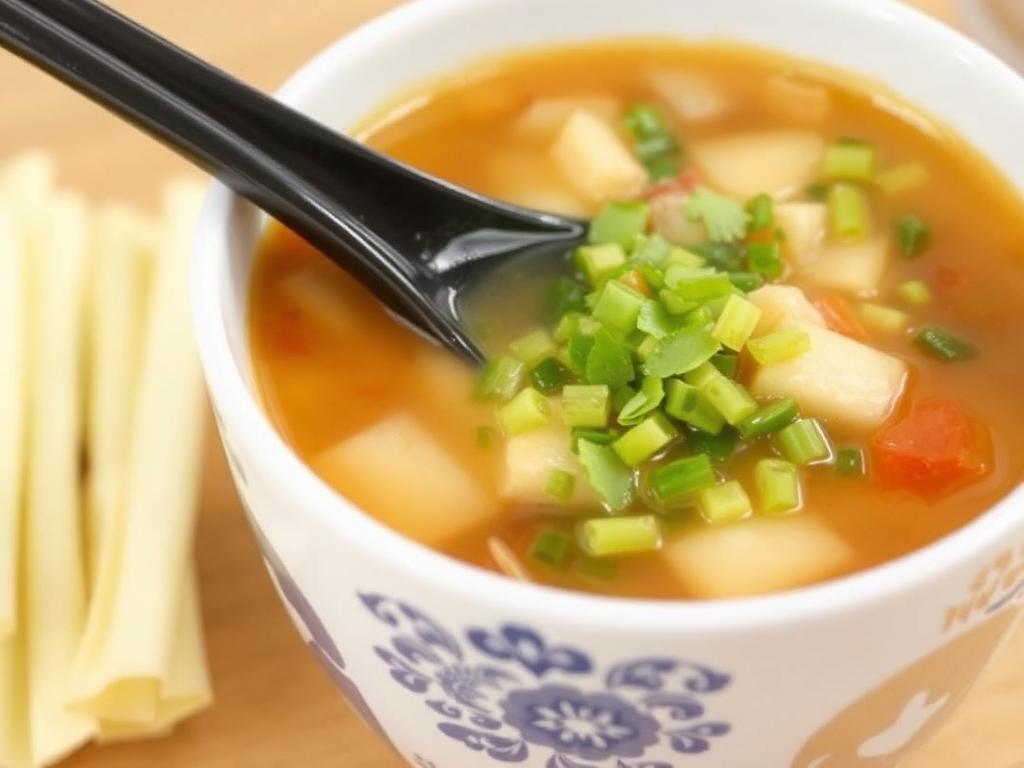
Though Ahiako Soup began as a local favorite, its popularity has grown beyond Ghana’s borders in recent years. This is partly due to the rising interest in African culinary arts globally, as well as the increasing presence of Ghanaian diaspora communities sharing their culture abroad. Today, you can find Ahiako on menus in African restaurants in the UK, the US, and even parts of Europe. Food bloggers and chefs have begun highlighting its flavors as an example of rich West African cuisine. Additionally, the soup’s adaptability to different ingredients makes it easier for people worldwide to experiment with Ahiako at home. Its blend of earthiness, spice, and heartiness makes it a memorable meal no matter where you try it.
Three Delicious Ways to Make Ahiako Soup at Home
Ready to roll up your sleeves? Here are three tried-and-true recipes for cooking Ahiako Soup, each with its own twist:
Classic Ahiako Soup
- Ingredients: Palm nut cream, smoked fish, snails (optional), cocoyam leaves, tomatoes, onions, chili peppers.
- Steps: Sauté onions and tomatoes, add palm nut cream and broth, incorporate smoked fish and snails, simmer with cocoyam leaves until tender.
- Taste Tip: Adjust chili to your heat preference.
Vegetarian Ahiako Soup Variation
- Ingredients: Palm nut cream, assorted vegetables (eggplant, okra), spinach, tomatoes, and spices.
- Steps: Replace meat with hearty vegetables, follow the same cooking method, and blend flavors slowly.
- Perfect for: Those who prefer a plant-based meal without losing the soup’s richness.
Quick Ahiako Soup for Beginners
- Ingredients: Groundnut paste, fresh spinach, canned tomatoes, chicken broth, smoked turkey or chicken.
- Steps: Use groundnut paste instead of palm nut cream for faster cooking, add protein and vegetables, cook until thickened.
- Ideal if you’re short on time but want the authentic taste.
Pairing Perfection What to Eat with Ahiako Soup
While Ahiako Soup is flavorful on its own, it truly shines when combined with traditional Ghanaian staples. Here are some of the best accompaniments:
- Fufu: A dough-like staple made from pounded cassava, yam, or plantains, perfect for dipping into the soup.
- Banku: A fermented corn and cassava dough that complements Ahiako’s bold flavors.
- Rice Balls: Plain rice shaped into balls that soak up the soup’s richness beautifully.
- Kenkey: Fermented corn dough wrapped in corn husks, offering a slightly sour contrast.
Each pairing offers a different texture and experience, letting you enjoy Ahiako Soup even more with the traditional sides that locals cherish.
—
Ahiako Soup isn’t just a meal; it’s a celebration of Ghana’s heritage, a treasure trove of flavor and nutrition, and a dish that invites anyone to share in its warmth. Whether you’re recreating one of the classic recipes or experimenting with your own ingredients, diving into Ahiako’s story and taste is well worth it. So next time you want a comforting yet exciting soup, remember this Ghanaian gem and bring a little kindness to your table.


