

When summer heat hits with full force, nothing cools the body and delights the soul quite like a bowl of something refreshingly cold. If you’re yet to stumble upon the experience of Naengmyeon Soup, picture this: thin, chewy noodles swimming in an icy broth, topped with refreshing cucumber slices, a hard-boiled egg, and sometimes juicy slices of beef. This isn’t just any soup. Naengmyeon offers a unique combination of textures and flavors that somehow manage to be both comforting and invigorating at once. It’s unlike any meal you’ve had before. Ready to explore the cool universe of Naengmyeon Soup? Let’s jump right in and unravel the story, taste, and secrets behind this Korean classic.
- Getting to Know Naengmyeon Soup: What It Truly Is
- The Origins and Journey of Naengmyeon Soup
- Tracing Naengmyeon Soup’s First Appearance
- Fun and Surprising Tidbits About Naengmyeon Soup
- Breaking Down the Nutritional Profile of Naengmyeon Soup
- Naengmyeon Soup’s Popularity Beyond Korea’s Borders
- Three Standout Naengmyeon Soup Recipes to Try at Home
- 1. Classic Pyongyang Naengmyeon
- 2. Spicy Hamhung Naengmyeon
- 3. Vegan/Vegetarian Naengmyeon
- Pairing Perfection: What Complements Naengmyeon Soup
Getting to Know Naengmyeon Soup: What It Truly Is
Naengmyeon Soup stands out in the Korean culinary world as a cold noodle dish that’s adored especially during sweltering summers. The name “naengmyeon” literally means “cold noodles,” which is exactly what you get: long, thin noodles made traditionally from buckwheat or sweet potato starch, served chilled. The broth is where the magic happens—it’s either tangy and vinegary, made from beef or dongchimi (radish water kimchi), or rich and slightly sweet with a meat-based essence. On top, garnishes like julienned cucumbers, slices of boiled egg, and sometimes thin pieces of cold beef add complexity and texture. Eating Naengmyeon Soup is often a refreshing way to cool down but it’s also a satisfying treat for those craving something light yet flavorful.
The Origins and Journey of Naengmyeon Soup

Digging into the history of Naengmyeon Soup takes us back hundreds of years, rooted deep in the northern regions of Korea, especially the cities of Pyongyang and Hamhung. Originally, it was a winter dish designed to provide nourishment in freezing temperatures—with the broth sometimes iced over naturally. Pyongyang Naengmyeon is famous for its cold beef broth, mild yet flavorful, while Hamhung offers a spicier, gochujang-based version that adds a fiery twist. Over time, as this dish traveled south and beyond, different versions emerged, each adapting to local tastes but preserving the essence of what makes Naengmyeon Soup special.
Tracing Naengmyeon Soup’s First Appearance
The earliest records of Naengmyeon Soup appear in Korean texts dating back to the Joseon Dynasty (1392–1897). This dish was cherished by royalty and common folks alike, particularly in the colder northern parts where the long, harsh winters inspired meals that kept the body robust yet cool. It’s fascinating how the dish wasn’t confined just to its place of origin; as Korea modernized and transportation improved, this cooling noodle soup made its way into the hearts and kitchens across the country, eventually becoming a fixture in Korean-American eateries and international restaurants.
Fun and Surprising Tidbits About Naengmyeon Soup
– The noodles used in Naengmyeon Soup can be incredibly chewy, so much that in Korean culture, slurping them up quickly is seen as a sign you really enjoy the dish.
– During Korean weddings, eating Naengmyeon symbolized longevity, so it was a staple dish at celebrations.
– While we often think of Naengmyeon as a summer dish, in North Korea it is eaten year-round, particularly enjoyed with icy broth even in freezing weather.
– Some versions incorporate an ice cube or crushed ice poured directly into the bowl, amplifying the chill factor to new heights.
Breaking Down the Nutritional Profile of Naengmyeon Soup
Naengmyeon Soup is as wholesome as it is refreshing. Typically, the buckwheat noodles provide complex carbohydrates and some plant-based protein. The broth, especially if beef-based, adds a modest amount of protein and minerals without overwhelming calories. Cucumbers and radish contribute hydration and vitamins, while the egg on top boosts protein content. Overall, it’s a light, balanced meal that’s lower in fat and calories than many traditional noodle dishes.
| Component | Typical Nutrients | Benefits |
|---|---|---|
| Buckwheat Noodles | Carbs, Fiber, Protein, Magnesium | Steady energy release, heart health |
| Beef Broth | Protein, Iron, Collagen | Muscle support, skin health |
| Vegetable Garnishes | Vitamins A, C, Hydration | Immune boost, lightness |
| Boiled Egg | Protein, Healthy Fats, Vitamins B12, D | Sustained fullness, nutrient density |
Naengmyeon Soup’s Popularity Beyond Korea’s Borders
While Naengmyeon Soup remains a cornerstone of Korean dining, its reach has stretched internationally, especially in countries with significant Korean communities like the United States, China, and Japan. Korean restaurants worldwide have added Naengmyeon to their menus, introducing this chilly delicacy to curious food lovers. In some places, chefs have even experimented by combining the traditional Naengmyeon elements with local ingredients, creating fusion dishes that keep the spirit alive but offer new surprises. Despite these variations, the authentic versions hold a special place, often sought out by Korean expats and enthusiasts.
Three Standout Naengmyeon Soup Recipes to Try at Home
1. Classic Pyongyang Naengmyeon
- Ingredients: Buckwheat noodles, beef broth, cucumber strips, boiled egg, sesame seeds
- Flavor notes: Mild, subtly beefy, clear and refreshing
- Tip: Chill the broth overnight to deepen the flavors and achieve the perfect cold temperature
2. Spicy Hamhung Naengmyeon
- Ingredients: Sweet potato starch noodles, spicy gochujang sauce, vinegary broth, beef slices
- Flavor notes: Fiery, tangy, and chewy
- Tip: Adjust gochujang to control spiciness; adding some pickled radish on top balances the heat
3. Vegan/Vegetarian Naengmyeon
- Ingredients: Buckwheat noodles, dongchimi broth (radish water kimchi), cucumber, pear slices
- Flavor notes: Sweet, tangy, crisp
- Tip: Use veggie broth stock to deepen the flavor base if skipping traditional beef broth
Pairing Perfection: What Complements Naengmyeon Soup
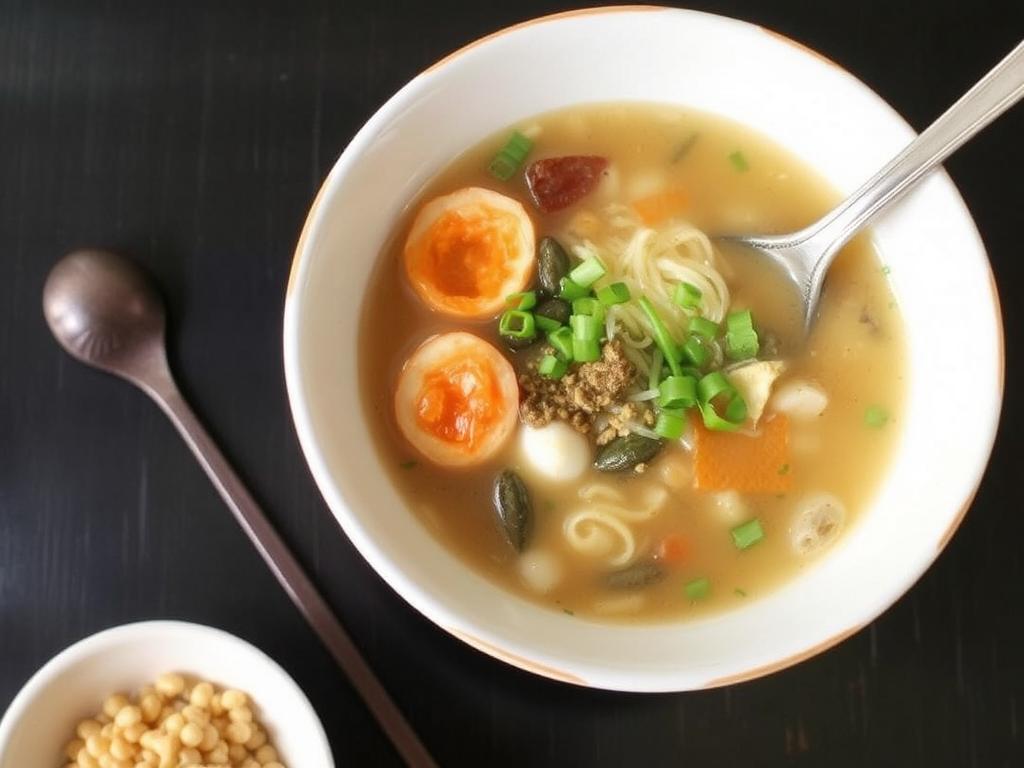
Naengmyeon Soup is wonderful on its own, but pairing it right can elevate your meal even more. Traditionally, Korean side dishes like kimchi or pickled radish accompany Naengmyeon, adding bursts of flavor and crunch. A simple plate of boiled dumplings or Korean fried chicken also works beautifully for a heartier spread. For drinks, cold barley tea or light rice wine matches well without overpowering the refreshing soup. Whether you’re dining alone or sharing with friends, balancing textures and flavors is key to fully enjoying Naengmyeon Soup.
In exploring the chilly delight that is Naengmyeon Soup, you discover more than a food; you encounter history, culture, and culinary artistry in a bowl. Next time the heat becomes unbearable or you crave something different, consider dipping your chopsticks into this Korean classic. It promises a splash of cold comfort that’s rich with stories and flavor.


