

There’s something about a warm bowl of tomato soup that feels like a gentle hug—simple, comforting, and quietly satisfying. Maybe it’s the vivid red color that instantly brightens the day or that familiar tangy flavor that dances just on the edge of sweet and savory. Whether you enjoyed it as a kid with grilled cheese sandwiches glued together by melty cheddar or discovered it as an adult craving something soothing, tomato soup carries a kind of magic that few other dishes can match. But beyond the surface, there’s a fascinating story, rich history, and plenty of variety packed into this humble bowl. Let’s dive into the world of tomato soup, uncovering what it really is, how it traveled across the globe, and why it remains a staple in so many kitchens today.
- What Tomato Soup Really Is
- The Surprising History of Tomato Soup
- Where Tomato Soup First Appeared on the Table
- Fascinating Facts You Didn’t Know About Tomato Soup
- Breaking Down the Nutritional Value of Tomato Soup
- Tomato Soup Around the World
- Top Three Ways to Make the Best Tomato Soup
- Classic Creamy Tomato Soup
- Simple Rustic Tomato Soup
- Spicy Indian-inspired Tomato Soup
- What Goes Perfectly With Tomato Soup
What Tomato Soup Really Is
Tomato soup is more than just hot red liquid in a bowl; it’s a versatile dish made primarily from tomatoes, often cooked down and seasoned to highlight their natural flavor. The base usually involves fresh or canned tomatoes blended smooth, sometimes with onions, garlic, herbs, and cream or broth added for depth and creaminess. Variations range from thin and clear consommé-style to thick and chunky stews. The magic lies in the perfect balance—sweetness from ripe tomatoes, acidity that wakes up the taste buds, and a touch of seasoning to round it out.
While many think of canned tomato soup as the default, homemade versions win hearts for freshness and depth. You can play with herbs like basil, thyme, or oregano, or add a splash of cream or rustic croutons on top. Tomato soup is remarkably adaptable, fitting into vegan, gluten-free, or rich and creamy diets alike. It’s this adaptability that explains why so many people across the world cling to their own special recipes.
The Surprising History of Tomato Soup
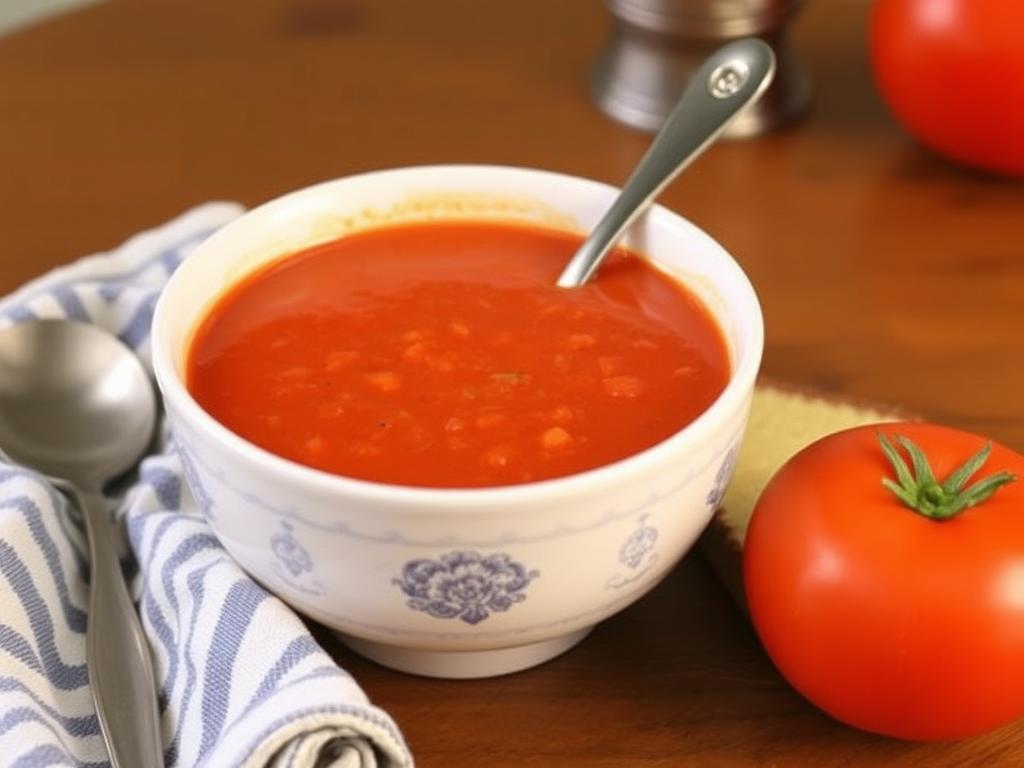
Tomato soup as we know it today has an unexpected backstory tied closely to the tomato’s journey itself—a fruit once considered poisonous by Europeans. Native to South America, tomatoes only made their way to Europe in the 16th century. Early on, they were mostly seen as ornamental plants. It wasn’t until the 18th and 19th centuries that people began experimenting with cooking tomatoes, slowly chipping away at suspicion.
The first known tomato soup recipes appeared in European and American cookbooks during the 19th century. Canning technology innovations in the late 1800s, thanks to pioneers like Joseph Campbell, brought tomato soup into the mass market, making it an affordable and accessible comfort food during difficult times such as the Great Depression.
Where Tomato Soup First Appeared on the Table
While tomatoes are native to the Andes region in South America, tomato soup as a dish did not originate there. It gained popularity first in European kitchens—France and England are often credited for early tomato-based soups. American cookbooks from the 1800s show evolving recipes focused on tomato soups, reflecting growing domestic interest.
In the United States, tomato soup became a lunch or dinner staple once it was canned and sold as a ready-made product, especially with the rise of industrial food manufacturing in the early 20th century. It quickly found favor because it was inexpensive, filling, and easy to prepare. The innovation of combining tomato soup with grilled cheese sandwiches sealed its place as a beloved comfort food icon.
Fascinating Facts You Didn’t Know About Tomato Soup
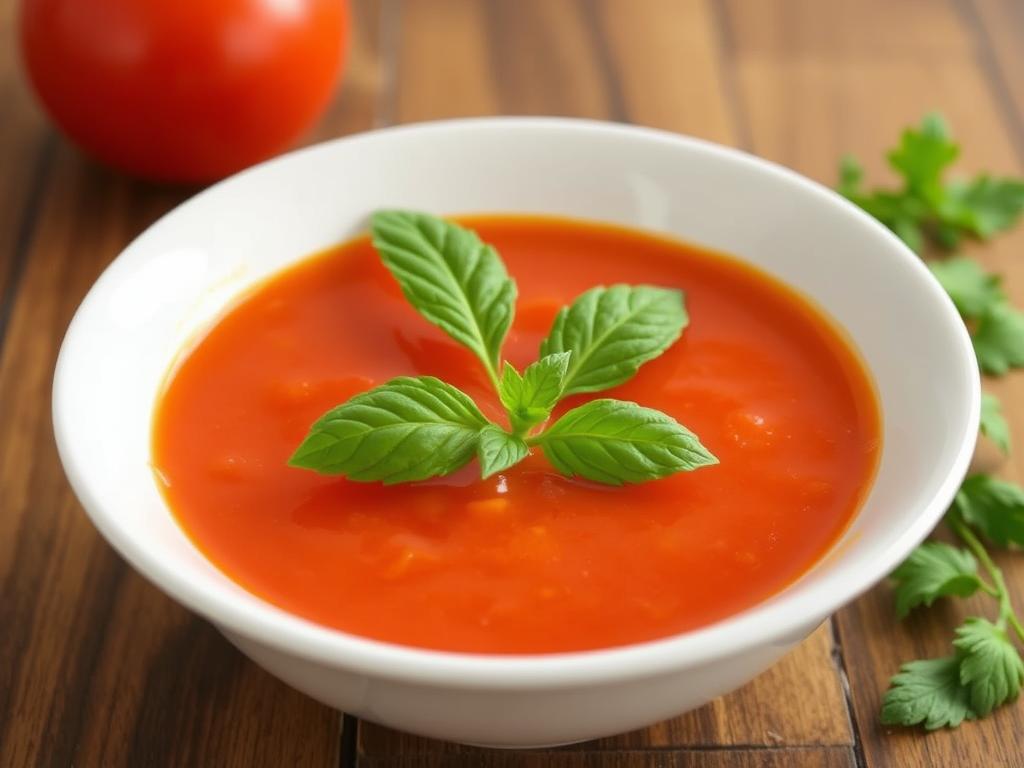
Tomato soup isn’t just tasty—it’s full of quirky tidbits worth sharing around the dinner table. For instance:
- Tomatoes were once called “love apples” in Europe, believed to have aphrodisiac powers.
- The classic pairing of tomato soup and grilled cheese sandwiches date back to the 1920s in America, but the exact origin story remains a subject of debate among food historians.
- Despite common belief, canned tomato soup in the U.S. isn’t just a post-WWII convenience food—it has roots started in the late 1800s.
- In some parts of the world, such as Spain and Italy, tomato soups are served cold, like gazpacho, a refreshing alternative for hot days.
These facts add subtle layers to how we appreciate tomato soup—not just as food but a cultural icon.
Breaking Down the Nutritional Value of Tomato Soup
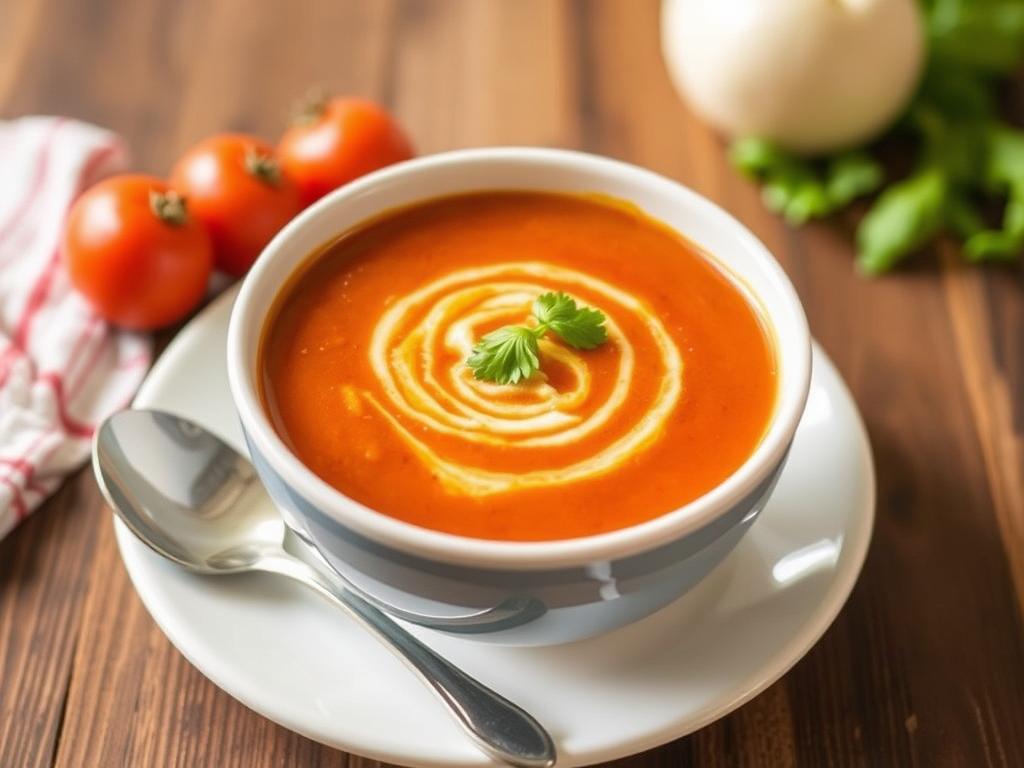
Tomato soup does more than warm you up; it packs a nutritional punch. Tomatoes are a rich source of vitamin C and antioxidants like lycopene—linked to lowering the risk of chronic diseases. A typical cup of tomato soup is low in calories, making it a smart choice if you want comfort without overdoing the energy intake.
However, the nutritional value can vary widely depending on the recipe or brand. Creamy tomato soups tend to have more fat and calories, while broth-based or vegan versions keep it light. When buying canned varieties, it’s wise to check sodium levels; some brands load it up, turning a healthy dish into something less so.
Tomato Soup Around the World
Tomato soup enjoys different forms and levels of popularity everywhere. In the United States and UK, it’s a staple comfort food. Italy has its robust tomato broths that serve as a base for other dishes. In Spain, gazpacho, a cold tomato soup with cucumbers and peppers, reigns during scorching summers. Then there’s the Indian twist, where tomatoes blend with spices to create tangy, spicy variants that warm from the inside out.
This global reach reflects the tomato’s universal appeal and how each culture reshapes the basic soup to fit local tastes, climates, and traditions. It’s not just a bowl of soup—it’s a glimpse into history, geography, and culture.
Top Three Ways to Make the Best Tomato Soup
Wondering how to whip up a bowl that will impress even the pickiest eaters? Here are three tried-and-true recipes that highlight tomato soup’s versatility:
Classic Creamy Tomato Soup
Ingredients: ripe tomatoes, onion, garlic, vegetable broth, cream, basil, salt, pepper
Method: Roast tomatoes, sauté onion and garlic, blend everything smooth, simmer with broth, add cream and fresh basil at the end.
Simple Rustic Tomato Soup
Ingredients: canned crushed tomatoes, onion, garlic, olive oil, thyme, vegetable broth, salt
Method: Cook onions and garlic in olive oil, add tomatoes and broth, let simmer, season with thyme and salt, no cream—pure rustic goodness.
Spicy Indian-inspired Tomato Soup
Ingredients: tomatoes, onion, garlic, ginger, garam masala, chili powder, vegetable broth, cilantro
Method: Sauté aromatics with spices, add tomatoes and broth, simmer until flavors meld, garnish with fresh cilantro.
These recipes provide blueprints that anyone can follow, swapping ingredients to suit dietary needs or flavor preferences. Bottled soup can’t match this homemade appeal.
What Goes Perfectly With Tomato Soup
Tomato soup’s comforting vibe invites plenty of delicious companions. The most classic partner is the grilled cheese sandwich with gooey melted cheese nestled between crisply toasted bread, creating that perfect contrast of textures and flavors. But don’t stop there: crusty bread dipped in the soup, a simple green salad, or even roasted vegetables add variety without overshadowing the star.
For a fun twist, some reach for garlic knots, pita chips, or even a dollop of pesto on top. The trick is balance: something with texture or a mild flavor that complements but doesn’t drown out the soup’s essence.
—
Tomato soup is much more than a quick meal or kids’ favorite—it’s a dish packed with history, flavor, and endless ways to enjoy. Next time you tuck into that bowl, you’ll know exactly what makes it so special and maybe even try a new recipe that fits your style. Would you have guessed it had such a story? That’s the beauty, and perhaps a splash of magic, hidden in your tomato soup.


