

There’s something truly enchanting about a bowl of lobster soup. Imagine the rich aroma of freshly cooked lobster blending with herbs and cream, promising a taste that’s both indulgent and comforting. But lobster soup isn’t just about flavor; it carries stories of tradition, culture, and culinary artistry that go far beyond the spoonful you enjoy. If you’ve ever wondered where this luxurious dish came from or how it earned its place at the world’s finest tables, you’re about to dive into a world of fascinating history, intriguing facts, and tantalizing recipes you won’t want to miss. Ready to explore everything there is to know about lobster soup? Let’s jump right in.
- Exploring Lobster Soup: What Exactly Is It
- The Story Behind Lobster Soup: Tracing Its History
- Where Lobster Soup First Made Its Mark
- Little-Known Facts That Make Lobster Soup Even More Intriguing
- Understanding the Nutritional Value of Lobster Soup
- Lobster Soup Around the World: A Global Favorite
- Three Irresistible Lobster Soup Recipes to Try at Home
- Perfect Pairings: What Complements Lobster Soup Best
Exploring Lobster Soup: What Exactly Is It
Lobster soup is a rich, often creamy concoction that features lobster meat as its star ingredient. Depending on the recipe, it can range from a clear, flavorful broth to a thick, velvety bisque. The heart of any lobster soup is the lobster itself, usually simmered to extract its full essence, creating a base that’s bursting with depth and oceanic flavor.
But it’s not just lobster and water thrown together. Aromatics like onion, celery, and garlic often build the foundation. Butter and cream add that luxurious mouthfeel, while herbs such as thyme or tarragon can bring subtle complexity. Some versions include vibrant vegetables or a splash of sherry or white wine to lift the flavors. This versatility makes lobster soup a canvas for both simple and sophisticated interpretations—whether served at a cozy home dinner or a five-star restaurant.
The Story Behind Lobster Soup: Tracing Its History
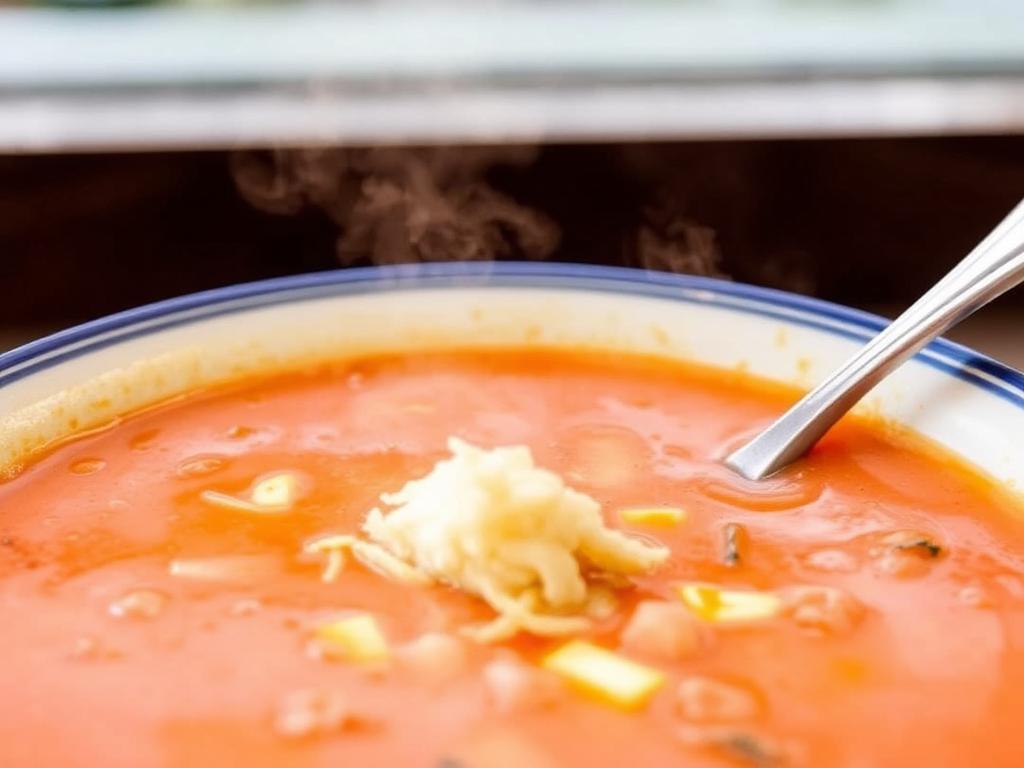
Lobster soup’s origins are as layered as its taste. Historically, lobster was once considered a poor man’s food, common in coastal communities where it was abundant and easy to catch. The transformation from humble beginnings to gourmet status happened over centuries, particularly as culinary tastes and techniques evolved.
By the 19th century, lobster became a prized luxury item in Europe and North America, symbolizing elegance and refined dining. Lobster bisque, a close relative of lobster soup known for its smooth texture and pureed lobster shells, became popular in French cuisine and later spread internationally. This evolution reflects not just a shift in social attitudes but also advancements in cooking that turned a simple crustacean into an emblem of fine dining.
Where Lobster Soup First Made Its Mark
Pinpointing the exact birthplace of lobster soup is tricky, mainly because coastal regions worldwide have long harvested lobster. However, the classic lobster bisque is widely credited to French culinary traditions, especially in the region of Normandy and Brittany where seafood flourishes.
Meanwhile, along the Atlantic coasts of the United States, particularly Maine, lobster soup became a staple among fishing communities before being embraced by chefs who elevated it. This North American twist often includes hearty ingredients, reflecting the local tastes and available produce. So, lobster soup is a delicious fusion of old-world and new-world influences, each with its own signature style.
Little-Known Facts That Make Lobster Soup Even More Intriguing
Few realize that creating the perfect lobster soup involves more than just boiling lobster and adding cream. For instance, many chefs insist on making lobster stock from the shells, which delivers the soup’s unmistakable depth and richness.
Did you know? The word “bisque,” often associated with lobster soup, originally meant a spicy sauce in the French province of Bisque. Over time, it evolved as a term for smooth, creamy seafood soups, especially those made from crustaceans. Also, lobster’s flavor changes depending on the season—lobsters caught in colder months tend to have sweeter, firmer meat, which influences the soup’s taste.
Understanding the Nutritional Value of Lobster Soup
Lobster soup offers more than just a decadent experience; it also packs a nutritional punch. Lobster meat itself is rich in protein and low in fat, containing essential minerals like zinc, copper, and selenium. Omega-3 fatty acids present in lobster support heart health and brain function.
Of course, many traditional recipes include cream and butter, which hike up the calorie and fat content. For those mindful of diet, lightening the soup with broth-based versions or using milk alternatives can retain flavor while reducing richness. A quick nutritional glance reveals this soup can be a balanced meal when paired wisely.
Lobster Soup Around the World: A Global Favorite
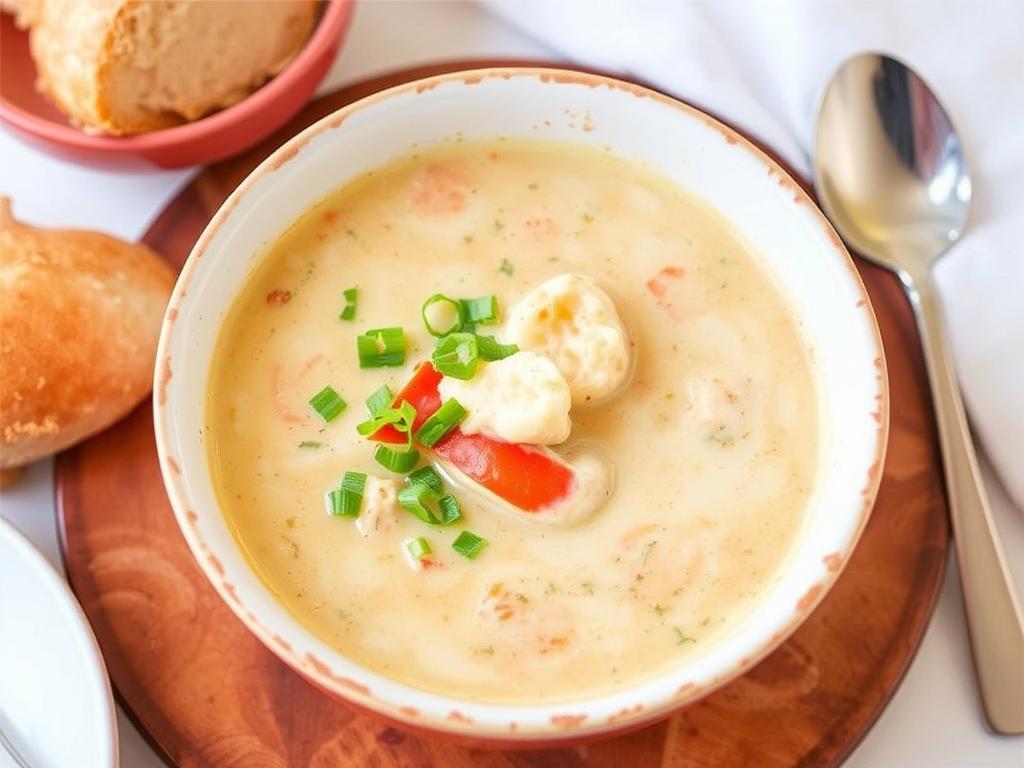
While lobster soup has deep roots in France and North America, its appeal stretches far beyond. In Asia, particularly in China and Singapore, lobster soups often take on bolder flavors with the addition of ginger, garlic, and soy sauce. This fusion creates an exciting contrast to the traditional Western bisque.
In coastal Europe, versions vary with local seafood and culinary techniques: Irish lobster chowders incorporate potatoes and fresh herbs, making a lighter but hearty soup. Meanwhile, Australia and New Zealand’s chefs experiment with lobster soup using native spices and ingredients, creating refreshing new takes on the classic.
Three Irresistible Lobster Soup Recipes to Try at Home
Ready to bring lobster soup into your kitchen? Here are three tried-and-loved recipes that cater to different moods and skill levels:
- Classic French Lobster Bisque: Start with lobster shells simmered with mirepoix and tomato paste, strain, then enrich the broth with cream and cognac. Finish with tender chunks of lobster meat.
- Maine Lobster Chowder: Combining lobster with potatoes, corn, and bacon in a creamy base, this hearty soup reminds you of the rugged East Coast spirit.
- Asian-inspired Lobster Soup: A clear broth infused with ginger, garlic, soy sauce, and fresh chili, topped with lobster meat and fresh coriander for a light yet flavorful experience.
Perfect Pairings: What Complements Lobster Soup Best
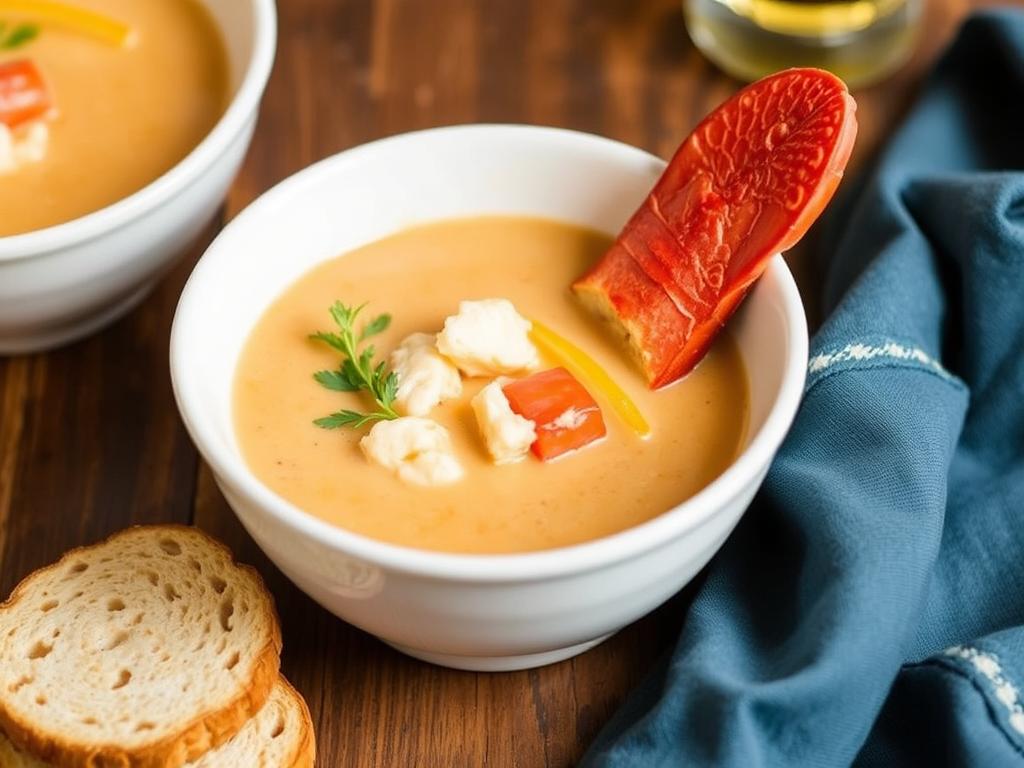
Lobster soup, rich and savory, begs for thoughtful sides that enhance but don’t overpower. Crispy baguettes or garlic bread work wonderfully, offering a contrast of crunchy texture to the soup’s creaminess.
For a lighter touch, a simple green salad with a citrus vinaigrette can cut through the richness. Some prefer a glass of chilled white wine—think Chardonnay or Sauvignon Blanc—to marry with the ocean flavors perfectly. Finally, a lemon wedge on the side offers a refreshing zest when added just before tasting.
—
Diving into lobster soup is not just a culinary trip; it’s an exploration of tradition, geography, and taste wrapped in one luxurious dish. Whether you savor it as a creamy bisque or a clear broth infused with delicate spices, understanding its nuances only deepens the pleasure. Perhaps you’ll be inspired to try the recipes yourself—after all, nothing beats the satisfaction of crafting a meal that’s rich in both flavor and story.


